manuals.online logo
Brands
  1. Home
  2. •
  3. Brands
  4. •
  5. Danfoss
  6. •
  7. Engine
  8. •
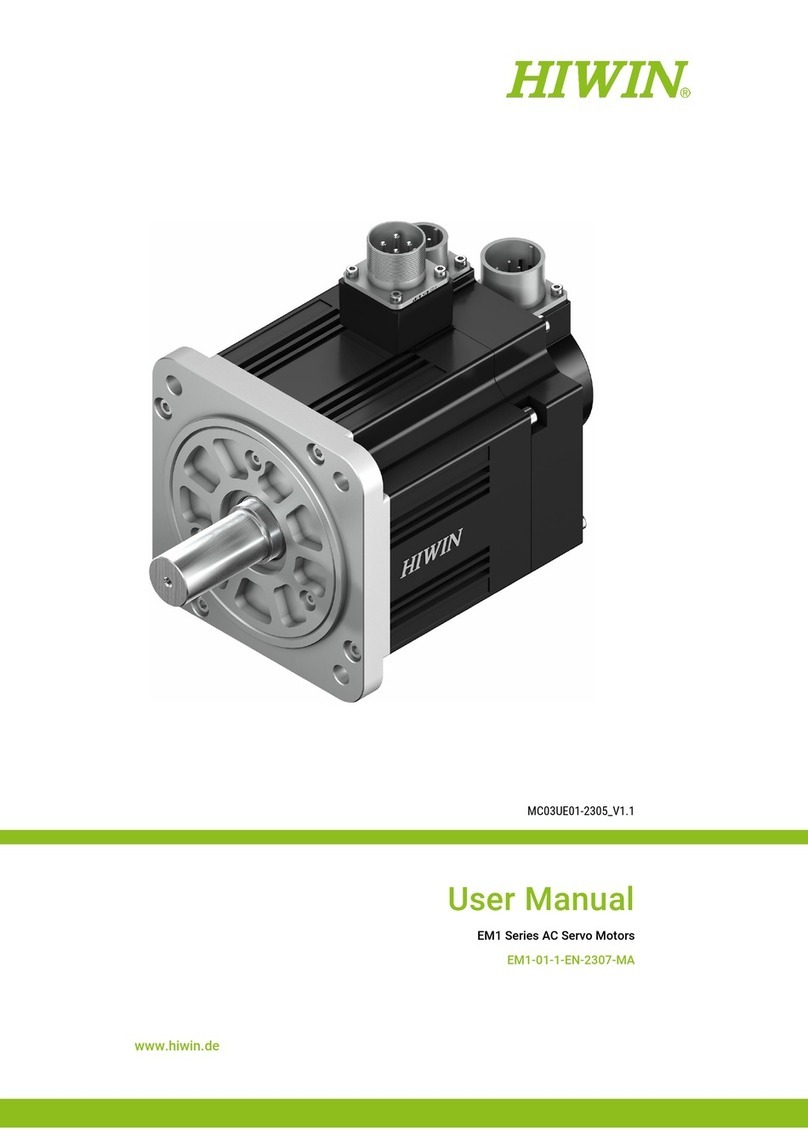
  9. Danfoss EM-PME375 Series User manual

Danfoss EM-PME375 Series User manual

Other manuals for EM-PME375 Series

1

This manual suits for next models

2

Other Danfoss Engine manuals

Danfoss H1B 160 cc User manual

Danfoss

Danfoss H1B 160 cc User manual

Danfoss EM-PMI540-T2000 User manual

Danfoss

Danfoss EM-PMI540-T2000 User manual

Danfoss MAH Series User manual

Danfoss

Danfoss MAH Series User manual

Danfoss TMM 070 User manual

Danfoss

Danfoss TMM 070 User manual

Danfoss EM-PMI240 User manual

Danfoss

Danfoss EM-PMI240 User manual

Danfoss H1B060 User manual

Danfoss

Danfoss H1B060 User manual

Danfoss 51 Series User manual

Danfoss

Danfoss 51 Series User manual

Danfoss H1B 060 User manual

Danfoss

Danfoss H1B 060 User manual

Danfoss EM-PMI300-T310 User manual

Danfoss

Danfoss EM-PMI300-T310 User manual

Danfoss 51 Series Manual

Danfoss

Danfoss 51 Series Manual

Danfoss EM-PMI300-T310 User manual

Danfoss

Danfoss EM-PMI300-T310 User manual

Danfoss Series 20 Setup guide

Danfoss

Danfoss Series 20 Setup guide

Danfoss VLT OneGearDrive User manual

Danfoss

Danfoss VLT OneGearDrive User manual

Danfoss 51 Series User manual

Danfoss

Danfoss 51 Series User manual

Danfoss VLT OneGearDrive ExtensionBox User manual

Danfoss

Danfoss VLT OneGearDrive ExtensionBox User manual

Danfoss FCM 300 Series Specification sheet

Danfoss

Danfoss FCM 300 Series Specification sheet

Danfoss H1 Series Manual

Danfoss

Danfoss H1 Series Manual

Danfoss VLT OneGearDrive User manual

Danfoss

Danfoss VLT OneGearDrive User manual

Danfoss OMM EM User manual

Danfoss

Danfoss OMM EM User manual

Danfoss EM-PMI375-T200 User manual

Danfoss

Danfoss EM-PMI375-T200 User manual

Danfoss TMT W FL Setup guide

Danfoss

Danfoss TMT W FL Setup guide

Danfoss MP1 User manual

Danfoss

Danfoss MP1 User manual

Danfoss VLT DriveMotor FCP 106 User manual

Danfoss

Danfoss VLT DriveMotor FCP 106 User manual

Danfoss TMTHW Series Manual

Danfoss

Danfoss TMTHW Series Manual

Popular Engine manuals by other brands

Nakanishi EM-3030T Operation manual

Nakanishi

Nakanishi EM-3030T Operation manual

Siemens COMBIMASTER CM12 operating instructions

Siemens

Siemens COMBIMASTER CM12 operating instructions

Bosch Rexroth Hagglunds CA Series Installation and maintenance manual

Bosch

Bosch Rexroth Hagglunds CA Series Installation and maintenance manual

Hyundai H170VC manual

Hyundai

Hyundai H170VC manual

Graco 273199 repair parts

Graco

Graco 273199 repair parts

MOTO GUZZI BREVA V1100 Workshop manual

MOTO GUZZI

MOTO GUZZI BREVA V1100 Workshop manual

Dualsky Track & Field Z5 instruction manual

Dualsky

Dualsky Track & Field Z5 instruction manual

Rotax 125 senior MAX evo installation manual

Rotax

Rotax 125 senior MAX evo installation manual

Kohler K361 Service manual

Kohler

Kohler K361 Service manual

MTD OHV Series user guide

MTD

MTD OHV Series user guide

Mercury D4.2L D-Tronic manual

Mercury

Mercury D4.2L D-Tronic manual

Perkins 1206E-E66TA Operation and maintenance manual

Perkins

Perkins 1206E-E66TA Operation and maintenance manual

Skov DA 174 Technical user guide

Skov

Skov DA 174 Technical user guide

Rotax 915 i A SERIES Maintenance manual

Rotax

Rotax 915 i A SERIES Maintenance manual

AL-KO PRO 350 Instructions for use

AL-KO

AL-KO PRO 350 Instructions for use

MTU 12 V 4000 Lx4 operating instructions

MTU

MTU 12 V 4000 Lx4 operating instructions

Nanni N3.30 Workshop manual

Nanni

Nanni N3.30 Workshop manual

Nanni N5.160 CR2 Operator's manual

Nanni

Nanni N5.160 CR2 Operator's manual

manuals.online logo
manuals.online logoBrands
  • About & Mission
  • Contact us
  • Privacy Policy
  • Terms and Conditions

Copyright 2025 Manuals.Online. All Rights Reserved.

User Guide
Integrated Motor / Generator
EM-PME375
danfoss.com
3
3
3
4
4
5
5
6
7
7
7
8
8
8
10
11
12
13
15
16
17
17
17
18
18
21
22
30
30
30
32
32
33
33
34
34
35
36
44
45
1. General information
1.1. Copyright .........................................................................................................................................................................................
1.2. Intended use of the manual .....................................................................................................................................................
1.3. Product naming convention ....................................................................................................................................................
1.4. Conformity according to standards .......................................................................................................................................
1.5. Warranty ..........................................................................................................................................................................................
1.6. Terms and abbreviations ...........................................................................................................................................................
1.7. Trademarks .....................................................................................................................................................................................
1.8. Responsibility of the manufacturer .......................................................................................................................................
2. Safety information
2.1. General safety statement ..........................................................................................................................................................
2.2. Safety message signal words ...................................................................................................................................................
2.3. Safety symbols ..............................................................................................................................................................................
2.4. Personal protective equipment ..............................................................................................................................................
2.5. Security features ...........................................................................................................................................................................
2.6. Electromagnetic compatibility (EMC) ...................................................................................................................................
3. Product overview
3.1. Intended use of the electric machine .................................................................................................................................
3.2. Used technology ........................................................................................................................................................................
3.3. System introduction .................................................................................................................................................................
3.4. Connections and interfaces ...................................................................................................................................................
3.5. Rating plate ..................................................................................................................................................................................
3.6. Tightening torques ....................................................................................................................................................................
4. Design principles
4.1. System design .............................................................................................................................................................................
4.1.1. Cooling and temperature measurement ..................................................................................................................
4.1.2. Inverter ..................................................................................................................................................................................
4.2. Mounting structure ...................................................................................................................................................................
4.2.1. Supporting structure requirements ............................................................................................................................
4.2.2. Shaft alignment and load ...............................................................................................................................................
4.3. Customer connection interface design instruction ......................................................................................................
5. Transportation and storage
5.1. Transportation ............................................................................................................................................................................
5.2. Receiving and unpacking .......................................................................................................................................................
5.3. Lifting .............................................................................................................................................................................................
5.4. Storage ...........................................................................................................................................................................................
5.4.1. Extended storage ..............................................................................................................................................................
6. Installation
6.1. Required tools .............................................................................................................................................................................
6.2. Insulation resistance test .........................................................................................................................................................
6.3. Mechanical installation ............................................................................................................................................................
6.3.1. Allowed mounting positions .........................................................................................................................................
6.3.2. Mounting the electric machine ....................................................................................................................................
6.3.3. Installation procedure ......................................................................................................................................................
6.3.4. Cooling connections ........................................................................................................................................................
6.4. Electrical installation .................................................................................................................................................................
EM-PME375
Table of Contents
| BC265857345808en-000101
©
Danfoss | Produced By: Danfoss Power Solutions | July 2019 | 1
45
45
46
47
49
51
52
52
52
53
54
54
57
57
6.4.1. Power connections ...........................................................................................................................................................
6.4.1.1. High voltage connection ........................................................................................................................................
6.4.1.2. Connection diagram ................................................................................................................................................
6.4.2. Low voltage

connections ................................................................................................................................................
6.4.3. Grounding connections ..................................................................................................................................................
7. Operation
7.1. Operation conditions ...............................................................................................................................................................
7.2. Condition monitoring during operation ...........................................................................................................................
7.3. Recommended coolants .........................................................................................................................................................
7.4. Emergency operation ...............................................................................................................................................................
8. Maintenance
8.1. Regular maintenance ...............................................................................................................................................................
8.2. Cleaning ........................................................................................................................................................................................
8.3. Cooling system maintenance ................................................................................................................................................
9. Dismounting
10. Troubleshooting
11. Aftersales
11.1. Service policy ............................................................................................................................................................................
11.2. Service parts ..............................................................................................................................................................................
12. Disposal
13. Storage, installation and maintenance checklists
EM-PME375
Table of Contents
2 |
©
Danfoss | Produced By: Danfoss Power Solutions | July 2019 | BC265857345808en-000101
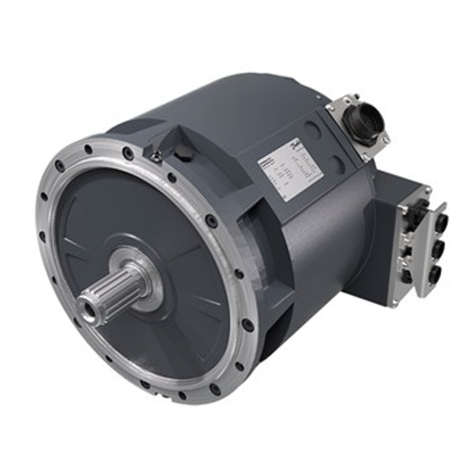
This manual is the installation, operation and maintenance manual for the EM-PME375-T150

and
EM-PME375-T200

electric machines.
Copyright
Danfoss Oy. All rights reserved.

No parts of this manual may be reproduced or transmitted in any form or by any means, electrical
or mechanical including photocopying, recording or by an information storage or retrieval system,
without permission in writing from the publisher.
All specications and contents of this manual are subject to change without notice.
Intended use of the manual
This manual contains instructions necessary to safely and properly handle, install, operate and
maintain the electric machine. They should be brought to the attention of anyone who installs,
operates or maintains the machine or associated equipment.
All of the safety warnings and instructions in this book must be followed to prevent injury to
personnel or damage to property . Only qualied and authorized personnel, familiar with health
and safety requirements and national legislation, shall be permitted to handle, install, operate and
maintain the device.
This manual must be kept for future reference during installation, operation and maintenance.

This manual uses illustrations as examples only. Illustrations in this manual may not necessarily
reect all system features.
Product naming convention
In this user guide,

EM-PME

family permanent magnet motors and generators are referred to as the
electric machine.
Frame model indicates dimensions and electrical characteristics of the electric machine. The
following naming convention is used to refer to the electric machine frame model:

EM-PME375-T150-XXXX+XX
EM-PME375-T200-XXXX+XX
Table 1. The naming

codes of the electric machine
Part of
the
name Meaning
EM Electric Machine
PMIXXX
or
PMEXXX
Permanent Magnet Internal and a number relative to the

diameter

of the electric machine, or
Permanent Magnet External and a number relative to

diameter of the electric machine
TXXXX Average continuous torque of the motor range, relative to the lenght of the machine
XXXX Rated rotation speed
+XX Options, see option table

below.
The power input of the electrical

machine

requires a

three phase power system.
The electric machine can include some of the options available. The options of the electric
machine are shown also

in the rating plate, following the frame model code. Note! Only options
that differ from the standard delivery are indicated. Following options are used, see Table

below.
For detailed information of the models, options and characteristics, see product data sheets.
EM-PME375
1. General information
| BC265857345808en-000101
©
Danfoss | Produced By: Danfoss Power Solutions | July 2019 | 3
Conformity according to standards
The electric machine as partly completed machinery is in conformity with the following other
directive(s), harmonized standard(s) or other normative document(s), provided it/they are used in
accordance with our instructions. As partly completed machinery the product itself does not have
declaration of conformity but instead declaration of incorporation. This partly completed
machinery must not be used before the nal machinery into which it is to be incorporated has
been declared in conformity with the Machinery Directive and other relevant directives.
Table 2. Applicable Directives and standards
Standard Explanation
Low Voltage Directive 2006/95/EC
(until 19.4.2016) and

Low Voltage
Directive 2014/35/EC (from
20.4.2016 onwards)
Electrical equipment means any equipment designed for use with a
voltage rating of between 50 and 1000 V for alternating current.
This

electric machine

is

subject to the Low Voltage Directive
2006/95/EC or 2014/35/EC.
Machinery Directive 2006/42/EC This electric machine is partly subject to the Machinery Directive
2006/42/EC and it is considered as partly completed machinery, as a
part of the nal machinery.
IEC 60034-1:2010 Rotating electrical machines - Part 1: Rating and performance
IEC 60034-5:2001/A1:2007 Rotating electrical machines - Part 5: Degrees of protection provided
by the integral design of rotating electrical machines (IP code) -
Classication
IEC 60034-6:1993 Rotating electrical machines - Part 6: Methods of cooling
IEC 60034-7:1993 Rotating electrical machines - Part 7: Classication of types of
construction, mounting arrangements and connection box position
(IM Code)
IEC 60034-8:2007/A1:2014 Rotating electrical machines - Part 8: Terminal markings and direction
of rotation
IEC 60034-14:2004/A1:2007 Amendment 1 - Rotating electrical machines - Part 14: Mechanical
vibration of certain machines with shaft heights 56 mm and higher -
Measurement, evaluation and limits of vibration severity.
Warranty
Danfoss offers warranty against defects in workmanship and materials for its products for a period
of twelve (12) months from commissioning or eighteen months (18) from delivery (Incoterms-
EXW), whichever occurs rst.
In order for the warranty to be valid, the customer must follow the requirements of this and all
related documents, especially those set out in the product installation and maintenance, as well as
the applicable standards and regulations in force in each country.
Defects arising from the improper or negligent use, operation, and/or installation of the
equipment, non-execution of regular preventive maintenance, as well as defects resulting from
external factors or equipment and components not supplied/recommended by Danfoss, will not
be covered by the warranty.
The warranty will not apply if the customer at its own discretion makes repairs and/or
modications to the equipment without prior written consent from Danfoss.

EM-PME375
1. General information
4 |
©
Danfoss | Produced By: Danfoss Power Solutions | July 2019 | BC265857345808en-000101
Terms and abbreviations
The

symbols, terms and abbreviations in the Tables below are possibly used in this manual.
Table 3. Symbols
Symbol Variable Unit
U
Rated voltage (phase to phase AC) Vrms
I
Rated current (AC) Arms
P
Rated Power (S9) kW
T
Rated torque (S9) at rated speed Nm
T
max Maximum torque Nm
n
Rated speed rpm
Max n
Maximum speed rpm
f
Rated supply frequency at nominal speed Hz
PF
Power factor (cos
φ
)
Q
c Rated coolant liquid ow l/min
T
c Rated coolant liquid input temperature °C
T
amb Rated ambient temperature °C
RES_COS
Cosine signal received from the resolver deg
RES_SIN
Sinusoidal signal received from the machine resolver deg
GND
Ground in electrical connections
Ω
(Ohm)
Resistance
Ω
Table 4. Term / abbreviation
Term/
Abbreviation Explanation
Resolver Rotation meter in electric machines, used for measuring degrees of rotation
AC Alternating current
DC Direct current
PMSM Permanent Magnet Synchronous Machine
SRPM Syncronous Reluctance assisted Permanent Magnet
S1 Duty type according to the IEC60034;

Continuous running duty
S9 Duty type

according to the IEC60034; Duty with non-periodic load and speed
variations
Trademarks
All trademarks in this material are property of the respective companies. Danfoss and the Danfoss
logotype are trademarks of Danfoss A/S. All rights reserved.
EM-PME375
1. General information
| BC265857345808en-000101
©
Danfoss | Produced By: Danfoss Power Solutions | July 2019 | 5
Responsibility of the manufacturer
Danfoss

is responsible for the safety, reliability and performance of the electric machine

only if:
Handling, mounting, installation, operation and maintenance are done by qualied and
authorized

personnel.
The installation of the system complies with the requirements of the appropriate regulations.
The electric machine

is used in accordance with the instructions in this manual.
The electric machine

is installed, maintained and serviced in accordance with the instructions
in this manual.
EM-PME375
1. General information
6 |
©
Danfoss | Produced By: Danfoss Power Solutions | July 2019 | BC265857345808en-000101
General safety statement
The electric machine

is intended for use as a component for industrial and commercial
installations. The end product containing the electric machine

must conform with all related
regulations.
The use of the electric machine

is prohibited in hazardous areas unless it is expressly designed
for such use.
The electric machine

is intended for installation, use and maintenance by qualied personnel,
familiar with health and safety requirements and national legislation. Ignoring these
instructions may invalidate all applicable warranties.
These instructions must be followed to make sure of safe and correct

installation, operation
and maintenance of the electric machine. They should be brought to the attention of anyone
who installs, operates or maintains the electric machine

or associated equipment.
High voltage and rotating parts can cause serious or fatal injuries. For electric machine

covered
by this manual, it is important to observe safety precautions to protect personnel from
possible injury.
Safety message signal words
Safety message signal words indicate the severity of a potential hazard.
DANGER
Indicates an imminently hazardous situation which, if not avoided, will result in death or
serious injury.
WARNING
Indicates a potentially hazardous situation which, if not avoided, could result in death
or serious injury.
CAUTION
Indicates a potentially hazardous situation which, if not avoided, may result in minor or
moderate injury. CAUTION may also alert against unsafe practices.
NOTICE
Indicates a potentially hazardous situation which, if not avoided, could result in property
damage.
Safety symbols
The following safety- and information related symbols appear in this manual and on the electric
machine.
Danger
This symbol is is identied by a yellow background, red octagonal band and a black STOP text. It indicates a hazardous situation
that causes severe injury or death. Action indicated by this symbol may not be executed.
General warning
This symbol is identied by a yellow background, black triangular band, and a black exclamation point symbol. It indicates a
general potentially hazardous situation.
Electric shock warning
The symbol is identied by a yellow background, black triangular band, and a black arrowhead symbol. It indicates dangerous
electrical voltage that could cause an electric shock to a person.
Burn warning
The symbol is identied by a yellow background, black triangular band, and a black wavy lines- symbol. It indicates a hot device
that could cause burns to a person.
Magnet warning
The symbol is identied by a yellow background, black triangular band, and a black magnet symbol. It indicates strong magnetic
eld that could cause harm to a person or property.
EM-PME375
2. Safety information
| BC265857345808en-000101
©
Danfoss | Produced By: Danfoss Power Solutions | July 2019 | 7
Rotating rotor

warning
The symbol is identied by a yellow background, black triangular band, and a black rotating rotor

symbol. It indicates strong
rotating rotor that could cause harm to a person or property.
General Information
Read the instructions in the manual
Personal protective equipment
Personal protective equipment shall be used when necessary during handling, installation and
maintenance of the electric machine to avoid injury.
Use eye protective equipment like safety goggles or mask when you work

with the electric device.

Permanent damage to the eye
could be caused if bearing grease, melted nitrile rubber (radial lip seal), glycol or other uids splash.
Use hearing protective equipment when you work

on the electric machine.

Hearing injuries can

be caused by too loud noise
(noise in excess of 85 dBA).
Use head protective equipment like helmet when you lift

the electric machine! Head injuries can

be caused by object impact.
Use cut resistant gloves when you

handle

and maintain

the electric machine.

There is a risk of cut injuries.
Use protective footwear when you lift

or move

the electric machine! Foot injuries could be caused if lifting system or lifting
brackets fail.
Security features
The electric machines have at least three PT100 temperature sensors in the windings. The amount
of the sensors depend on the options chosen. The temperature signal(s) can be read out from the
measurement connector of the electric machine. You can connect the temperature signal to the
temperature surveillance pin in the inverter (EC-C) and make sure that the inverter has the
machine temperature protection feature activated.
Electromagnetic compatibility (EMC)
When interfacing other equipment, connect only equipment that are specied as part of the system and that
are

compatible.
Magnetic and electromagnetic elds generated near the current-carrying conductors and permanent magnets in electric
machines represent a health danger to persons with heart pacemakers, metal implants and hearing aids
.
Persons with a
heart pacemaker, metal implants or hearing aids must consult a doctor before they enter the following areas:
Areas in which electric equipment and parts are operated
Areas in which electric equipment with permanent magnets are stored, mounted, operated or repaired
If necessary, perform a special electromagnetic compatibility (EMC) test on the installation
.
EM-PME375
2. Safety information
8 |
©
Danfoss | Produced By: Danfoss Power Solutions | July 2019 | BC265857345808en-000101
EMC stands for Electromagnetic compatibility. It is the ability of electric equipment to operate
without problems within an electromagnetic environment. Likewise, the equipment must not
disturb or interfere with any other product or system within its locality. This is a legal requirement
for all equipment taken into service within the European Economic Area (EEA).
Our products are designed with high standards of EMC in mind. Connect the power lines and
groundings along the instructions in this manual to achieve the required level of EMI

protection.
It is the responsibility of the installer to ensure that the equipment or system into which the
product is incorporated complies with the EMC legislation of the country of use. Within the
European Union, equipment into which this product is incorporated must comply with the EMC
Directive 2004/108/EC.
EM-PME375
2. Safety information
| BC265857345808en-000101
©
Danfoss | Produced By: Danfoss Power Solutions | July 2019 | 9