manuals.online logo
Brands
  1. Home
  2. •
  3. Brands
  4. •
  5. Decagon Devices
  6. •
  7. Measuring Instrument
  8. •
  9. Decagon Devices SC-1 User manual

Decagon Devices SC-1 User manual

Other manuals for SC-1

2

Other Decagon Devices Measuring Instrument manuals

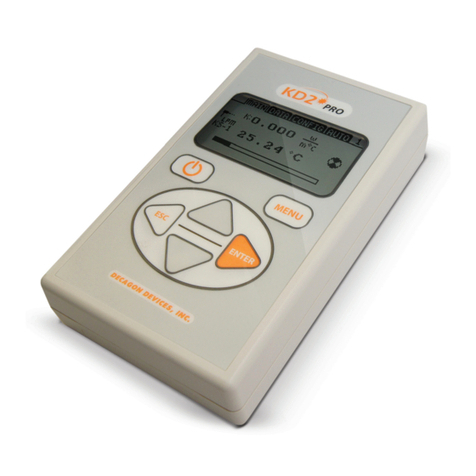
Decagon Devices KD2 Pro User manual

Decagon Devices

Decagon Devices KD2 Pro User manual

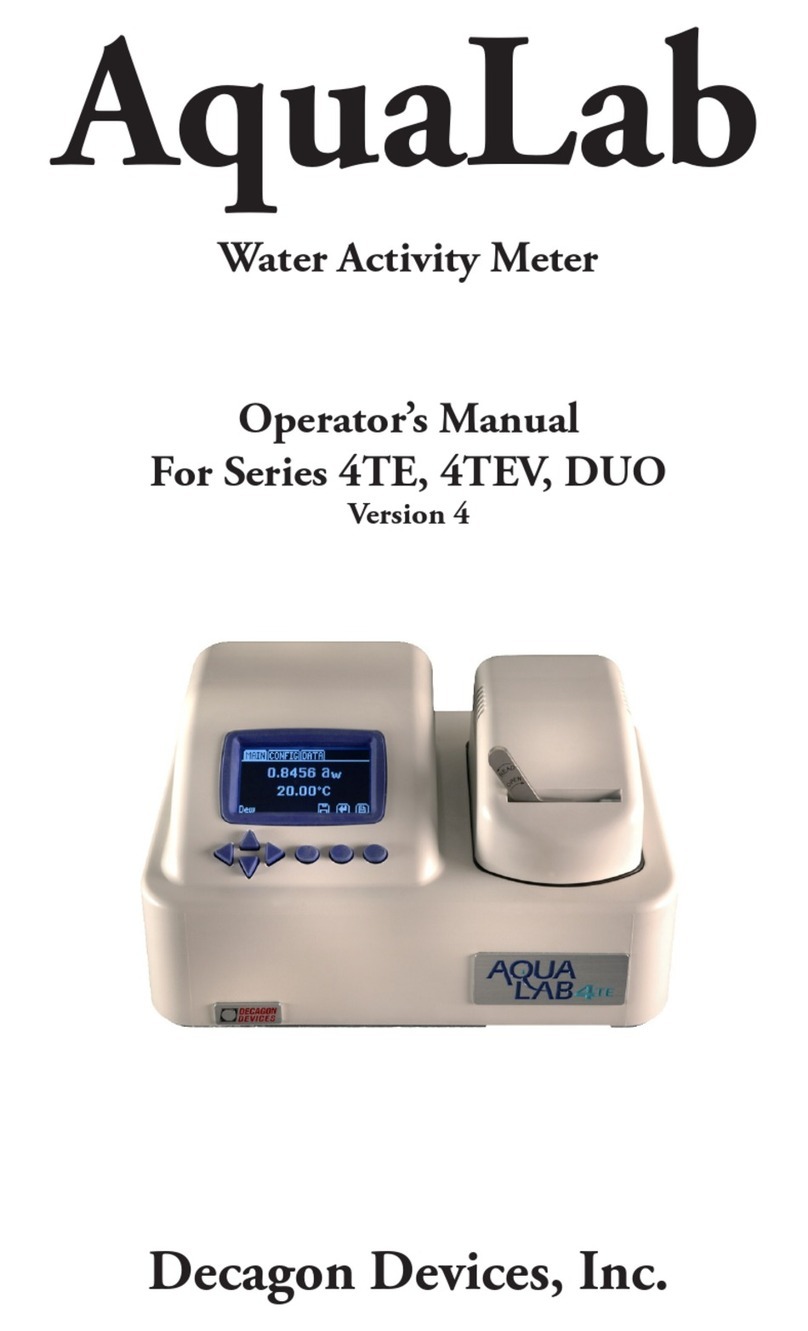
Decagon Devices AquaLab 4TE User manual

Decagon Devices

Decagon Devices AquaLab 4TE User manual

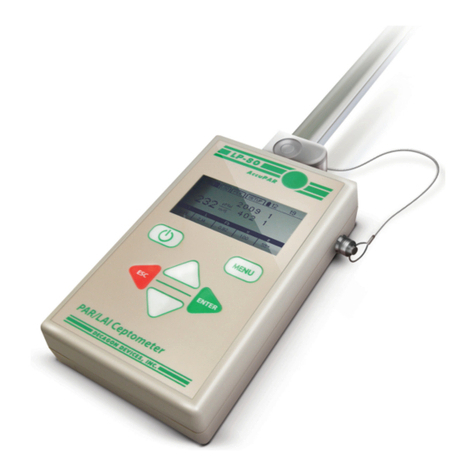
Decagon Devices AccuPAR LP-80 User manual

Decagon Devices

Decagon Devices AccuPAR LP-80 User manual

Decagon Devices WP4C User manual

Decagon Devices

Decagon Devices WP4C User manual

Decagon Devices AquaLab 4TE User manual

Decagon Devices

Decagon Devices AquaLab 4TE User manual

Decagon Devices AccuPAR LP-80 User manual

Decagon Devices

Decagon Devices AccuPAR LP-80 User manual

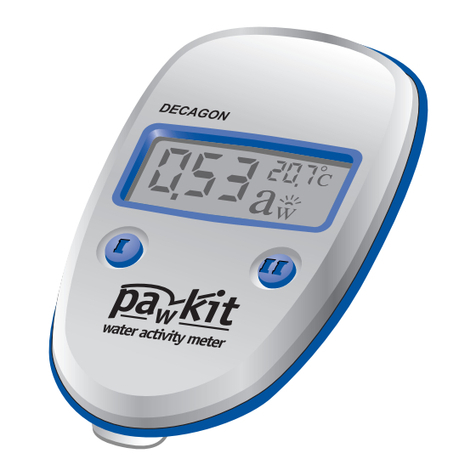
Decagon Devices Pawkit User manual

Decagon Devices

Decagon Devices Pawkit User manual

Decagon Devices AquaLab 4TE User manual

Decagon Devices

Decagon Devices AquaLab 4TE User manual

Decagon Devices SC-1 User manual

Decagon Devices

Decagon Devices SC-1 User manual

Decagon Devices KD2 Pro User manual

Decagon Devices

Decagon Devices KD2 Pro User manual

Decagon Devices SC-1 User manual

Decagon Devices

Decagon Devices SC-1 User manual

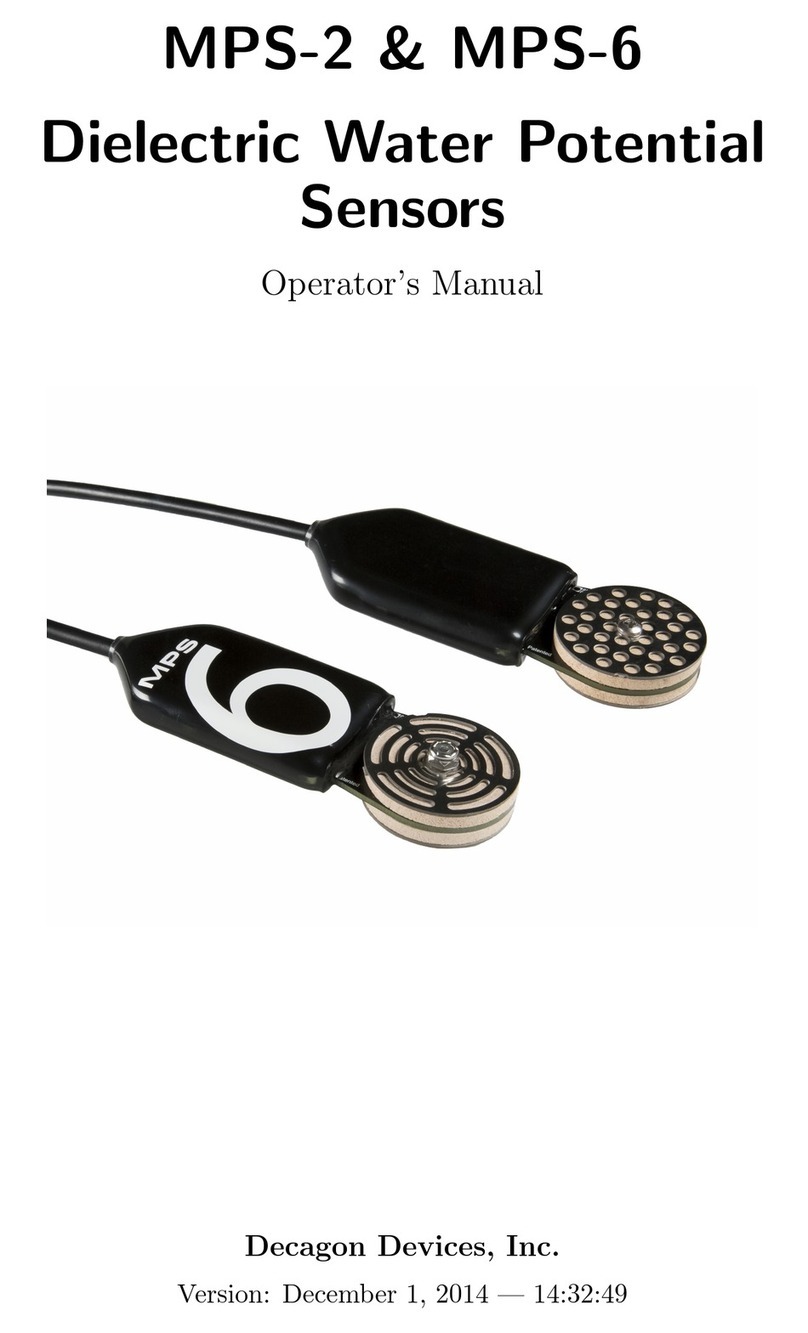
Decagon Devices MPS-2 User manual

Decagon Devices

Decagon Devices MPS-2 User manual

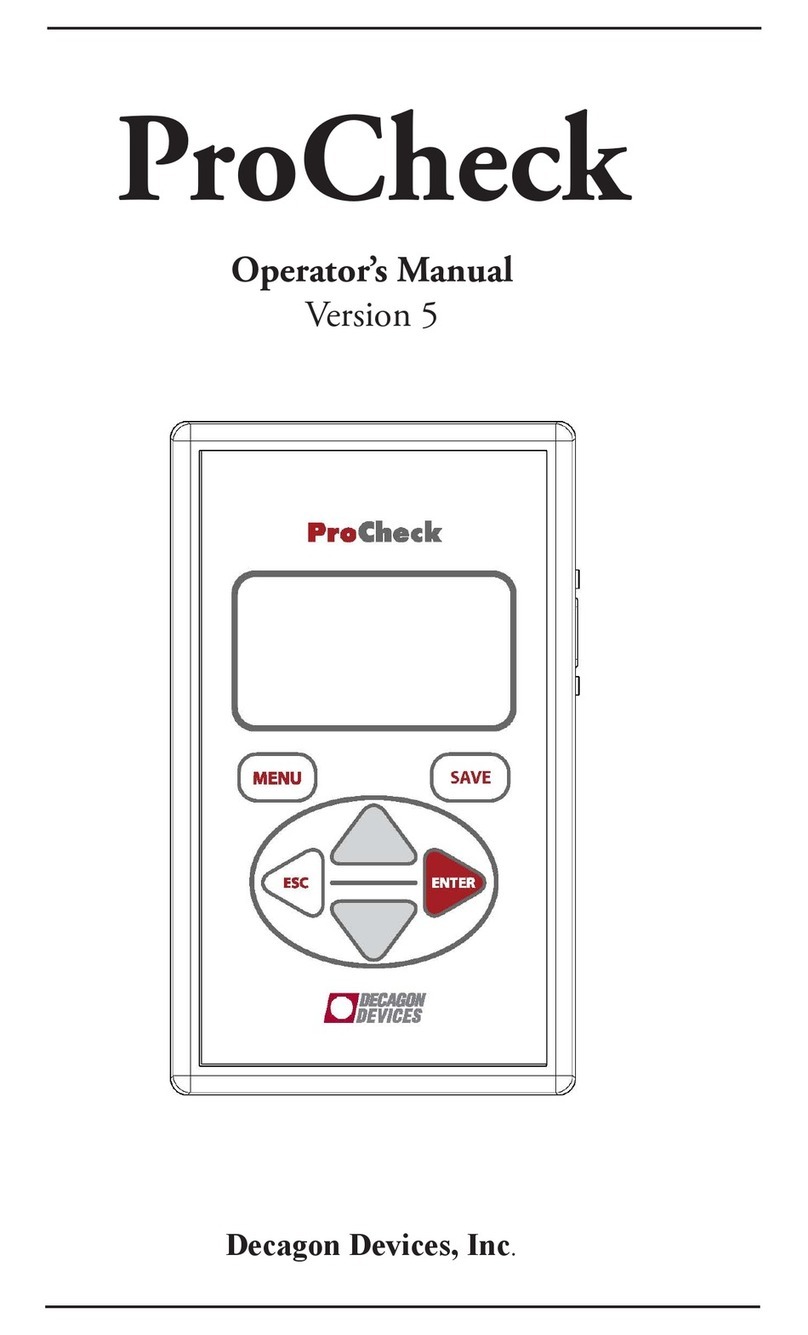
Decagon Devices ProCheck User manual

Decagon Devices

Decagon Devices ProCheck User manual

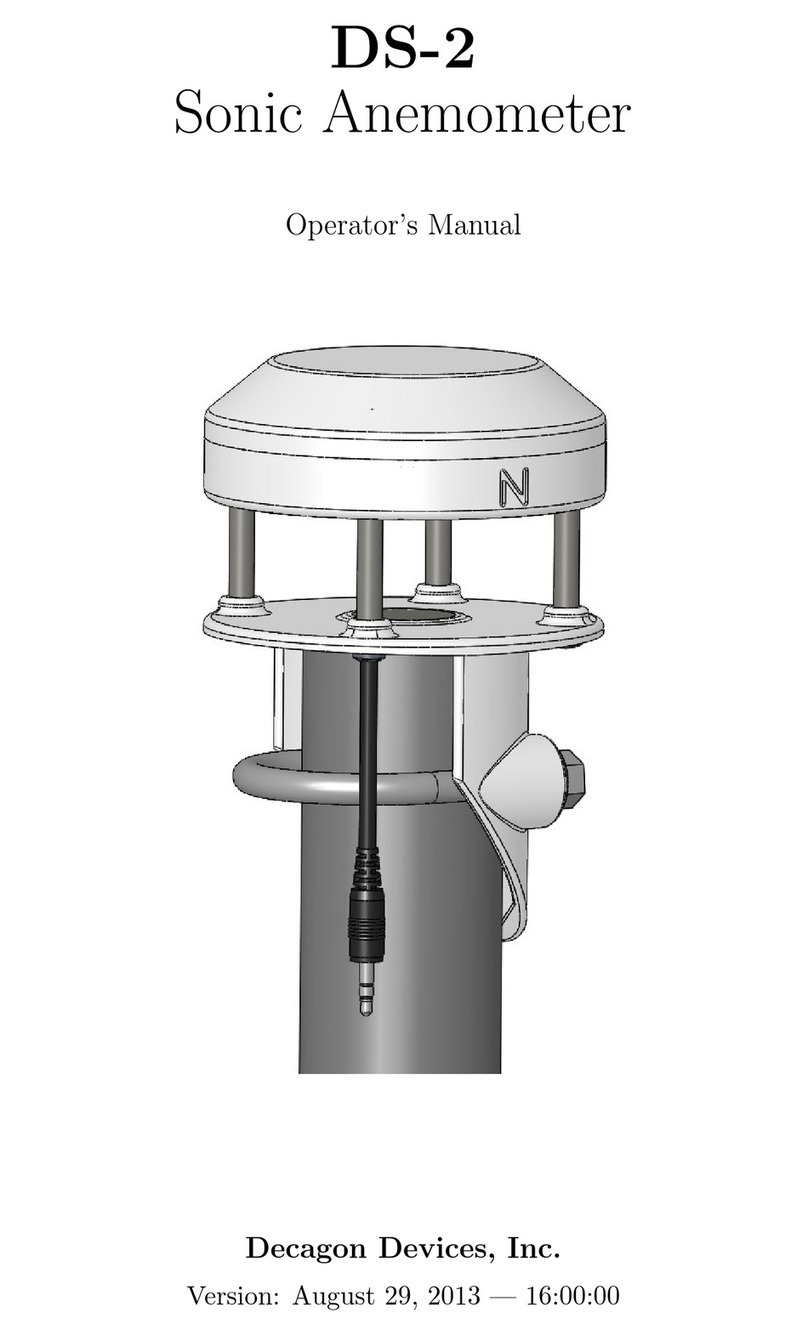
Decagon Devices DS-2 User manual

Decagon Devices

Decagon Devices DS-2 User manual

Popular Measuring Instrument manuals by other brands

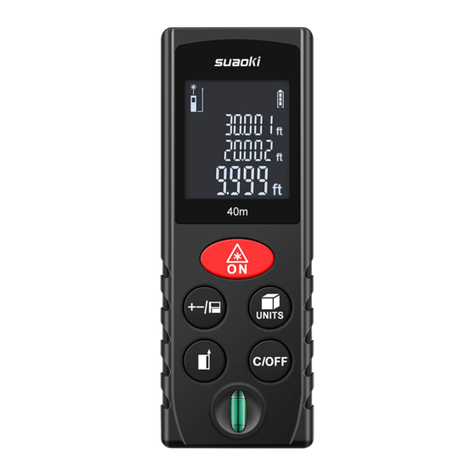
Suaoki D40 user manual

Suaoki

Suaoki D40 user manual

Elster BK-G1.6 operating instructions

Elster

Elster BK-G1.6 operating instructions

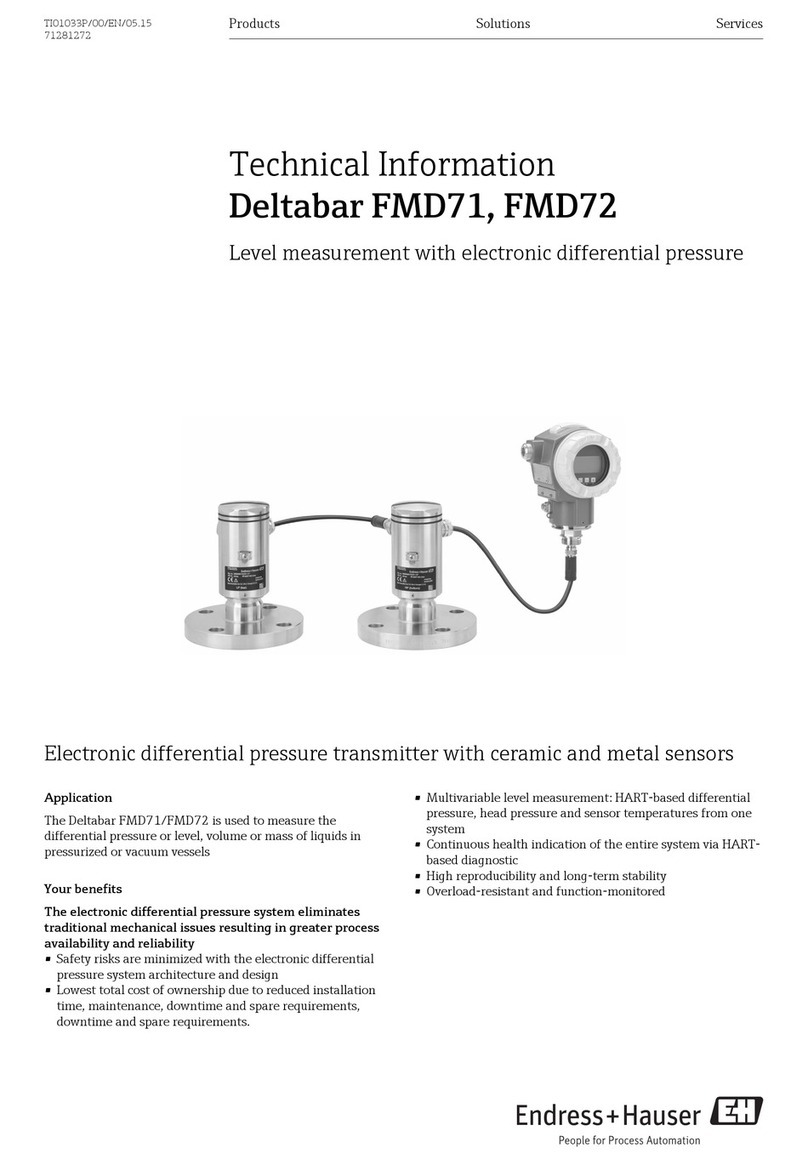
Endress+Hauser Deltabar FMD71 technical information

Endress+Hauser

Endress+Hauser Deltabar FMD71 technical information

Duratool D03128 manual

Duratool

Duratool D03128 manual

Vega VEGAPULS 65 Quick setup guide

Vega

Vega VEGAPULS 65 Quick setup guide

Tonghui TH2618B Operation manual

Tonghui

Tonghui TH2618B Operation manual

Tenmars TM-801 user manual

Tenmars

Tenmars TM-801 user manual

MSR 145 user manual

MSR

MSR 145 user manual

TPS WP-82 manual

TPS

TPS WP-82 manual

PCB Piezotronics 003C30 Installation and operating manual

PCB Piezotronics

PCB Piezotronics 003C30 Installation and operating manual

Tenma 72-10465 manual

Tenma

Tenma 72-10465 manual

Endress+Hauser Proline Promag 50 Brief operating instructions

Endress+Hauser

Endress+Hauser Proline Promag 50 Brief operating instructions

Siemens SITRANS F Coriolis FCT030 Function manual

Siemens

Siemens SITRANS F Coriolis FCT030 Function manual

KLINGER CMF V Series instruction manual

KLINGER

KLINGER CMF V Series instruction manual

Keysight M8290A Getting started guide

Keysight

Keysight M8290A Getting started guide

Acterna MS1400 Operation manual

Acterna

Acterna MS1400 Operation manual

R&S ZPH manual

R&S

R&S ZPH manual

Datacolor ColorReader DC10-2 user guide

Datacolor

Datacolor ColorReader DC10-2 user guide

manuals.online logo
manuals.online logoBrands
  • About & Mission
  • Contact us
  • Privacy Policy
  • Terms and Conditions

Copyright 2025 Manuals.Online. All Rights Reserved.

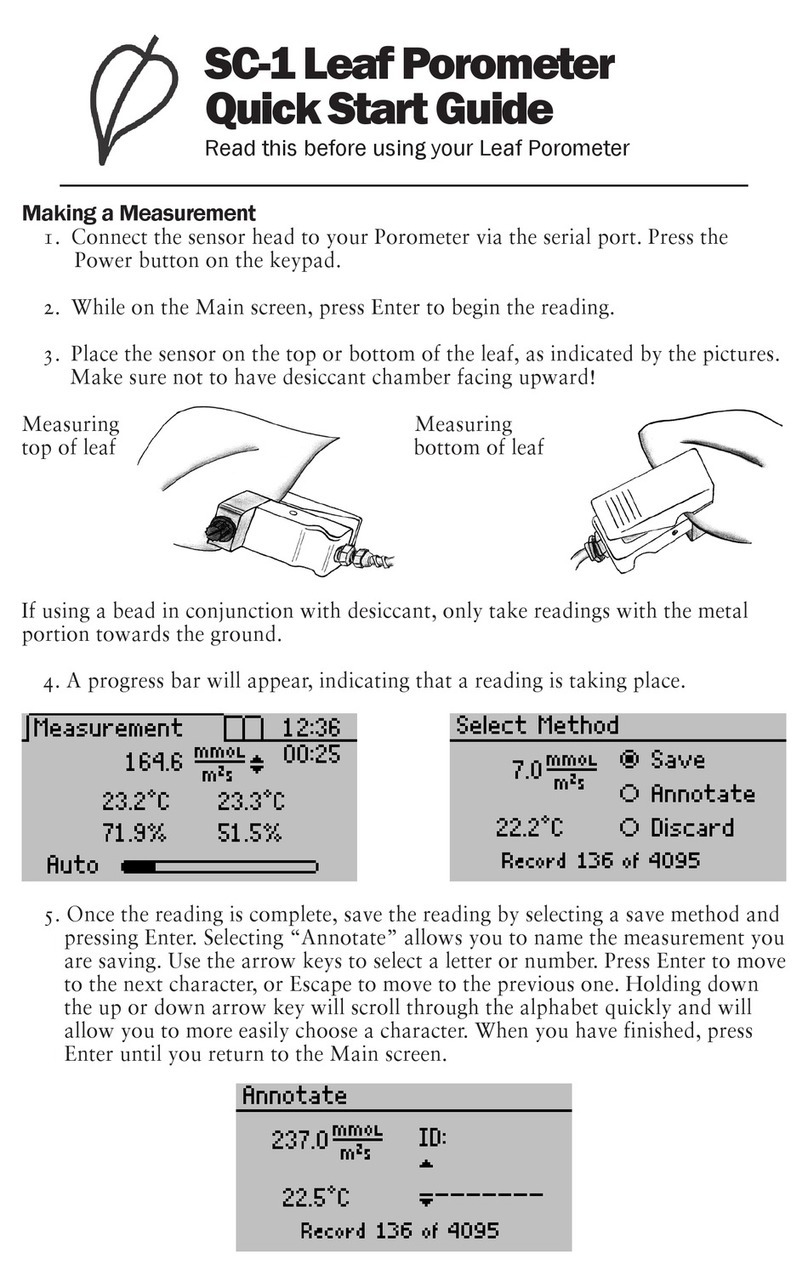
Making a Measurement
1. Connect the sensor head to your Porometer via the serial port. Press the
Power button on the keypad.
2. While on the Main screen, press Enter to begin the reading.
3. Place the sensor on the top or bottom of the leaf, as indicated by the pictures.
Make sure not to have desiccant chamber facing upward!
Measuring Measuring
top of leaf bottom of leaf
If using a bead in conjunction with desiccant, only take readings with the metal
portion towards the ground.
4. A progress bar will appear, indicating that a reading is taking place.
5. Once the reading is complete, save the reading by selecting a save method and
pressing Enter. Selecting “Annotate” allows you to name the measurement you
are saving. Use the arrow keys to select a letter or number. Press Enter to move
to the next character, or Escape to move to the previous one. Holding down
the up or down arrow key will scroll through the alphabet quickly and will
allow you to more easily choose a character. When you have finished, press
Enter until you return to the Main screen.
SC-1 Leaf Porometer
Quick Start Guide
Read this before using your Leaf Porometer
Making a Measurement
1. Connect the sensor head to your Porometer via the serial port. Press the
Power button on the keypad.
2. While on the Main screen, press Enter to begin the reading.
3. Place the sensor on the top or bottom of the leaf, as indicated by the pictures.
Make sure not to have desiccant chamber facing upward!
Measuring Measuring
top of leaf bottom of leaf
If using a bead in conjunction with desiccant, only take readings with the metal
portion towards the ground.
4. A progress bar will appear, indicating that a reading is taking place.
5. Once the reading is complete, save the reading by selecting a save method and
pressing Enter. Selecting “Annotate” allows you to name the measurement you
are saving. Use the arrow keys to select a letter or number. Press Enter to move
to the next character, or Escape to move to the previous one. Holding down
the up or down arrow key will scroll through the alphabet quickly and will
allow you to more easily choose a character. When you have finished, press
Enter until you return to the Main screen.
SC-1 Leaf Porometer
Quick Start Guide
Read this before using your Leaf Porometer
Modes
Use Auto or Manual mode to take readings, based on your leaf’s
stomatal conductance:
• Auto mode is for conductances between 5 to 1000 mmol/m2s and should
be used in almost every case.
• Manual mode is for conductances lower than 100 mmol/m2s and should
be only used in special cases.
Go to the Configuration menu to change the mode.
Troubleshooting
1. If the following screen appears when a sensor is placed on the leaf, leave the
sensor closed and shake the sensor in a vertical motion to use the bead to mix
the air until the bar drops below the equilibrium marker. Do not blow into the
sensor; this can cause inaccurate readings when the measurement begins.
2. If you begin a reading in Auto mode, and nothing happens, this means that
your initial stomatal conductance is lower than 5 mmol/m2s. This is the
minimum limit for taking readings in Auto mode.
Cautions
• Avoid leaves that are wet or heavy with dew; never take readings
in rain.
• It is recommended that desiccant is always used for taking
measurements.
• Never blow into the sensor.
• When taking measurements with the bead in place, be sure the
desiccant cap is facing downward.
• Clean the sensor periodically with a dry swab to keep it free of
dirt and pollen that can build up during use and affect readings.
• Avoid chemical fumes, which can be extremely harmful to the
sensor (i.e. alcohol, gasoline, foam). Consult the manual for more
information.
Decagon Devices, Inc.
2365 NE Hopkins CT
Pullman, WA 99163 USA
www.decagon.com
©2015 All Rights Reserved
10243 | 19-01-15

Modes
Use Auto or Manual mode to take readings, based on your leaf’s
stomatal conductance:
• Auto mode is for conductances between 5 to 1000 mmol/m2s and should
be used in almost every case.
• Manual mode is for conductances lower than 100 mmol/m2s and should
be only used in special cases.
Go to the Configuration menu to change the mode.
Troubleshooting
1. If the following screen appears when a sensor is placed on the leaf, leave the
sensor closed and shake the sensor in a vertical motion to use the bead to mix
the air until the bar drops below the equilibrium marker. Do not blow into the
sensor; this can cause inaccurate readings when the measurement begins.
2. If you begin a reading in Auto mode, and nothing happens, this means that
your initial stomatal conductance is lower than 5 mmol/m2s. This is the
minimum limit for taking readings in Auto mode.
Cautions
• Avoid leaves that are wet or heavy with dew; never take readings
in rain.
• It is recommended that desiccant is always used for taking
measurements.
• Never blow into the sensor.
• When taking measurements with the bead in place, be sure the
desiccant cap is facing downward.
• Clean the sensor periodically with a dry swab to keep it free of
dirt and pollen that can build up during use and affect readings.
• Avoid chemical fumes, which can be extremely harmful to the
sensor (i.e. alcohol, gasoline, foam). Consult the manual for more
information.
Decagon Devices, Inc.
2365 NE Hopkins CT
Pullman, WA 99163 USA
www.decagon.com
©2015 All Rights Reserved
10243 | 19-01-15