manuals.online logo
Brands
  1. Home
  2. •
  3. Brands
  4. •
  5. Elmo
  6. •
  7. Security Camera
  8. •
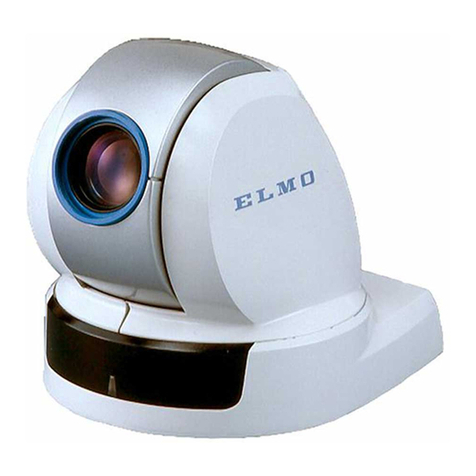
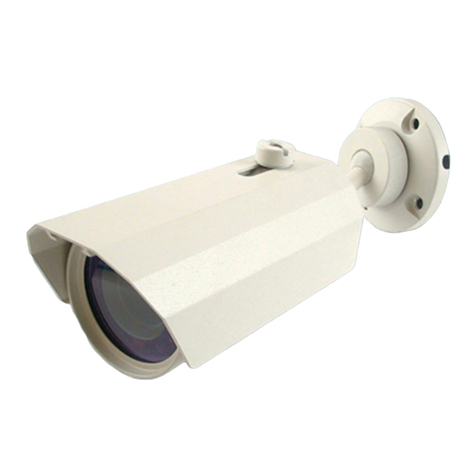
  9. Elmo QNW4000 User manual

Elmo QNW4000 User manual

Other manuals for QNW4000

2

Other Elmo Security Camera manuals

Elmo QP49H User manual

Elmo

Elmo QP49H User manual

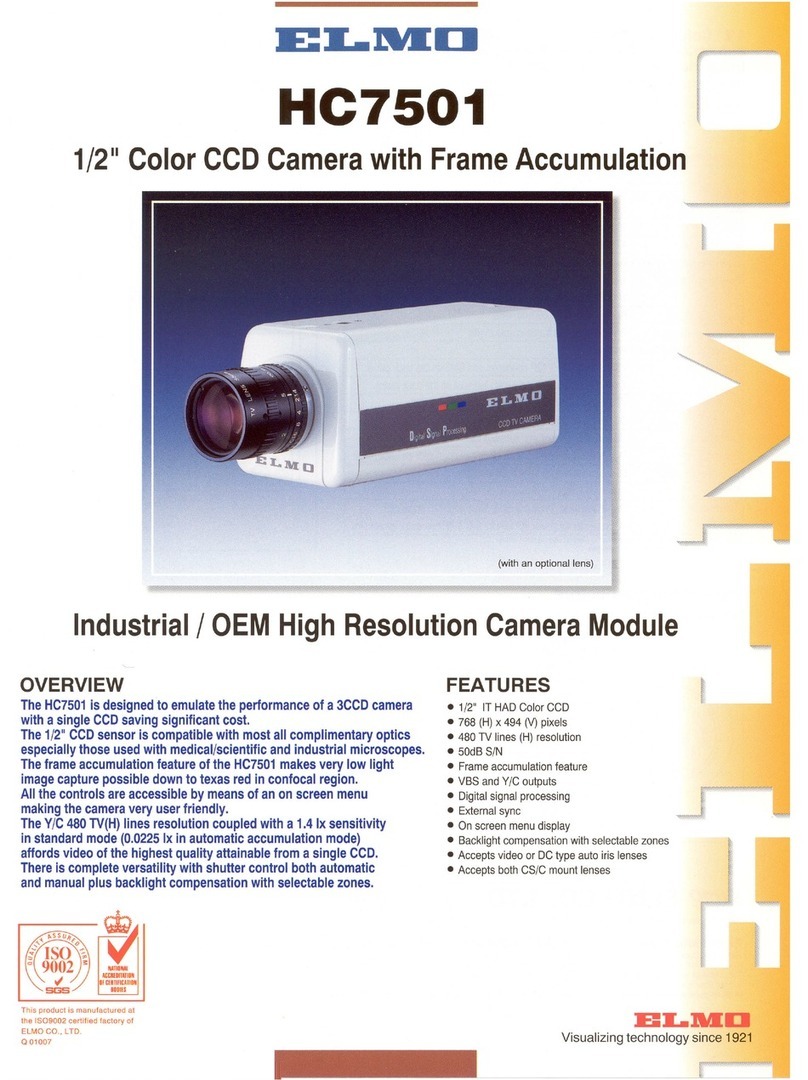
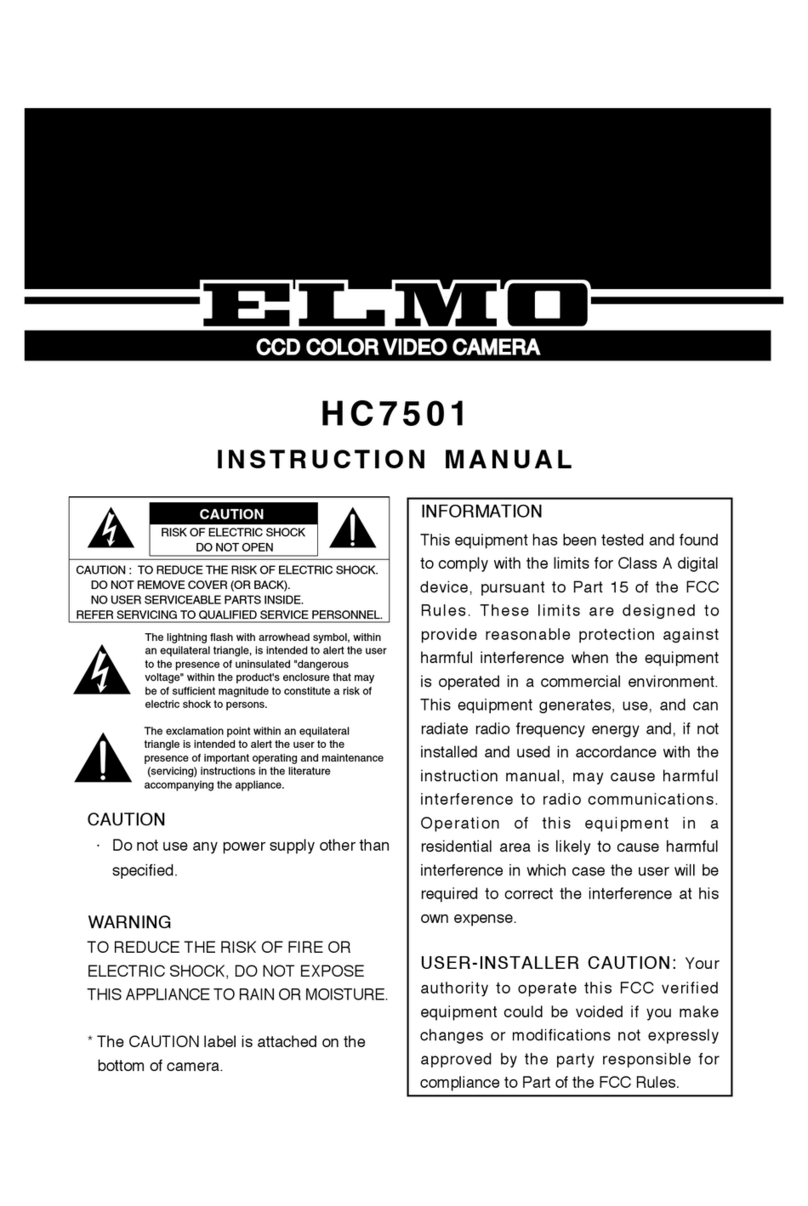
Elmo HC7501 User manual

Elmo

Elmo HC7501 User manual

Elmo Dome Camera TND4104X User manual

Elmo

Elmo Dome Camera TND4104X User manual

Elmo PTC-400C User manual

Elmo

Elmo PTC-400C User manual

Elmo PTC-201CIP User manual

Elmo

Elmo PTC-201CIP User manual

Elmo Dome Camera TND4004 User manual

Elmo

Elmo Dome Camera TND4004 User manual

Elmo HC7001 User manual

Elmo

Elmo HC7001 User manual

Elmo ESD-300DR User manual

Elmo

Elmo ESD-300DR User manual

Elmo SE420 User manual

Elmo

Elmo SE420 User manual

Elmo TSE270X User manual

Elmo

Elmo TSE270X User manual

Elmo Vandal Resistant Dome Camera TND4204VX User manual

Elmo

Elmo Vandal Resistant Dome Camera TND4204VX User manual

Elmo MN400 User manual

Elmo

Elmo MN400 User manual

Elmo ESD-370 User manual

Elmo

Elmo ESD-370 User manual

Elmo One-Piece Color Video Micro Camera MN30 User manual

Elmo

Elmo One-Piece Color Video Micro Camera MN30 User manual

Elmo QNW4000 User manual

Elmo

Elmo QNW4000 User manual

Elmo Vandal Resistant Dome Camera TND4204VX User manual

Elmo

Elmo Vandal Resistant Dome Camera TND4204VX User manual

Elmo TSN280D User manual

Elmo

Elmo TSN280D User manual

Elmo TSE400 User manual

Elmo

Elmo TSE400 User manual

Elmo UN411E User manual

Elmo

Elmo UN411E User manual

Elmo Dome Camera TND4004 User manual

Elmo

Elmo Dome Camera TND4004 User manual

Elmo BUTP200 User manual

Elmo

Elmo BUTP200 User manual

Elmo TSN420D User manual

Elmo

Elmo TSN420D User manual

Elmo PTC-200C User manual

Elmo

Elmo PTC-200C User manual

Elmo Dome Camera TND4104X User manual

Elmo

Elmo Dome Camera TND4104X User manual

Popular Security Camera manuals by other brands

ADEMCO RapidDome Owners Operating & Installation Guide

ADEMCO

ADEMCO RapidDome Owners Operating & Installation Guide

EverFocus EBA2880 user manual

EverFocus

EverFocus EBA2880 user manual

Honeywell OptiCAM-IR Installation and setup guide

Honeywell

Honeywell OptiCAM-IR Installation and setup guide

Uniq UC-600 user manual

Uniq

Uniq UC-600 user manual

OPTICOM NVD-120-S datasheet

OPTICOM

OPTICOM NVD-120-S datasheet

Steren CCTV-221 instruction manual

Steren

Steren CCTV-221 instruction manual

Arm Electronics C420BCDNVFIR Features

Arm Electronics

Arm Electronics C420BCDNVFIR Features

Eneo PLD-2036PTZ installation guide

Eneo

Eneo PLD-2036PTZ installation guide

Axis AXIS M20 Series installation guide

Axis

Axis AXIS M20 Series installation guide

Panasonic KX-HCM230 operating instructions

Panasonic

Panasonic KX-HCM230 operating instructions

COP-USA CC15NV-SL Specifications

COP-USA

COP-USA CC15NV-SL Specifications

Active Silicon HARRIER H.264 quick start guide

Active Silicon

Active Silicon HARRIER H.264 quick start guide

Motorola Avigilon 1.3C-H5SL-BO1-IR installation guide

Motorola

Motorola Avigilon 1.3C-H5SL-BO1-IR installation guide

INSTEON 2864-232 user manual

INSTEON

INSTEON 2864-232 user manual

Wisenet XNB-6002 quick start guide

Wisenet

Wisenet XNB-6002 quick start guide

Axis M5525-E user manual

Axis

Axis M5525-E user manual

Vitek VTC-IR62NZ922 user guide

Vitek

Vitek VTC-IR62NZ922 user guide

Panasonic WV-SF342 Specifications

Panasonic

Panasonic WV-SF342 Specifications

manuals.online logo
manuals.online logoBrands
  • About & Mission
  • Contact us
  • Privacy Policy
  • Terms and Conditions

Copyright 2025 Manuals.Online. All Rights Reserved.

QNW4000
INSTRUCTION MANUAL
The exclamation point within an equilateral
triangle is intended to alert the user to the
presence of important operating and maintenance
(servicing) instructions in the literature
accompanying the appliance.
CAUTION
CAUTI N : T REDUCE THE RISK F ELECTRIC SH CK.
D N T REM VE C VER ( R BACK).
N USER SERVICEABLE PARTS INSIDE.
REFER SERVICING T QUALIFIED SERVICE PERS NNEL.
RISK F ELECTRIC SH CK
D N T PEN
The lightning flash with arrowhead symbol, within
an equilateral triangle, is intended to alert the user
to the presence of uninsulated "dangerous
voltage" within the product's enclosure that may
be of sufficient magnitude to constitute a risk of
electric shock to persons.
CAUTI N
.Do not use any power supply other than
specified.
WARNING
T REDUCE THE RISK F FIRE R
ELECTRIC SH CK, D N T EXP SE
THIS APPLIANCE T RAIN R M ISTURE.
* The CAUTI N label is attached on the
bottom of camera.
INF RMATI N
This equipment has been tested and found
to comply with the limits for Class A digital
device, pursuant to Part 15 of the FCC
Rules. These limits are designed to
provide reasonable protection against
harmful interference when the equipment
is operated in a commercial environment.
This equipment generates, use, and can
radiate radio frequency energy and, if not
installed and used in accordance with the
instruction manual, may cause harmful
interference to radio communications.
peration of this equipment in a
residential area is likely to cause harmful
interference in which case the user will be
required to correct the interference at his
own expense.
USER-INSTALLER CAUTI N: Your
authority to operate this FCC verified
equipment could be voided if you make
changes or modifications not expressly
approved by the party responsible for
compliance to Part of the FCC Rules.

- 1 -
1. Read these instructions.
2. Keep these instructions.
3. Heed all warnings.
4. Follow all instructions.
5. Do not use this apparatus near water.
6. Clean only with dry cloth.
. Do not block any ventilation openings, install in accordance with the manufacture's
instructions.
8. Do not install near heat sources such a radiators, heat registers, stoves or other
apparatus (including amplifiers) that produce heat.
9. Only use attachment/accessories specified by the manufacturer.
10.Unplug this apparatus during lighting storms or when unused for long periods of
time.
11.Refer all servicing to qualified personnel. Servicing is required when the apparatus
has been damaged in any way, such as power-supply cord or plug is damaged,
liquid has been spilled or objects have been fallen onto the apparatus, the apparatus
has been exposed to rain or moisture, does not operate normally, or has been
dropped.
IMPORTANT SAFETY INSTRUCTIONS
- 2 -
Caution:
- Do not install this camera at sea, at coast or in coastal area or at any corrosive
gas generating place.
- Since it is not of totally weatherproof specifications, do not install this camera at
any weather-beaten place.
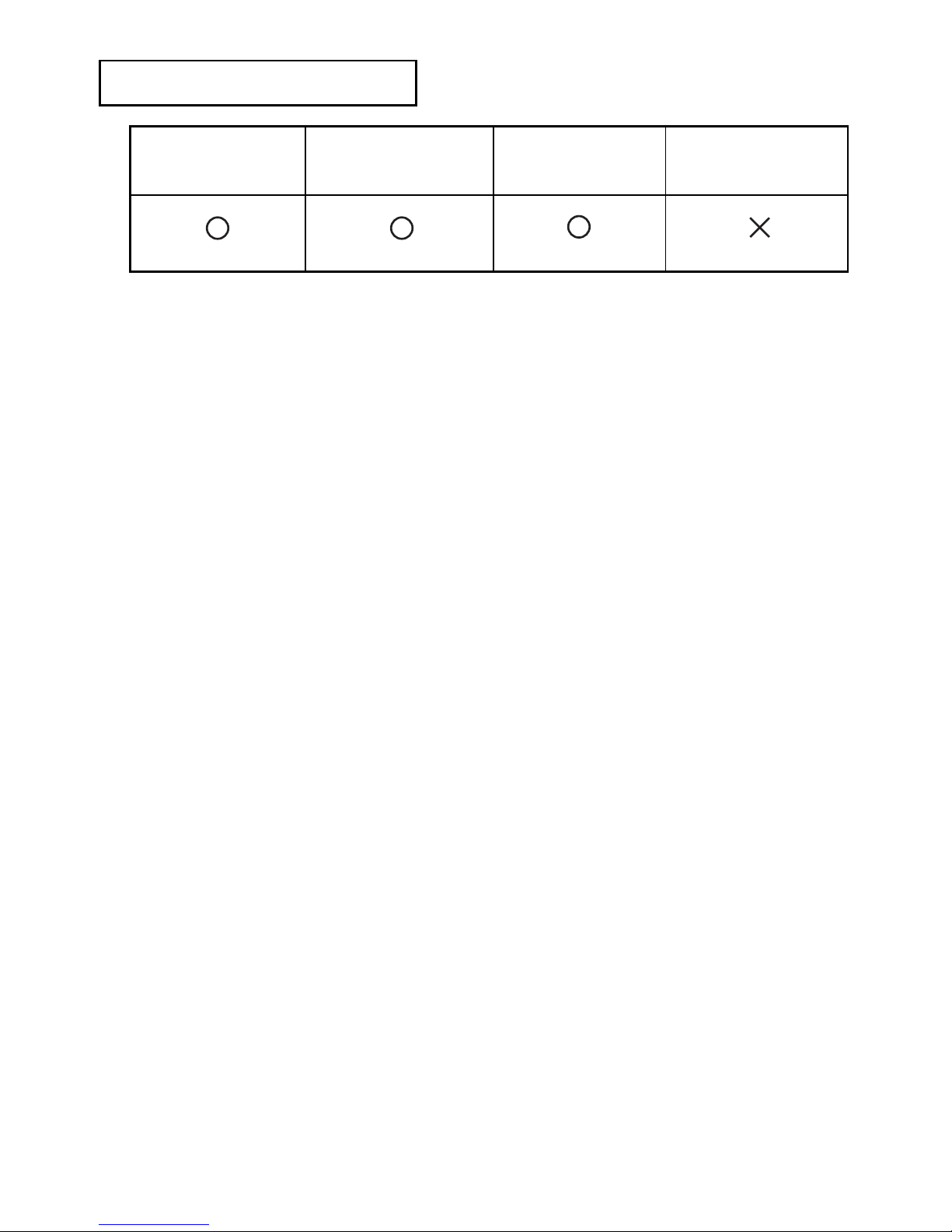
When it is used ounted with the shade for outdoor use (SS-20), the weatherproof
specifications eet the require ents of IP54 (Confor able to IEC/EN 60529).
This ca era ay be installed outdoors but with restrictions; do not install this
ca era at any place open to gusty wind and rain as seen in typhoon (e.g., high steel
tower), to snow (e.g., cold district), to water spray (e.g., coast or coastal area), or to
water (e.g., under the water).
For further infor ation of installation place, consult our dealer.
Indoor utdoor but under
roof or eaves utdoor not under
roof or eaves Height or blowing
place like steel tower
(Shading cover required)
Housing Protection
- 3 -
PART NAMES AND FUNCTIONS
Front glass
Tripod fixing tapped holes (1/4-20UNC)
These tapped holes are used to fix the camera on the tripod and mount the shade (optional) on
the camera.
The tapped holes for fixing the tripod are provided at 2 locations in the top and bottom surface
of the camera. Each tapped hole is 5mm deep.
Weatherproof cap
84 (3.3) 45 (1.8)
14 (0.6)
230 (9.1)
84 (3.3 )
75 (3.0)
84 (3.3) 45 (1.8)
14 (0.6)
All dimensions in mm (inch)
- 4 -
INT/LL switch
INT (internal) control switch
When the internal synchronization is used, set the switch to the INT side.
LL (Line-Lock) control switch
Matching the vertical synchronization with the power frequency is called the line-lock.
When two or more cameras are switched by the video switcher to a monitor TV, the vertical
sync. phase can be locked with the power frequency, and a stable vertical sync. is obtained
without being disturbed at the time of switching.
Line-lock is operative only when the AC 24V power supply is connected.
Caution:
1.The camera is synchronized to the power frequency of 60Hz 0.5Hz covering a
normal fluctuation of the power frequency. The camera may not compensate for
large fluctuation caused by power generated by an engine generator. etc.
2.It takes about 10 seconds or more to obtain a stable synchronization after the
power is turned on. This is necessary to stabilize the camera against the power
noise.
BLC (Back Light Control) switch
In case the back lighting is too bright to shoot the main object clearly, set this switch to ON
position.
- 5 -
SENS-UP switch
To increase the sensitivity, set this switch to ON position.
DAY/NIGHT switch
When the DAY/NIGHT function is used, this switch is turned ON. (See P. 9.)
Camera output terminal
This is an image output terminal. When the camera direction, the field angle or the focal point is
adjusted, a monitor TV or other type display is connected to this terminal.
When a monitor TV is connected to this terminal, remove the 2P connector beforehand.
Level adjusting volume
This volume is used to adjust the brightness of the image. If the lens iris is not appropriate,
adjust the iris with this level adjusting volume.
Vertical sync. phase adjustment potentiometer
Vertical sync. phase adjusting potentiometer is set at the position fully that the delay time of
vertical sync. phase against the phase of power frequency is shortest, when shipped from the
factory.
Select this up ( ) and down ( ) button will make the delay time of vertical sync. phase
against the phase of power frequency longer.
Use the function control potentiometer if the picture image on a monitor TV may flow
when using the camera in combination with other camera(s) controlled by the Line-Lock
synchronization.
In this case, get a proper image by shifting the phase of vertical sync. signal of the camera
against that of the other. If a proper image cannot be obtained even after this adjustment, reset
the potentiometer to its original position, and use the function control potentiometer of the
other camera to shift the phase of vertical sync. signal of other camera.
Caution:
Before making adjustment, make sure that cameras have their power supplies
connected with the same polarity. (not 180 apart)
- 6 -
Coaxial core clamp
This clamp fixes the cores of the coaxial cable.
Coaxial cable clamp
This clamp fixes the sheath of the coaxial cable.
Ground terminal
This is a supplementary ground terminal.
AC power terminal
Connect this to the AC24V 60Hz power supply.
Earth terminal
Connect this to the ground wire of the power supply cord.
- 7 -
1. Remove the rear cover, the GND cable, and the two 2P connectors.
2. Connect the coaxial cable and the power cable.
After connecting the power cable on the terminal block, be sure to mount the protective cover.
Caution:
Fasten the weatherproof cap firmly, and make sure that the cable is fixed
completely. If the cap is not fastened firmly, water leak may be caused.
(The appropriate tightening torque: 4.0~4.5N.m)
When connecting the coaxial cable, be sure to remove the 2P connectors.
3. Connect the two 2P connectors and the GND cable.
After connecting the connectors and the cable, mount the rear cover.
Caution:
The rear cover has a weatherproof seal. Before mounting the rear cover, make
sure that the seal is set in the groove in the rear cover. If the setting of the seal is
not sufficient, water leak may be caused.
When mounting the rear cover, be careful not to pinch the two 2P connectors or
the GND cable.
Be sure to connect the ground wire of the power cable to the earth terminal .
Do not use the power cable of flat type, which does not fit
the weatherproof cap.
For the power cable, use one attached with a force-fit
terminal.
If the force-fit portion of the force-fit terminal is protruded
from the terminal block, insulate the force-fit portion.
Coaxial cable clamp
Weatherproof cap
Coaxial cable
Rear cover
Seal
GND cable
Terminal block
(with protective cover)
2P connector 2P connector
Applicable cable diameter:
5.0~10.0mm
Power cable
Coaxial core clamp
HOW TO CONNECT
5.7
force-fit terminal
force-fit portion
Power cable (GND)
- 8 -
1. Built-in Lens
This camera is built in with a dedicated varifocal lens.
F: 1.4 f: 2.8mm~5.8mm
2. Lens adjustment
Adjust the field angle of the lens with the zoom ring, and set the focus with the focus ring.
After setting, lock the lens firmly with the focus ring locking knob and the zoom ring locking
knob. (Factory setting: WIDE end / Infinite)
Adjust the iris volume, if necessary, to obtain the appropriate exposure. (See P.5 .)
Caution:
When adjusting the iris of the auto iris lens, open the iris fully in the circumstance
with sufficient light amount of the object beforehand. If the light amount of the
object is not sufficient, a malfunction may occur.
Zoom ring
Focus ring
Camera main unit
Front cover
Zoom ring locking knob
Focus ring locking knob
LENS
- 9 -
This camera is provided with Day/Night function that can detect the brightness of the objects and
automatically switch the color mode / black-and-white mode according to the detected brightness.
This function allows the output of ordinary colored images for the outdoor monitoring during
daylight and the output of black-and-white images for the night monitoring with a lack of sufficient
light volume. Therefore, even at night, this camera can provide monitoring through images with
little noise.
Furthermore, since this function raises the sensitivity in the infrared area, even a dark object can be
imaged more clearly at night when a commercially available infrared lamp is used together. To
make this function enabled, set the Day/Night switch on the rear panel to "ON."
When the Day/Night switch is set to "OFF," the camera operates as an ordinary color camera even
at night.
When the Day/Night switch is set to "ON" and the object becomes gradually brighter as the time
passes like dawn, it may take time to switch from the black-and-white mode to the color mode. As a
result, the image taken in the early morning may be in black and white. However, note that this is
not a malfunction.
The Day/Night function controls the mode switching between the color mode and the black-and-
white mode according to the signal level.
Since the signal level varies depending on the camera settings to shoot the object, the timing of
Day/Night switching varies accordingly.
When more than one screen is displayed by the controller or the like, the Day/Night mode may vary
depending on the camera shooting conditions even if the brightness is the same.
Day/Night FUNCTION