manuals.online logo
Brands
  1. Home
  2. •
  3. Brands
  4. •
  5. Fortinet
  6. •
  7. Network Hardware
  8. •
  9. Fortinet FortiMail-100 User manual

Fortinet FortiMail-100 User manual

Other manuals for FortiMail-100

3

Other Fortinet Network Hardware manuals

Fortinet FortiManager 200D User manual

Fortinet

Fortinet FortiManager 200D User manual

Fortinet FortiDDoS 3000F User manual

Fortinet

Fortinet FortiDDoS 3000F User manual

Fortinet FortiOS 3.0 Instruction Manual

Fortinet

Fortinet FortiOS 3.0 Instruction Manual

Fortinet FortiGate 100F Series User manual

Fortinet

Fortinet FortiGate 100F Series User manual

Fortinet FortiDDoS 2000F User manual

Fortinet

Fortinet FortiDDoS 2000F User manual

Fortinet FortiAnalyzer 800G User manual

Fortinet

Fortinet FortiAnalyzer 800G User manual

Fortinet FortiManager 3700G User manual

Fortinet

Fortinet FortiManager 3700G User manual

Fortinet FortiGate 400F Series User manual

Fortinet

Fortinet FortiGate 400F Series User manual

Fortinet FortiSIEM FSM-500G User manual

Fortinet

Fortinet FortiSIEM FSM-500G User manual

Fortinet FortiLog-800 User manual

Fortinet

Fortinet FortiLog-800 User manual

Fortinet FortiGate 30D User manual

Fortinet

Fortinet FortiGate 30D User manual

Fortinet FortiADC 2200F User manual

Fortinet

Fortinet FortiADC 2200F User manual

Fortinet FortiGate 600F Series User manual

Fortinet

Fortinet FortiGate 600F Series User manual

Fortinet FortiSwitch M426E-FPOE User manual

Fortinet

Fortinet FortiSwitch M426E-FPOE User manual

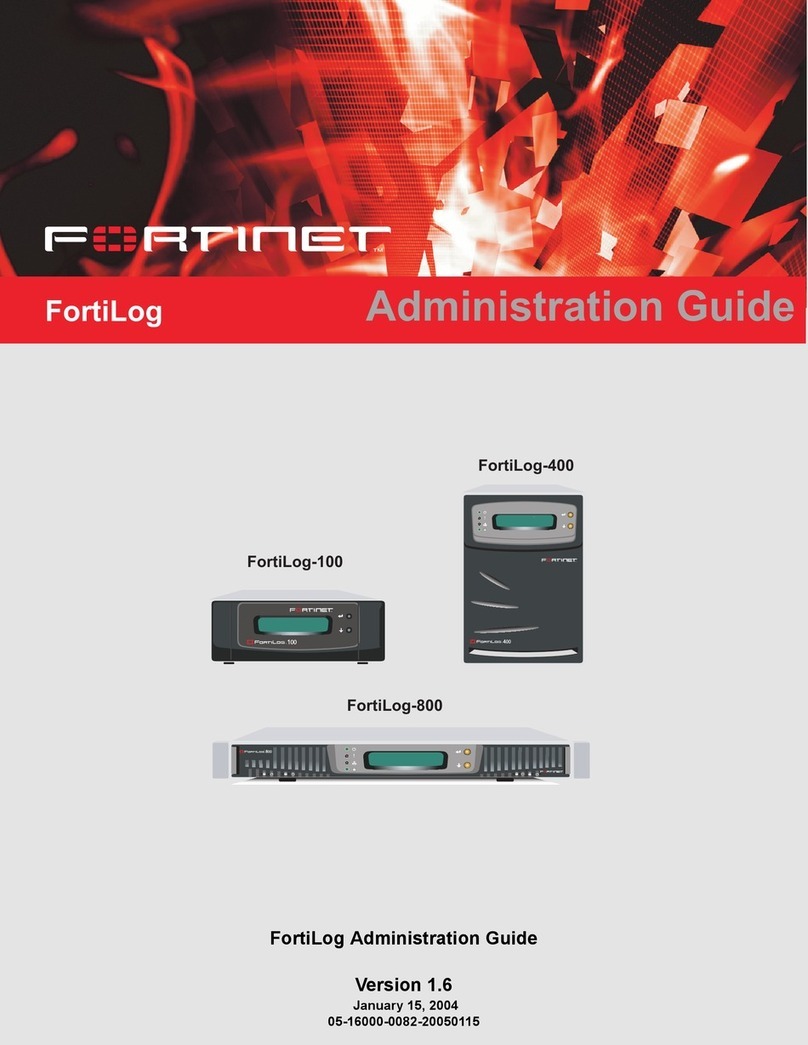
Fortinet FortiLog-100 Instruction Manual

Fortinet

Fortinet FortiLog-100 Instruction Manual

Fortinet FortiAuthenticator 3000F User manual

Fortinet

Fortinet FortiAuthenticator 3000F User manual

Fortinet FortiAnalyzer 400C User manual

Fortinet

Fortinet FortiAnalyzer 400C User manual

Fortinet Rugged 70F Series User manual

Fortinet

Fortinet Rugged 70F Series User manual

Fortinet FortiWeb High-End Series User manual

Fortinet

Fortinet FortiWeb High-End Series User manual

Fortinet FortiMail 2000F User manual

Fortinet

Fortinet FortiMail 2000F User manual

Fortinet FortiGate ASM-CE4 User manual

Fortinet

Fortinet FortiGate ASM-CE4 User manual

Fortinet FortiGate FortiGate-ASM-FB4 Instruction Manual

Fortinet

Fortinet FortiGate FortiGate-ASM-FB4 Instruction Manual

Fortinet FortiAP 234G User manual

Fortinet

Fortinet FortiAP 234G User manual

Fortinet FortiGate 4800F Series User manual

Fortinet

Fortinet FortiGate 4800F Series User manual

Popular Network Hardware manuals by other brands

socomec SNMP Card II quick start guide

socomec

socomec SNMP Card II quick start guide

NVR SYSTEMS 4-CH user manual

NVR SYSTEMS

NVR SYSTEMS 4-CH user manual

Draytek VigorSwitch G1240 quick start guide

Draytek

Draytek VigorSwitch G1240 quick start guide

Westermo TD-34 LV installation manual

Westermo

Westermo TD-34 LV installation manual

LaCie Network Space MAX Quick install guide

LaCie

LaCie Network Space MAX Quick install guide

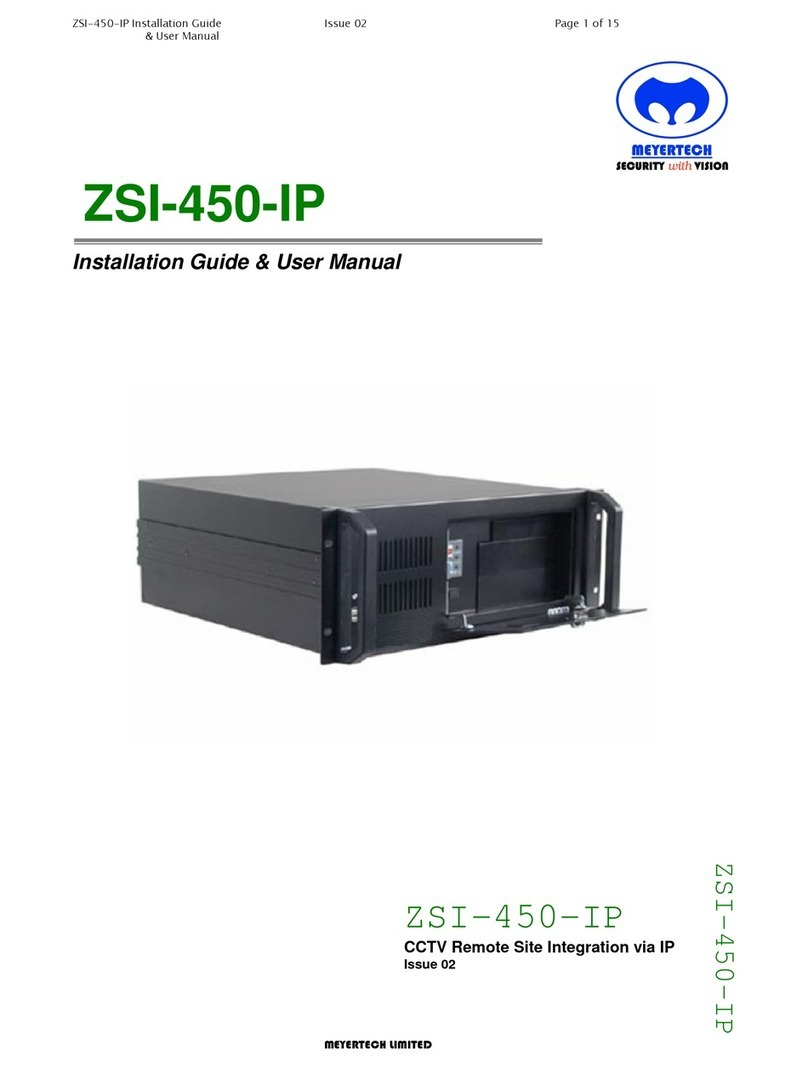
ZoneVu ZSI-450-IP Installation guide & user manual

ZoneVu

ZoneVu ZSI-450-IP Installation guide & user manual

QNAP Turbo NAS Application notes

QNAP

QNAP Turbo NAS Application notes

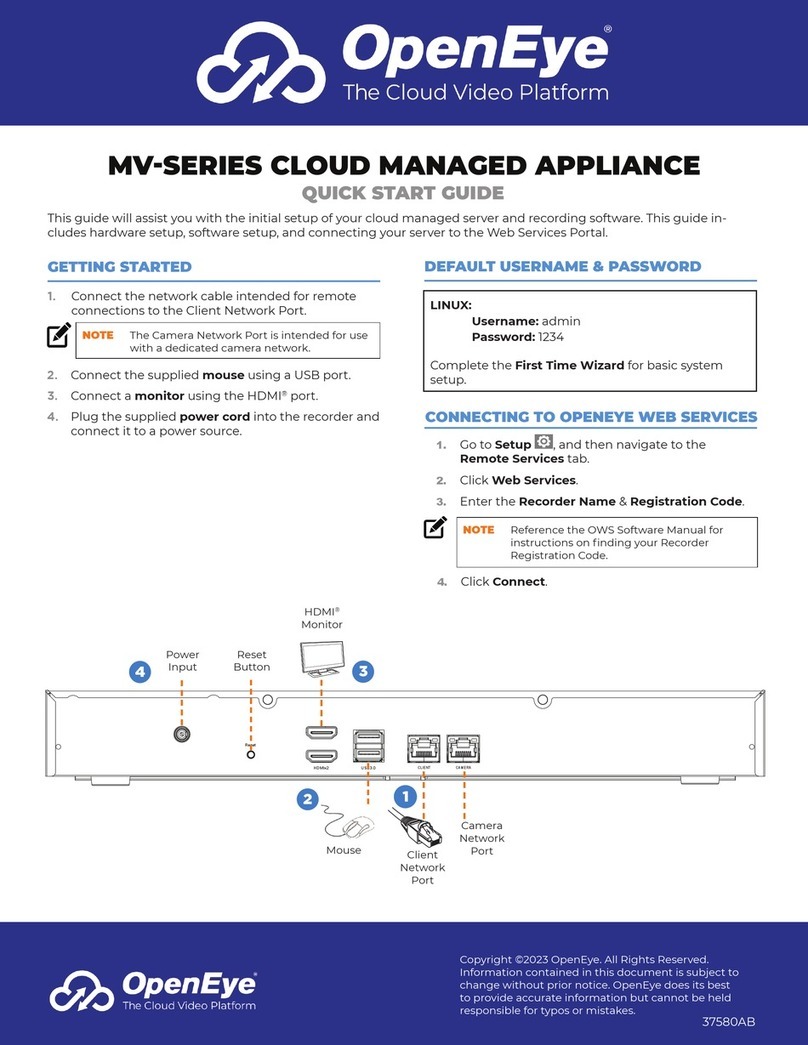
OpenEye MV Series quick start guide

OpenEye

OpenEye MV Series quick start guide

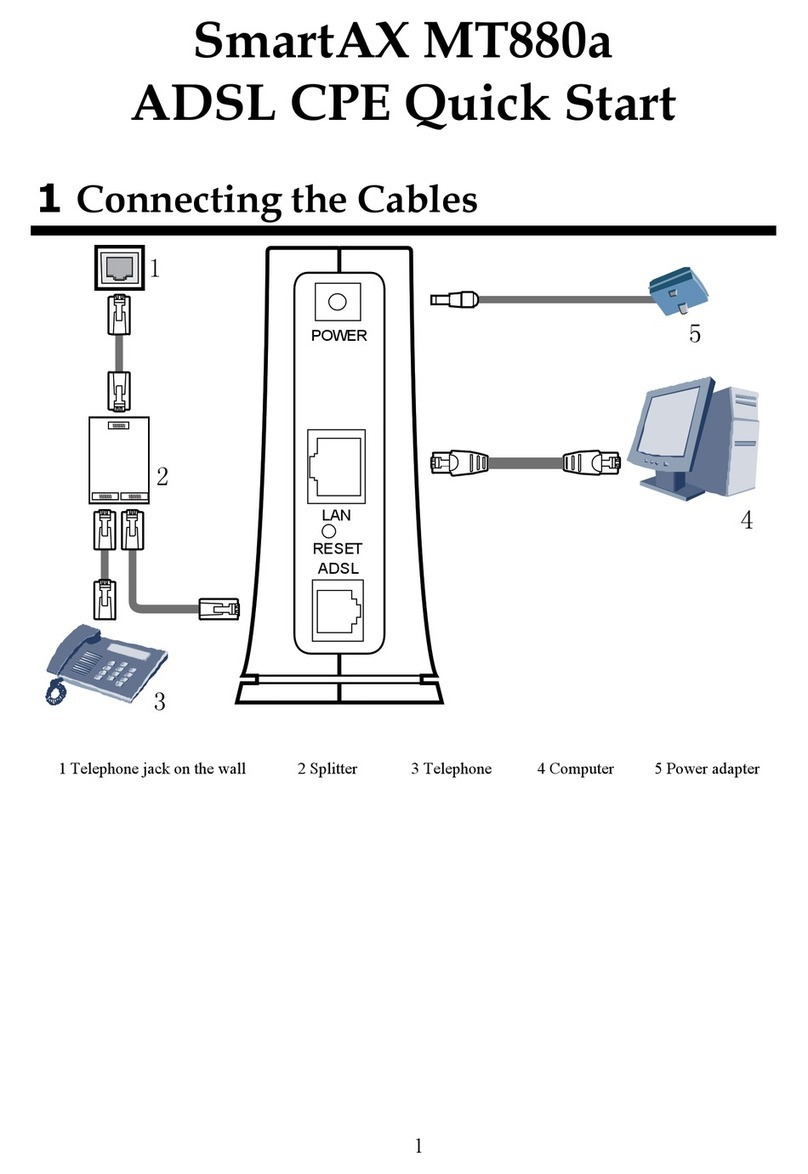
Huawei SmartAX MT880a quick start guide

Huawei

Huawei SmartAX MT880a quick start guide

Proxim Tsunami QuickBridge 2454-R installation guide

Proxim

Proxim Tsunami QuickBridge 2454-R installation guide

Bay Networks CLAM quick start guide

Bay Networks

Bay Networks CLAM quick start guide

Innodisk SATADOM-SH 3SE Series manual

Innodisk

Innodisk SATADOM-SH 3SE Series manual

Cisco CGR 1000 Series Getting connected guide

Cisco

Cisco CGR 1000 Series Getting connected guide

Matrix Switch Corporation MSC-HD161DEL product manual

Matrix Switch Corporation

Matrix Switch Corporation MSC-HD161DEL product manual

National Instruments NI 653x user manual

National Instruments

National Instruments NI 653x user manual

B&B Electronics ZXT9-IO-222R2 product manual

B&B Electronics

B&B Electronics ZXT9-IO-222R2 product manual

Yudor YDS-16 user manual

Yudor

Yudor YDS-16 user manual

D-Link ShareCenter DNS-320L datasheet

D-Link

D-Link ShareCenter DNS-320L datasheet

manuals.online logo
manuals.online logoBrands
  • About & Mission
  • Contact us
  • Privacy Policy
  • Terms and Conditions

Copyright 2025 Manuals.Online. All Rights Reserved.

POWER
STATUS
4321
LINK / ACT
10/100
Back
Internal Interface,
switch connectors
1,2,3,4
Power
Connection
USB
(future)
1234
DC+12V
USB
RS-232 Serial
Connection
Ethernet Cables:
Orange - Crossover
Grey - Straight-through
Null-Modem Cable
(RS-232) Documentation
Front
Power Cable Power Supply
Power LED
Status LED Interface
status LEDs
FortiGate- 30B
oolsand Documenation
Copyright2008 Fortinet Incorporated. All rights reserved.
Trademarks
Welcome|Bienvenue | Willkommen | ᱑ㄫ | Bienvenido | Benvenuto
1234
USB
CONSOLE
400B
QuickStart Guide
For more information
• Documentation CD: all major FortiMail documents
• Fortinet Technical Documentation: http://docs.fortinet.com
• Fortinet Knowledge Base: http://kb.fortinet.com
• Fortinet Technical Support: http://support.fortinet.com
• Fortinet Training Service: http://campus.training.fortinet.com
LED State Description
Power On The FortiMail unit is on.
Off The FortiMail unit is off.
Status On The FortiMail unit is running
normally.
100/1000 On Port connected at up to 100 Mbps.
Off Port connected at 10 Mbps.
Link Act
Flashing Network activities on the FortiMail
unit.
On Port connected.
© Copyright 2010 Fortinet Incorporated. All rights reserved.
Trademarks
Products mentioned in this document are trademarks or registered
trademarks of their respective holders.
Regulatory Compliance
FCC Class A Part 15, CE, and UL
Version 4.0
9 February 2010
http://www.fortinet.com
POWER
STATUS
4321
LINK / ACT
10/100
QuickStart Guide
FortiMail-100
Installation and configuration of the FortiMail unit involves the
following steps:
1. Place the unit on a stable surface.
2. Connecting the unit to the network. For details, see the
FortiMail Install Guide.
3. Powering up the unit. See instructions below.
4. Connecting to the web-based manager. See instructions
below.
5. Selecting an operation mode: Gateway, Transparent, or
Server. For details, see the FortiMail Install Guide.
6. Running the QuickStart wizard to configure the basic settings.
For details, see the FortiMail Install Guide.
7. For all other installation instructions, see the FortiMail Install
Guide on the documentation CD.
8. For all the configuration instructions, see the FortiMail
Administration Guide and the FortiMail online help.
9. If you want to use the CLI commands to configure the unit, see
the FortiMail CLI Reference on the documentation CD.
Connector Type Speed Protocol Description
Port 1 to 4 RJ-45 10/100Base-T Ethernet Connection to the network.
CONSOLE DB-9 9600 bps RS-232 serial Connection to the management computer.
Provides access to the command line interface (CLI).
Package Contents
Installation Overview
Collecting Information
Interface settings General settings
Factory default settings
Port 1: IP: ____.____.____.____
Netmask: ____.____.____.____
Port 2 IP: ____.____.____.____
Netmask: ____.____.____.____
Port 3: IP: ____.____.____.____
Netmask: ____.____.____.____
Port 4 IP: ____.____.____.____
Netmask: ____.____.____.____
Transparent
mode Management IP: ____.____.____.____
Administrator
password:
Network
Settings:
Default Gateway: ____.____.____.____
Primary DNS Server: ____.____.____.____
Secondary DNS Server: ____.____.____.____
Default mode Gateway mode
Administrator
account on Port 1
User name/
Password: admin/(No password)
Web-based
manager URL: https://192.168.1.99/admin
Management
Access HTTPS, Ping, SSH
Deploying the FortiMail unit
Now that the FortiMail unit is up and running, you can start to
deploy the unit into your network by configuring the system
settings and mail settings. The FortiMail Install Guide will help you
with this task.
Configuring the FortiMail unit
Then you can configure detailed antispam, antivirus, and logging
settings to protect your mail servers and users. For details, see
the FortiMail online help or the FortiMail Administration Guide on
the documentation CD.
The web-based manager has two display modes: Basic and
Advanced. The default mode when you first log on is Advanced.
You can switch between the two modes by clicking
Basic Mode >> or Advanced Mode >>.
In either mode, you can run the quick start configuration wizard to
configure the basic network and antispam settings. For detailed
information about the quick start wizard, see the FortiMail Install
Guide.
Configuration changes made with the web-based manager are
effective immediately.
The FortiMail unit has the operation mode: gateway, transparent,
and server. For details about operation modes and which mode
you should use, see the FortiMail Install Guide.
The default operation mode is gateway mode. You can change to
transparent mode or server mode after connecting to the unit.
Changing operation mode causes system reboot.
To connect to the web-based manager, you need:
• An Ethernet connection between the FortiMail unit and your
management computer.
• A web browser such as Firefox or Internet Explorer with Adobe
Flash Player 10 or greater plug-in.
To connect to the web-based manager for the first time
1. On your management computer, configure the Ethernet port
with the static IP address 192.168.1.2 and a netmask of
255.255.255.0.
2. Using the Ethernet cable, connect you computer’s Ethernet
port to the FortiMail unit’s port 1.
Use a cross-over Ethernet cable to connect the devices
directly. Use straight-through Ethernet cables to connect the
devices through a hub or switch.
3. Start your web browser and go to https://192.168.1.99/admin
(include the “s” in https:// and “/admin” after the IP address).
4. Type
admin
in the Name field and select Login.
5. Go to Monitor > System Status > Status (the dashboard) to
set the operation mode. The system will reboot.
6. Log on to the system again.
7. Click Quick Start Wizard to run the quick start configuration
wizard and follow the steps to configure the system’s basic
network and antispam settings.
You can use one of the following tools to configure the FortiMail unit. If you are connecting and using the unit for the first time, it is
recommended you use the web-based manager only, because it comes with a quick start configuration wizard which can guide you
through the initial setup.
• Web-based manager
The web-based manager is an easy-to-use management tool that you can access from a web browser.
• Command Line Interface (CLI)
The FortiMail unit has a console port and you can use a console cable to connect it directly to your management computer. For
information about CLI commands, see the FortiMail CLI Reference on the documentation CD.

Powering On
Next Steps
To power on the FortiMail unit
1. Ensure the unit is placed on a stable surface.
2. Ensure the power is not connection.
3. Connect the network cable to port 1.
4. Connect the power cable.
Straight-through Ethernet cable connects
to hub or switch on the network.
Power cable connects
to power supply.
1234
DC+12V
USB
Optional null modem cable connects to
serial port on management computer.
Using the web-based manager
Configuration Tool Overview