manuals.online logo
Brands
  1. Home
  2. •
  3. Brands
  4. •
  5. GE
  6. •
  7. Water Dispenser
  8. •
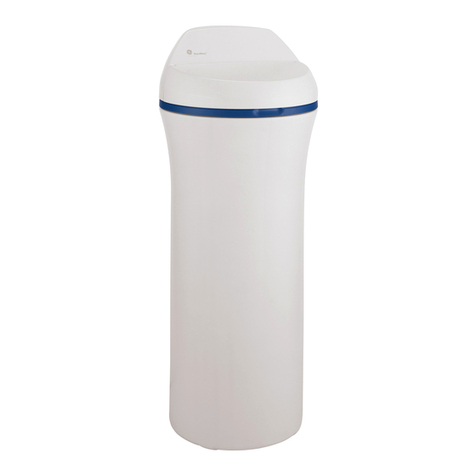
  9. GE GNPR40L Original instructions

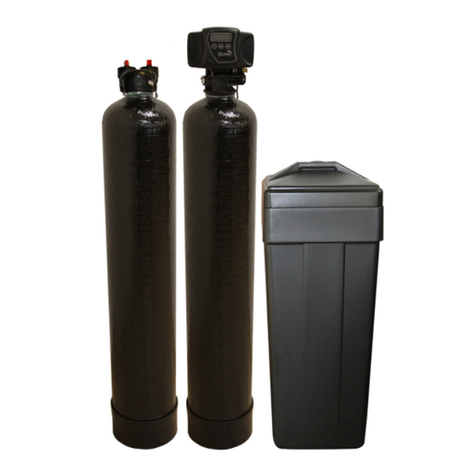
GE GNPR40L Original instructions

Other manuals for GNPR40L

1

This manual suits for next models

1

Other GE Water Dispenser manuals

GE GXRTQR User manual

GE

GE GXRTQR User manual

GE GXSHC40N Operating instructions

GE

GE GXSHC40N Operating instructions

GE Appliances Profile GXCF35GBS User manual

GE

GE Appliances Profile GXCF35GBS User manual

GE GXSS17Z01 Installation instructions

GE

GE GXSS17Z01 Installation instructions

GE GXSH39E Original instructions

GE

GE GXSH39E Original instructions

GE GNSM48F Original instructions

GE

GE GNSM48F Original instructions

GE FQROPF User manual

GE

GE FQROPF User manual

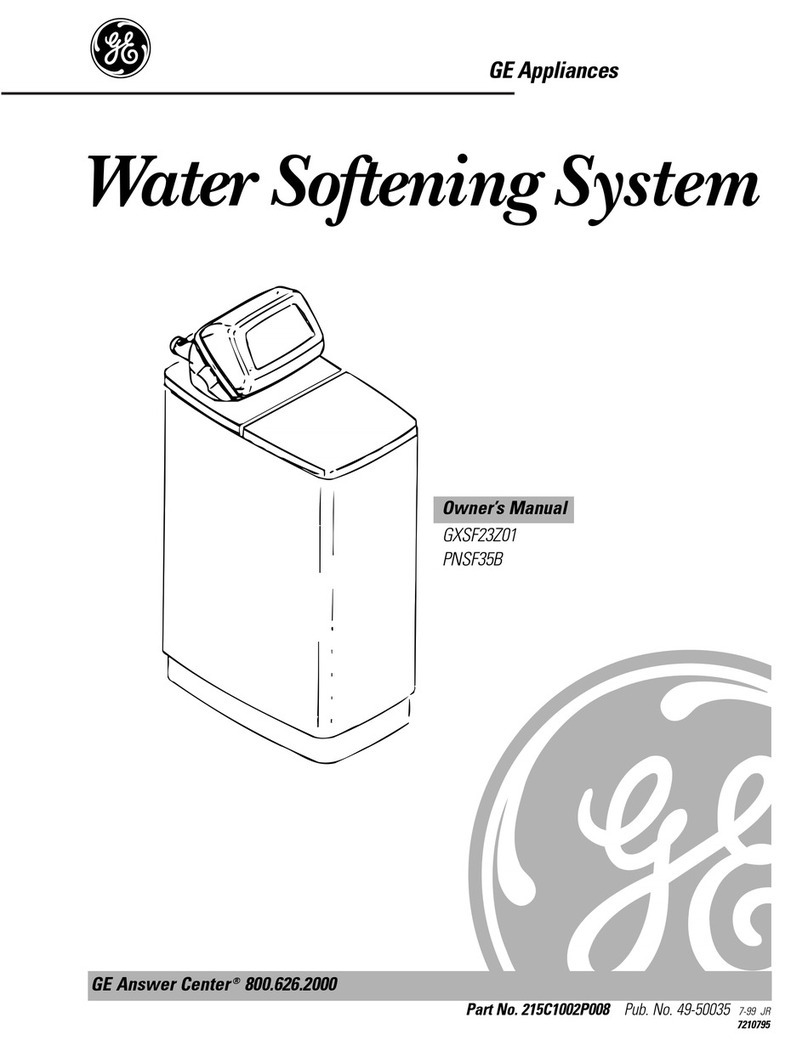
GE GXSF23Z01 Original instructions

GE

GE GXSF23Z01 Original instructions

GE GNSH45E Original instructions

GE

GE GNSH45E Original instructions

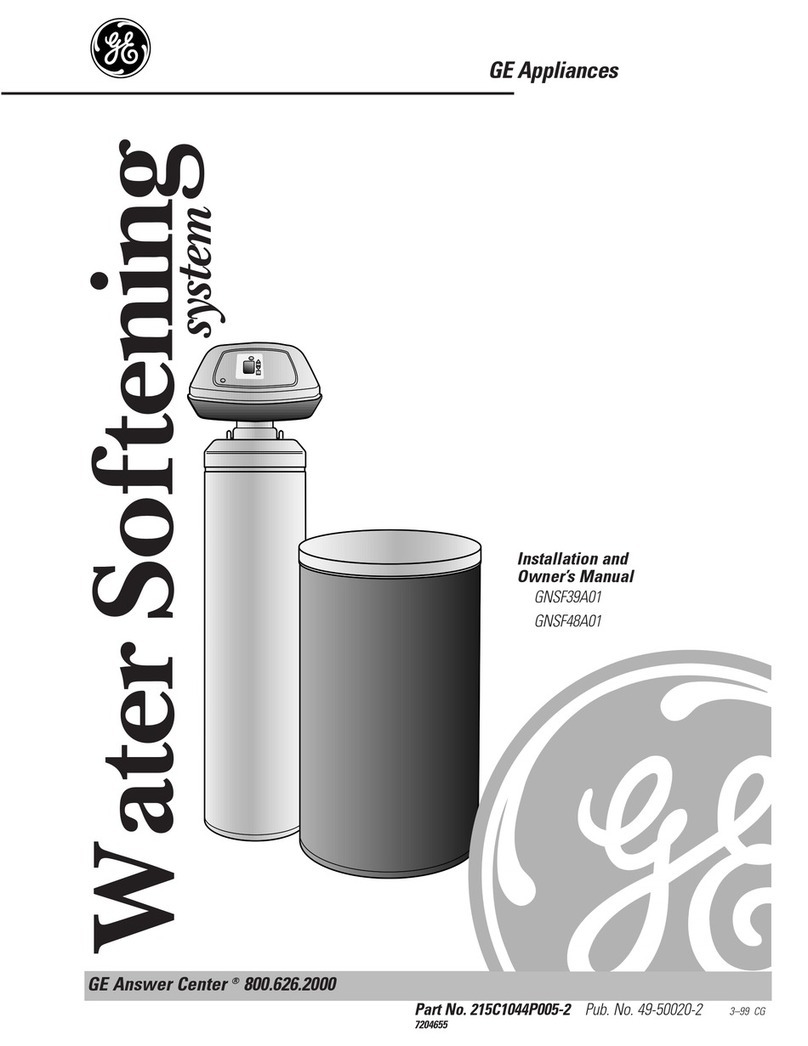
GE GNSF48A01 Installation instructions

GE

GE GNSF48A01 Installation instructions

GE GXSS20H Original instructions

GE

GE GXSS20H Original instructions

GE FQSLF User manual

GE

GE FQSLF User manual

GE GXSF30V Original instructions

GE

GE GXSF30V Original instructions

GE GXSH40V Operating instructions

GE

GE GXSH40V Operating instructions

GE GXRTQR User manual

GE

GE GXRTQR User manual

GE GXSS20H Original instructions

GE

GE GXSS20H Original instructions

GE Profile FQROPF User manual

GE

GE Profile FQROPF User manual

GE Profile FQROMF Original instructions

GE

GE Profile FQROMF Original instructions

GE FQSLF User manual

GE

GE FQSLF User manual

GE PNSF35B Operating instructions

GE

GE PNSF35B Operating instructions

GE SmartWater GXSF27B Original instructions

GE

GE SmartWater GXSF27B Original instructions

GE FQSVF User manual

GE

GE FQSVF User manual

GE SmartWater GXSF18G Original instructions

GE

GE SmartWater GXSF18G Original instructions

GE GXSH45V Operating instructions

GE

GE GXSH45V Operating instructions

Popular Water Dispenser manuals by other brands

IBC Water AST0715MP-960 Installation & operating instructions

IBC Water

IBC Water AST0715MP-960 Installation & operating instructions

Lancaster Water Treatment X FACTOR LX15 Series Installation, operating and service manual

Lancaster Water Treatment

Lancaster Water Treatment X FACTOR LX15 Series Installation, operating and service manual

Elkay EMABF8 Series Installation & use manual

Elkay

Elkay EMABF8 Series Installation & use manual

Oasis Osmosis Home installation manual

Oasis

Oasis Osmosis Home installation manual

Monarch Water ULTIMATE MINI AQUA HE install guide

Monarch Water

Monarch Water ULTIMATE MINI AQUA HE install guide

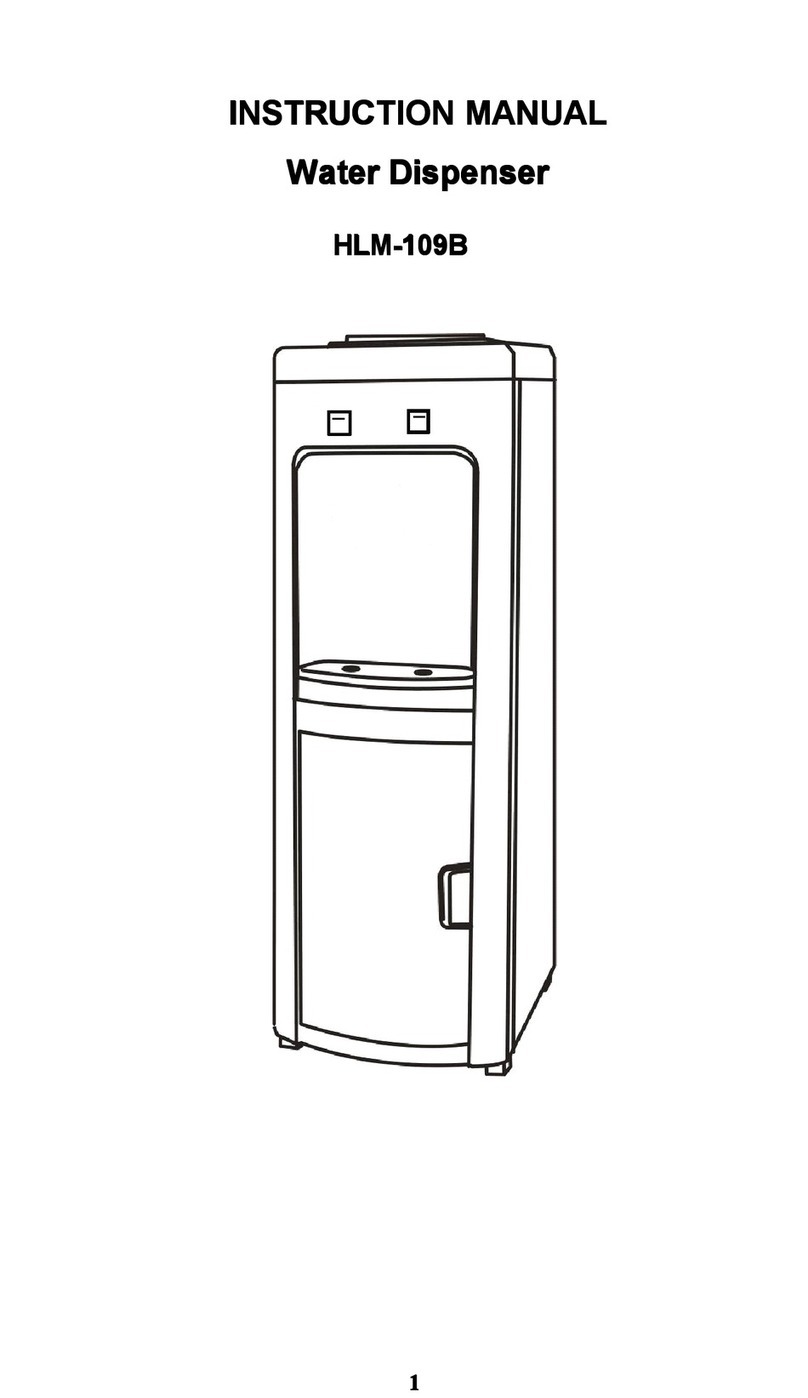
Haier HLM-109B instruction manual

Haier

Haier HLM-109B instruction manual

Kenmore 625.385560 UltraFilter 650 owner's manual

Kenmore

Kenmore 625.385560 UltraFilter 650 owner's manual

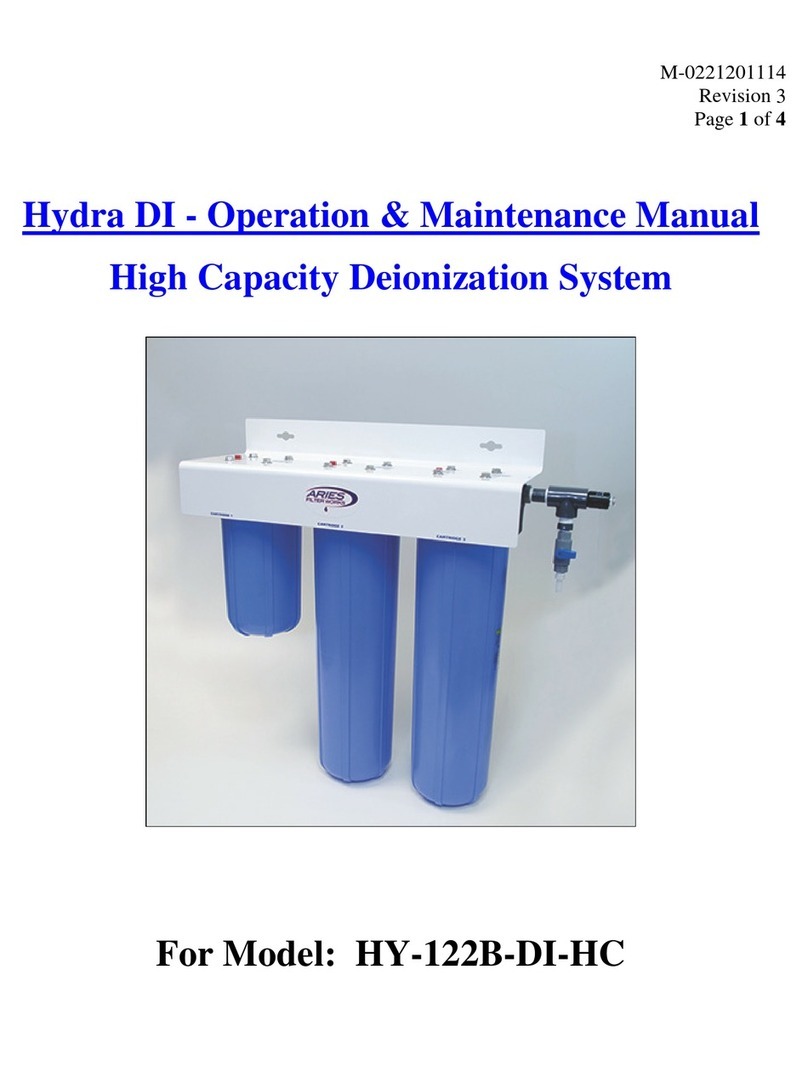
Aries Hydra DI Operation & maintenance manual

Aries

Aries Hydra DI Operation & maintenance manual

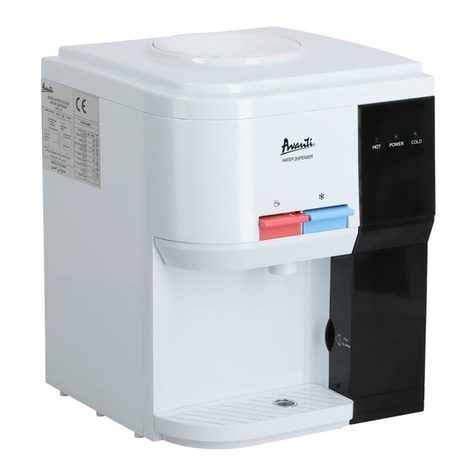
Avanti WD31EC instruction manual

Avanti

Avanti WD31EC instruction manual

Avanti WD360 instruction manual

Avanti

Avanti WD360 instruction manual

ProFlo PFB Series Installation & operation manual

ProFlo

ProFlo PFB Series Installation & operation manual

Frakco Travelsoft RV 2400HD Operation instructions

Frakco

Frakco Travelsoft RV 2400HD Operation instructions

Aqua Essentials Borg & Overström B4 user guide

Aqua Essentials

Aqua Essentials Borg & Overström B4 user guide

KENT 11063 Instruction handbook

KENT

KENT 11063 Instruction handbook

Calmat Plus user manual

Calmat

Calmat Plus user manual

Igloo MWC529 instruction manual

Igloo

Igloo MWC529 instruction manual

Electrolux EQALF01TXSP user manual

Electrolux

Electrolux EQALF01TXSP user manual

abc Fleck 5600SXT manual

abc

abc Fleck 5600SXT manual

manuals.online logo
manuals.online logoBrands
  • About & Mission
  • Contact us
  • Privacy Policy
  • Terms and Conditions

Copyright 2025 Manuals.Online. All Rights Reserved.

Water Softening
system
Safety Information . . . . . . . . . . . . . . . . .2
Installation Instructions . . . . . . . .3–15
Step-by-step instructions . . . . . . . . . . . .6–15
Operating Instructions
Breaking a salt bridge . . . . . . . . . . . . . . . . .17
Cleaning the in ector and screen . . . . . . . .17
Service . . . . . . . . . . . . . . . . . . . . . . . . . . . . . . .16
Water softener system . . . . . . . . . . . . .16–17
Care and Cleaning . . . . . . . . . . . . . . . . .18
Troubleshooting Tips . . . . . . . . . . .19–21
Advanced Programming . . . . . . .22–23
Advanced Troubleshooting . . . .24–27
Consumer Support
Checking the Brine Draw
and Refill Function . . . . . . . . . . . . . . . . . . . . .30
Consumer Support . . . . . . . . . . . .Back Cover
Control Valve Diagram/Parts . . . . . . . .31, 33
Flow Diagrams . . . . . . . . . . . . . . . . . . . .28–29
Systems Diagram/Parts . . . . . . . . . . . .32, 33
Warranty (U.S.) . . . . . . . . . . . . . . . . . . . . . . . .34
Warranty (Canada) . . . . . . . . . . . . . . . . . . . .35
Water Meter . . . . . . . . . . . . . . . . . . . . . . . . . .30
ge.com
21 C1173P030 49-50218-1 04-07 JR
Write the model and serial
numbers here:
Model # ________________
Serial # ________________
To find these numbers, lift the
cover and look on the rim
below the control panel.
Models GNPR40L, GNPR48L
Owner’s Manual &
Installation Instructions
Water Softening
System
IMPORTANT SAFETY INFORMATION.
READ ALL INSTRUCTIONS BEFORE USING.
SAFETY PRECAUT ONS
■Check and comply with your state and local codes.
You must follow these guidelines.
■Use care when handling the water softening
system. Do not turn upside down, drop, drag
or set on sharp protrusions.
■Water softening systems using sodium chloride
(salt) for regeneration add sodium to the water.
Persons on sodium restricted diets should consider
the added sodium as part of their overall intake.
Potassium chloride can be used as an alternative
to sodium chloride in your softener.
■
The water softening system works on 12 volt-60 Hz
electrical power only. Be sure to use only the
included transformer.
■Transformer must be plugged into an indoor
120 volt, grounded outlet only.
■Use clean water softening salts only, at least 99.5%
pure. NUGGET, PELLET or coarse SOLAR salts are
recommended. Do not use rock, block, granulated
or ice cream making salts. These products may
contain dirt and sediments, or mush and cake,
and will create maintenance problems.
■Keep the brine tank cover in place on the softener
unless servicing the unit or refilling with salt.
WARNING: Do not use with water that
is microbiologically unsafe or of unknown quality
without adequate disinfection before or after the
system.
READ AND FOLLOW TH S SAFETY NFORMAT ON CAREFULLY.
SAVE THESE INSTRUCTIONS
PROPER NSTALLAT ON
■Install or store where it will not be exposed to
temperatures below freezing or exposed to any
type of weather. Water freezing in the system will
break it.
■Do not install in direct sunlight. Excessive sun or
heat may cause distortion or other damage to
non-metallic parts. Do not attempt to treat water
over 100°F.
■Properly ground the system to conform with all
governing codes and ordinances.
■Use only lead-free solder and flux for all
sweat-solder connections, as required by
state and federal codes.
■
The water softening system requires a minimum
water flow of three gallons per minute at the inlet.
Maximum allowable inlet water pressure is 125 psi.
If daytime pressure is over 80 psi, nighttime pressure
may exceed the maximum. Use a pressure reducing
valve to reduce the flow if necessary.
■
Softener resins may degrade in the presence of
chlorine above 2 ppm. If you have chlorine in excess
of this amount, you may experience reduced life
of the resin. In these conditions, you may wish to
consider purchasing a GE point-of-entry household
filtration system with a chlorine reducing filter.
WARNING: Discard all unused parts
and packaging material after installation. Small
parts remaining after the installation could be
a choke hazard.
This water softening system must be properly installed and located in accordance with the
nstallation nstructions before it is used.
2
For your safety, the information in this manual must be followed to minimize the risk of electric
shock, property damage or personal injury.
WARNING!
3
Installation Water Softening System
Instructions Models GNPR40L and GNPR48L
Questions Call 800.GE.CARES (800.432.2737) or Visit our Website at: ge.com
BEFORE BEGINNING INSTALLATION
Read these instructions completely and carefully.
•IMPORTANT —Save these instructions
for local inspector’s use.
•IMPORTANT —Observe all governing
codes and ordinances.
•Note to Installer – Be sure to leave these
instructions with the Consumer.
•Note to Consumer – Keep these instructions
for future reference.
• Proper installation is the responsibility of the
installer.
• Product failure due to improper installation
is not covered under the Warranty.
WARNING: Read entire manual. Failure to follow all guides and rules could cause personal
injury or property damage.
• Check with your state and/or local public works department for plumbing codes. You must follow their
guides as you install the Water Softening system.
NOTE: Failure to comply with these installation instructions will void the product warranty, and the
installer will be responsible for any service, repair or damages caused thereby.
IMPORTANT INSTALLATION
RECOMMENDATIONS (CONT.)
WARNING: Do not use with water
that is microbiologically unsafe or of unknown
quality without adequate disinfection before or
after the system. The water should be tested
periodically to verify that the system is
performing satisfactorily.
IMPORTANT INSTALLATION
RECOMMENDATIONS
•In the Commonwealth of Massachusetts,
Plumbing Code 248 CMR shall be adhered to.
Consult with your licensed plumber.
• Use only lead-free solder and flux for all sweat-
solder connections, as required by state and
federal codes.
• Connect the softener to the main water supply
pipe before or ahead of the water heater.
DO NOT RUN HOT WATER THROUGH THE
SOFTENER. Temperature of water passing
through the softener must be less than 100°F.
Installation Instructions
4
UNPACKING AND INSPECTION
Be sure to check the entire softener for any
shipping damage or missing parts. Also note
damage to the shipping cartons. Contact the
transportation company for all damage and loss
claims. The manufacturer is not responsible for
damages in transit.
Small parts needed to install the softener are
packaged either in a bag or box. To avoid loss
of the small parts, keep them packaged until you
are ready to use them. Be sure not to discard
components hidden in packaging.
TOOLS AND MATERIALS REQUIRED
FOR INSTALLATION
• Teflon tape
• Razor knife
• One ad ustable wrench
• 1/2″vinyl/pvc drain line (the length required will
be determined by your specific location)
• Additional tools may be required if modification
to home plumbing is necessary.
• In and out fittings included with the softener
are 1″copper adapters. You should maintain
the same, or larger, pipe size as the water supply
pipe, up to the softener inlet and outlet. Then,
use the necessary adapters to connect the
water supply to the 1″copper adapters.
• Use the included bypass valve to install the
softener. The bypass valve allows you to turn off
water to the softener for servicing, but still have
water pressure in the house pipes.
• Use appropriate fitting/pipe material (i.e., copper,
brass, galvanized or CPVC) to connect the 1″
copper adapters to the house plumbing.
• If a rigid valve drain is needed to comply with
plumbing codes, you can buy the parts needed
to connect a 1/2″copper tubing or plastic pipe
drain.
• Clean nugget or pellet water softener salt is
needed to fill the brine tank.
WHERE TO INSTALL THE SOFTENER
• Place the softener as close as possible to a
sewer drain, or other acceptable drain point
or standpipe.
• It is recommended to keep outside faucets
on hard water to save soft water and salt.
• Do not install the softener in a place where it
could freeze. Freeze damage is not covered by
the warranty.
• Do not install the softener where it would block
access to the water heater or access to the main
water shutoff.
• Put the softener in a place where water damage
is least likely to occur if a leak develops. The
manufacturer will not repair or pay for water
damage.
• A 120-volt electric outlet is needed to plug in the
included transformer. The softener has a 10-foot
power cable. If the outlet is remote (up to 100
feet), use 18 gauge wire to connect. Be sure the
electric outlet and transformer are in an inside
location, to protect from wet weather. Be sure
the outlet is unswitched to prevent accidental
shutoff.
• If installing in an outside location, you must
take the steps necessary to assure the softener,
installation plumbing, wiring, etc., are as well
protected from the elements (sunlight, rain, wind,
heat, cold), contamination, vandalism, etc., as
when installed indoors. Outdoor installation is
not recommended, and voids the warranty.
•Keep the softener out of direct sunlight.
The sun’s heat may distort non-metallic
parts and may damage the electronics.

Installation Instructions
PLAN HOW YOU WILL INSTALL
THE SOFTENER
You must first decide how to run the inlet and outlet
pipes to the softener. Look at the house main water
pipe at the point where you will connect the softener.
Is the pipe soldered copper, glued plastic or
threaded galvanized? What is the pipe size?
WARNING: Use only lead-free solder and
flux to prevent lead poisoning.
See Typical nstallation llustration. Use this as a guide
when planning your particular installation. Be sure
to direct the incoming hard water supply to the
softener valve inlet fitting. The valve is marked
IN and OUT.
5
TYPICAL INSTALLATION ILLUSTRATION
Soft
water
MAIN WATER PIPE
Hard water
12V
transformer
120-volt
outlet
Brine
tank cover
SALT
GOES
HERE
Brinewell
Hard water to
outside faucets
Fig. 1 CROSSOVER
Use if water supply flows
from the left. Include single
or 3-valve bypass.
Hard
water
From
softener
outlet
Soft
water
To softener
inlet
Bypass
valve
Hard water to
outside faucets
Inlet
valve
Outlet
valve
OUTLET
MAIN WATER PIPE
Hard water
Soft
water
120-volt
outlet
12V
transformer
Brine
tank cover
Fig. 2 CROSSOVER
Use if water supply flows
from the left. Include single
or 3-valve bypass.
Hard
water
From
softener
outlet
Soft
water
To softener
inlet
NOTE: See
Drain Hose
Connections
section.
3-Valve Bypass
System
For soft water
service:
• Open the inlet
and outlet
valves
• Close the
bypass valve
For bypass hard
water:
• Close the inlet
and outlet
valves
• Open the
bypass valve
SALT
GOES
HERE
Brinewell
Brine line
OUTLET
Pipe coupler
Adapter
Union nut
Brine line
Pipe coupler
Adapter
Union nut
OPTIONAL 3-VALVE BYPASS
INSTALLATION ILLUSTRATION
OPERATION
To bypass the Water Softener with the bypass
valve, rotate the handles clockwise so they are both
perpendicular to the flow path of the inlet and
outlet water stream, as shown below.
To return to the conditioned water or service
position, rotate the handles counterclockwise so
they are parallel to the flow path of the inlet and
outlet water stream, as shown below.
Installation Instructions
6
BEFORE YOU BEGIN
• Turn off the gas or electric supply to the water
heater, in the possibility that the water heater
may be drained while draining pipes.
• Turn off the water supply to pipes to be cut and
drain the house water pipes.
• Open both hot and cold faucets at the lowest
location possible.
INSTALL BYPASS VALVE
• Make sure there is a gasket secured inside the
inlet and outlet union nuts of the bypass. Then
assemble the union nut to the valve inlet and
outlet, hand-tightening both union nuts
simultaneously. It is not necessary to lubricate or
use sealant on the rubber gaskets or union nuts.
• Insert copper adapters through union nuts.
Place the rubber gaskets into the union nuts and
assemble to bypass valve. It is not necessary to
lubricate or use sealant on rubber gasket or
union nuts.
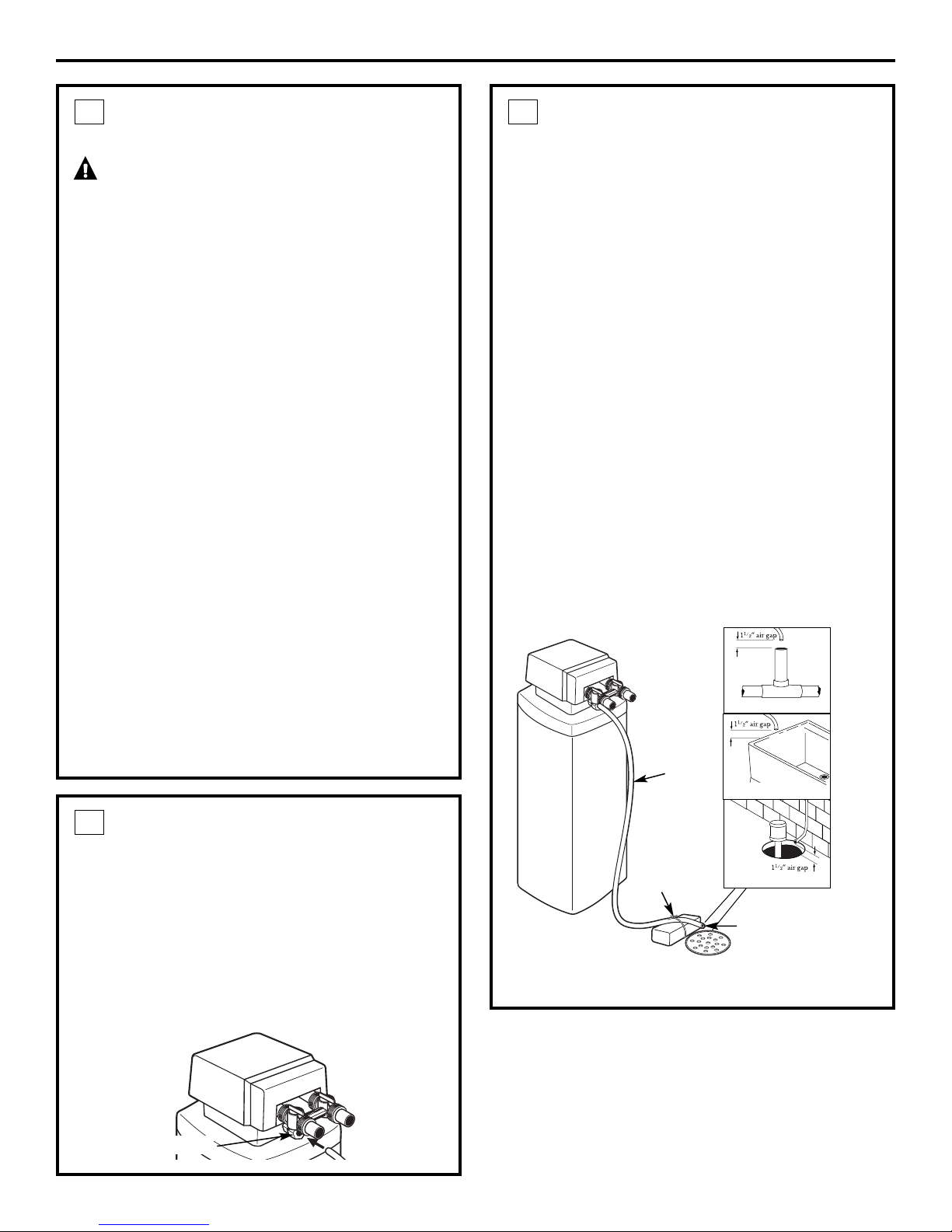
1
Valve outlet
Valve inlet
Inlet
union nut
MOVE THE SOFTENER ASSEMBLY
INTO INSTALLATION POSITION
Before sliding softener in position, be sure the
installation surface is level and smooth. Sharp
ob ects under the tank may puncture it. If needed,
place the tank on a section of 3/4″thick (minimum)
plywood. Then, place shims under the plywood as
needed to level the softener. Slide softener into
position.
2
Outlet
union nut
Gaskets
Outlet
Inlet
Gasket
Outlet Inlet
Outlet
Inlet
Copper
adapters
Valve outlet
Valve outlet
Valve inlet
Valve inlet
Bypass valve
Copper
adapters
Union nut
Union nut
PLUMB “IN” AND “OUT” PIPES
TO AND FROM SOFTENER
CAUTION: Observe all of the following
cautions as you connect inlet and outlet
plumbing. See Typical Installation Illustration.
• BE SURE INCOMING HARD WATER SUPPLY IS
DIRECTED TO THE SOFTENER VALVE INLET PORT.
If house water flow is from the right, use a
plumbing crossover as shown in Typical
Installation Illustration.
• With the softener in place, determine the
correct length of piping required to connect the
household plumbing to the 1″copper adapter
on the softener. Test fit all connections.
NOTE: The softener must not support the home’s
plumbing in the vertical direction. Secure the
inlet and outlet pipes to the wall/ceiling using pipe
clamps or straps. Be certain the home’s plumbing
does not exert any force on the softener bypass.
• Remove softener from installation space.
• Disconnect copper adapters and union nuts from
bypass valve.
• Reconnect copper adapters with union nuts
and gaskets in place to home plumbing. Before
soldering adapters, slide union nuts and gasket
away from area being soldered. NOTE: Torch heat
will damage plastic parts.
• Support inlet and outlet plumbing in some manner
(use pipe hangers or clamps) to keep the weight
off of the valve fittings.
• Slide softener back into position.
• Make final connections to the bypass valve.
3
Installation Instructions
7
CONNECT AND RUN THE VALVE
DRAIN HOSE
• Check that drain port on valve body has white
tape on it. If not, apply Teflon Tape to threads
prior to installing the valve drain fitting.
• Connect valve drain fitting to valve drain port.
Tighten connection with a wrench.
• Connect 1/2″diameter drain hose (not provided)
to the valve drain fitting. Tighten connections with
wrench.
4
CONNECT AND RUN THE VALVE
DRAIN HOSE (CONT.)
• Locate the other end of the hose at a suitable
drain point (floor drain, sump, laundry tub, etc.)
that terminates at the sewer. Check and comply
with local codes.
• Tie or wire the hose in place at the drain
point. High water pressure will cause it to whip
during the back-wash and fast rinse cycles of
regeneration. Also provide an air gap of at least
1-1/2″between the end of the hose and the
drain point. An air gap prevents possible
siphoning of sewer water into the softener,
if the sewer should “back-up.”
The water softener will not work if water cannot
exit this hose during regeneration.
• Elevating the drain hose may cause back
pressure that could reduce the brine draw during
regeneration. If raising the drain line overhead is
required to get to the drain point, measure the
inlet water pressure to the softener first. For inlet
pressures between 20 and 50 psi, do not raise
higher than 8′above the floor. For inlet pressure
above 50 psi, the drain line may be raised to a
maximum height of 14′.
4
Valve
drain
hose
FLOOR DRAIN
Tie or
wire hose
in place
11⁄2″air gap
LAUNDRY TUB
SUMP
STANDPIPE
Valve drain
hose connection
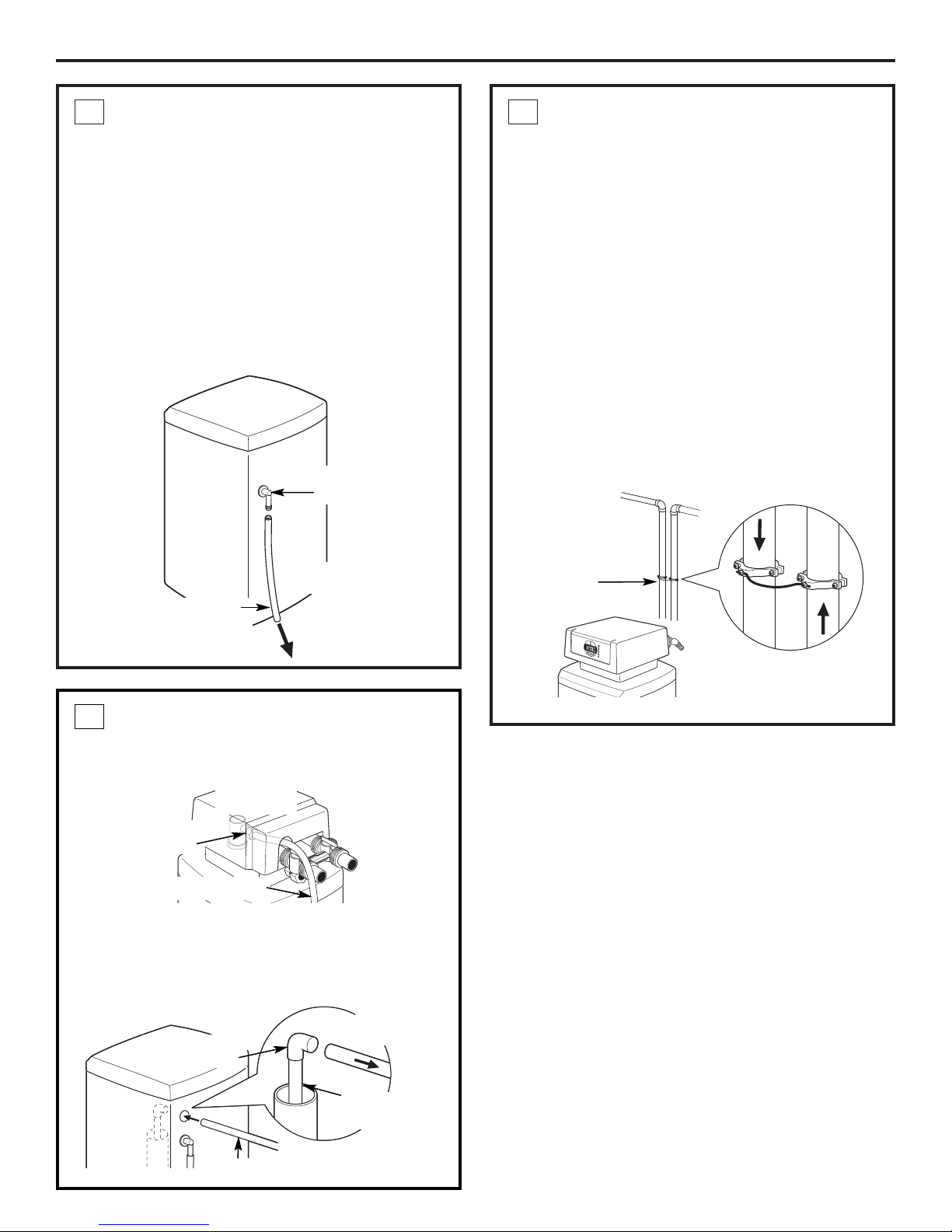
INSTALL GROUNDING WIRE
AND CLAMPS
IMPORTANT: A copper or galvanized house cold
water pipe is often used to ground electrical outlets
in the home. Grounding protects you from
electrical shock. The water softener may have
broken this ground path. To restore connection,
install UL approved grounding hardware or 6-gauge
copper wire across the softener valve, tightly
clamped, using UL approved grounding clamps at
both ends as shown. Zinc clamps should not be
used on copper plumbing. Grounding hardware is
not provided with the unit. It may be purchased
separately from your local hardware store.
NOTE: Clean copper pipe and ends of wire with
emery paper. Bare wire is recommended. If insulated
wire is used, it should be stripped 3/4″at each end
before cleaning with emery paper.
7
Installation Instructions
INSTALL THE BRINE TANK
OVERFLOW AND HOSE
• Connect overflow drain hose to fitting on side of
brine tank.
• Locate the other end of the hose at the drain
point. DO NOT ELEVATE this hose higher than the
elbow on the brine tank.
IMPORTANT: DO NOT TEE OVERFLOW HOSE TO
VALVE DRAIN HOSE.
NOTE: This drain is for safety only. If the cabinet
(brine tank) should over-fill with water, the excess is
carried to the drain.
5
To acceptable
drain
Overflow
drain hose
Do not connect to
valve drain hose.
Hose
adapter
Ground
Clamp
From
valve
outlet
To valve
inlet
BRINE TUBING CONNECTION
Connect brine tube to clear air check assembly on
the main valve:
• Route brine tube through 1″hole in brine tank
above hose adapter.
• Connect tubing to 90° fitting on top of float
assembly. Press in firmly to fully seat in fitting.
6
Brine tube
Brine tube
connection
To valve
assembly
8
Float
assembly
Brine tubing
Brine tube
connection
Valve
assembly
OPEN WATER SUPPLY
With the plumbing, drain line and overflow
connections completed, slowly open the water
supply, allowing the lines to pressurize.
NOTE: The optional bypass should still be in bypass
mode as shown.
1
Installation Instructions
START-UP RINSING PROCEDURE
(BYPASS VALVE IS OPTIONAL)
Outlet Inlet
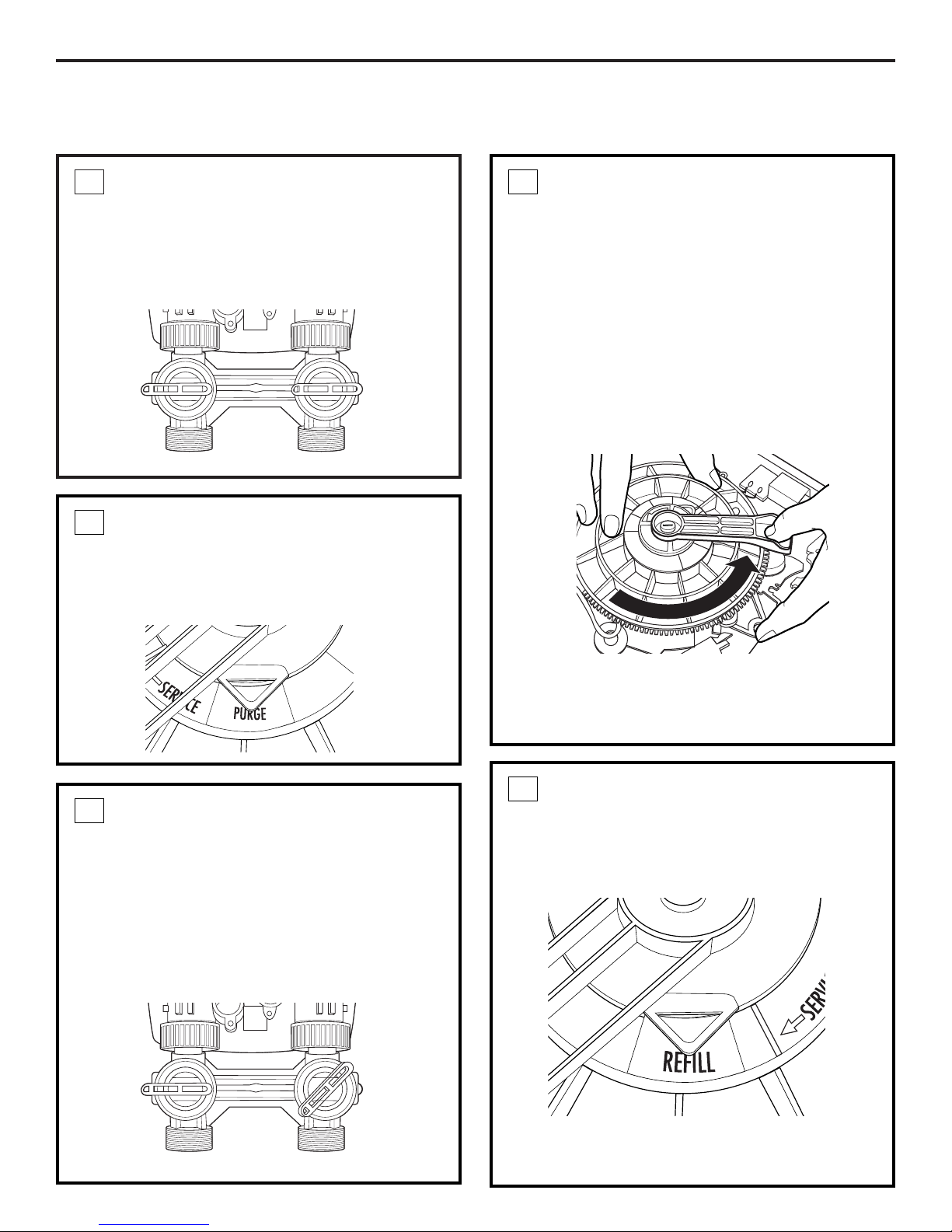
ADVANCE THE CONTROL VALVE
With the transformer unplugged, manually advance
the control valve by depressing the drive gear and
rotating the main system gear to the purge position
(see Step 4).
2
RUN THE WATER
After the 20-minute purge cycle, manually advance
the main gear to the backwash cycle and allow to
run for a minimum of 10 minutes.
After 10 minutes during the backwash cycle, open
both the inlet and outlet valves on the bypass to the
fully opened position.
NOTE: When advancing the main gear manually
while under water pressure, it is normal for the gear
to encounter resistance as the valve chambers
depressurize. If resistance occurs, pause five
seconds to allow the valve to depressurize
before advancing to the next step.
Advance the gear in the counterclockwise direction
only. Damage will occur if advanced in the opposite
direction.
4
FILL BRINE TANK
After the ten-minute backwash cycle, manually
advance the control valve to the brine refill position
for ten minutes, allowing water to flow into the
brine storage tank.
Once water begins to flow into the tank, fill the
brine tank with a minimum of 80 lbs. of salt pellets.
5
PURGE THE SYSTEM
Slowly open the inlet valve (only) on the bypass
valve to the half-opened position, allowing the
system to pressurize. It is normal to hear air
blowing to the drain during this procedure.
Once the air clears and water begins to run to
the drain, open the inlet valve (only) to the full open
position and allow the water to run to the drain in
purge for a minimum of 20 minutes.
3
Outlet Inlet
9
INJECTOR SELECTION
• The in ector is critical to the proper flow through
the resin tank during the regeneration cycle. The
in ector supplied with the unit from the factory is
applicable to installations with supply water
pressure up to 70 psi.
• If supply water pressure is greater than 70 psi,
in ector assembly WS15X10059 should be
installed.
9
Installation Instructions
ADVANCE CONTROL VALVE TO
SERVICE POSITION
After the ten-minute
refill time, manually
advance the control
valve to the service
position.
6
CONNECT TO ELECTRICAL POWER
• The softener works on 12 volt-
60Hz electric power. The
included transformer changes
standard 120-volt AC house
power to 12 volts DC. Connect
transformer to control panel.
Plug is located on the bottom
left of the control panel. Plug
the transformer into a 120-
volt outlet only. Be sure the
outlet is always live so it can
not be switched off by mistake.
7
INSTALL 9V BATTERY FOR BATTERY
BACKUP FEATURE (CONT.)
To install a battery:
1. Remove the control valve cover.
2. The battery pocket is located in the upper left
corner of the control as shown.
3. Connect the battery, matching up negative and
positive posts.
4. Insert battery into holder located on the back of
the control panel. Make sure terminal wires are
routed away from the valve gears.
8
Injector
Injector cap
INSTALL 9V BATTERY FOR BATTERY
BACKUP FEATURE
Your softening system has a battery backup feature
that allows the control to continue monitoring
water flow and maintain the proper time of day
during short power outages. The control uses a
standard 9-volt battery (not supplied).
During a power outage, the display will be turned
off and the motor will not run, but the control will
continue to monitor water flow and time. If power is
out and a regeneration is needed, the regeneration
will be delayed until power is restored. If power is
lost during the regeneration, the control will resume
the regeneration when power is restored.
While batteries may
last for over a year, it
is recommended that
you replace the
battery every year.
During an interruption in power supply, a typical
new 9-volt alkaline battery provides approximately
40 hours of power for the control.
If there is a power outage, after power is restored,
verify that the time in the control is correct. If it is,
system is OK. If time is incorrect, set the correct
time in the control and replace the 9-volt battery.
If system has been without power for over 24
hours, initiate an immediate regeneration cycle
by pressing the REGEN button.
8
10
Water Pressure Injector Part Number
20–70 psi 5 bumps WS15X10060
70–125 psi 4 bumps WS15X10059
Connect
transformer
to control
panel