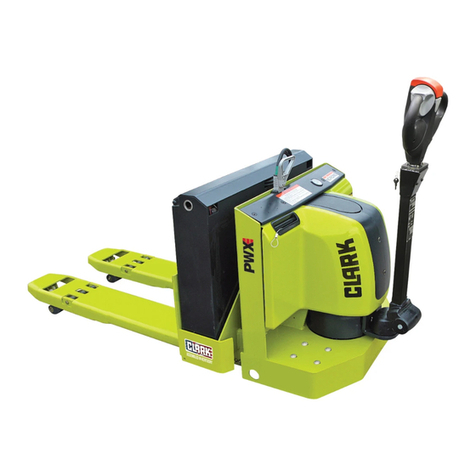
Gillison Forklift Manual
- SAFETY2
INTRO TO SAFETY
The safety of the operator is one of the main concerns
in designing a new piece of equipment. Designers build
in as many safety features as possible. However, ev-
ery year many accidents occur which could have been
avoided by a few seconds of thought and a more care-
ful approach to handling equipment. You, the operator,
can avoid many accidents by observing the following
precautions. To avoid personal injury, study the follow-
ing precautions and insist those working with you or for
you to follow them.
In order to provide a better view, certain photographs
or illustrations in this manual may show an assembly
with a safety shield removed. However, the equipment
should never be operated in this condition. Keep all
shields in place. If shield removal becomes necessary
for repairs, replace shield prior to further operation.
SAFETYALERT SYMBOL
FIG. 1: This is the safety alert symbol. It means AT-
TENTION! BECOME ALERT! YOUR SAFETY IS
INVOLVED! Look for it, both in this manual and on
safety decals on the equipment. It will direct your at-
tention to information that involves your safety and the
safety of others.
SIGNALWORDS
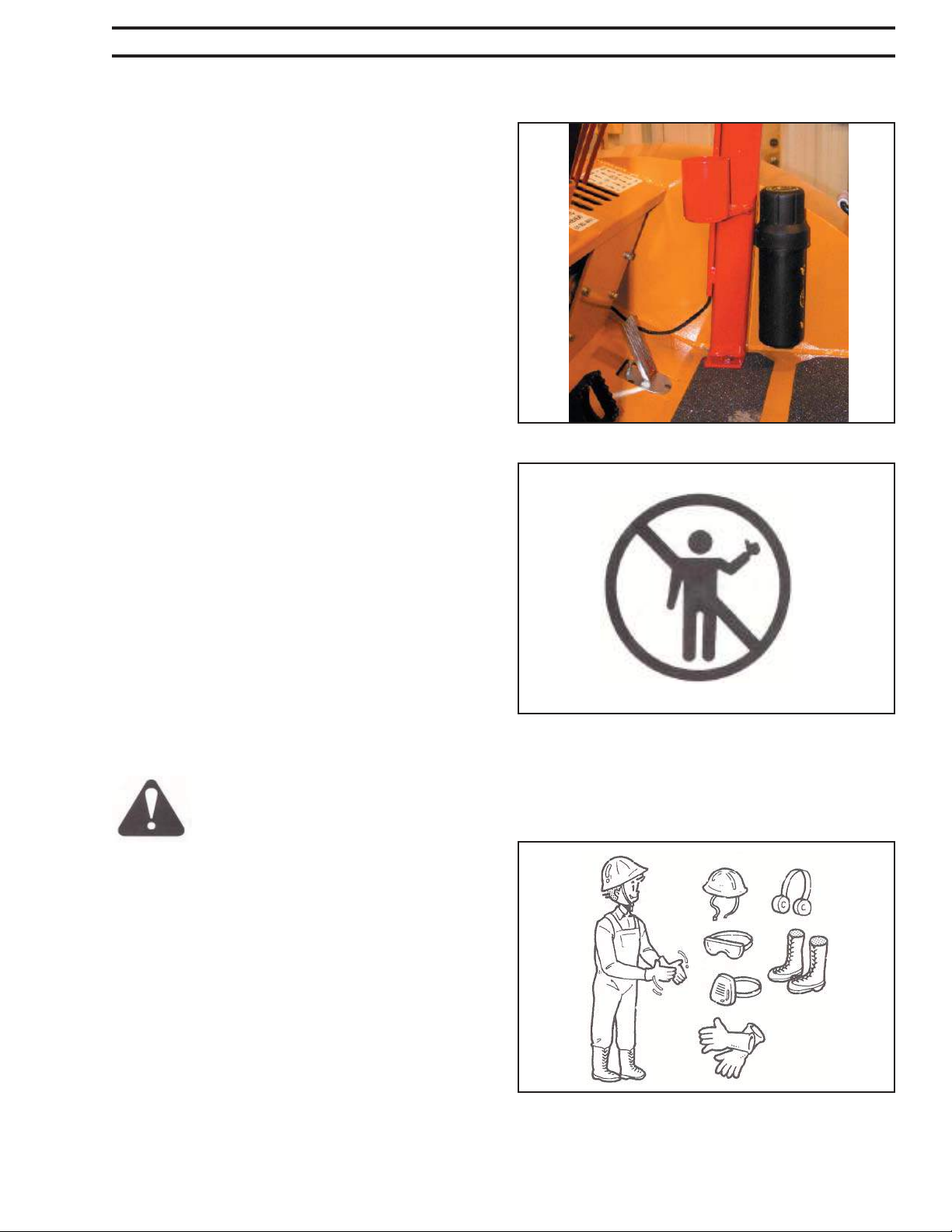
FIG. 2: The words DANGER, WARNING, or CAU-
TION are used with the safety alert symbol. Learn to
recognize these safety alerts, and follow the recom-
mended precautions and safe practices.
DANGER indicates an imminently haz-
ardous situation that, if not avoided, will
result in death or serious injury.
WARNING indicates an imminently
hazardous situation that, if not avoided,
could result in death or serious injury.
CAUTION indicates an imminently
hazardous situation that, if not avoided,
could result in minor or moderate inju-
ry.
Replace any DANGER, WARNING, CAUTION or in-
structional decal that is not readable or is missing. The
locations and part numbers of these decals are identified
later in this section of the manual.
FIG. 1
FIG. 2
SAFETY