Strawinskylaan 1105
1077 XX Amsterdam, The Netherlands
SPECIFICATIONS ................................2
General technical data............................ 2
Cam switch technical data ........................ 2
Certifications ................................... 2
Main components ...............................3
Overall dimensions ..............................4
WIRING ........................................5
ROD POSITIONING...............................6
Installation dimensions and rods calibration ......... 7
Operation.......................................7
VERSIONS ......................................8
Cam switch operation ............................8
FCR
EN
instruction manual
MT-FCR-EN / 10.06.2021
Rev. 2
POSITION LIMIT SWITCH
Before use, read this booklet carefully to
acquaint yourself with the features of the
product. This booklet is an integral part of
the product and therefore must be kept until
the product is dismissed.
Giovenzana International B.V. reserves the
right to change the features and data shown
in this document at any time and without
notice. This document cannot therefore be
considered a contract with third parties.
Position limit switches FCR are designed and
manufactured according to IEC international
standard and EN European regulations.
Any improper installation or any tampering
of the device may cause serious personnel
injury or property damage, therefore, the
installation and maintenance must be
performed by specialized and authorized
personnel.
The use of this device is not allowed in
environment with a potentially explosive
atmosphere or in presence of corrosive
substances and in salt spray.
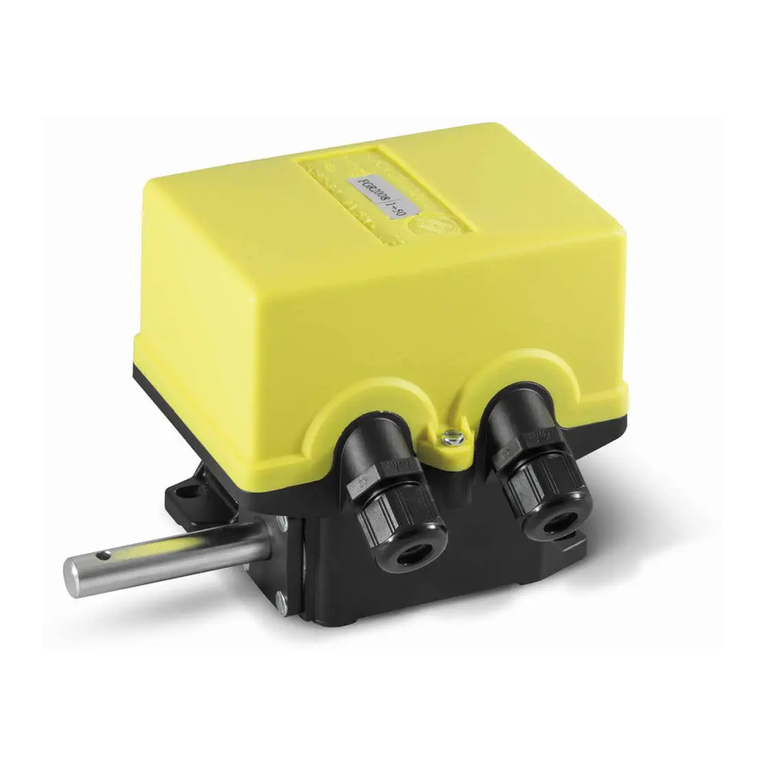
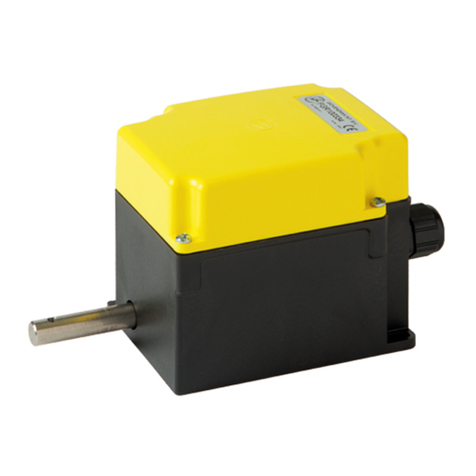
The FCR limit switches rotary gear position
are used to control several handling systems:
• Bridge cranes: the limit switch controls the
operating system, for example a PLC, and
allows the bridge crane to slow down or
stop.
• Hoists: the limit switch is used to stop the
hoist whenever it reaches a limit position.
They are suitable for use in industrial
environment with machinery monitoring and
protection purpose.