manuals.online logo
Brands
  1. Home
  2. •
  3. Brands
  4. •
  5. inVue
  6. •
  7. Computer Accessories
  8. •
  9. inVue DBD702 User manual

inVue DBD702 User manual

This manual suits for next models

1

Other inVue Computer Accessories manuals

inVue LTO4905 User manual

inVue

inVue LTO4905 User manual

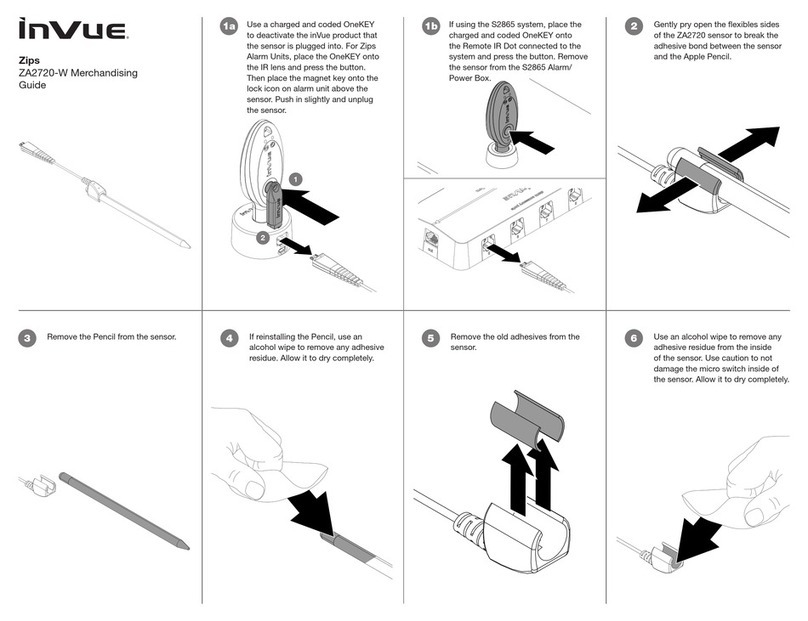
inVue ZA2720-W User manual

inVue

inVue ZA2720-W User manual

inVue LTO III Manual

inVue

inVue LTO III Manual

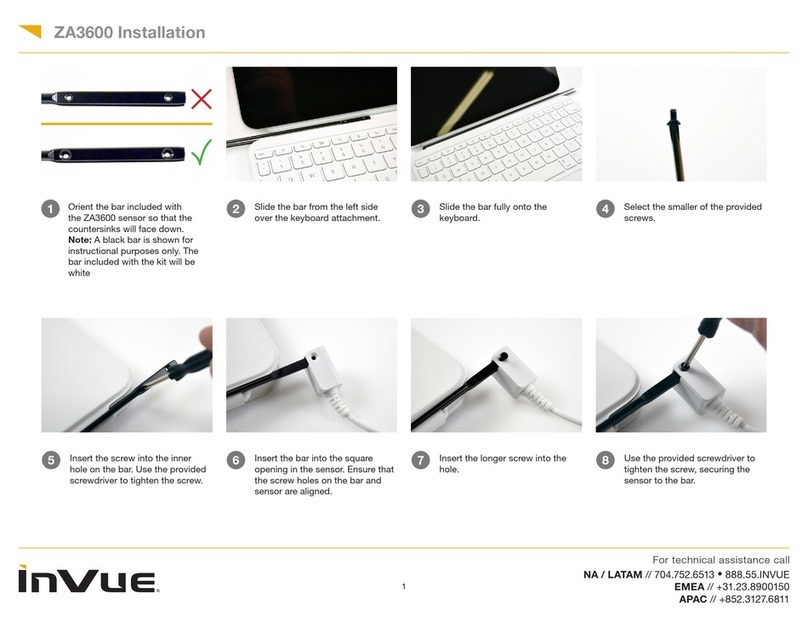
inVue ZA3600 User manual

inVue

inVue ZA3600 User manual

Popular Computer Accessories manuals by other brands

Netstor NA255A user manual

Netstor

Netstor NA255A user manual

perixx PERIDUO-610 user manual

perixx

perixx PERIDUO-610 user manual

Cherry PURE JD-0100 operating manual

Cherry

Cherry PURE JD-0100 operating manual

Cool-Icam DICK II user manual

Cool-Icam

Cool-Icam DICK II user manual

Motorola ATRIX user guide

Motorola

Motorola ATRIX user guide

HP USB Media Docking Station specification

HP

HP USB Media Docking Station specification

Cherry B.UNLIMITED 3.0 user manual

Cherry

Cherry B.UNLIMITED 3.0 user manual

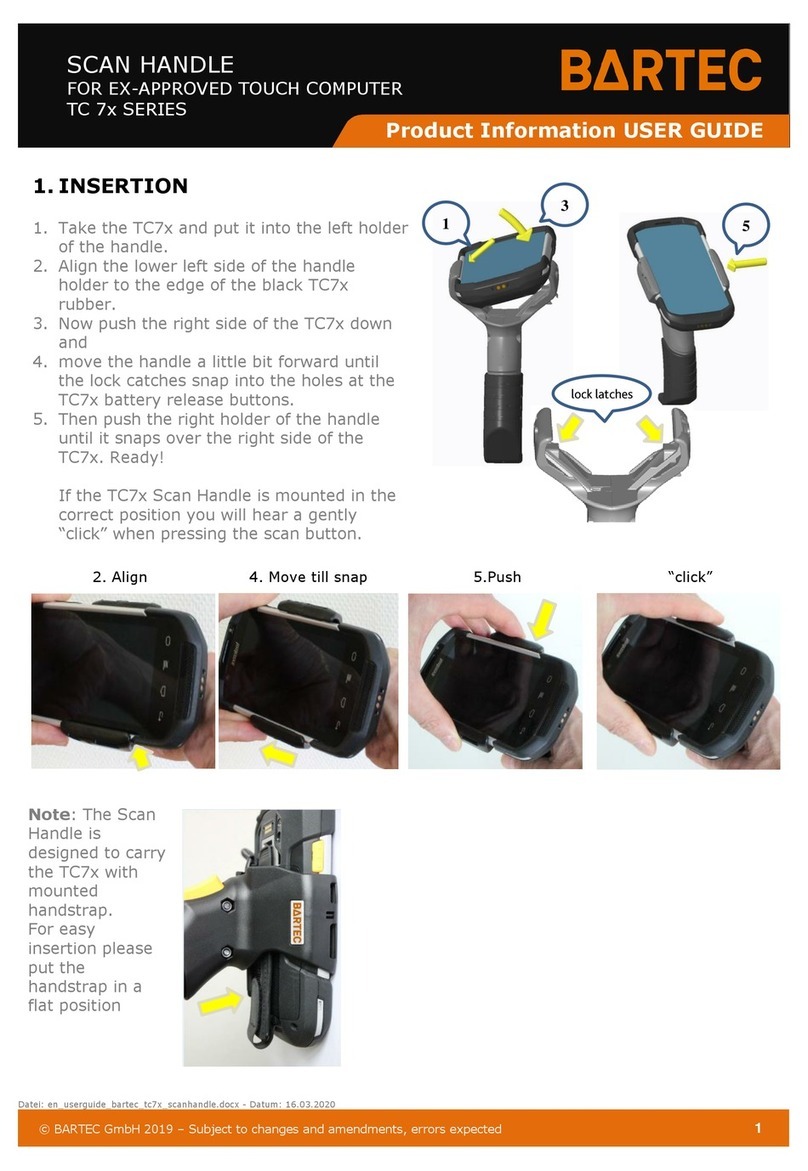
Bartec TC 7 Series user guide

Bartec

Bartec TC 7 Series user guide

Philips SPC3540 Specifications

Philips

Philips SPC3540 Specifications

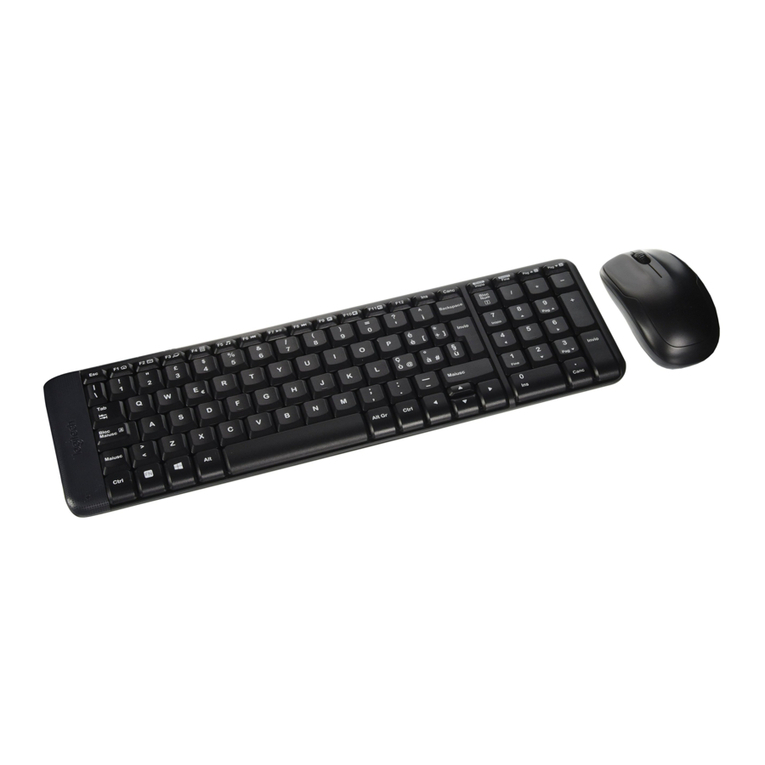
Logitech mk220 user manual

Logitech

Logitech mk220 user manual

Vivo MOUNT-KB05-4DW instruction manual

Vivo

Vivo MOUNT-KB05-4DW instruction manual

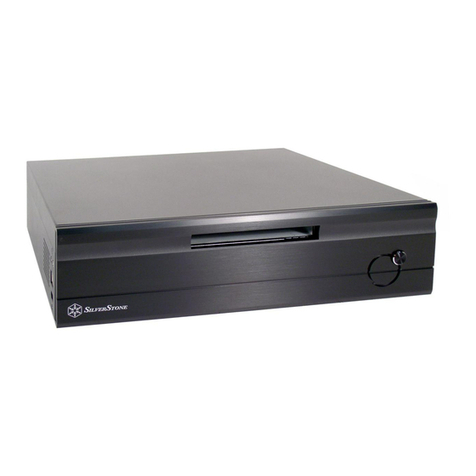
SilverStone LC02 manual

SilverStone

SilverStone LC02 manual

Flexispot ML2B installation guide

Flexispot

Flexispot ML2B installation guide

Hamlet UNIVERSAL COVER 101 KBT2 user manual

Hamlet

Hamlet UNIVERSAL COVER 101 KBT2 user manual

Adam Equipment RS-485 manual 

Adam Equipment

Adam Equipment RS-485 manual 

Sven Base 305 сombo instructions

Sven

Sven Base 305 сombo instructions

Hama 108310 Operating	 instruction

Hama

Hama 108310 Operating instruction

SpeechWare FlexyMike FMK03 user manual

SpeechWare

SpeechWare FlexyMike FMK03 user manual

manuals.online logo
manuals.online logoBrands
  • About & Mission
  • Contact us
  • Privacy Policy
  • Terms and Conditions

Copyright 2025 Manuals.Online. All Rights Reserved.

For technical assistance call
1
NA / LATAM // 704.752.6513 •888.55.INVUE
EMEA // +31.23.8900150
APAC // +852.3127.6811
1
Wireless Zone Manager DBD702 & Optional LED Emitter DBD703

4If installing the optional LED
Emitter (DBD703), plug that
into the 3-pin port in the
Zone Manager
Determine your range
settings by consulting the
illustration to the right for
guidance. Turn the knob to
the desired setting by hand
or using the key fob tool
included with a OneKEY.
Note: All distances are approximate. The shape and distance of the eld can be
altered by ferrous objects near the Zone Manager (such as structural steel pillars).
The eld also extends upwards. Keep these factors in mind when installing and
setting the range of the eld.
2Consult the following graphics
to determine your Mode
settings. Turn the knob to
the desired setting by hand
or using the key fob tool
included with a OneKEY.
MODE SETTINGS
Alarm starts when sensor enters Alarm Zone.
X
Alarm Zone
Warning Mode
Alarm stops when it leaves Alarm Zone.
A
Continuous Mode
Alarm continues until it times out.
B
Alarm stops according to chosen mode:
Alarm starts when sensor leaves Secure Zone.
Secure Zone
X
Alarm stops when it re-enters Secure Zone
or when it times out. 3Plug the power supply into
the 2-pin port in the Zone
Manager.
For technical assistance call
2
NA / LATAM // 704.752.6513 •888.55.INVUE
EMEA // +31.23.8900150
APAC // +852.3127.6811
Wireless Zone Manager DBD702 & Optional LED Emitter DBD703
9
6
Connect the power cable to
the power supply and plug
the power cable into a power
outlet.
8Place the Zone Manager
where desired and apply
pressure for at least 10
seconds.
Once it is determined how
and where the Zone Manager
will be mounted, introduce a
sensor and device (following
the steps outlined in the sensor
instructions) to the alarm zone
to test the settings. Adjust the
setting as desired.
(meters)
3
2
1
0
7If mounting with the
adhesives, peel the clear lm
from the 4 adhesives.
10 The LED will illuminate gold.
Note: if at any time the LED
ashes yellow instead of
remaining constant, this
indicates that the Zone
Manager has lost power is
running off of the battery.
5a Determine how the Zone Manager
will be mounted.
• If using the adhesives, clean
the area where the Zone
Manager will be mounted.
• If mounting to a wall using
the 8mm screw holes, the
holes are set 8 15/16 inches
(225 mm) apart center to
center.
5b If threading hardware into the
M4 x 0.7 threaded inserts on
the Zone Manager to install
it suspended or against a
horizontal surface (ceiling,
underside of a table, etc.), ensure
that some type of threadlocker
(i.e. Loctite Threadlocker Blue) is
used. This will prevent loosening
through any vibrations.
11 If using the optional LED
Emitter, determine where
it will be mounted. Ensure
that it will be visible. Use
the provided alcohol wipe
to clean the area where it
will be mounted.
For technical assistance call
3
NA / LATAM // 704.752.6513 •888.55.INVUE
EMEA // +31.23.8900150
APAC // +852.3127.6811
Wireless Zone Manager DBD702 & Optional LED Emitter DBD703
14 The LED Emitter will illuminate.
12 Peel the clear lm from the
adhesives on the LED Emitter. 13 Place the LED Emitter in the
predetermined location and
apply pressure for at least 10
seconds.
For technical assistance call
4
NA / LATAM // 704.752.6513 •888.55.INVUE
EMEA // +31.23.8900150
APAC // +852.3127.6811
LIVE Vertical Wireless
Model: ZNMGR30
Hereby, InVue Security Products, Inc. declares that the radio equipment type ZNMGR30 is in compliance with Directive 2014/53/EU. The full text of the EU declaration of conformity is available at the following internet address:
https://invue.com/product-compliance/
EU Importer:
INVUE SECURITY PRODUCTS B.V.
Saturnusstraat 17 D
2132 HB Hoofddorp
The Netherlands
+31 23.8900150
Manufacturer:
InVue Security Products, Inc.
9201 Baybrook Lane
Charlotte, NC 28277, USA
Accessories and Software to operate as intended: LED Emitter (DBD703) displays the status of the Zone Manager.
FCC Compliance
This device complies with Part 15 of the FCC Rules. Operation is subject to the following two conditions: (1) this device may not cause harmful interference, and (2) this device must accept any interference received, including interference that may cause undesired
operation.
Changes or modications not expressly approved by the party responsible for compliance could void the user’s authority to operate the equipment.
This equipment has been tested and found to comply with the limits for a Class B digital device, pursuant to Part 15 of the FCC Rules. These limits are designed to provide reasonable protection against harmful interference in a residential installation. This equipment
generates, uses and can radiate radio frequency energy and, if not installed and used in accordance with the instructions, may cause harmful interference to radio communications. However, there is no guarantee that interference will not occur in a particular
installation.
If this equipment does cause harmful interference to radio or television reception, which can be determined by turning the equipment off and on, the user is encouraged to try to correct the interference by one or more of the following measures:
-- Reorient or relocate the receiving antenna.
-- Increase the separation between the equipment and receiver.
-- Connect the equipment into an outlet on a circuit different from that to which the receiver is connected.
-- Consult the dealer or an experienced radio/TV technician for help.
ISED Regulatory Compliance
This device contains licence-exempt transmitter(s)/receiver(s) that comply with Innovation, Science and Economic Development Canada’s licence-exempt RSS(s). Operation is subject to the following two conditions:
(1) This device may not cause interference.
(2) This device must accept any interference, including interference that may cause undesired operation of the device.
This equipment complies with IC RSS-102 radiation exposure limits set forth for an uncontrolled environment.
L’émetteur/récepteur exempt de licence contenu dans le présent appareil est conforme aux CNR d’Innovation, Sciences et Développement économique Canada applicables aux appareils radio exempts de licence. L’exploitation est autorisée aux deux conditions
suivantes :
(1) L’appareil ne doit pas produire de brouillage;
(2) L’appareil doit accepter tout brouillage radioélectrique subi, même si le brouillage est susceptible d’en compromettre le fonctionnement.
Cet équipement est conforme aux limites d’exposition aux radiations IC CNR-102 établies pour un environnement non contrôlé.
Wireless Zone Manager DBD702 & Optional LED Emitter DBD703