manuals.online logo
Brands
  1. Home
  2. •
  3. Brands
  4. •
  5. JVC
  6. •
  7. Cassette Player
  8. •
  9. JVC MIK-100 User manual

JVC MIK-100 User manual

Other JVC Cassette Player manuals
JVC KS-F383R User manual

JVC

JVC KS-F383R User manual

JVC Instructions User manual

JVC

JVC Instructions User manual

JVC SR-VS30U User manual

JVC

JVC SR-VS30U User manual

JVC RC-W410 User manual

JVC

JVC RC-W410 User manual

JVC HR-VP680U User manual

JVC

JVC HR-VP680U User manual

JVC TD-W208BK User manual

JVC

JVC TD-W208BK User manual

JVC RC-M90JW/W User manual

JVC

JVC RC-M90JW/W User manual

JVC RC-M90JW User manual

JVC

JVC RC-M90JW User manual

JVC KD-A11 User manual

JVC

JVC KD-A11 User manual

JVC SR-W320U User manual

JVC

JVC SR-W320U User manual

JVC TD-W220 SERIES User manual

JVC

JVC TD-W220 SERIES User manual

JVC CX-F5K User manual

JVC

JVC CX-F5K User manual

JVC KS-F150 User manual

JVC

JVC KS-F150 User manual

JVC TD-W217TNC User manual

JVC

JVC TD-W217TNC User manual

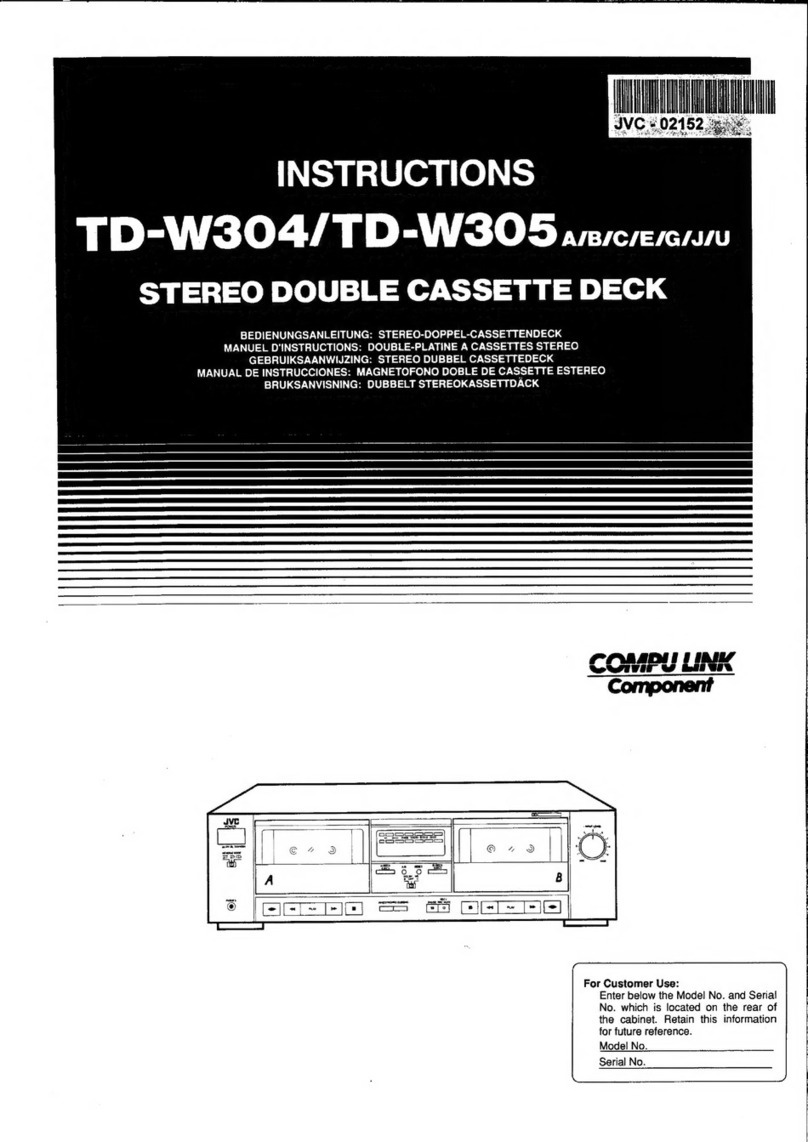
JVC COMPU LINK TD-W304 A User manual

JVC

JVC COMPU LINK TD-W304 A User manual

JVC TD-W254BK User manual

JVC

JVC TD-W254BK User manual

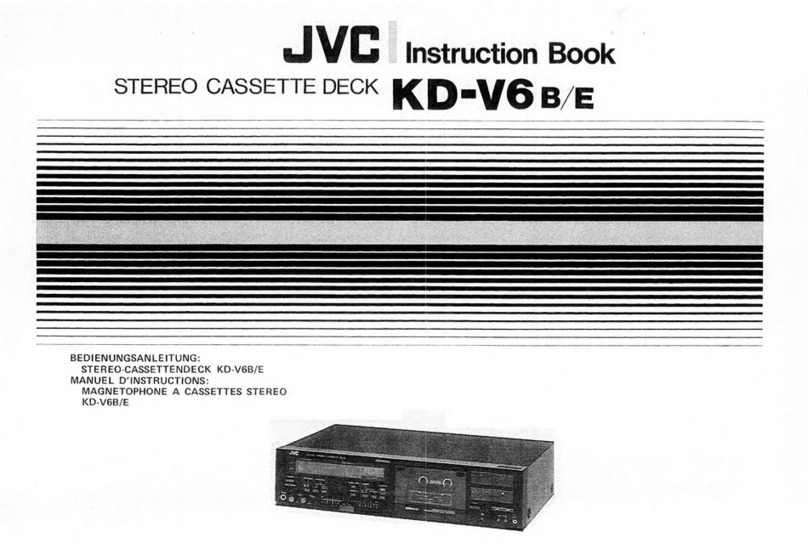
JVC KD-V6B User manual

JVC

JVC KD-V6B User manual

JVC HR-XVC1U User manual

JVC

JVC HR-XVC1U User manual

JVC RC-660 L User manual

JVC

JVC RC-660 L User manual

JVC RC-565 JW User manual

JVC

JVC RC-565 JW User manual

JVC TD-W254 B User manual

JVC

JVC TD-W254 B User manual

JVC HR-J271MS User manual

JVC

JVC HR-J271MS User manual

JVC TD-W503A User manual

JVC

JVC TD-W503A User manual

JVC HR-XVC1U User manual

JVC

JVC HR-XVC1U User manual

Popular Cassette Player manuals by other brands
Ahuja CPA-360 Operation manual

Ahuja

Ahuja CPA-360 Operation manual

Sony Pressman TCS-60DV Specifications

Sony

Sony Pressman TCS-60DV Specifications

Philips AQ6485/14 Product information

Philips

Philips AQ6485/14 Product information

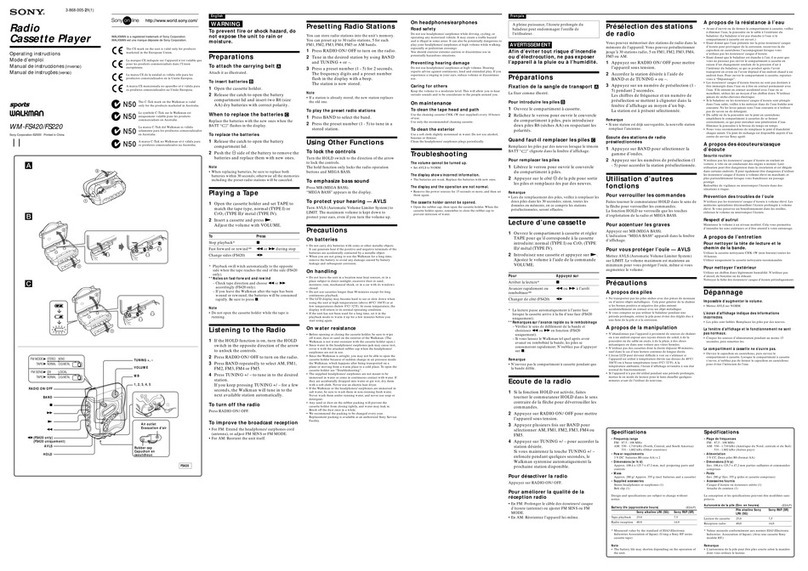
Sony TCM-200DV - Cassette Recorder operating instructions
Sony

Sony TCM-200DV - Cassette Recorder operating instructions

Nakamichi BX-300 Service manual

Nakamichi

Nakamichi BX-300 Service manual

Panasonic RQ-E25V operating instructions

Panasonic

Panasonic RQ-E25V operating instructions

Aiwa TP-VS535 operating instructions

Aiwa

Aiwa TP-VS535 operating instructions

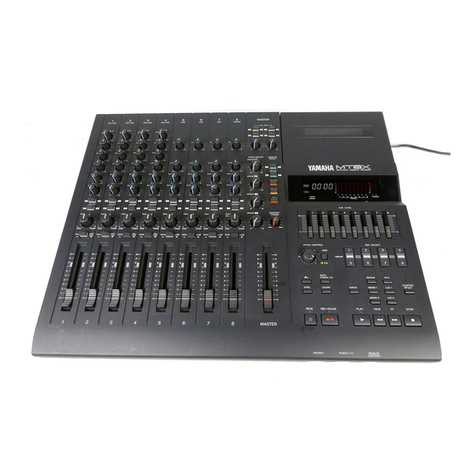
Yamaha MT8X Operation manual

Yamaha

Yamaha MT8X Operation manual

Sherwood Newcastle D-480 operating instructions

Sherwood

Sherwood Newcastle D-480 operating instructions

Manta MA408 user manual

Manta

Manta MA408 user manual

GPO W0162B user guide

GPO

GPO W0162B user guide

Marantz CP230 Service manual

Marantz

Marantz CP230 Service manual

Sony HST-471 Service manual

Sony

Sony HST-471 Service manual

Sharp JC-AV1 Operation manual

Sharp

Sharp JC-AV1 Operation manual

Pioneer CT-W103 Service manual

Pioneer

Pioneer CT-W103 Service manual

Sony CFS-B15 - Am/fm Stereo Cassette Recorder operating instructions

Sony

Sony CFS-B15 - Am/fm Stereo Cassette Recorder operating instructions

Sony WMFS220 - Portable Sports AM/FM Cassette... operating instructions

Sony

Sony WMFS220 - Portable Sports AM/FM Cassette... operating instructions
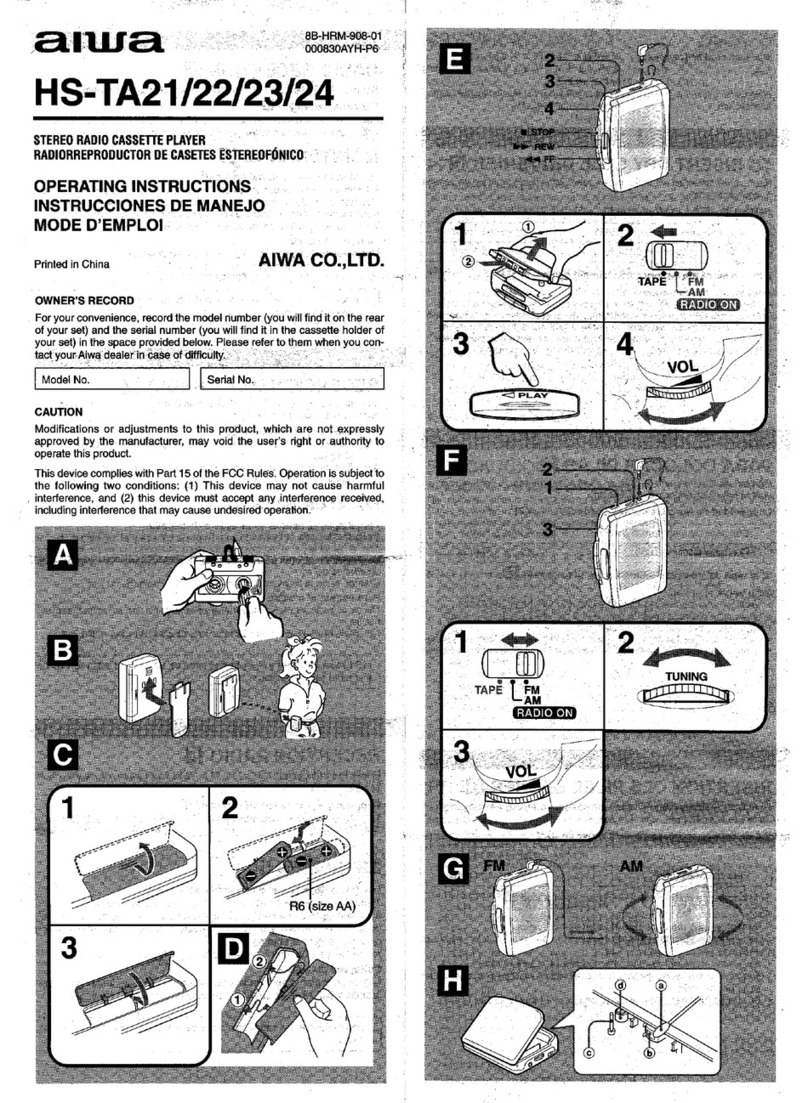
Aiwa HS-TA21 operating instructions

Aiwa

Aiwa HS-TA21 operating instructions
manuals.online logo
manuals.online logoBrands
  • About & Mission
  • Contact us
  • Privacy Policy
  • Terms and Conditions

Copyright 2025 Manuals.Online. All Rights Reserved.

MODEL
MIK-100
CASSETTE
RECORDER
No.
0002
April
1978
MK-100
Contents
Page
SPECIFICATION:
«e050
oe
Ser
sor
See
Face,
une
ew
ee
Sede
bse
eles
Pe
as
yb
ee
Bat
eens
bo
AAO,
2
FO@atUTES
oe
closes
fo
ee
a
reeees
hacen
een
he
ede
ib
oR
ie
ee
Gwe
tk
A
ad
ee
i
wc
enn
3
Names
ot
Parts:
>
nc.
te
es ee
eo
SS
ty
Rk
ee
SE
ee
hE
Ge
ee
at
es
oe,
©
3
Disassembly
and
Replacement
........0..
0
eet
ee
ee
ee
ee
ke
ee
4
Mechanical
Adjustments
and
Repairs
.........00
00
cee
ee
ee ee
ee
ee
te
eek
he
te
ee
7
Technical
Information
.
2...
2...
2c
ee
ee
et
tee
ees
9
Adjusting
Recording
Bias
..
2...
0
ee
ee
ee
ee
ee
11
Cleaning
and
Lubrication
..
1...
1.
1
ee
ee
ee
es
11
Before
Services
is.
ieet
es
cre
a
Be,
ial
eee
eS
on
te,
ae
Bed
ew
a
oS
ie
oe
hates
aes
11
Block
Diagram:
jievis:
se
nies
da
ee
GES
a
Pa
Rene
ars,
we
Gas
Sw
Bee
a
anak
&
aed ees
12
schematic
Diagrams:
és.
i825.5.
60
oe
ee
woe
a,
Bi
Ce
sa
ae
WS
eee
Se
ee
ea
a
13
WIRING)
6c
ss
oe.
ov
See
eee,
Ge
SBOE
Sa
hE
Res,
alien
wren.
Been
Oh
hh
ee
a
14
Circuit:
Board
Parts:
<<.
3.
asad
i
Gece
we
Sei
eS
we
eco,
See
Hy
be
G
FS
bred aha.
eee
ce
wae
ae
St
15
Mechanical
Components
.........0
0.0.
ee
ee
eee
ee
ee
es
17
Total
Assembly
=<:
6:63.
3.96
See
ite
ete
eve
oe
&
eh
eda
Ogi
ala
Eee
es
eats
bed
Sa
19
Packing
nc.
3
chose
ee
ea
th.
he
td
eaertaec
a
Oe:
Tact,
Se
tads
Le
ater
Merapoieh
erate
MER
Cars
tee
tae,
Ae
fone
eR
a
22
AGCESSOVICS
55.55:
Sid
hee
Gg
ieee
ans
Teena
lapis
Wan
ot
we
eee
ee
ee
GE
we
Pe:
Cay
BAR
ere
ak
a
ee
lee
ait
ccaly
22
Specification
DIMENSIONS
:
Type
Tape
speed
Track
system
Recording
system
Erasing
system
Cassette
Fast
forward
time
Rewind
time
Wow
&
flutter
Frequency
response
:
Semiconductors
Speaker
Power
output
No.
0002
81.5mm(W)
x
179mm(H)
x
28mm(D)
3-3/16""(W)
x
7“(H)
x
1-1/8"(D)
Compact
cassette
recorder
4.8cm/s
(1-7/8
ips)
2-track,
monaural
AC
bias,
ALC
DC
erase
Philips
type
compact
cassette
Within
120sec.
(C-60
cassette)
Within
140sec.
(C-60
cassette)
0.25%
wrms
300
—
8,000Hz
1
IC,
18
transistors
5cm
(2)
Samarium
cobalt
speaker
350mW
at
1kHz
WEIGHT
:
Input
jacks
Output
jacks
Power
supply
Battery
life
500g
with
batteries
1.1
Ibs.
Approx.
MIC;
sensitivity
O.3mV
accepts
a
low
impedance
microphone.
DC
IN
(6V)
EAR,
REMOTE
DC
6V
(4”AA"
batteries)
AC
(using
the
AC
adaptor)
Car
battery
(using
the
car
adaptor)
Continuous
recording
time
with
the
built-in
microphone;
approx.
2.5
hours
with
the
super
type
battery
SUM-3
(size
AA)
MK-100
Features
®
Ultra-thin,
ultra-compact
design
—
a
portable
of
portables
designed
to
fit
the
palm
of
your
hand.
A
single
sliding
knob
controls
tape
start,
stop
and
rewind,
permitting
simple,
single-hand
operation.
™
Three
LED
recording
level
indicators,
one
of
which
also
functions
as
a
battery
checker,
assure
you
of
the
best
possible
recordings.
=
A
microphone
sensitivity
select
switch
allows
optimum
recordings
of
both
dictations
and
conferences,
together
with
the
ALC
(Automatic
Level
Control)
circuit.
@
A
newly
developed
ultra-thin
speaker
having
a
diameter
of
50mm
and
incorporating
a
powerful
samarium
cobalt
magnet
achieves
outstanding
sound
quality.
=
Auto-stop
mechanism
stops
the
motor
at
the
end
of
the
tape
during
recording,
playback
or
rewind.
Also
a
warning
tone
is
heard
at
the
tape’s
end,
sparing
of
battery
power.
m
The
stand-by
mechanism
allows
starting
a
recording
at
a
precise
point,
saving
tape
consumption.
@
Three-digit
tape
counter
helps
in
locating
the
beginning
of
a
particular
tape
section.
Names
of
Parts
Fig.
1
1
Remote
control
jack
(REMOTE)
10
Sensitivity
select
switch
(HIGH/NORM)
2
External
microphone
jack
(MIC)
11
Earphone
jack
(EAR)
3
Built-in
condenser
microphone
12
Security
strap
4
Counter
reset
button
13
External
DC
input
jack
(DC
IN
6V)
5
LED
indicators
14
Volume
control
knob
(VOL)
6
Tape
counter
15
Record
button
(REC)
7
Slide
control
knob
16
EJECT/REVIEW
button
8
Speaker
17.
FF/CUE
button
9
Cassette
compartment
18
Battery
compartment
cae.
ee
No.
0002
MK-100
Disassembly
and
Replacement
The
MK-100
which
features
an
ultra-compact
design
and
high
performance
uses
miniature-sized
parts
which
are
closely
arranged.
Use
special
care
when
servicing
it.
Enclosure
Parts
Name
Procedure
Ref.
No.
Description
Bottom
panel
Remove
four
mounting
screws
and
then
remove
the
bottom
Fig.
3
@)
SPSK2003M
(Black)
panel.
SPSK2003N
(Silver)
5
eerie
Top
panel
Remove
five
screws
and
then
remove
the
top
panel.
Fig.
2,3
@)
|
SPSK2003M(Black)
SPSK2003N
(Silver)
=
Front
panel
1.
Pull
out
the
control
knob.
2.
Remove
two
screws
and
then
remove
the
front
panel.
Fig.
2
@)
SPSK2003M
(Black)
Rear
panel
1.
Remove
two
screws.
Fig.3
@
SPSK2003M
(Black)
2.
Remove
one
screw
and
pull
out
the
security
strap.
Fig.3
®
SPSK2004M
(Black)
3.
Then
remove
the
rear
panel.
=
Inner-lay
and
.
Remove
four
screws
and
then
remove
the
cassette
lid
ass’y.
Fig.
4
©
SPSK2003M
(Black)
cassette
lid
2.
Then
put
out
the
hinge
shaft.
SPSK2003N
(Silver)
Note:
When
disassembling
the
panel,
take
care
not
to
scratch
it.
Electric
parts
Parts
Name
Procedure
Description
Circuit
board
1.
Remove
the
bottom
panel,
front
panel,
control
knob,
top
panel
See
‘Enclosure’
sec-
and
rear
panel.
tion.
2.
Then
remove
three
screws.
SPSK2004N
Note:
When
removing
the
circuit
board,
if
you
set
the
circuit
board
up
by
a
screw-driver
keeping
the
leaf
switch
away
from
the
F.F.
button,
removing
is
very
easy.
.
Remove
seven
wires
and
one
diode
soldered
to
circuit
board.
Then
remove
circuit
board
ass’y.
When
installing
the
circuit
board,
please
install
it
after
the
slide
switch
for
PLAY/RECORD
is
switched
over
to
the
play
position.
Sub-board
Remove
one
screw
and
raise
the
sub-board.
F004
10-235M
No.
0002
MK-100
Control
Knob
Security
strap
Fig.
2
Fig.
3
©) @)
©®
Sub
board
Hinge
shaft
Amp.
circuit
board
7
Fig.
4
YY
@
Fig.
5
E.
governor
board
—
BLK
—_—___———_
oRN
#—-——-
BLUE
(Governor)
‘
RED
|
*———_
YLW
(two
wires)
,
=
BLUE
(Speaker)
Diode
R/P
switch
Fig.
6
Fig.
7
—
No,
0002
MK-100
|
Mechanical
parts
Parts
Name
Procedure
Ref.
No.
|
Remarks
Mecha.
ass’y
Remove
two
screws.
Fig.4
@
SPSK2004N
Then
the
Meca.
ass’y
can
be
separated
from
the
battery
case
ass’y.
1.
Remove
two
screws
and
then
remove
the
motor
and
motor
Fig.
8
SPSK2045M
Motor
bracket.
2.
Remove
two
screws.
Fig.9
()
|
SPSK1703M
Flywheel
ass’y
2.
Then
remove
the
flywheel
holder.
1,
Remove
one
screw
and
then
remove
two
screws.
Fig.
8
4243]
SPSK1703M
SPSK2003M
For
capstan:
1.
Remove
one
screw
and
then
remove
two
screws.
Then
remove
the
flywheel
holder.
.
Remove
an
E
ring
and
then
remove
the
take-up
arm
ass’y.
F
Belts
iz
.8@
REE2000
Pinch
roller
arm
ass’y
together
pinch
roller
arm
spring.
1.
Remove
an
E
ring
and
then
remove
the
pinch
roller
arm
ass’y,
Fig.
1045)
REE1500
Take-up
disk
Remove
a
disk
screw.
F28457-01
Remove
an
E
ring.
1.
Remove
an
E
ring
and
then
remove
the
take-up
arm
ass’y.
Fig
2.
Then
remove
an
E
ring.
FF
idler
ass’y
Take-up
arm
ass‘y
Fig.
8
(8
Pinch
roller
arm
spring
@
Pinch
roller
arm
assy
No,
0002
bgt
REE1500
REE2000
REE1500
Fig.
9
Fig.
10
MK-100
Mechanical
Adjustments
and
Repairs
1.
Head
replacement
and
adjustment
Clean
and
demagnetize
the
head
and
guide
each
time
the
machine
is
serviced,
If
normal
fidelity
is
not
obtainable
head
replacement
is
indicated.
Head
replacement
1)
R/P
head
Remove
two
wires
soldered
to
head.
*
Remove
a
screw
and
head
nut.
Then
replace
head.
Solder
as
shown
in
Fig.
11.
2)
Erase
head
Remove
two
wires
soldered
to
head.
Remove
a
screw
and
replace
head.
Solder
as
shown
in
Fig.
11.
Location
of
heads
The
R/P
and
Erase
heads
should
be
positioned
as
shown
in
Fig.
13.
Azimuth
adjustment
of
the
head
should
be
done
according
to
the
following
instructions.
Screw
7
'
:
nad
Screw
R/P
Head
E.
Head
Head
nut
Fig.
11
Fig.
12
@
Screw
E.
Head
R/P
Head
Fig.
13
Azimuth
adjustment
1)
Plug
a
cord
into
the
earphone
jack
(EAR)
and
connect
a
6
ohm
resistor
(corresponding
to
a
loudspeaker)
in
parallel
with
the
cord.
2)
Connect
an
oscilloscope
or
electronic
voltmeter
across
the
terminals
of
the
cord.
3)
While
playing
back
a
test
6.3kHz
tape
(VTT-651)
for
azimuth
adjustment,
adjust
head
nut
(Fig.
13)
so
that
the
maximum
output
can
be
obtained.
4)
If
no
test
tape
is
available,
play
back
a
music
cassette
and
adjust
for
maximum
output
and
clarity
in
the
high
frequency
range.
5)
Be
sure
to
lock
the
head
nut
()
with
paint
after
adjustment.
2.
Pinch
roller
arm
adjustment
(Pressure
of
pinch
roller)
Pressing
the
pin
indicated
by
the
arrow
to
the
play
back
mode.
Fig.
12
Check
to
see
that
the
gap
between
the
stopper
of
head
base
and
the
pinch
roller
arm
should
be
within
0.3
to
0.7mm.
If
it is
beyond
the
limits,
adjust
it
by
bending
the
part
@)
of
pinch
roller
arm
as
shown
in
Fig.
14.
Head
base
(stopper)
@)
Pinch
roller
arm
Fig.
14
3.
Timing
of
review
action
Move
slide
control
to
play
(start)
position.
Press
Review
button
as
far
as
pin@hits
the
plastic
cam).
Check
clearance
of
©)
for
idler
pressure,
and
bend
©
so
that
lid
lock
plate
is
kept
in
place.
Press
|
No.
0002
MK-100
4,
Motor
speed
adjustment
7.
Fast
forwarding
torque
Fig.
18
1)
Plug
a
cord
into
the
earphone
jack
(EAR)
and
connect
a
Normal
torque
:
60
gr-cm
or
more
6
ohm
resistor
in
parallel
with
the
cord.
If
this
is
not
obtainable,
2)
Connect
a
frequency
counter
across
the
terminal
of
the
1)
Clean
drive
belt,
idler
and
clutch
disk
tire.
cord,
2)
Replace
idler
ass’y.@
3)
While
playing
back
a
test
3kHz
tape
(VTT-656)
for
3)
Replace
clutch
disk
ass’y.
@)
motor
speed
adjustment,
adjust
VR
on
the
E
governor
4)
Replace
drive
belt.
@)
board
(see
Fig.
16.)
so
that
the
frequency
counter
indicates
within
2,970
to
3,060Hz.
8.
Rewinding
torque
Fig.
18
Normal
torque
:
40
gr-cm
or
more
If
this
is
not
obtainable,
1)
Clean
belt,
idler
and
pulley.
2)
Replace
rewind
belt.
6)
3)
Replace
idler.
©
4)
Replace
pulley.
(7)
Slow
Fast
Fig.
16
5.
Thrust
of
Flywheel
The
clearance
between
the
top
of
flywheel
shaft
and
the
flywheel
holder
should
be
within
0.1
to
0.3mm.
If
the
clearance
is
beyond
the
limits,
adjust
the
screw
for
normal
value.
Note:
After
adjustment,
fix
the
screw
with
lock
adhesive.
Thrust
screw
0.1~0.3mm
Fig.
18
Fig.
17
6.
Playback
torque
Fig.
18
Normal
torque
:
30~40
gr-cm
If
this
is
not
obtainable,
1)
Clean
drive
belt,
take-up
wheel,
and
clutch
disk
tire.
2)
Replace
clutch
disk
ass’y.
(1)
3)
Replace
take-up
wheel.
@)
4)
Replace
drive
belt.
3)
No,
0002
|
MK-100
Technical
Information
1.
Stand-by
mechanism
When
the
unit
is
not
loaded
with
a
cassette,
the
slide
contro!
knob
(3)
is
immovable
since
the
pin
(1)
is
engaged
within
the
cam
(2).
Loading
a
cassette
properly
depresses
the
thrust
pin
(4)
which
in
turn
releases
pin
(5)
permitting
the
head
base
(6)
to
move
forward
so
the
head
can
make
contact
with
the
tape.
However,
the
tape
is
not
transportable
in
this
mode
since
the
pinch
roller
and
the
capstan
(9)
are
not
making
actual
contact
because
the
S.
S.
plate
(7)
is
holding
back
the
pinch
roller
arm
(8).
This
is
to
say
that
the
stand-by
mode
is
now
in
effect.
Pushing
the
slide
control
knob
up
towards
the
PLAY
position,
will
commence
running
of
the
tape.
When
the
cassette
is
being
ejected,
the
pressing
of
the
eject
button
pushes
backward
the
head
base
and
pin
(4)
is
pressed
inwards
by
the
spring
(10)
and
the
head
base
automatically
returns
to
its
original
position.
Continuing
to
press
the
eject
button
in
this
manner
will
raise
the
eject
lever
(11)
and
permit
the
cassette
to
be
withdrawn.
Press
to
lock
the
REC
button
and
push
the
slide
control
knob
up
towards
the
PLAY/REC
position
to
start
the
tape.
Then
the
tape
will
start
running
for
recording.
Pushing
the
slide
control
knob
down
towards
the
STOP
position
only
stops
the
tape
transport
leaving
the
record
button
in
its
locked
position.
This
is
the
same
as
a
conventional
pause
mode.
In
order
to
release
the
REC
button,
push
the
slide
control
knob
down
towards
the
REW/REC
OFF
position
or
press
the
eject
button.
Pressing
the
REC
button
during
playback,
can
change
the
playback
mode
directly
into
the
recording
mode.
Fig.
19
2.
Circuit
for
auto-stop
and
tape-end
warning
This
recorder
is
equipped
with
a
mechanism
in
which
the
motor
automatically
stops
and
a
warning
signal
becomes
audible
from
the
speaker
soon
after
the
tape
reaches
to
its
end
in
any
mode.
The
tape-end
is
automatically
detected
by
the
take-up
disc
signalling
the
tape’s
completion.
A
reflection
plate
alternately
colored
silver
and
black
as
shown
in
illustration
is
placed
on
the
under
surface
of
the
take-up
disc.
After
the
power
is
turned
on,
the
LED
(D15)
lights
and
illuminates
this
reflecting
plate.
The
photo
transistor
X11
is
placed
to
the
side
of
the
LED
and
the
impedance
across
its
collector
and
emitter
varies
in
proportion
to
the
amount
of
reflection
from
the
reflecting
plate,
thus
varying
its
collector
voltage.
When
the
reel
disc
stops,
the
amount
of
reflection
ceases
to
vary
and
likewise
the
collector
voltage
at
X11
will
become
stable.
X12
is
a
switching
transistor
and
is
biased
to
be
turned
on
by
the
charging
current
which
flows
to
C36
through
R51
when
the
collector
voltage
at
X11
increases
in
the
positive
direction
from
0.
Therefore,
while
the
take-up
disc
is
rotating,
X12
con-
tinues
to
be
turned
on
and
off
alternately.
When
the
take-up
disc
ceases
to
rotate,
X12
comes
to
be
turned
off.
On
the
other
hand,
after
the
power
is
turned
on,
X14
is
biased
and
turned
on
through
R56
and
the
motor
starts
rotating
since
the
negative
pole
in
the
motor
governor
is
earthed.
At
the
same
time,
C37
is
charged
through
R54
and
its
voltage
across
terminals
tends
to
increase
gradually.
—_9_—
No.
0002
MK-100
|
However,
as
mentioned
above,
since
X12
continues
to
be
turned
on
and
off
alternately
during
rotation
of
the
take-up
disc,
C37
is
immediately
discharged
through
R53
and
X12.
When
the
tape
reaches
to
its
end
and
the
take-up
disc
stops
rotating,
X12
is
already
turned
off
and
the
voltage
between
C37
terminals
gradually
increases.
Then,
when
the
voltage
sufficiently
increases
to
about
2.7V,
X13
is
biased
and
turned
on
through
the
zener
diode
D14.
As
a
result,
X13
earthes
X14’s
a
base
and
X14
is
no
longer
biased
but
turned
off,
thereby
halt-
ing
the
motor.
At
this
time,
the
collector
voltage
at
X14
increases
to
correspond
to
the
power
supply
voltage,
switching
on
the
oscillator
circuit
and
producing
the
warning
tone
from
the
speaker.
Motor
Warning
Tone
OSC.
Circuit
Fig.
20
3.
Circuit
for
3-LED’s
level
indicators
and
battery
checker
This
recorder
is
equipped
with
3-LED’s
indicators
that
function
as
level
indicators
during
recording
and
as
a
battery
checker
during
playback.
The
recording
signal
from
the
main
amplifier,
during
recording,
is
converted
into
direct
current
through
R42
and
the
quadrupled
voltage
rectifier
circuit
composed
of
C32
—
C35
and
D10
—
D13.
Then
the
direct
current,
proportional
to
this
signal,
flows
through
the
attenuator
composed
of
R45
—
R49
and
applied
to
transistors
X8
—
X10,
resulting
in
the
lighting
of
the
LEDs
according
to
their
specific
lighting
levels.
In
the
cases
of
modes
other
than
stop
or
recording,
a
voltage
in
proportion
to
the
power
supply
voltage
produced
through
R41 and
R37
is
applied
to
X9
through
D8.
When
the
power
supply
voltage
is
more
than
4.2V
(+0.2V),
X9
is
turned
on
and
the
LED
of
N
(D17)
lights.
°
Recording
Signai
|
0
from
Main
Amp.
—
R4l
Dil2
+B
No.
0002
—~10—