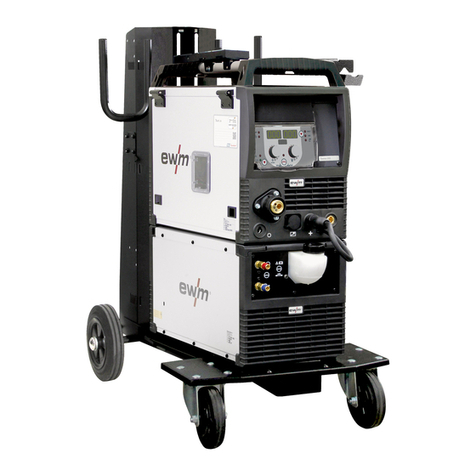
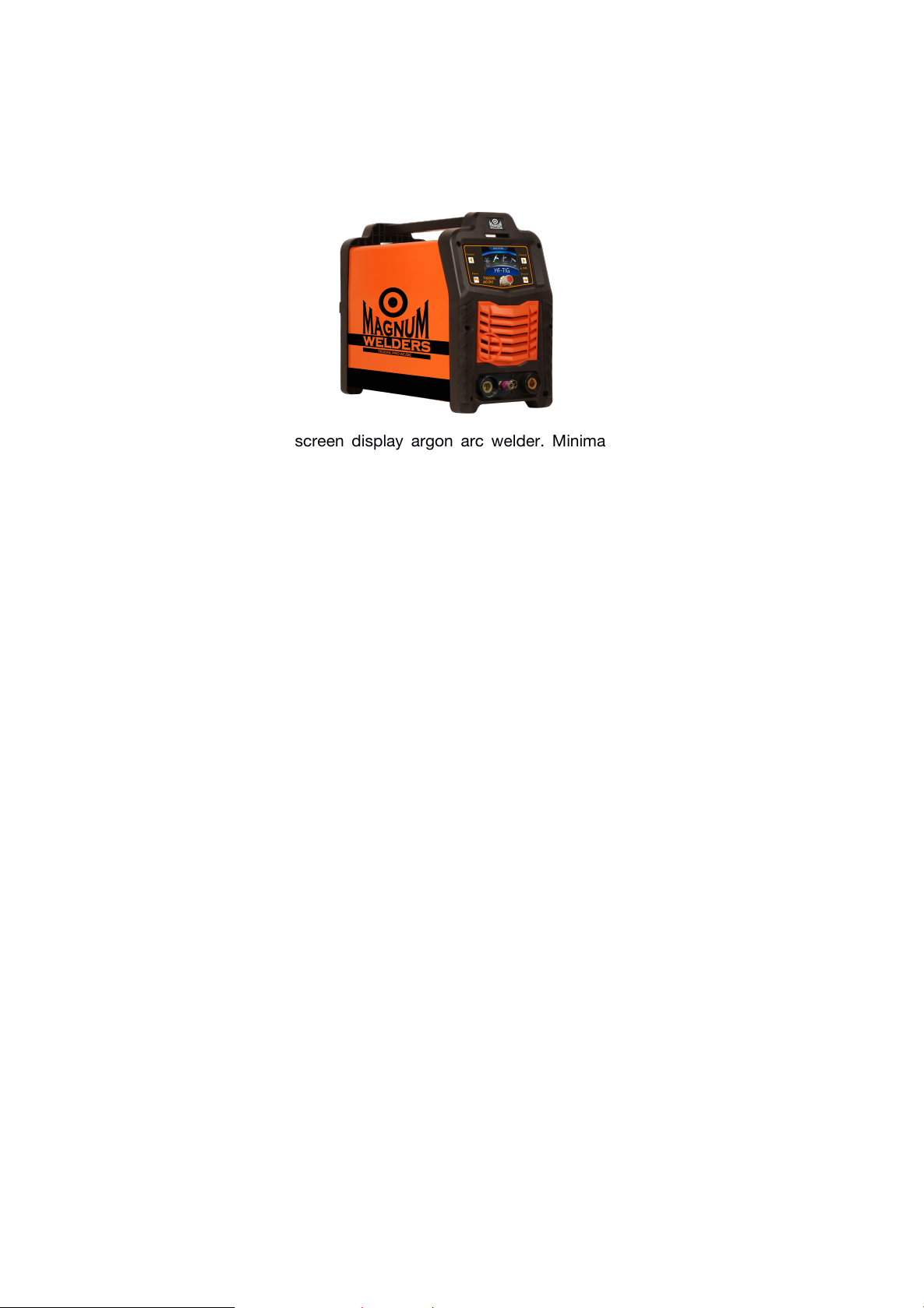
TIG200L PRO AC/DC
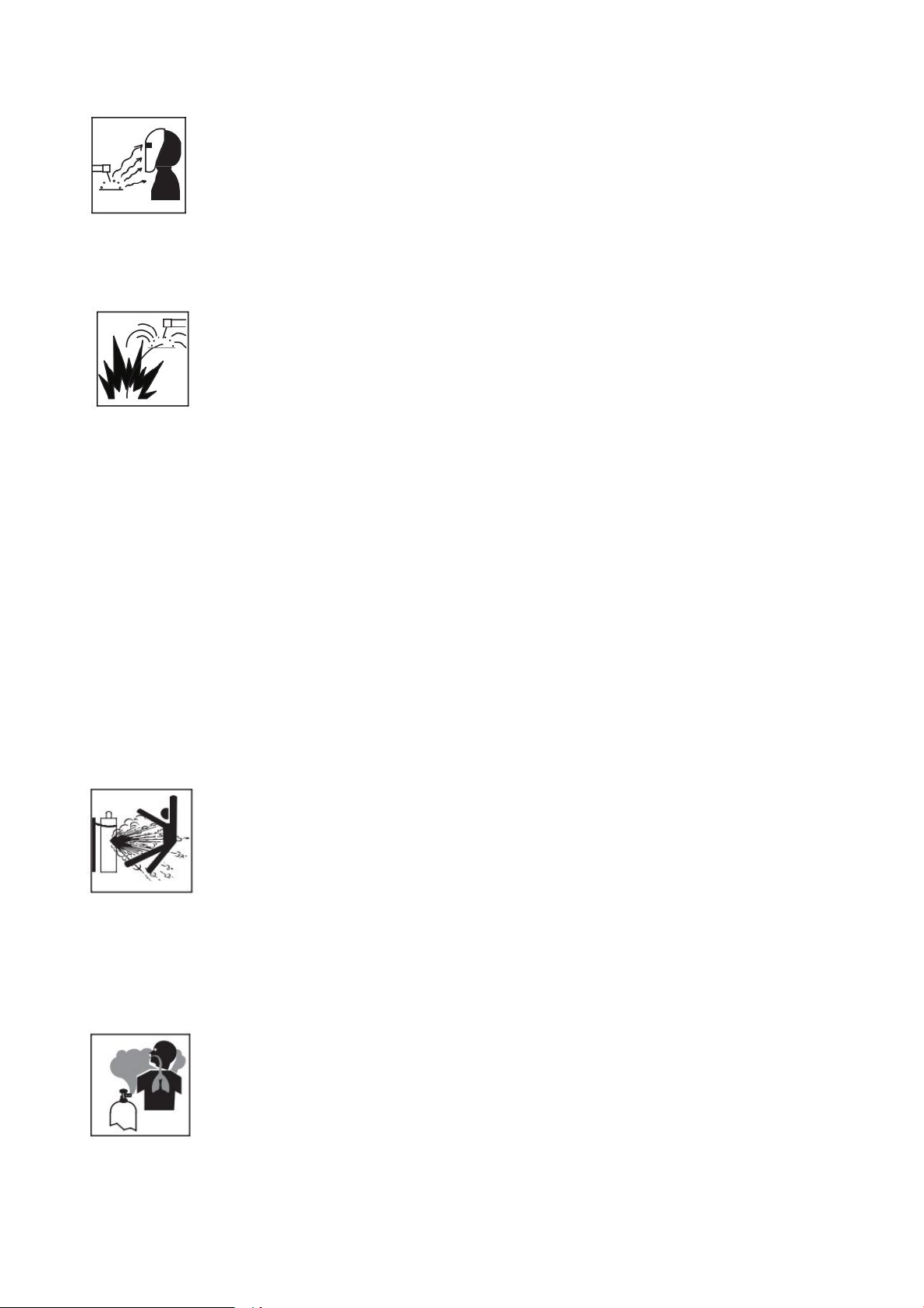
Arc rays: harmful to people’s eyes and skin. Arc rays from the welding/cutting process
produce intense visible and invisible ultraviolet
and infrared rays that can burn eyes and skin.Always wear a welding helmet with correct
shade of filter lens and suitable protective clothing including welding gloves whilst the
welding/cutting operation is performed.
• Measures should be taken to protect people in or near the surrounding working area.
Use protective screens or barriers to protect
others from flash,glare and sparks; warn others not to watch the arc.
Fire hazard. Welding/cutting on closed containers, such as tanks,drums, or pipes, can
cause them to explode. Flying sparks from the
welding/cutting arc, hot work piece, and hot equipment can cause fires and burns.
Accidental contact of electrode to metal objects can cause sparks, explosion,
overheating, or fire. Check and be sure the area is safe before doing any
welding/cutting.
• The welding/cutting sparks & spatter may cause fire, therefore remove any flammable
materials well away from the working area. Cover flammable materials and containers
with approved covers if unable to be moved from the welding/cutting area.
• Do not weld/cut on closed containers such as tanks, drums, or pipes, unless they are
properly prepared according to the required Safety Standards to insure that flammable
or toxic vapours and substances are totally removed, these can cause an explosion
even though the vessel has been “cleaned”. Vent hollow castings or containers before
heating, cutting or welding. They may explode.
• Do not weld/cut where the atmosphere may contain flammable dust, gas, or liquid
vapours (such as petrol)
• Have a fire extinguisher nearby and know how to use it. Be alert that welding/cutting
sparks and hot materials from welding/cutting can easily go through small cracks and
openings to adjacent areas. Be aware that welding/cutting on a ceiling, floor, bulkhead,
or partition can cause fire on the hidden side.
Gas Cylinders. Shielding gas cylinders contain gas under high pressure. If damaged, a
cylinder can explode. Because gas cylinders are normally part of the welding/cutting
process, be sure to treat them carefully. CYLINDERS can explode if damaged.
• Protect gas cylinders from excessive heat, mechanical shocks, physical damage, slag,
open flames, sparks, and arcs.
• Insure cylinders are held secure and upright to prevent tipping or falling over.
• Never allow the welding/cutting electrode or earth clamp to touch the gas cylinder, do
not drape welding cables over the cylinder.
• Never weld/cut on a pressurised gas cylinder, it will explode and kill you.
• Open the cylinder valve slowly and turn your face away from the cylinder outlet valve
and gas regulator.
Gas build up. The build up of gas can causes a toxic environment, deplete the oxygen
content in the air resulting in death or injury. Many gases use in welding/cutting are
invisible and odourless.
• Shut off shielding gas supply when not in use.
• Always ventilate confined spaces or use approved air-supplied respirator.