manuals.online logo
Brands
  1. Home
  2. •
  3. Brands
  4. •
  5. Massoth
  6. •
  7. Control Unit
  8. •
  9. Massoth DiMAX 1210Z User manual

Massoth DiMAX 1210Z User manual

Other manuals for DiMAX 1210Z

1

This manual suits for next models

3

Other Massoth Control Unit manuals

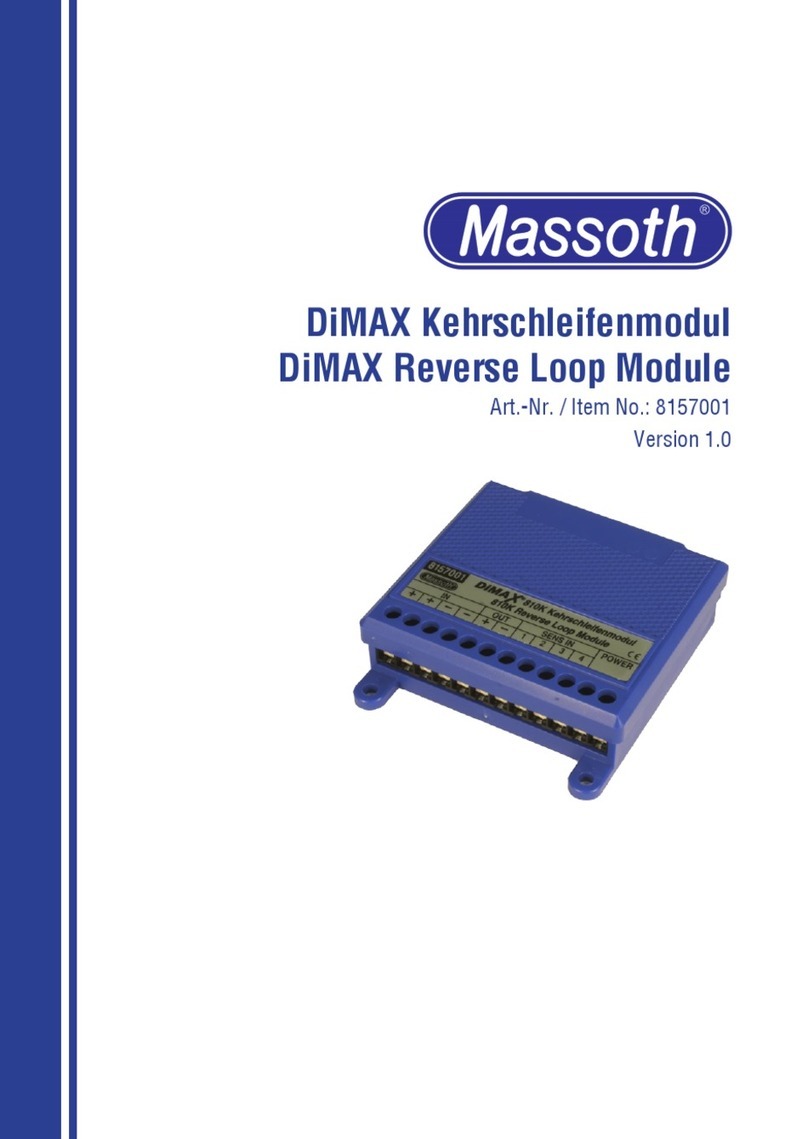
Massoth 8157001 User manual

Massoth

Massoth 8157001 User manual

Massoth eMOTION 8242060 User manual

Massoth

Massoth eMOTION 8242060 User manual

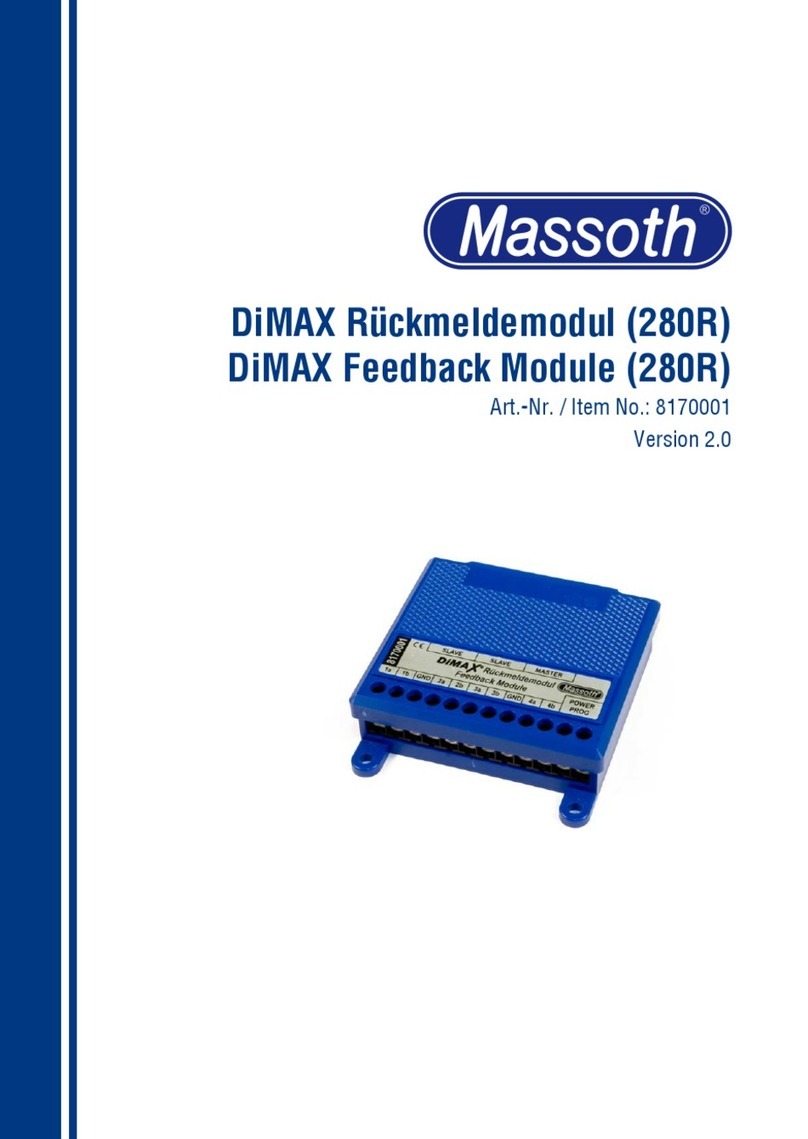
Massoth DiMAX 280R User manual

Massoth

Massoth DiMAX 280R User manual

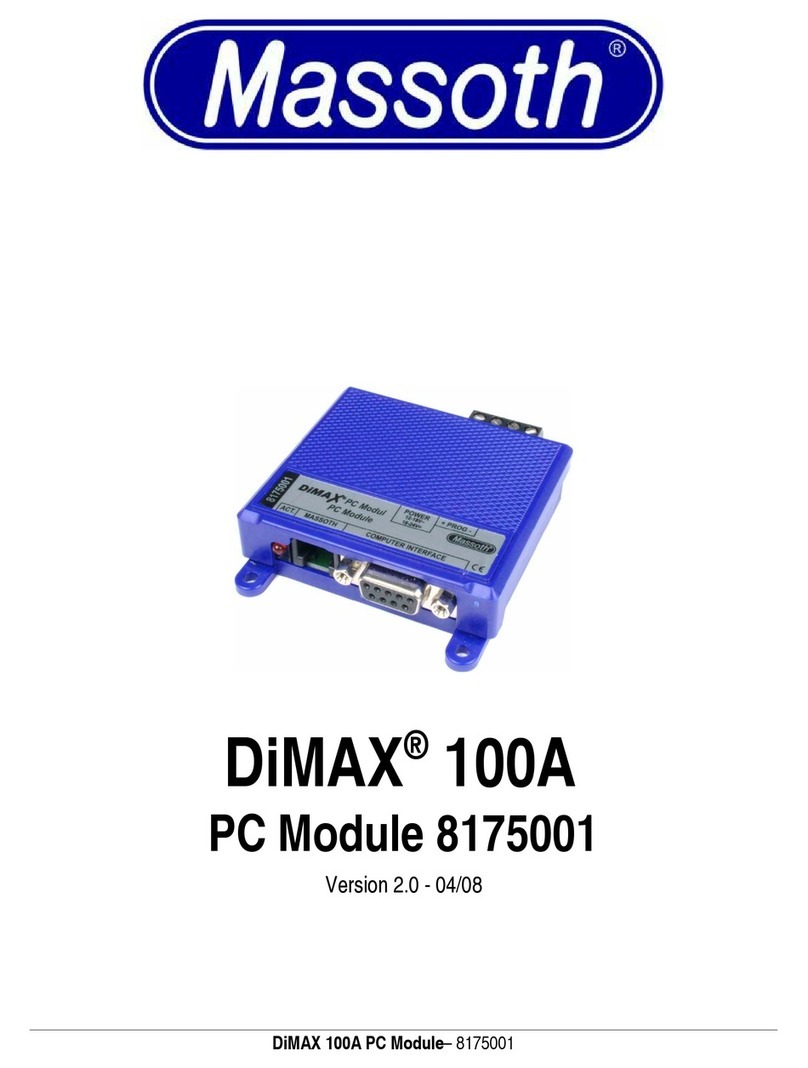
Massoth DiMAX 100A User manual

Massoth

Massoth DiMAX 100A User manual

Massoth DiMAX 8175201 User manual

Massoth

Massoth DiMAX 8175201 User manual

Popular Control Unit manuals by other brands

Seitz 14A80 user manual

Seitz

Seitz 14A80 user manual

Wilo RS485 Installation and operating instructions

Wilo

Wilo RS485 Installation and operating instructions

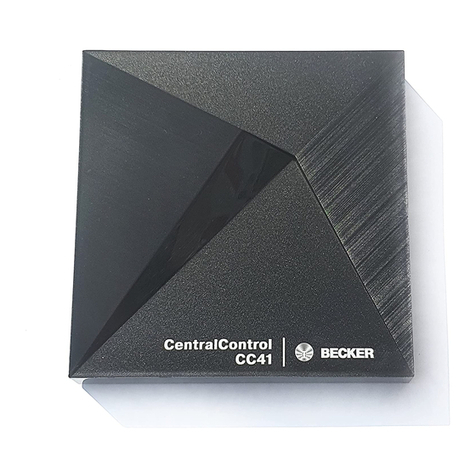
Becker CentralControl CC41 Commissioning Instruction

Becker

Becker CentralControl CC41 Commissioning Instruction

SICK CDB650 operating instructions

SICK

SICK CDB650 operating instructions

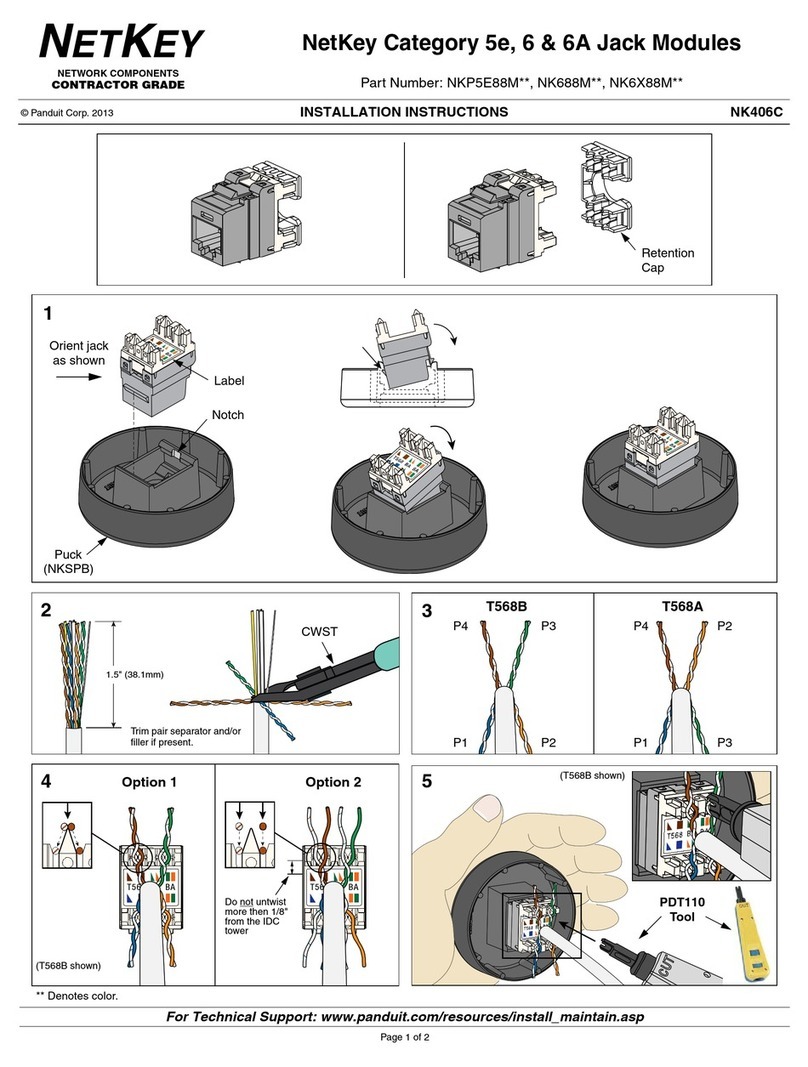
Panduit NetKey NKP5E88M Series installation instructions

Panduit

Panduit NetKey NKP5E88M Series installation instructions

MX Options Concentric Petite Fitting instructions

MX

MX Options Concentric Petite Fitting instructions

Clean Water Systems Fleck 2510 Installation & start?up guide

Clean Water Systems

Clean Water Systems Fleck 2510 Installation & start?up guide

Fairchild FSB44104A user guide

Fairchild

Fairchild FSB44104A user guide

LEGRAND Wattstopper LMIN-104 installation instructions

LEGRAND

LEGRAND Wattstopper LMIN-104 installation instructions

PMK ATT10BNCS instruction manual

PMK

PMK ATT10BNCS instruction manual

Tektronix TDS3FFT user manual

Tektronix

Tektronix TDS3FFT user manual

Woodward easYgen Technical manual

Woodward

Woodward easYgen Technical manual

Balluff BNI EIP-502-105-R015 user guide

Balluff

Balluff BNI EIP-502-105-R015 user guide

NXP Semiconductors TWR-LS1021A Getting started

NXP Semiconductors

NXP Semiconductors TWR-LS1021A Getting started

Advantech PCM-3117 Startup manual

Advantech

Advantech PCM-3117 Startup manual

Danfoss MCO 101 manual

Danfoss

Danfoss MCO 101 manual

Moons' Lin Engineering R701P user manual

Moons'

Moons' Lin Engineering R701P user manual

Aventics RV1 operating instructions

Aventics

Aventics RV1 operating instructions

manuals.online logo
manuals.online logoBrands
  • About & Mission
  • Contact us
  • Privacy Policy
  • Terms and Conditions

Copyright 2025 Manuals.Online. All Rights Reserved.

DiMAX 1210Z Dgitalzentrale
DiMAX 1210Z Central Station
8136501
2
1. Beschreibung
Die DiMAX 1210Z Digitalzentrale ist die optimale
Gartenbahnzentrale für Modellbahnanlagen mit
höchsten Anforderungen. Sie vereint kraftvolle 12
Ampere Fahrstrom mit hohem Sicherheitsstandard
und zukunftsweisender Technologie. Auf Basis des
NMRA / DCC Systems steuert die DiMAX 1210Z
Digitalzentrale Lokmodelle mit Dekodern von allen
bekannten Herstellern. Als eines der wenigen
Digitalsysteme kann die DiMAX 1210Z sowohl
parallele als auch serielle Funktionsdaten senden
und damit auch Loks älterer Soundgenerationen
ansteuern. Ein Umbau dieser Modelle ist daher
nicht notwendig.
1.1 Funktionsumfang
•12 Ampere Fahrstrom
(per Menü einstellbar 4 / 7 und 12 Ampere)
•Spannungsversorgung 16 - 24 V DC
•Spannungsregelung (regelbar 14... 22 Volt)
•Abschaltzeit einstellbar bei Kurzschluss
(einstellbar von 0,1 bis 0,8 Sekunden)
•Lüfter fest integriert (temperaturgesteuert)
•LCD Display (weiße Schrift auf blauer Hintergrund
beleuchtung)
•NMRA DCC kompatibel
•LGB® MZS kompatibel
•parallele und serielle Funktionsdatenverarbeitung
•separater Programmiergleisanschluss
•Boosterschnittstelle
•DiMAX Bus
•DiMAX FB Rückmeldebus
•separater STOP Kontakt (busunabhängig)
•USB Interface
Systemeigenschaften:
•10239 Lokadressen
•14 / 28 / 128 Fahrstufen
•2048 Weichenadressen
•2048 Rückmeldeadressen
•Datenbank für 128 Lokadressen
(Eingabe durch Handregler)
•32 Loks gleichzeitig steuerbar
•Automatikbetrieb ohne PC
(direkt per Rückmelder oder Belegtmelder)
•CV Schreiben (direkt / indirekt)
•CV Lesen
•Register-Programmierung
•POM (Program on Main)
1. General Description
The DiMAX 1210Z Central Station is the best choice
for Garden Railroaders. It is the best combination
of a powerful 12 Amps driving current, high safety
standards and up to date high end technology.
Based on the NMRA Standard the DiMAX 1210Z
Central Station controls Locomotives equipped
with decoders of all major manufacturers. A unique
feature is the ability to produce digital and analog
signals which enables the DiMAX 1210Z to operate
locomotives equipped with older sound modules.
A conversion of old models is therefore not neces-
sary.
1.1 Summary of Functions
•12 Amps Driving Current
(adjustable to 4 / 7 and 12 Amps)
•Supply Voltage 16 V to 24 V DC
•Voltage regulation (adjustable from 14... 22 V)
•Adjustable Turn Off Time in case of short circuit
(between 0.1 and 0.8 sec)
•Integrated Fan (Temperature Controlled)
•LCD Display (White Letters with Blue Background
Lighting)
•Compatible to NMRA DCC
•Compatible to LGB® MTS
•Parallel and Serial Data Processing
•Separate Programming Outlet
•Booster Interface
•DiMAX Bus
•DiMAX FB Feedback bus
•seperate STOP Kontakt (bus independant)
•USB Interface
Systemspecications:
•10239 Locomotive Addresses
•14/28/128 Speed Steps
•2048 Switch Addresses
•2048 Feed Back Addresses
•Database for 128 Locomotives
(Input with handheld Controller)
•32 Locomotives simultaneously controllable
•Automatic Function without PC
(using Feedback and Train Detection modules)
•Write CV (direct/indirect)
•Read CV
•Register Programming
•PoM (Program on Main)
3
1.2 Übersicht Systemanschlüsse
•externe Spannungsversorgung (16V - 24V DC)
mit separater Sicherung
•3 x DiMAX Busanschluss
(Frontseite / z.B. Handregler, Funkempfänger, etc.)
•1 x DiMAX FB Rückmeldebus (Rückseite)
•Fahrgleisanschluss
•Programmiergleisanschluss
•Boosterschnittstelle (Rückseite)
•USB Interface (für Updates, PC-Steuerung)
Die Anschlussbuchsen für DiMAX Steuerkompo-
nenten, wie z.B. Handregler, Funkempfänger, Rück-
melder, Belegtmelder, etc. können jederzeit über
einen zusätzlichen Verteiler (DiMAX Busverteiler
Art.Nr.: ME 8138001) erweitert werden.
1.3 Lieferumfang
•DiMAX Digitalzentrale
•Komponentenstecker zum Anschluss für Fahr- und
Programmiergleis sowie Spannungsversorgung
•Handbuch
1.2 Layout of Terminals
•external Power Supply (16 V to 24 V DC)
with separate fuse
•3 x DiMAX Bus connectors on the Front
(e.g. for Handheld Controller, etc.)
•1 x DiMAX FB Feedback bus (Backside)
•Track Power connector
•Programing connector
•Booster Interface (on the back)
•PC Interface USB (for Updates, PC-Controlling)
The bus outlets for handheld controllers, RC receiv-
ers, feedback modules etc. may be extended by an
additional DiMAX Adapter (Item No. 8138001).
1.3 Scope of Supply
•DiMAX Central Station
•Multi-Connector (to connect track power, program-
ming track and external power source)
•Manual
4
2. Inbetriebnahme
Das folgende Kapitel widmet sich der ersten Inbe-
triebnahme der DiMAX Digitalzentrale. Gehen Sie
dazu bitte wie folgend beschrieben vor.
2.1 Anschluss
Nehmen Sie die Digitalzentrale aus der Verpackung
heraus. Stellen Sie die Zentrale an einen dafür ge-
eigneten Platz. Wegen der Wärmeentwicklung, soll-
te die Zentrale nicht in der Nähe eines Heizkörpers
positioniert oder auch direkter Sonneneinstrahlung
ausgesetzt werden.
Der Lüfter auf der Rückseite sowie die Luftan-
saugöffnungen müssen jederzeit frei bleiben und
dürfen nicht blockiert werden.
Nehmen Sie den grünen Anschlussstecker aus der
Packung der Digitalzentrale heraus. Verwenden Sie
einen Schraubendreher um das Anschlusskabel
Ihres Fahrgleises und die Kabel der Versorgungs-
spannung in die korrekten Buchsen des Steckers zu
schrauben (Abb. 3).
Die Zentrale unbedingt NUR mit Gleichspannung
(16-24V) versorgen. Beachten Sie die Polarität der
Anschlüsse.
Stecken Sie den Stecker anschließend in die dafür
vorgesehene grüne Buchse auf der Rückseite der
Digitalzentrale.
WICHTIG: Fahrgleis und Programmiergleis dürfen
elektrisch nicht verbunden sein!
2. Starting Up
The chapters below will guide you through the set
upandrstoperationofyourDiMAXCentralSta-
tion. Please follow every step closely.
2.1 Connection
Take the Central Station out of the packaging. Place
the control panel in a suitable location. Due to heat
generation, the Central Station should not be placed
near a radiator or exposed to direct sunlight.
The ventilation outlet is on the back side and it
should be kept clear of any obstructions at all
times.
Remove the green connector plug from the digital
control unit package. Use a screwdriver to screw
the connection cable of your track and the cables
of the supply voltage into the correct sockets of the
plug (Fig. 3).
The Central Station must only be operated with
DC (16-24V) voltage. Pay attention to the correct
polarity.
Then plug the connector into the green socket
provided for this purpose on the back of the digital
control unit.
IMPORTANT: Track power and program power
must never be connected.
5
Display
Funktionstasten
Function Keys
Status-Led‘s
DiMAX Bus
Abbildung 1: Frontansicht der DiMAX 1210Z
Illustration #1: Front view of the DiMAX 1210Z
Sicherung
Fuse
Steuerungsbuchsen
Control sockets
Lüfter
Fan
Hauptanschluss
Main connector
Abbildung 2: Die Rückansicht der DiMAX 1210Z
Illustration #2: Rear view of the DiMAX 1210Z
Fahrgleis / Track Power
Programmiergleis
Programming track
Hauptanschlussstecker
Multi connector
Sicht v. hinten / Back side
Externer
Spannungsversorgungseingang
16-24V=
bei ca. 350 VA
External power
16-24V=
at appr. 350 VA
Abbildung 3: Belegung des Hautanschluss-Steckers
Illustration #3: Assignment of the Main connector
6
2.2 Display & Tastatur
Das Display informiert im Betrieb jederzeit über den
aktuellen Zustand der Anlage (Abb. 4). Wichtige
Daten, wie z.B. die momentane Auslastung in Am-
pere, die Anzahl der aktiven Loks, der eingestellte
maximale Fahrstrom (12 Ampere bzw. wie einge-
stellt), die Abschaltzeit bei Kurzschlusserkennung
und die gemessene Fahrspannung (22 Volt) werden
immer aktuell angezeigt. Mit den drei Tasten unter
dem Display navigieren Sie durch das Menü der
Digitalzentrale. Dabei zeigt die unterste Zeile des
Displays die Belegung der Tasten, abhängig von der
entsprechenden Menüfunktion.
Abbildung 4: Display im Fahrbetrieb
Illustration #4: Display in operation mode
2.2 Display and Keyboard
The display (Fig. #4) shows important information
regarding the operation of your DiMAX Central
Station at all times: Number of active locomotives,
present current load (Amps), maximum Amps (12
Amps or as selected), turn off time in case of short
circuit (as selected) and the measured driving
voltage. Use the three keys below the display to
navigate through the menu. The lower line in the
display shows the assignments of the keys and the
function respectively.
7
2.3 Status LEDs
Die Zentrale verfügt an der Frontseite über 4 LEDs
die den Zustand der Zentrale anzeigen.
Power-LED
(grün) Nach dem Starten der Zentrale und
erfolgreichem Abschluss des Sys-
temtestsbendetsichdieZentrale
im Fahrbetrieb. Die Power-LED
leuchtet dabei dauerhaft.
Aktivitäts-LED
(gelb) Die Aktivitäts-LED blinkt im Betrieb
wenn durch die Steuerkomponen-
ten Befehle erfolgen. Beim Empfang
von Firmwareupdates einer Kompo-
nente blinkt die LED beim Empfang
der einzelnen Datenpakete vom PC.
Booster-LED
(gelb) Die Booster-LED leuchtet, wenn
über einen angeschlossenen
Booster ein Kurzschluss gemeldet
wird. Bei fehlerhaften Daten blitzt
die LED kurz auf.
STOP-LED
(rot) Die STOP-LED blinkt, bzw. leuchtet,
wenn über die Zentrale oder ein
Steuergerät bzw. Rückmeldekon-
takt der NOTSTOP ausgelöst wird.
2.4 Anschluss der Steuerkomponenten
Die DiMAX Digitalzentrale verfügt an der Frontseite
über 3 Anschlussbuchsen für Steuerkomponenten
wie z.B. den DiMAX Navigator, DiMAX Buskom-
ponenten, wie z.B. Rückmelder und Belegtmelder,
sowie den DiMAX Buswandler zum Anschluss der
LGB® MZS II Steuer- und Buskomponenten.
Die DiMAX Digitalzentrale wird nach dem erfolgrei-
chen Systemtest den Steuerbus (gekennzeichnet
mit CONTROL BUS) aktivieren. Angeschlossene
Komponenten nehmen daraufhin den Betrieb mit
der Zentrale auf.
2.3 Status LEDs
4 LEDs show the state of operation of your DiMAX
Central Station:
Power LED
(green) After switch-on and after the
successful internal test the DiMAX
1210Z Central Station switches into
normal driving mode. The power
LED is steadily illuminated.
Activity LED
(yellow) The activity LED is blinking when
data is being processed and sent
to components. In case of software
update this LED will blink during
reception of data.
Booster LED
(yellow) The booster LED lights up when
a short circuit is reported via a
connectedbooster.TheLEDashes
brieyintheeventoffaultydata.
STOP LED
(red) The STOP LED blinks or is illumi-
nated if an emergency stop had
been initiated by the DiMAX Central
Station or other components.
2.4 Connecting the Input Devices
The DiMAX Central Station features four recep-
tacles for devices such as the DiMAX Navigator
and other DiMAX Components such as the DiMAX
Feedback Interface, the DiMAX Train Detection
Module, a Switch Decoder or the DiMAX Trans-
ducer for MTS II Bus Components. After the
completion of the internal system test the DiMAX
Central Station will power up the control bus.
Peripheral components connected to this bus will
start working.

8
3. Erstes Einschalten
Nach dem ersten Einschalten sehen Sie am Display
nacheinander 3 verschiedene Anzeigen. In der letz-
ten Anzeige wird Ihnen für einige Sekunden unten
die Seriennummer und der aktuelle Firmwarestand
der DiMAX angezeigt (Abb. 5).
3.1 Das Display
Nach dem Bootvorgang wird Ihnen das Fahr-
betriebsmenü angezeigt. Hier haben Sie eine
Übersicht aller Grunddaten (Abb. 6).
Abbildung 6: Fahrdisplay
Illustration #6: Driving operation
3. First Switch-on
After the switching on the Central Station and
booting, the display shows three indications one
after another. The last indication displays the serial
number and the current software installed (Fig. #5).
3.1 The Display
After booting, the DiMAX Central Station displays
the main menu window for driving operation (Fig.
#6):
Abbildung 5: Bootvorgang
Illustration #5: Indications during booting
9
3.2 Menüsteuerung
Die Einstellungen für das Digitalsystem werden
im Menü der Zentrale vorgenommen. Es stehen
verschiedene Einstellungsoptionen zur Verfügung.
Mit der mittleren Taste (hier bezeichnet mit MENÜ)
öffnen Sie das Menü der Zentrale. Nutzen Sie alle
drei Tasten, abhängig von Ihrer Belegung zum
Navigieren durch das Menü und zum Einstellen der
entsprechend gewünschten Funktionen (Abb. 7).
3.3 Die NOT-STOP Taste
Möchten Sie den Strom am Gleis schnell unter-
brechen, gibt es hierzu mehrere Möglichkeiten. An
der Zentrale (Abb. 8+9): Sie können aber auch die
STOP Taste am Navigator benutzen.
Funktionstastenbelegung
Function key assignment
Funktionstasten
Function Keys
Abbildung 7: Menüsteuerung
Illustration #7: Menu Prompting
Abbildung 8: Auslösung Not-Stop
Abbildung 9: Aufhebung Not-Stop
Illustration #8: Emergency Stop
Illustration #9: Cancel emergency stop
3.2 Menu Prompting
The settings for the digital system are made in
the control panel menu. Various setting options
are available. Use the middle button (here labeled
MENU) to open the control panel menu. Use all
three buttons, depending on their assignment, to
navigate through the menu and set the correspond-
ing desired functions (Fig. #7).
3.3 The Emergency Stop Key
There are several options to initiate an emergency
stop. At the Central Station (Fig. #8+#9): The same
functions are available with a DiMAX Navigator.
10
4. MENÜ-Übersichtsdiagramm