manuals.online logo
Brands
  1. Home
  2. •
  3. Brands
  4. •
  5. MQ Multiquip
  6. •
  7. Trowel
  8. •
  9. MQ Multiquip J36B65 User manual

MQ Multiquip J36B65 User manual

Other MQ Multiquip Trowel manuals

MQ Multiquip MQS36H55 Guide

MQ Multiquip

MQ Multiquip MQS36H55 Guide

MQ Multiquip WHITEMAN Series User manual

MQ Multiquip

MQ Multiquip WHITEMAN Series User manual

MQ Multiquip HTX6H User manual

MQ Multiquip

MQ Multiquip HTX6H User manual

MQ Multiquip HDA SERIES Guide

MQ Multiquip

MQ Multiquip HDA SERIES Guide

MQ Multiquip WHITEMAN B Series Guide

MQ Multiquip

MQ Multiquip WHITEMAN B Series Guide

MQ Multiquip WHITEMAN Series User manual

MQ Multiquip

MQ Multiquip WHITEMAN Series User manual

MQ Multiquip J36E2 Guide

MQ Multiquip

MQ Multiquip J36E2 Guide

MQ Multiquip JS36/30H55DE Series Guide

MQ Multiquip

MQ Multiquip JS36/30H55DE Series Guide

MQ Multiquip WHITEMAN B46B90 User manual

MQ Multiquip

MQ Multiquip WHITEMAN B46B90 User manual

MQ Multiquip WHITEMAN CA4HC User manual

MQ Multiquip

MQ Multiquip WHITEMAN CA4HC User manual

Popular Trowel manuals by other brands

Bartell BM90 Owner's manual and parts book

Bartell

Bartell BM90 Owner's manual and parts book

Stone CF24E Operator's manual

Stone

Stone CF24E Operator's manual

allen HP105 Operations & parts manual

allen

allen HP105 Operations & parts manual

Norton MTA 36 Operating instructions and spare parts list

Norton

Norton MTA 36 Operating instructions and spare parts list

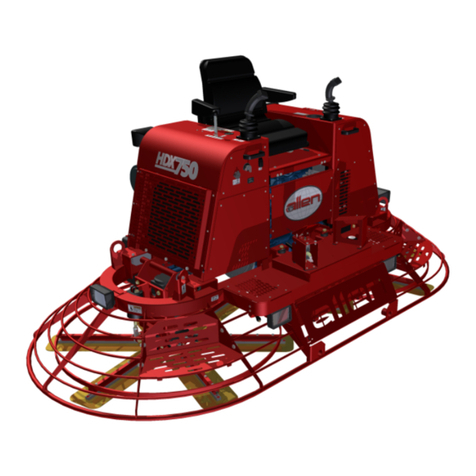
allen HDX750 Operations & parts manual

allen

allen HDX750 Operations & parts manual

Beton Trowel BT120H270 instruction manual

Beton Trowel

Beton Trowel BT120H270 instruction manual

Wacker Neuson CT 36-400E Operator's manual

Wacker Neuson

Wacker Neuson CT 36-400E Operator's manual

MULTIQUIP Whiteman series Operation manual

MULTIQUIP

MULTIQUIP Whiteman series Operation manual

MULTIQUIP Whiteman STXD6i Operation manual

MULTIQUIP

MULTIQUIP Whiteman STXD6i Operation manual

MULTIQUIP hhn34tvdtcsl4 Operation manual

MULTIQUIP

MULTIQUIP hhn34tvdtcsl4 Operation manual

Husqvarna BG Combi Operator's manual

Husqvarna

Husqvarna BG Combi Operator's manual

WACKER Group CT 30 Series Repair manual

WACKER Group

WACKER Group CT 30 Series Repair manual

Marshalltown M4611 manual

Marshalltown

Marshalltown M4611 manual

Wacker Neuson CRT 48-31V Operator's manual

Wacker Neuson

Wacker Neuson CRT 48-31V Operator's manual

Superabrasive LAVINA LP36 Series user manual

Superabrasive

Superabrasive LAVINA LP36 Series user manual

allen MSP455 Operations & parts manual

allen

allen MSP455 Operations & parts manual

Lievers LTM600ER user manual

Lievers

Lievers LTM600ER user manual

Sima HALCON-95 Original user guide

Sima

Sima HALCON-95 Original user guide

manuals.online logo
manuals.online logoBrands
  • About & Mission
  • Contact us
  • Privacy Policy
  • Terms and Conditions

Copyright 2025 Manuals.Online. All Rights Reserved.

To find the latest revision of this publication or
associated parts manual, visit our website at:
www.multiquip.com
OPERATION MANUAL
THIS MANUAL MUST ACCOMPANY THE EQUIPMENT AT ALL TIMES.
MODEL J36B65
WALK-BEHIND TROWEL
(VANGUARD 6.5 HP GASOLINE ENGINE)
Revision #1 (05/18/22)
PN: 48237
PAGE 2 — J36B65 WALK-BEHIND TROWEL • OPERATION MANUAL — REV. #1 (05/18/22)
PROPOSITION 65 WARNING
J36B65 WALK-BEHIND TROWEL • OPERATION MANUAL — REV. #1 (05/18/22) — PAGE 3
Grinding/cutting/drilling of masonry, concrete, metal and
other materials with silica in their composition may give
off dust or mists containing crystalline silica. Silica is a
basic component of sand, quartz, brick clay, granite and
numerous other minerals and rocks. Repeated and/or
substantial inhalation of airborne crystalline silica can
cause serious or fatal respiratory diseases, including
silicosis.Inaddition, California and some other
authorities have listed respirable crystalline silica as a
substance known to cause cancer. When cutting such
materials, always follow the respiratory precautions
mentioned above.
WARNING
Grinding/cutting/drilling of masonry, concrete, metal and
other materials can generate dust, mists and fumes
containing chemicals known to cause serious or fatal
injury or illness, such as respiratory disease, cancer,
birth defects or other reproductive harm. If you are
unfamiliar with the risks associated with the particular
process and/or material being cut or the composition of
the tool being used, review the material safety data
sheet and/or consult your employer, the material
manufacturer/supplier, governmental agencies such as
OSHA and NIOSH and other sources on hazardous
materials. California and some other authorities, for
instance, have published lists of substances known to
cause cancer, reproductive toxicity,or other harmful
effects.
Control dust, mist and fumes at the source where
possible. In this regard use good work practices and
follow the recommendations of the manufacturers or
suppliers, OSHA/NIOSH, and occupational and trade
associations.Water should be used for dust
suppression when wet cutting is feasible. When the
hazards from inhalation of dust, mists and fumes cannot
be eliminated, the operator and any bystanders should
always wear a respirator approved by NIOSH/MSHA for
the materials being used.
WARNING
SILICOSIS WARNING RESPIRATORY HAZARDS
SILICOSIS/RESPIRATORY WARNINGS

PAGE 4 — J36B65 WALK-BEHIND TROWEL • OPERATION MANUAL — REV. #1 (05/18/22)
TABLE OF CONTENTS
J36B65 Walk-Behind Trowel
Proposition 65 Warning ........................................... 2
Silicosis/Respiratory Warnings ................................ 3
Table Of Contents.................................................... 4
Training Checklist .................................................... 5
Daily Pre-Operation Checklist ................................. 6
Safety Information ............................................. 7–11
Lifting And Transporting......................................... 12
Specifications (Trowel)........................................... 13
Dimensions............................................................ 14
General Information............................................... 15
Components (Trowel) ...................................... 16–17
Components (Engine)............................................ 18
Setup ............................................................... 19–23
Inspection ........................................................ 24–26
Operation......................................................... 27–31
Options ............................................................ 32–33
Maintenance.................................................... 34–42
Troubleshooting (Engine)................................. 43–44
Troubleshooting (Trowel).................................. 45–46
Wiring Diagram...................................................... 47
J36B65 WALK-BEHIND TROWEL • OPERATION MANUAL — REV. #1 (05/18/22) — PAGE 5
TRAINING CHECKLIST
Training Checklist
No. Description OK? Date
1 Read operation manual completely.
2
Machine layout,
location of components,
checking of engine oil level.
3 Fuel system, refueling procedure.
4Operation of controls
(machine not running).
5Safety controls,
safety stop switch operation.
6 Emergency stop procedures.
7 Startup of machine, engine choke.
8 Maintaining a hover.
9 Maneuvering.
10 Pitching.
11 Concrete finishing techniques.
12 Shutdown of machine.
13 Lifting of machine (lifting bail).
14 Machine transport and storage.
PAGE 6 — J36B65 WALK-BEHIND TROWEL • OPERATION MANUAL — REV. #1 (05/18/22)
DAILY PRE-OPERATION CHECKLIST
Daily Pre-Operation Checklist      
1 Engine oil level
2 Gearbox oil level
3 Condition of blades
4 Blade pitch operation
5 Safety stop switch operation
J36B65 WALK-BEHIND TROWEL • OPERATION MANUAL — REV. #1 (05/18/22) — PAGE 7
SAFETY INFORMATION
Do not operate or service the equipment before reading
the entire manual. Safety precautions should be followed
at all times when operating this equipment.
Failure to read and understand the safety
messages and operating instructions could
result in injury to yourself and others.
SAFETY MESSAGES
The four safety messages shown below will inform you
about potential hazards that could injure you or others.The
safety messages specifically address the level of exposure
to the operator and are preceded by one of four words:
DANGER, WARNING, CAUTION
or NOTICE.
SAFETY SYMBOLS
DANGER
Indicates a hazardous situation which, if not avoided,
WILL result in DEATH or SERIOUS INJURY.
WARNING
Indicates a hazardous situation which, if not avoided,
COULD result in DEATH or SERIOUS INJURY.
CAUTION
Indicates a hazardous situation which, if not avoided,
COULD result in MINOR or MODERATE INJURY.
NOTICE
Addresses practices not related to personal injury.
Potential hazard associated with the operation of this
equipment will be referenced with hazard symbols
which
may appear throughout this manual in conjunction with
safety messages.
Warning decals
associated with the operation of this
equipment are defined below:
Inhaling exhaust fumes can result in severe
injury or death.
Only operate equipment in well ventilated areas.
inhale exhaust gases/fumes.DO NOT
WARNING
Lethal Exhaust Gas Hazard
HOT PARTS can burn skin.
CAUTION
Burn Hazard
touch hot parts. Allow machine a sufficient
amount of time to cool before performing maintenance.
DO NOT
Gasoline fuel can cause fire or explosion. Stop
engine before refueling.
Keep cigarettes, sparks and flames away from hot
surfaces.
WARNING
Explosive Fuel Hazard
SYMBOL SAFETY HAZARD
Keep hands and feet clear of guard rings.
Stop engine before servicing.
WARNING
Rotating Blade Hazard
To avoid injury you must read and
understand operator’s manual before
using this machine.
P/N 23700
allow any person
to stand underneath the trowel while lifting.
NEVER
P/N 36099
ALWAYS wear protective clothing when
operating this equipment
This machine to be operated by qualified
personnel. Ask for training as needed.
Lifting Crush Hazard
lift trowel with pans attached.DO NOT
WARNING
WARNING
Read Manual
NEVER operate this equipment with guards
removed. Keep hands clear.
WARNING
Training
Guard Hazard
WARNING
make sure handle is securely attached.
On Quick Pitch™ models make sure T-Handle
latch is locked (engaged).
ALWAYS
DECAL SAFETY HAZARD
PAGE 8 — J36B65 WALK-BEHIND TROWEL • OPERATION MANUAL — REV. #1 (05/18/22)
SAFETY INFORMATION
GENERAL SAFETY
CAUTION

NEVER operate this equipment without proper protective
clothing, shatterproof glasses, respiratory protection,
hearing protection, steel-toed boots and other protective
devices required by the job or city and state regulations.

Avoid wearing jewelry or loose fitting clothes that may
snag on the controls or moving parts as this can cause
serious injury.

NEVER operate this equipment when not
feeling well due to fatigue, illness or when
under medication.

NEVER operate this equipment under the
influence of drugs or alcohol.

ALWAYS clear the work area of any debris, tools, etc.
that would constitute a hazard while the equipment is
in operation.

No one other than the operator is to be in the working
area when the equipment is in operation.

DO NOT use the equipment for any purpose other than
its intended purposes or applications.
NOTICE

This equipment should only be operated by trained and
qualified personnel 18 years of age and older.

Whenever necessary, replace nameplate, operation and
safety decals when they become difficult read.

Manufacturer does not assume responsibility for any
accident due to equipment modifications. Unauthorized
equipment modification will void all warranties.
NEVER
use accessories or attachments that are not
recommended by Multiquip for this equipment. Damage
to the equipment and/or injury to user may result.
ALWAYS know the location of the nearest
fire extinguisher.
ALWAYS know the location of the nearest
first aid kit.
ALWAYS know the location of the nearest phone or
keep
a phone on the job site.
Also, know the phone numbers
of the nearest ambulance, doctor and
fire department.
This information will be invaluable in the case of an
emergency.
J36B65 WALK-BEHIND TROWEL • OPERATION MANUAL — REV. #1 (05/18/22) — PAGE 9
SAFETY INFORMATION
TROWEL SAFETY
DANGER

Engine fuel exhaust gases contain poisonous carbon
monoxide. This gas is colorless and odorless, and can
cause death if inhaled.

The engine of this equipment requires an adequate free
flow of cooling air. NEVER operate this equipment in any
enclosed or narrow area
where free flow of the air is
restricted. If the air flow is
restricted it will cause injury
to people and property and
serious damage to the
equipment or engine.

NEVER operate the equipment in an explosive
atmosphere or near combustible materials.An
explosion or fire could result causing severe
bodily harm or even death.
WARNING

ALWAYS keep clear of rotating or moving
parts while operating the trowel.

DO NOT start or operate the trowel if the
drive train will not disengage. Centrifugal
force between the trowel and surface when starting can
cause uncontrolled handle movement that can cause
serious injury. The handle must not move while pulling
the engine recoil starter.

NEVER disconnect any emergency or safety devices.
These devices are intended for operator safety.
Disconnection of these devices can cause severe injury,
bodily harm or even death. Disconnection of any of these
devices will void all warranties.
CAUTION

NEVER stand on trowel during operation.

NEVER lubricate components or attempt service on a
running machine.

NEVER place your feet or hands inside the guard rings
while starting or operating this equipment.
DANGEROUS
GAS FUMES
K
E
E
P
C
L
E
A
R
ALWAYS keep work area
clear around the trowel.
Make sure it is free of
debris and objects.
NOTICE
ALWAYS keep the machine in proper running condition.

Fix damage to machine and replace any broken parts
immediately.
ALWAYS
store equipment properly when it is not being
used. Equipment should be stored in a clean, dry location
out of the reach of children and unauthorized personnel.

A safety manual for operating and maintenance
personnel of concrete power trowels produced by the
Association of Equipment Manufacturers (AEM) can be
obtained for a fee by ordering through their website at
www.aem.org.
Order FORM PT-160
ENGINE SAFETY
WARNING
DO NOT
place hands or fingers inside engine
compartment when engine is running.
NEVER
operate the engine with heat shields or
guards removed.
Keep fingers, hands hair and clothing away
from all moving parts to prevent injury.
DO NOT remove the engine oil drain plug
while the engine is hot. Allow the oil to cool before
performing maintenance. This will prevent scalding of
personnel.
CAUTION
NEVER touch the hot exhaust manifold,
muffler or cylinder. Allow these parts to cool
before servicing equipment.
PAGE 10 — J36B65 WALK-BEHIND TROWEL • OPERATION MANUAL — REV. #1 (05/18/22)
SAFETY INFORMATION
NOTICE

NEVER run engine without an air filter or with a dirty air
filter. Severe engine damage may occur. Service air filter
frequently to prevent engine malfunction.

NEVER tamper with the factory settings
of the engine or engine governor. Damage
to the engine or equipment can result
if operating in speed ranges above the
maximum allowable.
FUEL SAFETY
DANGER

DO NOT add fuel to equipment if it is placed inside
truck bed with plastic liner. Possibility exists of explosion
or fire due to static electricity.

DO NOT start the engine near spilled fuel or combustible
fluids. Fuel is extremely flammable and its vapors can
cause an explosion if ignited.

ALWAYS refuel in a well-ventilated area, away from
sparks and open flames.

ALWAYS use extreme caution when working with
flammable liquids.

DO NOT fill the fuel tank while the engine is running
or hot.

DO NOT overfill tank, since spilled fuel could ignite if it
comes into contact with hot engine parts or sparks from
the ignition system.
FUEL
FUEL
Store fuel in appropriate containers, in well-ventilated
areas and away from sparks and flames.
NEVER use fuel as a cleaning agent.
DO NOT smoke around or near the
equipment. Fire or explosion could result
from fuel vapors or if fuel is spilled on a
hot engine.
TRANSPORTING SAFETY
CAUTION
NEVER allow any person or animal to
stand underneath the equipment while
lifting.
NOTICE

Some walk-behind trowels can be lifted or moved by two
people utilizing lifting tubes or other special attachments.
Generally, however, they must be lifted using lifting bales
and cranes, hoists, or forklifts.
NEVER
transport trowel with float pans attached unless
safety catches are used and are specifically cleared for
such transport by the manufacturer.
NEVER
hoist the trowel more than three feet off the
ground with float pans attached.

Before lifting, make sure that the lifting bales are not
damaged.

Always make sure crane or lifting device has been
properly secured to the lifting bales of the equipment.
ALWAYS shutdown engine before transporting.
NEVER lift the equipment while the engine is running.

Tighten fuel tank cap securely and close fuel cock to
prevent fuel from spilling.

Use adequate lifting cable (wire or rope) of sufficient
strength.
DO NOT lift machine to unnecessary heights.
ALWAYS
tie down equipment during transport by
securing the equipment with rope.