manuals.online logo
Brands
  1. Home
  2. •
  3. Brands
  4. •
  5. NETGEAR
  6. •
  7. Wireless Access Point
  8. •
  9. NETGEAR WND930 User manual

NETGEAR WND930 User manual

Other manuals for WND930

2

Other NETGEAR Wireless Access Point manuals

NETGEAR WAX615 User manual

NETGEAR

NETGEAR WAX615 User manual

NETGEAR WAC730 User manual

NETGEAR

NETGEAR WAC730 User manual

NETGEAR HE102 - Wireless Access Point User manual

NETGEAR

NETGEAR HE102 - Wireless Access Point User manual

NETGEAR WN804 User manual

NETGEAR

NETGEAR WN804 User manual

NETGEAR WG302v1 - ProSafe 802.11g Wireless Access... User manual

NETGEAR

NETGEAR WG302v1 - ProSafe 802.11g Wireless Access... User manual

NETGEAR WAX618-111NAS User manual

NETGEAR

NETGEAR WAX618-111NAS User manual

NETGEAR WG103 ProSafe User manual

NETGEAR

NETGEAR WG103 ProSafe User manual

NETGEAR WAX204 User manual

NETGEAR

NETGEAR WAX204 User manual

NETGEAR ProSafe WAGL102 User manual

NETGEAR

NETGEAR ProSafe WAGL102 User manual

NETGEAR PowerLine XWNB5602 User manual

NETGEAR

NETGEAR PowerLine XWNB5602 User manual

NETGEAR WAB102 - 802.11a+b Dual Band Wireless Access... User manual

NETGEAR

NETGEAR WAB102 - 802.11a+b Dual Band Wireless Access... User manual

NETGEAR WAC720 User manual

NETGEAR

NETGEAR WAC720 User manual

NETGEAR WG602v3 - Wireless Access Point User manual

NETGEAR

NETGEAR WG602v3 - Wireless Access Point User manual

NETGEAR WN802T User manual

NETGEAR

NETGEAR WN802T User manual

NETGEAR prosafe WAC740 User manual

NETGEAR

NETGEAR prosafe WAC740 User manual

NETGEAR WAG302v1 - ProSafe Dual Band Wireless Access... User manual

NETGEAR

NETGEAR WAG302v1 - ProSafe Dual Band Wireless Access... User manual

NETGEAR ME102 - Wireless Access Point User manual

NETGEAR

NETGEAR ME102 - Wireless Access Point User manual

NETGEAR ProSafe WG102-500 User manual

NETGEAR

NETGEAR ProSafe WG102-500 User manual

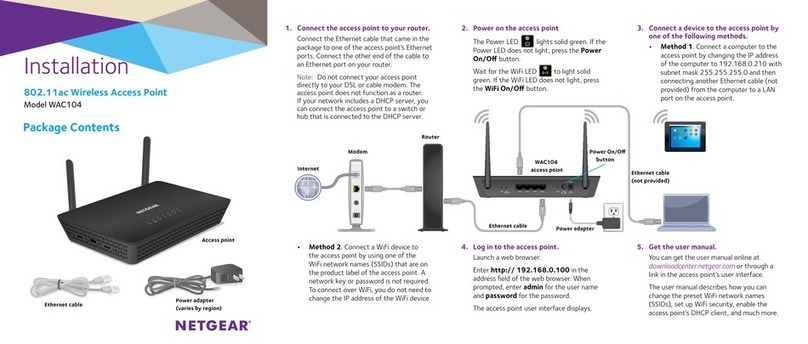
NETGEAR WAC104 User manual

NETGEAR

NETGEAR WAC104 User manual

NETGEAR WG102 - ProSafe Wireless Access Point User manual

NETGEAR

NETGEAR WG102 - ProSafe Wireless Access Point User manual

NETGEAR WAX214 User manual

NETGEAR

NETGEAR WAX214 User manual

NETGEAR WAC510 User manual

NETGEAR

NETGEAR WAC510 User manual

NETGEAR WG602v1 - Wireless Access Point User manual

NETGEAR

NETGEAR WG602v1 - Wireless Access Point User manual

NETGEAR WNHDE111-100NAS User manual

NETGEAR

NETGEAR WNHDE111-100NAS User manual

Popular Wireless Access Point manuals by other brands

D-Link DWL-2100AP - AirPlus Xtreme G Quick installation guide

D-Link

D-Link DWL-2100AP - AirPlus Xtreme G Quick installation guide

Ubiquiti NanoStation NSM2 quick start guide

Ubiquiti

Ubiquiti NanoStation NSM2 quick start guide

Cisco Aironet 1550 Series Getting started guide

Cisco

Cisco Aironet 1550 Series Getting started guide

Aruba IAP-335 user guide

Aruba

Aruba IAP-335 user guide

Advantek Networks AWN-AP-54MR user manual

Advantek Networks

Advantek Networks AWN-AP-54MR user manual

IP-COM AP355 user guide

IP-COM

IP-COM AP355 user guide

Buffalo AirStation WLA-L11G user manual

Buffalo

Buffalo AirStation WLA-L11G user manual

EnGenius EnStationACv2 user manual

EnGenius

EnGenius EnStationACv2 user manual

D-Link DAP-3662 Quick installation guide

D-Link

D-Link DAP-3662 Quick installation guide

Widelink ezWave WAP-1100 Series user guide

Widelink

Widelink ezWave WAP-1100 Series user guide

Edimax CAP1200 user manual

Edimax

Edimax CAP1200 user manual

xG Technology xMax CN1300 installation guide

xG Technology

xG Technology xMax CN1300 installation guide

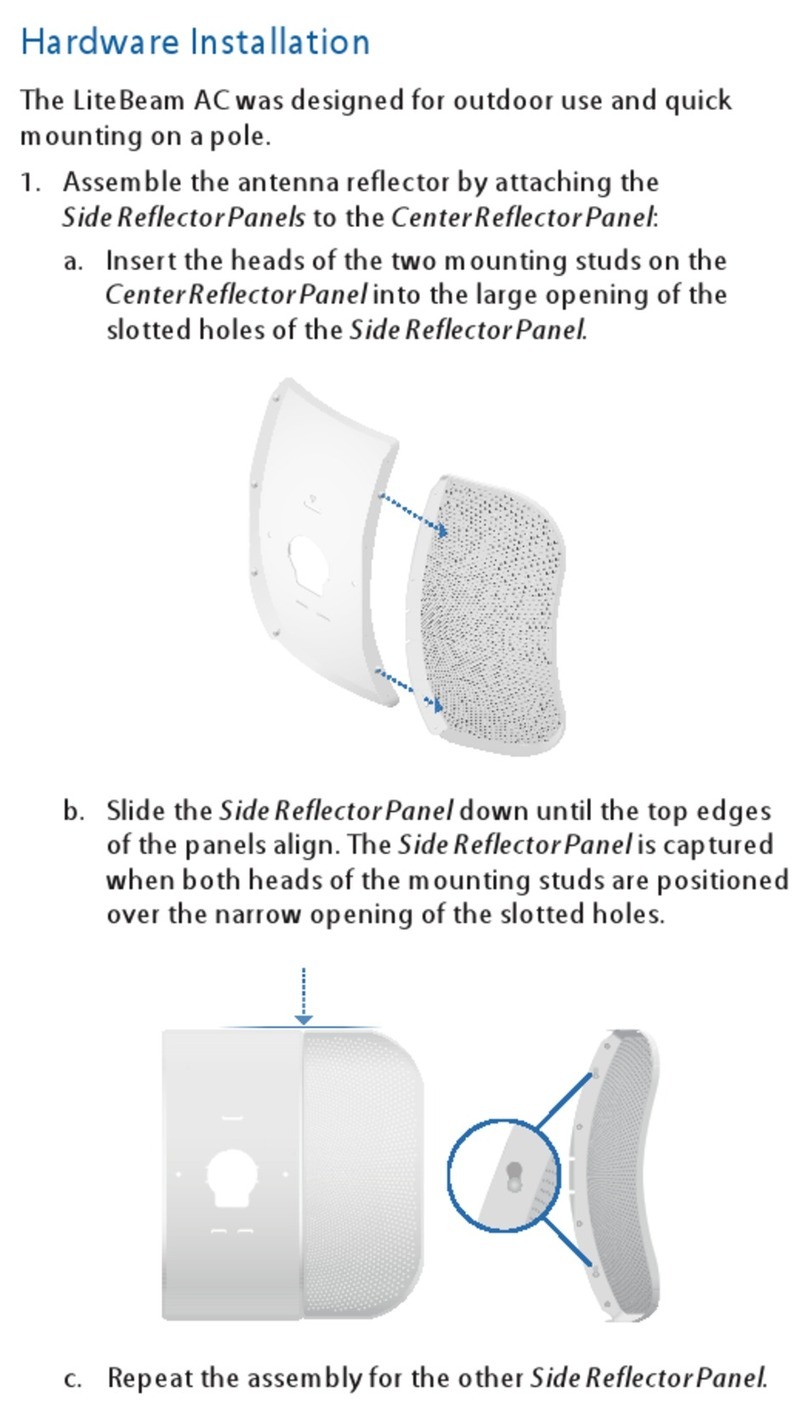
Ubiquiti LBE-5AC-Gen2 quick start guide

Ubiquiti

Ubiquiti LBE-5AC-Gen2 quick start guide

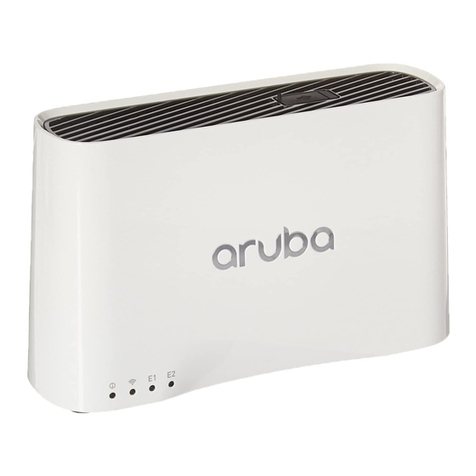
Aruba AP-203R installation guide

Aruba

Aruba AP-203R installation guide

LuXout Shades LUXSHADE MOTION manual

LuXout Shades

LuXout Shades LUXSHADE MOTION manual

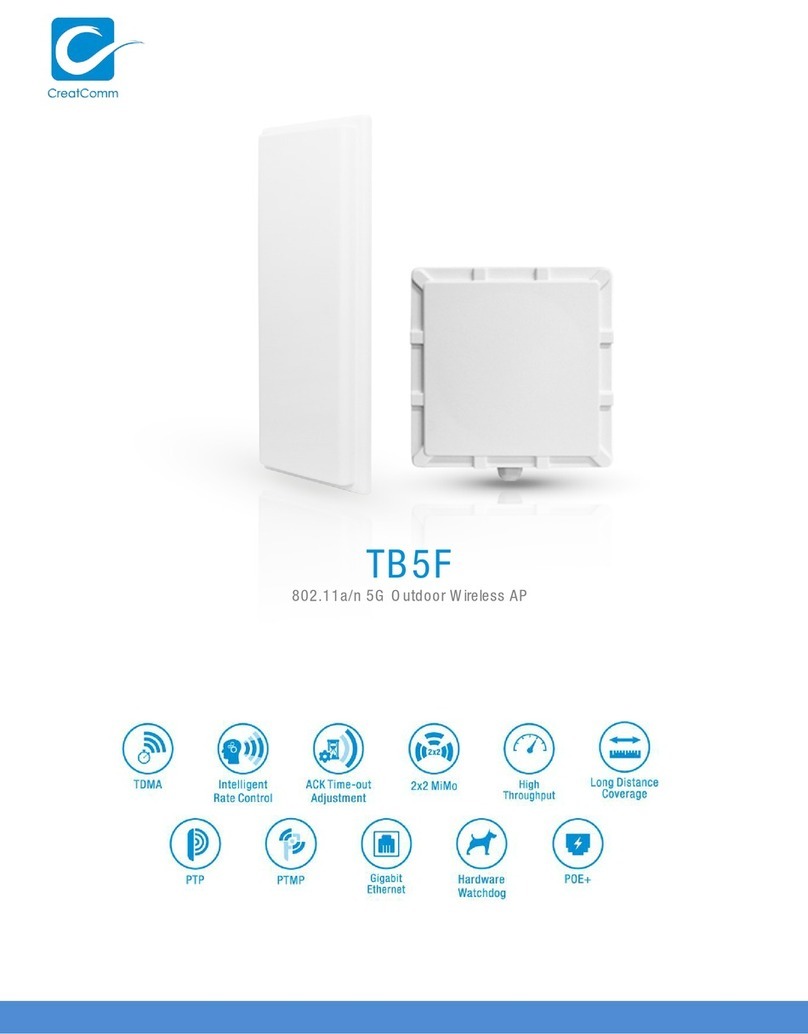
CreatComm TB5F user manual

CreatComm

CreatComm TB5F user manual

SineDigital MW-1500AP(H) installation guide

SineDigital

SineDigital MW-1500AP(H) installation guide

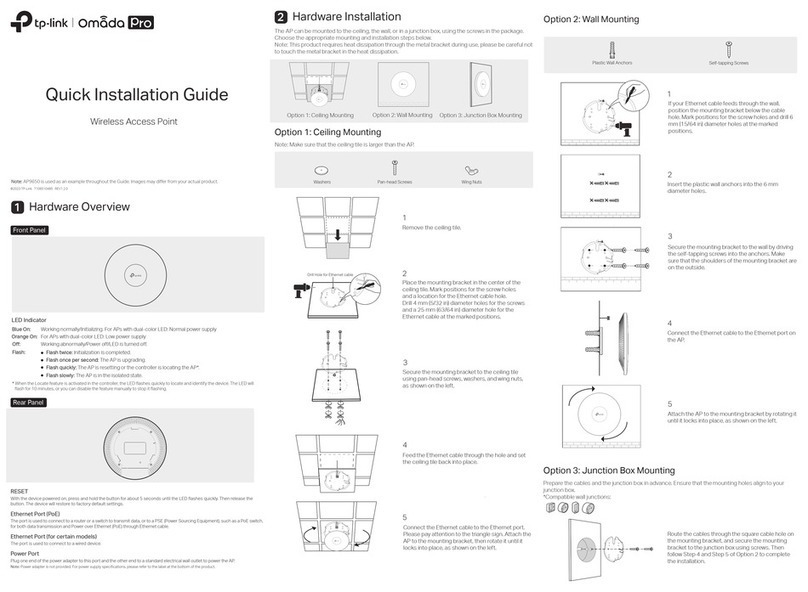
TP-Link AP9650 V1 Quick installation guide

TP-Link

TP-Link AP9650 V1 Quick installation guide

manuals.online logo
manuals.online logoBrands
  • About & Mission
  • Contact us
  • Privacy Policy
  • Terms and Conditions

Copyright 2025 Manuals.Online. All Rights Reserved.

Installation
NETGEAR Outdoor High Power Wireless N
Access Point
WND930
Set Up the Access Point
Before mounting the access point in a high location, first set up and test the
unit to verify wireless network connectivity.
Note: The access point has a DHCP client enabled by default. If a DHCP server
exists in your network, the access point obtains an IP address from the DHCP
server. If a DHCP server is not detected in your network aer 30 seconds, the
access point sets its IP address to a static IP address of 192.168.0.100.
¾To cable your access point:
1. Using an Ethernet cable, connect a power sourcing equipment (PSE) to
a PoE port on the access point.
Note: You must supply either AT power to at least one LAN port or AF power
to two LAN ports to power the access point. You must supply AT power to
both LAN ports to receive PoE power out.
2. If a DHCP server is not connected to your network, configure a
computer with a static IP address of 192.168.0.210 and a subnet mask
of 255.255.255.0.
3. Connect an Ethernet cable from a LAN port on the access point to a
LAN port on the PC.
4. Check the LEDs to verify that the access point is set up correctly.
Package Contents
Unpack the box and verify the contents:
• Outdoor High Power Wireless N Access Point
• Wall mounting bracket
• Four bracket screws
• Two grounding screws
• Two pole mount clamps
• Three weatherproof cable glands
LED Description
Power LED •O. Power is o.
•Solid green. Power is on.
•Amber, then blinking green. A self-test is running or soware is being
loaded. During startup, the LED is first steady amber, then goes o, and
then blinks green before turning steady green aer about 45 seconds. If
aer one minute the LED remains amber or continues to blink green, it
indicates a system fault.
Activity LED •O. There is no network trac through the access point.
•Blinking green. There is network trac through the access point.
2.4G WLAN
LED
•O. The wireless interface is o.
•Solid green. The wireless interface is on.
•Blinking green. Wireless activity is detected on the 2.4G band.
5G WLAN LED •O. The wireless interface is o.
•Solid green. The wireless interface is on.
•Blinking green. Wireless activity is detected on the 5G band.
Heater LED •O. Heater is o.
•Solid green. Heater is on.
LAN port LEDs •O. No link is detected.
•Solid green. Link is detected.
•Solid amber. 10/100/1000 speed connection is detected.
•Blinking amber. 10/100/1000 speed activity is detected.
¾To configure your access point for your network:
1. Connect to the access point by opening your browser and entering the
access point’s IP address
If a DHCP server is not installed in your network, the default IP address is
192.168.0.100.
A login window displays.
2. Enter admin for the user name and password for the password, both in
lower case letters.
The access point user interface displays.
3. Select Configuration >System >Basic >General from the menu.
August 2014
NETGEAR, Inc.
350 East Plumeria Drive
San Jose, CA 95134, USA
NETGEAR, the NETGEAR logo, and Connect with Innovation are trademarks and/or registered
trademarks of NETGEAR, Inc. and/or its subsidiaries in the United States and/or other countries.
Information is subject to change without notice. © NETGEAR, Inc. All rights reserved.
4. Complete the Access Point Name field and select your Country/
Region of operation from the drop-down list.
5. Select Configuration > IP > IP Settings from the menu and configure
the IP settings for your network.
Note: If you use DHCP, reserve an IP address (based on the access point’s
MAC address) on the DHCP server. You can then use that address to log in to
the access point.
6. Select Configuration > Wireless > Basic > Wireless Settings and
configure the wireless settings for your network.
For more information about wireless settings, see the reference manual.
7. Select Configuration > Security > Profile Settings and configure
security profiles for your network.
For more information about security profile settings, see the reference
manual.
Deploy the Access Point
The best location for your access point is elevated such as wall or ceiling
mounted, at the center of your wireless coverage area, and within line of
sight of all mobile devices.
¾To deploy your access point:
1. Disconnect your access point and position it where you will deploy it.
2. Connect an ethernet cable from your access point to a LAN port on
your router, switch or hub.
3. Connect a power sourcing equipment (PSE) to one of the PoE ports on
the access point.
If your router switch or hub supplies PoE, skip this step.
Note: You must supply either AT power to at least one LAN port or AF power
to two LAN ports to power the access point. You must supply AT power to both
LAN ports to receive PoE power out.
4. Using a wireless device, verify connectivity by using a browser to
connect to the Internet.
Problem Cause Possible Solution
You cannot
access the
Internet
or the
LAN from
a wireless
device.
A configuration
problem exists.
•Make sure that the SSID and wireless security settings
of the wireless device are the same as those of the
access point.
•ThewirelessdevicemightnothavethecorrectTCP/IP
settings to communicate with the network. Restart the
wireless device and check that TCP/IP is set up correctly
for that network.
•Theaccesspointdefaultvaluesmightnotwork
with your network. Check the access point default
configuration against the configuration of other devices
in your network. For information about changing the
default values of the access point, see the reference
manual.
Support
Thank you for selecting NETGEAR products. Aer installing your device, locate
the serial number on the label of your product and use it to register your
product at https://my.netgear.com.
You must register your product before you can use NETGEAR telephone
support. NETGEAR recommends registering your product through the NETGEAR
website. For product updates and web support, visit
http://support.netgear.com.
NETGEAR recommends that you use only the ocial NETGEAR support
resources.
For the current EU Declaration of Conformity, visit
http://support.netgear.com/app/answers/detail/a_id/11621/.
For regulatory compliance information, visit
http://www.netgear.com/about/regulatory/.
See the regulatory compliance document before connecting the power supply.
Optional External Antennas
The WND930 supports optional external antennas.
¾To install optional external 2G or 5G antennas:
1. Attach the 2G or 5G antennas to the corresponding connectors on the
side panels of the access point.
2. Log into the access point and configure it to use the external antennas.
Troubleshooting Tips
This section provides some tips for correcting simple problems that
you might encounter. For more troubleshooting information, see the
troubleshooting chapter in the reference manual.
Problem Cause Possible Solution
No LEDs are
lit on the
access point.
The access
point has no
power.
•Makesurethatapowersourceequipment(PSE)is
connected via Ethernet to at least one PoE port.
•Make sure that the power source equipment (PSE) is
powered on.
The LAN LED
is o.
A hardware
connection
problem exists.
•Makesurethatthecableconnectorsaresecurely
plugged into the access point and to the network switch.
Make sure that the network switch is turned on.
The Wireless
LED is o.
The wireless
connection
does not work.
•Makesurethepowereddeviceisprovidingsucient
power to the access point.
•Logintotheaccesspointandverifythattheradioor
radios are turned on.
•ContactNETGEARiftheWirelessLEDremainso.
You cannot
configure
the access
point from a
browser.
Multiple
possible
causes.
•Make sure that the access point is correctly installed, it
is powered on, and that the LAN LED is lit.
•MakesurethatyourcomputerisusinganIPaddress
in the same range as the access point. The access point
default IP address is 192.168.0.100, and the default
subnet mask is 255.255.255.0.
•Quitthebrowser,clearthecache,deletethecookies,
and launch the browser again.