1. PRODUCT OUTLINE
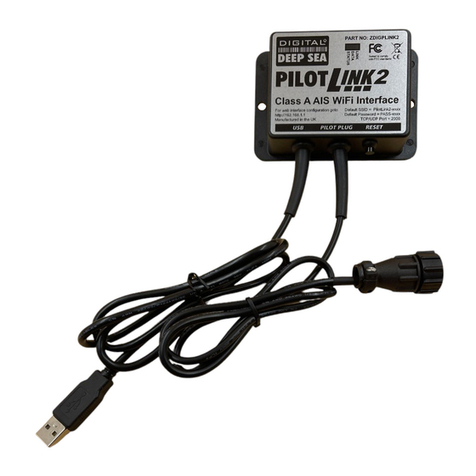
AIS-SART is an emergency device used for life raft. When activated, AIS-SART will
transmit messages to indicate the position of AIS-SART. The vessels and rescue planes
nearby can receive the position reports sent by AIS-SART to easily locate the life raft in
distress.
NAS-1000 AIS-SART conforms to the requirements set in IMO IMSC 246 (83). As a
part of GMDSS, AIS-SART shares the same role as RADAR-SART (search and rescue
transponder).
RADAR-SART is used to locate a target by signal reflected to a radar. In this case, only
rough position is read on radar screen with bearing.
However,AIS-SART could provide accurate position with built-in GPS receiver, which
can facilitate the rescue work greatly.
AIS-SART transmits on dual AIS channels, CH2087 and CH2088.
The maximum communication range depends on both heights of transmitting antenna
and receiving antenna.
A=2.5(√H+√h) (nm)
Hand hrefer to the heights in meter of antennas above sea.
As required, AIS-SART should cover at least 5nm on the condition that transmitting
antenna at lift raft is 1m high and the receiving antenna 16m high, both above sea level.
Unique identifier (User ID) is used in AIS-SART to ensure the integrity of the VHF data
link. The ID is programmed during production and marked on the case. The ID can not
be changed after programmed unless done by manufacturer.
The ID for an AIS-SART is 970xxyyyy, where xx=manufacturer ID, as 26/28 for NSR;
yyyy =s/n set by manufacturer. For example, 970280008, which is produced by NSR.
When a position report is received with such a MMSI, together with safety message
“SARTACTIVE”, it should be transmitted from anAIS-SART.