manuals.online logo
Brands
  1. Home
  2. •
  3. Brands
  4. •
  5. Ripmax
  6. •
  7. Toy
  8. •
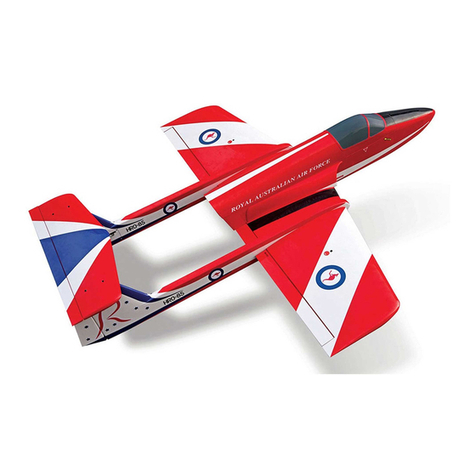
  9. Ripmax Zephyr User manual

Ripmax Zephyr User manual

Other Ripmax Toy manuals

Ripmax Bolero User manual

Ripmax

Ripmax Bolero User manual

Ripmax EF - 2000 TYPHOON Owner's manual

Ripmax

Ripmax EF - 2000 TYPHOON Owner's manual

Ripmax Super X-Blaze RTR User manual

Ripmax

Ripmax Super X-Blaze RTR User manual

Ripmax Wot4 EP/GP User manual

Ripmax

Ripmax Wot4 EP/GP User manual

Ripmax Phase 5 E User manual

Ripmax

Ripmax Phase 5 E User manual

Ripmax J!VE Fun Fly User manual

Ripmax

Ripmax J!VE Fun Fly User manual

Ripmax WOT 4 Pro Mk2 User manual

Ripmax

Ripmax WOT 4 Pro Mk2 User manual

Ripmax Mini Xcalibur E Jet User manual

Ripmax

Ripmax Mini Xcalibur E Jet User manual

Ripmax Sky Spy A-ARTF68713 User manual

Ripmax

Ripmax Sky Spy A-ARTF68713 User manual

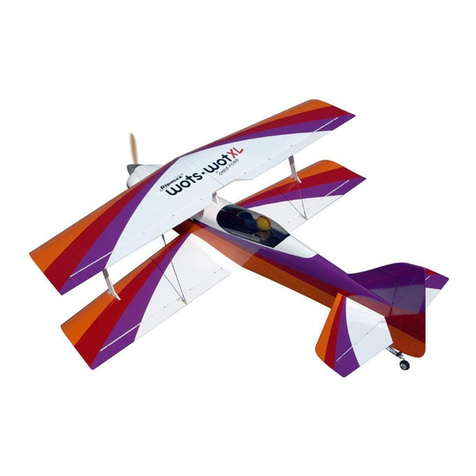
Ripmax WotsWot XL User manual

Ripmax

Ripmax WotsWot XL User manual

Ripmax Acro Wot Foam-E User manual

Ripmax

Ripmax Acro Wot Foam-E User manual

Ripmax BOLERO A-ARTF6720CS User manual

Ripmax

Ripmax BOLERO A-ARTF6720CS User manual

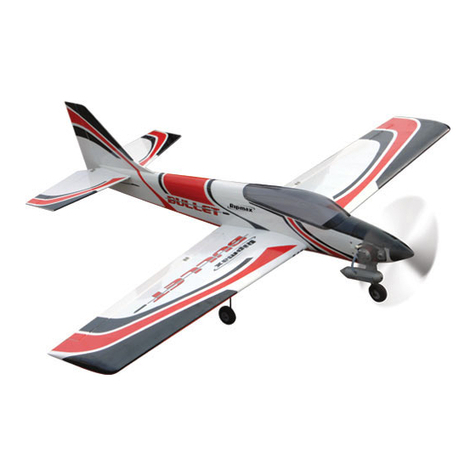
Ripmax Bullet User manual

Ripmax

Ripmax Bullet User manual

Ripmax Wots Wot FOAM-E User manual

Ripmax

Ripmax Wots Wot FOAM-E User manual

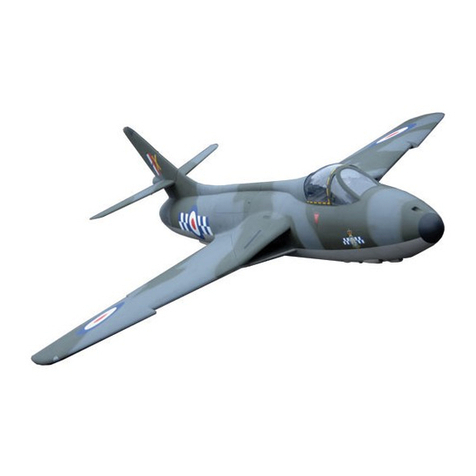
Ripmax Hawker Hunter User manual

Ripmax

Ripmax Hawker Hunter User manual

Ripmax NANO Boomerang User manual

Ripmax

Ripmax NANO Boomerang User manual

Ripmax Trainer 40 User manual

Ripmax

Ripmax Trainer 40 User manual

Ripmax MINI BOLERO User manual

Ripmax

Ripmax MINI BOLERO User manual

Ripmax Transition Vtol User manual

Ripmax

Ripmax Transition Vtol User manual

Ripmax WOT4-E User manual

Ripmax

Ripmax WOT4-E User manual

Ripmax Acro Wot mk2 User manual

Ripmax

Ripmax Acro Wot mk2 User manual

Ripmax WOT4-E User manual

Ripmax

Ripmax WOT4-E User manual

Ripmax WOT trainer User manual

Ripmax

Ripmax WOT trainer User manual

Ripmax Acro Wot MK2 XL User manual

Ripmax

Ripmax Acro Wot MK2 XL User manual

Popular Toy manuals by other brands

FUTABA GY470 instruction manual

FUTABA

FUTABA GY470 instruction manual

LEGO 41116 manual

LEGO

LEGO 41116 manual

Fisher-Price ColorMe Flowerz Bouquet Maker P9692 instruction sheet

Fisher-Price

Fisher-Price ColorMe Flowerz Bouquet Maker P9692 instruction sheet

Little Tikes LITTLE HANDIWORKER 0920 Assembly instructions

Little Tikes

Little Tikes LITTLE HANDIWORKER 0920 Assembly instructions

Eduard EF-2000 Two-seater exterior Assembly instructions

Eduard

Eduard EF-2000 Two-seater exterior Assembly instructions

USA Trains EXTENDED VISION CABOOSE instructions

USA Trains

USA Trains EXTENDED VISION CABOOSE instructions

Modellbau Laffont Z1601 Assembly instructions

Modellbau Laffont

Modellbau Laffont Z1601 Assembly instructions

NOCH 12905 instruction manual

NOCH

NOCH 12905 instruction manual

Eduard Ki-61-Id quick start guide

Eduard

Eduard Ki-61-Id quick start guide

Viessmann Vollmer 45616 Mounting instruction

Viessmann

Viessmann Vollmer 45616 Mounting instruction

Vollmer 42004 Mounting instruction

Vollmer

Vollmer 42004 Mounting instruction

Phoenix Model CLASSIC-EP instruction manual

Phoenix Model

Phoenix Model CLASSIC-EP instruction manual

H-KING Sopwith Camel British WW1 Fighter instruction manual

H-KING

H-KING Sopwith Camel British WW1 Fighter instruction manual

MODSTER Predator 4x4 Crawler user manual

MODSTER

MODSTER Predator 4x4 Crawler user manual

DHK Hobby 8136 User instruction manual

DHK Hobby

DHK Hobby 8136 User instruction manual

THUNDER TIGER Raptor 50 V2 kit manual

THUNDER TIGER

THUNDER TIGER Raptor 50 V2 kit manual

Timberkits Skateboarder instructions

Timberkits

Timberkits Skateboarder instructions

Hangar 9 Funtana 125 Assembly manual

Hangar 9

Hangar 9 Funtana 125 Assembly manual

manuals.online logo
manuals.online logoBrands
  • About & Mission
  • Contact us
  • Privacy Policy
  • Terms and Conditions

Copyright 2025 Manuals.Online. All Rights Reserved.

INSTRUCTION
MANUAL
BAUANLEITUNG
STAGE 1 / SCHRITT 1
Page 3 / Seite 3
Congratulations on your purchase of a Ripmax Zephyr
ARTF - a new version of the classic Ripmax Zephyr that
uses a modern brushless power system to give plenty
of quiet, efcient ying. Using the recommended 3S
1100~1600mAh Li-Po, extended ight times are easily
achieved due to the low power required. The Zephyr is the
perfect model for those warm summer evenings, where its
light weight and gentle ying characteristics offer maximum
relaxation and enjoyment. Just a couple of pleasurable
hours of nal assembly are required before the Zephyr is
ready to go. As well as being an exceptionally easy model
to y, the Zephyr is surprisingly fun to y for the more
experienced pilot, with tight loops and turns being possible,
alongside stall turns, extremely slow and even inverted ight!
Herzlichen Glückwunsch zum Kauf der Zephyr RTF von Ripmax - eine neue Version des klassischen Zephyrs.
Im neuen Modell wird ein modernes Brushless- Antriebssystem für ruhigeres und efzienteres Fliegen, verwendet.
Mit dem empfohlenen 3S 1100 ~1600mAh Li-Po Akku sind lange Flugzeiten durch den geringen Stromverbrauch,
möglich. Der Zephyr ist das perfekte Modell für warme Sommerabende. Durch sein geringes Gewicht und die sanfte
Flugeigenschaften können Sie beim Fliegen entspannen, und genießen. Es werden nur ein paar Stunden für die
Endmontage benötigt, bevor Ihr Zephyr ugfertig ist. Dieses Modell ist außergewöhnlich, macht Spaß und ist einfach
zu iegen. Mit der Zephyr können erfahrene Piloten enge Kurven, Loopings,"Stall Turns", extrem langsam und sogar
in Rückenlage iegen!
Locate the hardwood wing dowels; the longer is for the rear.
Carefully trim away the covering from the rear dowel holes
using a sharp knife. Insert the dowel and ensure it is centred
in the fuselage with equal amounts exposed on each
fuselage side. Apply a drop of medium cyano to each end of
the dowel to retain.
Slide the forward dowel through the pre-drilled holes in the
formers as shown. Slip the pre-cut ply reinforcement on the
end of the dowel before it enters the rear former. Holding
the dowel ush with the bottom of the cabin frame, apply a
drop of cyano to the dowel where it passed through the two
formers.
STAGE 2 / SCHRITT 2
WING MOUNTING DOWELS/MONTAGE DER FLÜGELBEFESTIGUNG
INTRODUCTION/EINLEITUNG
Nehmen Sie die Hartholzdübel, der längere ist für hinten.
Schneiden Sie vorsichtig mit einem scharfen Messer die
Folie an den hinteren Löchern aus. Schieben Sie den Dübel
ein, und stellen sicher, dass dieser mittig im Rumpf sitzt,
und zu beiden Seiten des Rumpfes gleichmäßig heraus
steht. Verkleben Sie die Enden des Dübels am Rumpf mit
mittelüssigem Sekundenkleber.
Schieben Sie den vorderen Dübel durch die vorgebohrten
Löcher, wie gezeigt. Dann schieben Sie die Verstärkung aus
Sperrholz auf das Ende des Dübels, bevor dieser den
hinteren Träger berührt. Halten Sie den Dübel bündig
mit dem Kabinenrahmen. Geben Sie ein Tropfen
Sekundenkleber auf den Dübel, und verkleben alle Teile
miteinander.

Page 4 / Seite 4
Turn the fuselage over and apply cyano to the dowel and cabin
frame as shown.
Drehen Sie den Rumpf herum und geben einige Tropfen
Sekundenkleber auf den Dübel und den Kabinenrahmen, wie
gezeigt.
Turn the fuselage over and trim away the covering from the
pre-cut slot in the bottom of the model using a sharp knife.
Drehen Sie den Rumpf herum, und entfernen mit einem
scharfen Messer vorsichtig die Folie an dem Schlitz.
Locate the pre-bent wire undercarriage. If necessary, wipe the
centre section of the undercarriage with alcohol or thinners on
a cloth to remove any traces of oil. Insert the undercarriage in
its slot ensuring it is pushed down fully into its recess.
Nehmen Sie das vorgebogene Drahtfahrwerk. Falls erforderlich,
nehmen Sie ein Tuch, das mit Alkohol oder Verdünner getränkt
ist, um alle Ölreste zu entfernen. Stecken Sie das Fahrwerk in
den Schlitz, und vergewissern sich, dass dieses vollständig in
den Schlitz hinein gedrückt ist.
Apply a small bead of thick cyano into the slot.
Geben Sie eine dünne Linie dicküssigen Sekundenklebers
auf den Schlitz.
Locate the plywood undercarriage retainer and push it rmly
down into its slot to trap the undercarriage in position. Allow
the glue to cure.
Nehmen Sie den Sperrholz - Fahrwerkhalter und drücken
diesen vorsichtig nach unten in den Schlitz, um das Fahrwerk
an seiner Position zu halten. Lassen Sie den Klebstoff
vollständig aushärten.
STAGE 3 / SCHRITT 3
STAGE 4 / SCHRITT 4
STAGE 5 / SCHRITT 5
STAGE 6 / SCHRITT 6
STAGE 7 / SCHRITT 7
UNDERCARRIAGE INSTALLATION/ EINBAU DES FAHRWERKS
Page 5 / Seite 5
Using a sharp knife, remove the covering lm from the
locating tongue on the bottom of the n. Ensure that you only
cut the lm and not the balsa as this can seriously weaken
the n.
Mit einem scharfe Messer entfernen Sie vorsichtig die Folie an
der Unterseite der Finne. Vergewissern Sie sich, dass nur die
Folie durchschnitten ist - nicht die Finne - da dies die Stabilität
ernsthaft schwächt.
Using a sharp knife, remove the covering lm from the slot on
the top of the tailplane. Remove the lm from in front of the
slot where the n will touch. Ensure that you only cut the lm
and not the balsa as this can seriously weaken the tail.
Entfernen Sie mit dem scharfen Messer vorsichtig die Folie
vom Einbauschlitz an der Oberseite des Heckleitwerks.
Danach entfernen Sie die Folie an der Vorderseite des
Einbauschlitzes, wo die Finne diesen berührt. Vergewissern
Sie sich, dass nur die Folie durchgeschnitten ist - nicht das
Balsaholz - da dies die Stabilität ernsthaft schwächt.
Test t, then glue the n on to the top of the tailplane using
epoxy, white glue or cyano. Use a square to check that the n
is at 90° to the tailplane.
Prüfen Sie, ob die Finne passt. Danach kleben Sie die Finne
mit Epoxy, Ponal oder Sekundenkleber auf die Oberseite des
Heckleitwerks. Mit einem rechtwinkligen Dreieck überprüfen
sie jetzt, dass die Finne im 90° Winkel zum Leitwerk steht.
STAGE 9 / SCHRITT 9
STAGE 10 / SCHRITT 10
STAGE 11 / SCHRITT 11
FITTING THE TAIL AND FIN / HECKLEITWERK UND FINNE MONTIEREN
Locate the wheels and retaining collets. Slip a collet over
the axle, install a wheel then t a second collet to retain.
Tighten the grubscrews fully then repeat the process to t the
second wheel. Be sure to use a threadlock compound on the
grubscrew to secure.
Nehmen Sie die Räder und die Stellringe. Schieben Sie einen
Stellring über die Achse, dann das Rad, und dann den zweiten
Stellring. Zentrieren Sie alles gleichmäßig, damit sich das Rad
frei drehen kann. Danach ziehen Sie die Schrauben an den
Stellringen fest, und wiederholen den Vorgang für das zweite
Rad. Sichern Sie die Schrauben mit Sicherungslack.
STAGE 8 / SCHRITT 8
Using a sharp knife, remove the covering lm from the tongue
on the top of the rear landing skid.
Mit dem scharfen Messer, entfernen Sie vorsichtig die Folie
von der Zunge an der Oberseite der hinteren Landekufe.
Position the landing skid on the fuselage and mark its position
with a felt tip pen. Using a sharp knife, remove the covering lm
from the fuselage where marked.
Positionieren Sie die Landekufe am Rumpf, und markieren die
Position mit einem Filzstift. Mit einem scharfen Messer entfernen
Sie vorsichtig die Folie am Rumpf an der markierten Stelle.
Page 6 / Seite 6
STAGE 12 / SCHRITT 12
STAGE 13 / SCHRITT 13
STAGE 14 / SCHRITT 14
Glue the landing skid in position using epoxy.
Kleben Sie mit Epoxid Kleber die Landekufe an ihre Position.
Holding the tail in position on the fuselage - ensuring that it is
square and perpendicular - mark the position of the fuselage on
the underside of the tail using a felt tip pen.
Halten Sie das Heckleitwerk im Rumpf an seiner Position -
stellen Sie sicher, dass dieses im rechten Winkel und längs zum
Rumpf gleichmäßig ausgerichtet ist- markieren die Position des
Rumpfes an der Unterseite des Leitwerkes mit einem Filzstift.
Using a sharp knife, remove the covering lm from the tailplane
inside the marked lines.
Mit einem scharfen Messer schneiden Sie die Folie an der
Innenseite der markierten Linie des Höhenleitwerks weg.
STAGE 15 / SCHRITT 15
STAGE 16 / SCHRITT 16
Page 7 / Seite 7
Using sufcient epoxy applied to the exposed wood, glue
the tailplane and n assembly onto the fuselage. Check that
the tailplane is correctly aligned and square to the fuselage.
If necessary, use masking tape to protect the covering
(removing it as soon as you are satised with the alignment
and before the epoxy cures).
Bestreichen Sie das freiliegende Holz mit genügend
Epoxid, und kleben dann das Höhenleitwerk und die Finne
an den Rumpf. Überprüfen Sie, dass das Leitwerk richtig
ausgerichtet ist, und im rechten Winkel zum Rumpf steht.
Verwenden Sie Abdeckband, um die Folie zu schützen,
während Sie dieses machen (und entfernen dieses, wenn
Sie mit der Ausrichtung zufrieden sind, bevor der Epoxid
anzieht).
The wing is supplied with the wing tips attached, but requiring
their dihedral angle to be introduced. Begin the process by
trimming away the covering lm from the gap between the
wing and tip on the top side only. Remove the two balsa
wedges temporarily tted between the wing and the tip.
Der Flügel wird mit Randbögen geliefert, die aber noch im
richtigen Winkel verklebt werden müssen. Beginnen Sie mit
dem wegschneiden der Folie am Spalt zwischen dem Flügel
und dem Randbogen, aber nur an der Oberseite. Entfernen Sie
die beiden Balsaholzkeile, die vorübergehend zum Transport
zwischen dem Flügel und der Strebe angebracht sind.
STAGE 19 / SCHRITT 19
STAGE 20 / SCHRITT 20
COMPLETING THE WING/ ENDMONTAGE DES FLÜGELS
IMPORTANT: Ensure that only the lm is cut - not the
tailplane - as this will seriously weaken the structure.
WICHTIG: Vergewissern Sie sich, dass nur die Folie
durchschnitten ist - nicht das Leitwerk- da dies die Stabilität
ernsthaft schwächt.
Using a sharp knife, carefully trim off any excess covering
lm from the tailplane seat as shown. Temporarily band on
the wing to help align the tail in the next stage.
Mit dem Messer schneiden Sie vorsichtig die überschüssige
Folie am Höhenleitwerksansatz ab, wie gezeigt .Befestigen
Sie vorübergehend Klebebandstreifen am Leitwerk, um die
Ausrichtung dessen im nächsten Schritt zu erleichtern.
STAGE 17 / SCHRITT 17
STAGE 18 / SCHRITT 18
Hold the wing panel at on your building bench. Weight it
down in position - we found a few of our favourite magazines
worked a treat! Using strips of masking tape to protect the
covering, apply a quantity of epoxy to the join and raise the
wingtip.
Legen Sie die eine Seite der Tragäche ach auf die Werkbank
und beschweren diese mit einem Gewicht, und sichern diese
vor verrutschen. Mit Epoxid Kleber verkleben Sie jetzt den
angewinkelten Randbogen mit der Fläche, und xieren die
Klebestelle mit Tape.
Ensure that you introduce the correct dihedral - with the wing
at, there should be 70mm under the wing tip. Remove the
tape and allow the epoxy to cure. Repeat the process for the
other wing panel.
Vergewissern Sie sich, dass Sie den richtigen Winkel zwischen
Randbogen und dem ach auiegenden Flügel eingestellt
haben. Dieser liegt bei 70mm, wie auf dem Bild gezeigt.
Nachdem der Klebstoff angezogen hat, entfernen Sie das Tape
und lassen diesen vollständig aushärten. Wiederholen Sie
diesen Vorgang auf der anderen Seite des Flügels
Locate the plywood wing joiners - the thicker one is the front
joiner, the thinner one is for the rear. Test t the two joiners in
their slots.
Nehmen Sie die Sperrholz - Flächenverbinder - der dickere
Verbinder ist für vorne, der dünnere für hinten. Stecken Sie
beide Verbinder in ihre Schlitze und überprüfen den Sitz.
Page 8 / Seite 8
Test the t of the second wing panel. Ensure that the panels
meet together with minimum gap. Now remove the wing
joiners and apply masking tape to the wing roots to protect the
covering.
Überprüfen Sie die Passgenauigkeit der Flügel. Der Spalt
zwischen beiden Flächen sollte so klein wie möglich sein. Nun
entfernen Sie die Flügelverbinder und schützen die Folie an
den Flügelwurzeln mit Abdeckband vor dem Klebstoff.
STAGE 21 / SCHRITT 21
STAGE 22 / SCHRITT 22
STAGE 23 / SCHRITT 23
STAGE 24 / SCHRITT 24
70mm
Page 9 / Seite 9
Ensuring that the horn is aligned to the hinge line, mark and pilot
drill two mounting holes for the retaining screws. Screw the horn
to the rudder, ensuring that the screws thread into a moulded
horn plate on the other side of the rudder. Do not overtighten

the control horn mounting screws - you don't want to crush the
wood.
Vergewissern Sie sich, dass das Horn zur Scharnierline
ausgerichtet ist. Markieren und bohren Sie zwei Löcher, und
schrauben das Horn am Ruder fest. Stellen Sie sicher, dass die
Schrauben in die Trägerplatte auf der anderen Seite des Ruders
eingeschraubt sind. Nicht die Ruderhornschrauben überdrehen -
Sie möchten ja nicht das Holz zerdrücken.
STAGE 28 / SCHRITT 28
Apply 30 minute epoxy to the wing joiners and insert them into
one wing panel. Apply more epoxy to the wing root ribs and
the exposed parts of the wing joiners.
Draw the second wing panel onto the joiners and hold
the panels together with masking tape.
Mit 30 min. Epoxid Kleber bestreichen Sie die Flügelverbinder
und schieben diese in die eine Flügelhälfte. Verwenden Sie
genügend Epoxid und bestreichen damit die Wurzelrippe
und die andere Seite des Verbinders. Schieben Sie die zweite
Tragäche auf den Verbinder und sichern die Flügelhälften mit
Klebeband.
Turn the joined wing over and apply more masking to the upper
surface of the wing to minimise the gap at the root. Ensure that
the wing panels are not twisted and that the root ribs meet square
to each other.
Drehen Sie den Flügel herum. Für die Oberseite des Flügels
verwenden Sie noch mehr Abdeckband, um den Spalt zwischen
den Flächen zu minimieren. Achten Sie darauf, dass die
Tragächen nicht verdreht sind, und die Wurzelrippen genau
zusammen passen.
Locate a wire pushrod for the rudder and t a control horn on
the z-bent end as shown. Use the second hole out from the inner.
Pierce a small hole in the lm and thread the wire into its nylon
sleeve which is pre-tted in the fuselage.
Nehmen Sie das Drahtgestänge für das Ruder und befestigen ein
Ruderhorn am Ende der Z- Biegung, wie gezeigt. Verwenden Sie
dabei das zweite Loch von innen. Bohren Sie ein kleines Loch
durch die Folie und schieben den Draht durch das Führungsrohr,
das im Rumpf montiert ist.
STAGE 25 / SCHRITT 25
STAGE 26 / SCHRITT 26
STAGE 27 / SCHRITT 27
Locate a wire pushrod for the elevator and t a control horn
on the z-bent end as shown. Use the outermost hole. Pierce a
small hole in the lm and thread the wire into its nylon sleeve
which is pre-tted in the fuselage. Ensuring that the horn is
aligned to the hinge line, screw the horn to the elevator as you
did for the rudder.
Nehmen Sie das Drahtgestänge für das Höhenruder und
befestigen ein Ruderhorn am Ende der Z- Biegung, wie
gezeigt. Verwenden Sie das äußerte Loch. Bohren Sie ein
kleines Loch durch die Folie und schieben den Draht durch
das Führungsrohr, das im Rumpf montiert ist. Stellen Sie
sicher, dass das Horn zur Scharnierline ausgerichtet ist.
Danach schrauben Sie das Horn am Höhenruder fest. Genauso
wie beim Ruder.
Trim off any excess length of screw that protrudes through the
moulded plate on the rudder and elevator control horns using
side cutters.
Mit einem Seitenschneider entfernen Sie die überschüssigen
Gewinde der Schrauben, welche durch die Halteplatte des
Seiten- und Höhenruderhorns durchkommen.
Fit a pushrod connector to your servos' output horns in the
outermost holes. Slide each connector over the rudder and
elevator pushrods and t the servos in their mounting tray.
Holding them in position, pilot drill the tray for their mounting
screws.
Befestigen Sie ein Gestängeanschluss im äußersten Loch
ihres Servohorns. Schieben Sie jeden Anschluss über das
Ruder - und Höhenrudergestänge und stecken die Servos in
die Servohalterung. Halten Sie diese in Position und bohren die
Löcher zur Befestigung in die Halterung.
Fit the rubber grommets and ferrules, then screw the servos in
position using the mounting screws supplied with your servos.
Befestigen Sie die Gummiblöcke und Messinghülsen, die mit
Ihren Servos mitgeliefert wurden, an den Servos und befestigen
Sie diese mit den Schrauben auf der Servohalterung.
Page 10 / Seite 10
STAGE 29 / SCHRITT 29
STAGE 30 / SCHRITT 30
STAGE 31 / SCHRITT 31
STAGE 32 / SCHRITT 32