manuals.online logo
Brands
  1. Home
  2. •
  3. Brands
  4. •
  5. Stihl
  6. •
  7. Saw
  8. •
  9. Stihl TSA 230 User manual

Stihl TSA 230 User manual

Other manuals for TSA 230

8

Other Stihl Saw manuals

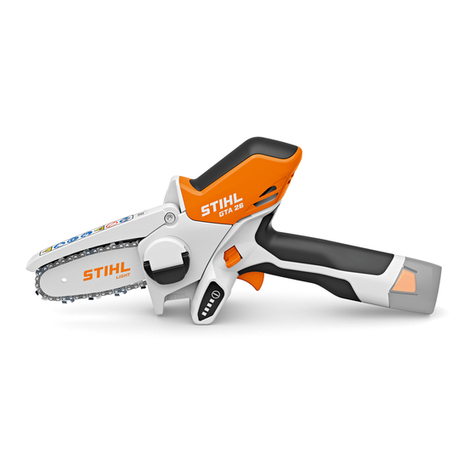
Stihl GTA 26 User manual

Stihl

Stihl GTA 26 User manual

Stihl MSA 160.0 C User manual

Stihl

Stihl MSA 160.0 C User manual

Stihl TS 480i User manual

Stihl

Stihl TS 480i User manual

Stihl TS 440 User manual

Stihl

Stihl TS 440 User manual

Stihl TS 500i User manual

Stihl

Stihl TS 500i User manual

Stihl MSA 161 T User manual

Stihl

Stihl MSA 161 T User manual

Stihl MS 18 Building instructions

Stihl

Stihl MS 18 Building instructions

Stihl TS 510 Cutquik User manual

Stihl

Stihl TS 510 Cutquik User manual

Stihl MS 260 User manual

Stihl

Stihl MS 260 User manual

Stihl TSA 230 User manual

Stihl

Stihl TSA 230 User manual

Stihl TSA 230 User manual

Stihl

Stihl TSA 230 User manual

Stihl TS 420 User guide

Stihl

Stihl TS 420 User guide

Stihl TSA 230 User manual

Stihl

Stihl TSA 230 User manual

Stihl MS 500i User manual

Stihl

Stihl MS 500i User manual

Stihl TSA 230 User manual

Stihl

Stihl TSA 230 User manual

Stihl GTA 26 User manual

Stihl

Stihl GTA 26 User manual

Stihl FS 410 C-M User manual

Stihl

Stihl FS 410 C-M User manual

Stihl TS 700, TS 800 User manual

Stihl

Stihl TS 700, TS 800 User manual

Stihl TS 480i User manual

Stihl

Stihl TS 480i User manual

Stihl Cutquik TS 800 User manual

Stihl

Stihl Cutquik TS 800 User manual

Stihl MS 241 C-M User manual

Stihl

Stihl MS 241 C-M User manual

Stihl MSA 160 T User manual

Stihl

Stihl MSA 160 T User manual

Stihl TS 410 User manual

Stihl

Stihl TS 410 User manual

Stihl TS 400 Cutquick Manual

Stihl

Stihl TS 400 Cutquick Manual

Popular Saw manuals by other brands

Skil Skilsaw 5166 null

Skil

Skil Skilsaw 5166 null

RIDGID BS1400 owner's manual

RIDGID

RIDGID BS1400 owner's manual

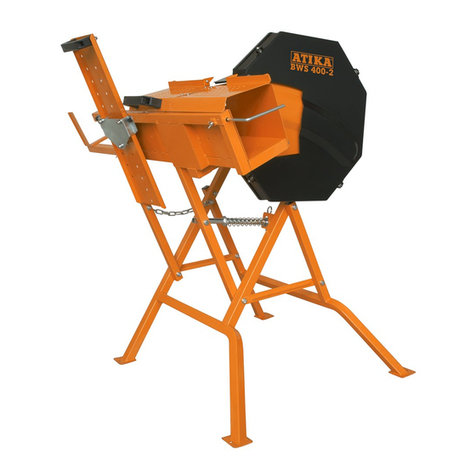
ATIKA BWS 400-2 Original instructions

ATIKA

ATIKA BWS 400-2 Original instructions

RGC FS20 instructions

RGC

RGC FS20 instructions

Makita M2300 instruction manual

Makita

Makita M2300 instruction manual

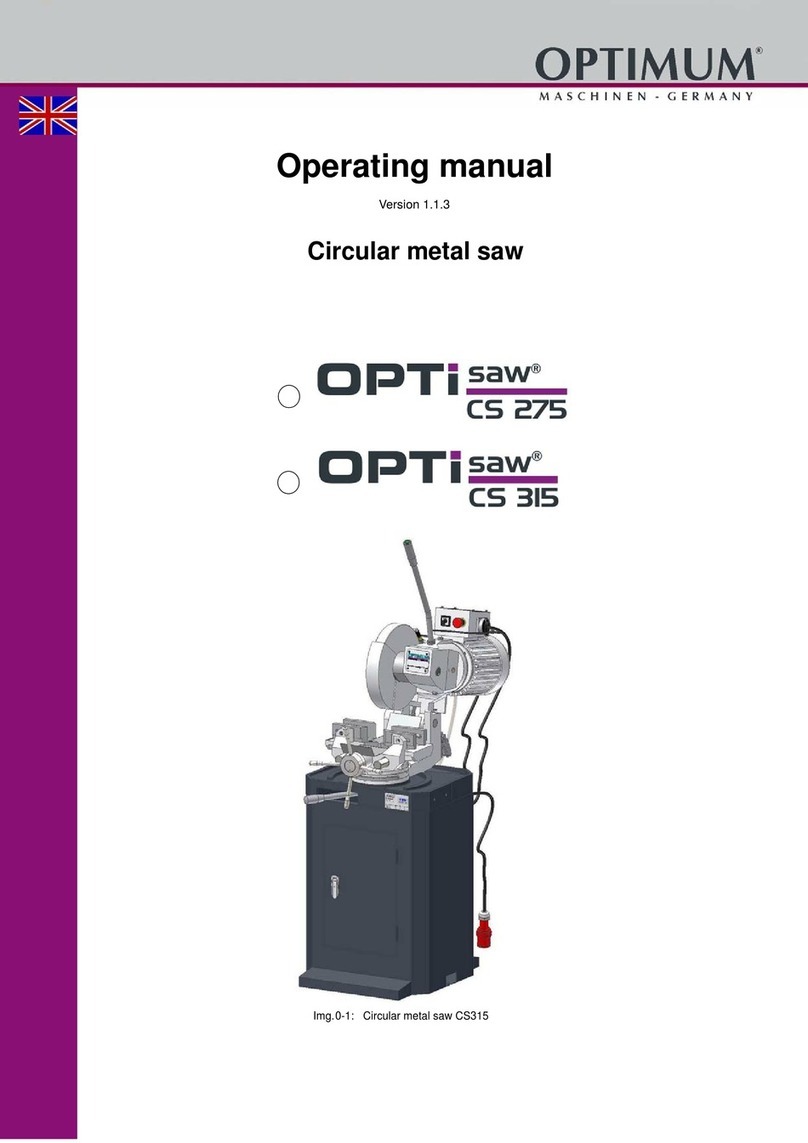
Optimum OPTisaw CS 275 operating manual

Optimum

Optimum OPTisaw CS 275 operating manual

Makita BPB180 instruction manual

Makita

Makita BPB180 instruction manual

AEG TS 250 K Original instructions

AEG

AEG TS 250 K Original instructions

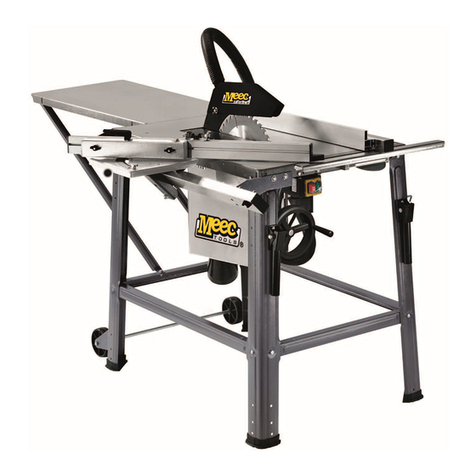
Meec tools 004665 operating instructions

Meec tools

Meec tools 004665 operating instructions

Makita LS1018L instruction manual

Makita

Makita LS1018L instruction manual

Ryobi RCS1400 Original instructions

Ryobi

Ryobi RCS1400 Original instructions

DeWalt DCS391 instruction manual

DeWalt

DeWalt DCS391 instruction manual

Sealey SA72 instructions

Sealey

Sealey SA72 instructions

skilsaw SPT88 Operating/safety instructions

skilsaw

skilsaw SPT88 Operating/safety instructions

Urrea SI810 User manual and warranty

Urrea

Urrea SI810 User manual and warranty

EINHELL BKG 210/1 operating instructions

EINHELL

EINHELL BKG 210/1 operating instructions

Altrad BELLE RANGER 450 Operator's manual

Altrad

Altrad BELLE RANGER 450 Operator's manual

Porter-Cable 725 instruction manual

Porter-Cable

Porter-Cable 725 instruction manual

manuals.online logo
manuals.online logoBrands
  • About & Mission
  • Contact us
  • Privacy Policy
  • Terms and Conditions

Copyright 2025 Manuals.Online. All Rights Reserved.

{
STIHL TSA 230
WARNING
Read Instruction Manual thoroughly
before use and follow all safety
precautions – improper use can
cause serious or fatal injury.
ADVERTENCIA
Antes de usar la máquina lea y siga
todas las precauciones de
seguridad dadas en el manual de
instrucciones – el uso incorrecto
puede causar lesiones graves o
mortales.
Instruction Manual
Manual de instrucciones
GInstruction Manual
1 - 43
UManual de instrucciones
44 - 92
Original Instruction ManualPrinted on chlorine-free paper
Printing inks contain vegetable oils, paper can be recycled.
© ANDREAS STIHL AG & Co. KG, 2015
0458-707-8621-A. VA0.J15.
0000006714_005_GB
TSA 230
English
1
{This instruction manual is protected by copyright. All rights reserved, especially the rights to reproduce, translate and process
with electronic systems.
Contents
Allow only persons who fully understand
this manual to operate your cut-off
machine.
To receive maximum performance and
satisfaction from your STIHL Cutquik
cut-off machine, it is important that you
read, understand and follow the safety
precautions and the operating and
maintenance instructions in the chapter
"Safety Precautions and Working
Techniques" before using your cut-off
machine. For further information you can
go to www.stihlusa.com
Contact your STIHL dealer or the STIHL
distributor for your area if you do not
understand any of the instructions in this
manual.
WARNING
Because a cut-off machine is a high-
speed cutting tool, some special safety
precautions must be observed to reduce
the risk of personal injury. Careless or
improper use may cause serious or even
fatal injury.
Guide to Using this Manual 2
Safety Precautions and Working
Techniques 2
General Power Tool Safety
Warnings 16
Sample applications 20
Cutting wheels 23
Composite resin cutting wheels 24
Diamond cutting wheels 24
Fitting / replacing an abrasive
wheel 28
Connecting Charger to Power
Supply 29
Charging the Battery 29
LEDs on Battery 30
LED on Charger 32
Connecting the water supply 32
Switching On 33
Switching Off 33
Storing the Machine 34
Maintenance and Care 35
Main Parts 36
Specifications 37
Troubleshooting 39
Maintenance and Repairs 41
Battery Recycling 41
Disposal 41
Trademarks 42
Addresses 43
TSA 230
English
2
This Instruction Manual refers to a
STIHL battery-powered cut-off machine,
also called the power tool or machine in
this Instruction Manual.
Pictograms
All the pictograms attached to or
embossed on the machine are shown
and explained in this manual.
Symbols in Text
Many operating and safety instructions
are supported by illustrations.
The individual steps or procedures
described in the manual may be marked
in different ways:
NA bullet marks a step or procedure.
A description of a step or procedure that
refers directly to an illustration may
contain item numbers that appear in the
illustration. Example:
NLoosen the screw (1).
NLever (2) ...
In addition to the operating instructions,
this manual may contain paragraphs
that require your special attention. Such
paragraphs are marked with the
following symbols and signal words:
DANGER
Indicates an imminent risk of severe or
fatal injury.
WARNING
Indicates a hazardous situation which, if
not avoided, could result in severe or
fatal injury.
NOTICE
Indicates a risk of property damage,
including damage to the machine or its
individual components.
Engineering Improvements
STIHL’s philosophy is to continually
improve all of its products. As a result,
engineering changes and improvements
are made from time to time. Therefore,
some changes, modifications and
improvements may not be covered in
this manual. If the operating
characteristics or the appearance of
your machine differs from those
described in this manual, please contact
your STIHL dealer or the STIHL
distributor for your area for assistance.
WARNING
Careless or improper use of any cut-off
machine may cause serious or fatal
injury.
Have your STIHL dealer show you how
to operate your cut-off machine.
Observe all applicable national, state
and local safety regulations, standards
and ordinances.
WARNING
Your cut-off machine is for professional
use only. Do not lend or rent your cut-off
machine without the instruction manual.
Be sure that anyone using it
understands the information contained
in this manual.
Guide to Using this Manual Safety Precautions and
Working Techniques
The use of any cut-off
machine may be hazard-
ous. Because a cut-off
machine is a high-speed,
fast-cutting power tool
that can create sparks,
special safety precau-
tions must be observed to
reduce the risk of per-
sonal injury and fire.
It is important that you
read, fully understand
and observe the following
safety precautions and
warnings. Read the
instruction manual and
the safety precautions
before use and periodi-
cally thereafter.
TSA 230
English
3
A first-time operator should obtain
practical instruction before using the
machine. Employers should establish a
training program for operators of hand-
held portable cut-off machines to assure
safe operation of these machines and
proper choice of cutting attachments.
These safety precautions and warnings
apply to the use of all current STIHL
Cutquiks.
WARNING
Use your cut-off machine only for
authorized uses. For instance, it is not
suitable for cutting wood or wooden
objects. Misuse may result in personal
injury or property damage, including
damage to the machine.
Operate this cut-off machine with STIHL
type AP batteries only.
To reduce the risk of loss of control
and/or balance from carrying extra
weight and/or using a connecting cord,
only operate the cut-off machine with
STIHL battery type AP placed directly in
the machine when not cutting at ground
level.
WARNING
Minors should never be allowed to use a
cut-off machine. Bystanders, especially
children, and animals should not be
allowed in the area where a cut-off
machine is in use.
WARNING
To reduce the risk of injury to bystanders
and damage to property, never leave
your power tool unattended if it is in
operating condition. When it is not in use
(e.g. during a work break), shut it off,
move retaining latch to ? and remove
the battery.
Different models may have different
parts and controls. See the appropriate
section of your instruction manual for a
description of the controls and function
of the parts of your model cut-off
machine.
Safe use of a cut-off machine involves
1. the operator
2. the power tool
3. the use of the power tool.
THE OPERATOR
Physical Condition
You must be in good physical condition
and mental health and not under the
influence of any substance (drugs,
alcohol, etc.) which might impair vision,
dexterity or judgment. Do not operate a
cut-off machine when you are fatigued.
Be alert – if you get tired while operating
your cut-off machine, take a break;
tiredness may result in loss of control.
Working with any cut-off machine can be
strenuous. If you have any condition that
might be aggravated by strenuous work,
check with your doctor before operating
a cut-off machine.
WARNING
Prolonged use of cut-off machines (or
other machines) exposing the operator
to vibrations may produce whitefinger
disease (Raynaud's phenomenon) or
carpal tunnel syndrome. These
conditions reduce the hand's ability to
feel and regulate temperature, produce
numbness and burning sensations and
cause nerve and circulation damage and
tissue necrosis. All factors which
contribute to whitefinger disease are not
known, but cold weather, smoking and
diseases or physical conditions that
affect blood vessels and blood transport,
as well as high vibration levels and long
periods of exposure to vibration are
mentioned as factors in the development
of whitefinger disease. In order to
reduce the risk of whitefinger disease
and carpal tunnel syndrome, please
note the following:
–Wear gloves and keep your hands
warm.
–Maintain a firm grip at all times, but
do not squeeze the handles with
constant, excessive pressure. Take
frequent breaks.
All the above-mentioned precautions do
not guarantee that you will not sustain
whitefinger disease or carpal tunnel
syndrome. Therefore, continual and
regular users should monitor closely the
condition of their hands and fingers. If
any of the above symptoms appear,
seek medical advice immediately.
Proper Clothing
WARNING
To reduce the risk of injury, the operator
should wear proper protective apparel.
TSA 230
English
4
WARNING
When cutting metal, a cut-off machine
generates sparks that can ignite
clothing. Most fabrics used in clothing
are flammable – even flame-retardant
fabrics will ignite at higher temperatures.
To reduce the risk of burn injury STIHL
recommends wearing clothing made of
leather, wool, flame-retardant-treated
cotton or a tightly woven, heavier cotton
such as denim. Some flame-retardant
synthetic fabrics are also suitable, but
others such as polyester, nylon, rayon
and acetate can melt during a fire into a
tar-like matter that burns into the skin.
Check the clothing manufacturer's
instructions. Keep clothing free of oil,
fuel, grease and other flammable
substances.
WARNING
Loose objects may be thrown toward the
operator by the cutting tool.
Wear an approved safety hard hat to
protect your head. Cut-off machine
noise may damage your hearing. Always
wear sound barriers (ear plugs or ear
mufflers) to help protect your hearing.
Regular users should have their hearing
checked regularly.
WARNING
THE POWER TOOL
For illustrations and definitions of the
parts of the cut-off machine, see the
chapter "Main Parts."
WARNING
Never modify a cut-off machine in any
way. Only STIHL replacement parts are
authorized, and only STIHL-branded
cutting attachments expressly approved
by STIHL for use with the specific STIHL
cut-off machine models are
recommended. Although certain other
parts or attachments may be useable
with the STIHL powerhead, their use
may, in fact, be extremely dangerous.
If your power tool is subjected to
unusually high loads for which it was not
designed (e.g. heavy impact or a fall),
always check that it is in good condition
before continuing work – see also
"Before Starting Work." Make sure the
safety devices are working properly. Do
not continue operating your power tool if
Clothing must be sturdy
and snug-fitting, but allow
complete freedom of
movement. Avoid loose-
fitting jackets, scarfs,
neckties, jewelry, flared
or cuffed pants, uncon-
fined long hair or
anything that could
become caught on any
obstacles or moving parts
of the unit. Wear overalls
or long pants to protect
your legs. Do not wear
shorts.
Always wear heavy duty
work gloves (e.g. made of
leather or other wear
resistant material) when
handling the cut-off
machine. Heavy-duty,
nonslip gloves improve
your grip and help to pro-
tect your hands.
Good footing is important
in cut-off machine work.
Wear sturdy boots with
nonslip soles. Steel-toed
safety boots are
recommended.
To reduce the risk of
injury to your eyes never
operate a cut-off machine
unless wearing goggles
or close-fitting protective
glasses with adequate
side protection that are
impact-rated and marked
as complying with
ANSI Z87 "+". Proper eye
protection is a must.
When wet cutting at the
recommended flow rate
is not utilized, the opera-
tor should always wear a
respirator approved by
NIOSH/MSHA for the
material being cut to
reduce the risk of serious
or fatal respiratory illness.
For additional details and
warnings on this subject,
see information under
"Working Conditions" in
this instruction manual.
TSA 230
English
5
it is damaged. In case of doubt, have the
machine checked by your STIHL
servicing dealer.
Battery
WARNING
Do not place the battery on or near fires,
stoves or in other high-temperature
locations. Do not place the battery in
direct sunlight or store it inside a vehicle
in hot weather. Doing so may cause the
battery to generate heat, rupture or
ignite. Using the batteries in this manner
may also result in a loss of performance
and a shortened battery life.
In case of fire: stay clear of any vapors
or gases generated, taking wind
direction into account. If possible without
danger, remove battery from the vicinity
of the fire. In principle, cooling the
battery or extinguishing the fire with
water is possible. It is preferable to
extinguish the fire with a multipurpose
dry chemical fire extinguisher. As for any
fire, evacuate the area and fight the fire
from a safe distance. Once the fire has
been extinguished, the area should be
monitored (fire watch) in case of a flare-
up, until the battery has cooled
sufficiently. Restrict access to the area
until completion of clean-up. Do not
touch the burnt battery or any spilled
liquids. Use inert absorbent to absorb
spilled liquids.
WARNING
Use STIHL batteries only with STIHL
power tools, and charge them only with
STIHL chargers. Replace battery with
STIHL battery only. Use only genuine
STIHL rechargeable batteries.
Charge the battery before use.
WARNING
Do not open, drop, hit or damage
battery. Never insert objects into the
battery's cooling slots, since they may
damage the battery. The battery
contains safety features and devices
which, if damaged, may cause the
battery to generate heat, rupture or
ignite. Never use or charge a
malfunctioning, damaged, cracked or
deformed battery.
Immediately discontinue use of the
battery if, while using, charging or
storing, it emits an unusual smell, feels
hot or appears abnormal in any other
way.
WARNING
Fluid may leak from the battery if it is
damaged or is not used properly – avoid
contact with the skin! Leaking battery
fluid can cause skin irritation and
chemical burns. In the event of
accidental contact, immediately rinse
thoroughly with mild soap and water. If
fluid gets into your eye(s), do not rub
your eye(s) but rinse water over the
open eye(s) for 15 minutes at least. Also
seek medical attention immediately.
WARNING
Never bridge (short circuit) the battery
terminals with metallic objects, since this
may damage the battery and possibly
cause a fire. Keep a battery that is not in
use away from metal objects (e.g. nails,
coins, jewelry). Do not use metal
containers for transporting batteries.
Store the battery out of reach of children
in a cool and dry area away from direct
sunlight and excessive heat or cold
(14 °F – 122 °F (-10 °C – +50 °C)).
Protect STIHL batteries and the STIHL
battery belt from flying sparks when
cutting steel – risk of battery fire or
explosion and/or damage to the belt.
Keep STIHL batteries away from
conductive liquids, such as dirty water
(e.g. from additives or solid matter) or
slurry and from metal objects (e.g. nails,
coins, jewelry, metal chips). The
batteries can be damaged by a short
circuit – risk of fire or explosion!
Charger
Use only genuine STIHL chargers.
Risk of fire, explosion
and/or burns, including
chemical burns. Do not
disassemble, crush, heat
above 212 °F (100 °C),
expose to fire or inciner-
ate. Never expose the
battery to microwaves or
high pressures.
Use and store the bat-
tery only within a
temperature range from
14 °F (-10 °C) up to no
more than 122 °F
(+ 50 °C). Protect the bat-
tery from direct sunlight.
Do not immerse the bat-
tery in fluids.

TSA 230
English
6
Use only for charging geometrically
matching STIHL batteries with a
maximum capacity of 50 Ah and a
maximum voltage of 42 V.
Never charge malfunctioning, leaking or
deformed batteries.
Connect the charger only to a power
supply with the voltage and frequency
specified on the rating plate. Always
plug the charger into a properly installed
wall outlet. Do not use an extension cord
unless absolutely neccessary (see
below).
Never use a charger with damaged
housing, damaged power supply cord or
damaged plug. Do not operate the
charger if it has received a sharp blow,
been dropped or otherwise damaged in
any way.
Do not open or dissassemble charger –
there are no user serviceable parts
inside.
Store charger out of the reach of
children.
Operate charger at temperatures
between 41 °F (5 °C) and 104 °F
(40 °C).
Allow the charger to cool down normally
– do not cover it.
Never bridge the contacts of the charger
with metallic objects (e.g. nails, coins,
jewelry) – which can cause a short
circuit. The charger will be damaged by
a short circuit.
In the event of smoke or fire in the
charger, disconnect it from outlet
immediately.
WARNING
To reduce the risk of electric shock or
short circuit, do not insert any objects
into the charger's cooling slots.
WARNING
The charger heats up during the
charging process. Do not operate on an
easily combustible surface (e.g. paper,
cardboard, textiles) or in an easily
combustible environment – risk of fire.
WARNING
Do not operate in a hazardous location,
i.e. in a location where there are
combustible liquids (fumes), vapors or
dusts. Chargers can produce sparks,
which may ignite the dust or vapors –
risk of explosion.
Never jerk the charger’s power supply
cord to disconnect it from the wall outlet.
To unplug, grasp the plug, not the cord.
Have a damaged power supply cord or
plug repaired by an experienced
electrician.
Do not use the power supply cord for
any other purpose, e.g. for carrying or
hanging up the charger.
Never use power supply cords that do
not comply with regulations.
Make sure the power supply cord is
located and/or marked so that it will not
be stepped on, tripped over, come in
contact with sharp edges or moving
parts or otherwise be subjected to
damage or stress.
An extension cord should not be used
for your charger unless absolutely
necessary. If an extension cord must be
used, plug the charger into a properly
wired 16 gauge (AWG 16) or heavier
gauge extension cord with blades that
are the same number, size and shapes
as the blades on the charger.
To reduce the risk of electric shock:
–Always connect the charger to a
properly installed wall outlet.
–Make sure the insulation of the
power supply cord and plug is in
good condition.
Unplug the power supply cord from the
outlet when charger is not in use.
Never store a battery in the charger.
Abrasive Wheels
WARNING
Before mounting the cutting wheel,
make sure that the maximum operating
wheel speed is above or equal to the
maximum spindle speed of your cut-off
Protect the charger from
rain and dampness. Keep
charger dry.
Use and store charger
only indoors in dry rooms.
Check the charger's
power supply cord and
plug regularly for dam-
age. If the power supply
cord or plug is damaged,
immediately disconnect
the plug from the wall
outlet to avoid the risk of
electric shock.
TSA 230
English
7
machine as provided in the
specifications of this manual. A wheel
that is not so rated may shatter or break
and poses a threat of serious or fatal
injury to the operator and other nearby
persons.
Abrasive wheels for free-hand cutting
are subjected to particularly high
bending and compression stresses.
WARNING
Never use a reducer bushing inserted
into the wheel to reduce the diameter of
the arbor hole. It may slip out of place,
causing out-of-roundness, vibration and
wheel breakage.
WARNING
Wheels that are not STIHL branded may
be more likely to shatter or break or
create other hazards, such as increased
reactive forces. Use only wheels with
approved RPM ratings. Read and follow
any addional safety precautions that
accompany the wheel.
WARNING
Some diamond abrasive wheels that are
not STIHL branded utilize poor quality
steel cores, are not properly tensioned,
or have other design or manufacturing
defects. As a result, they may begin to
wobble during use, which can cause
wheel breakage. Such wobbling can
also lead to a severe binding of the
wheel in the kerf, that, under certain
circumstances, can then result in
serious or fatal injury from reactive
forces. See the section entitled
"Reactive Forces including Kickback."
Never use a wheel that wobbles or that
has ever wobbled. Even though such a
wheel may temporarily cease to wobble,
e.g., if run without load, it will always be
prone to wobble again under certain
conditions. Replace it immediately
before further use.
Composite abrasive wheels are heat
sensitive. During a break, always place
your cut-off machine in a location where
the composite wheel is not exposed to
direct sunlight or other sources of heat.
Store spare composite wheels flat on a
level surface in a dry place where there
is no risk of frost damage. Failure to
follow these directions may cause the
wheel to shatter or crack in use causing
serious or fatal injury.
WARNING
WARNING
Use of the wrong abrasive wheel or the
cutting of material for which the wheel
was not designed may cause the wheel
to wobble, shatter or increase reactive
forces, causing serious or fatal injury.
See below and section "Reactive Forces
including Kickback."
Only use the abrasive wheel approved
for the type of material to be cut. There
are different types of abrasive wheels,
each specially marked.
For cutting composite materials please
ask your STIHL dealer.
Diamond Abrasive Wheels
Diamond abrasive wheels have a much
better cutting performance than
composite abrasive wheels. The
Inspect the abrasive
wheel frequently and
replace immediately if the
abrasive wheel is
cracked or warped.
Cracked or warped
wheels may shatter or
break and cause serious
or fatal personal injury.
Out-of-round or unbal-
anced abrasive wheels
increase vibration and
reduce the service life of
the cut-off machine.
Never use circular saw
blades, carbide tipped
blades, rescue blades,
wood-cutting blades or
toothed blades of any
nature. They can cause
severe personal injury
from blade contact,
thrown objects and/or
reactive forces, including
kickback. See section on
"Reactive Forces includ-
ing Kickback." Your
STIHL dealer stocks a
range of special abrasive
wheels for the many
applications of the cut-off
machine.
TSA 230
English
8
diamond wheels are steel centered, and
diamond particles are imbedded in their
cutting edges.
They can be used for concrete, asphalt,
natural stone, clay pipe, brick and the
like. STIHL also offers diamond wheels
for cutting ductile iron and some
structural steel.
They are not, however, suitable for
cutting all metals and other materials.
Wet or dry cutting is possible. Water
attachments are included with your
STIHL cut-off machine. See the
appropriate section of your instruction
manual.
WARNING
Do not remount a used diamond
abrasive wheel without first inspecting
for under-cutting, flatness, core fatigue,
segment damage or loss, signs of
overheating (discoloration) and possible
arbor hole damage. See the chapter
"Diamond Cutting Wheels." Check the
wheel for cracks and make sure that no
pieces have broken off the wheel before
use.
Always fit the wheel so that the arrow on
the wheel points in the direction of the
rotation of the spindle.
THE USE OF THE POWER TOOL
–Carrying out tests and adjustments
or cleaning work
–Fitting or changing the abrasive
wheel
–Mounting and removing
accessories
–Leaving the cut-off machine
unattended
–Transport
–Storage
–Performing repairs and
maintenance work
This avoids the risk of the motor starting
unintentionally.
Transporting the STIHL Cutquik
WARNING
To reduce the risk of injury from
unintended activation and/or contact
with a moving wheel, always switch off
the machine and move retaining latch to
? when you carry the unit for short
distances. The abrasive wheel
continues to rotate (coast down) for a
short while after the trigger switch is
released (flywheel effect). Bring the
wheel to a stop by lightly contacting the
bottom of the wheel on a hard surface or
wait until the wheel comes to a complete
stop on its own.
When carrying the machine for more
than a few steps, remove the battery
from the cut-off machine.
By hand: When carrying your cut-off
machine by hand, the cut-off machine
must be in the proper position. Grip the
front handle and place the cutting
attachment to the rear.
WARNING
Always protect the cutting wheel from
hitting the ground or any other objects.
Damaged wheels may shatter and
cause serious or fatal injury.
By vehicle: Properly secure your cut-off
machine to prevent turnover and
damage to the cut-off machine. Never
transport with cutting wheel mounted. A
wheel damaged during transportation
may shatter during operation and cause
serious personal injury.
Allow the cut-off machine and battery to
dry out separately if they are wet after
use. During transport, make sure that
the cut-off machine and battery remain
dry. Only transport the battery in clean
and dry containers, do not use metallic
transport containers.
Before Starting
For wheel installation, follow the
procedure described in the appropriate
chapter of your instruction manual.
WARNING
Never operate a cut-off machine if it is
damaged, improperly maintained, or not
completely or securely assembled.
Check machine that it is ready for proper
operation.
Keep the handles dry and clean for a
proper grip.
WARNING
Before operation of your cut-off
machine, be sure the controls (e.g.
trigger switch, trigger switch lockout and
retaining latch) and other safety devices
Remove the battery from
the cut-off machine
before: