EnglishDeutsch
 logo
Brands
  1. Home
  2. •
  3. Brands
  4. •
  5. TRENDnet
  6. •
  7. Adapter
  8. •
  9. TRENDnet TBW-103UB Instruction Manual

TRENDnet TBW-103UB Instruction Manual

Other manuals for TBW-103UB

3

Other TRENDnet Adapter manuals

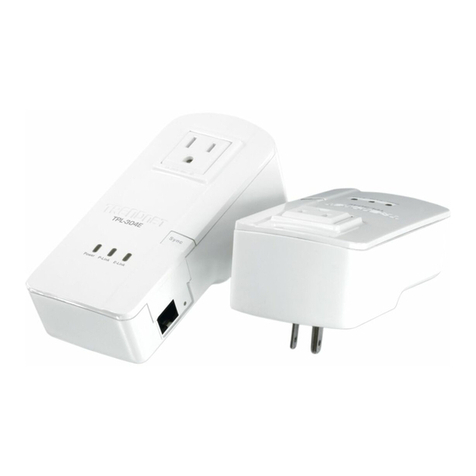
TRENDnet TPL-304E User manual

TRENDnet

TRENDnet TPL-304E User manual
TRENDnet TPL-304E User manual

TRENDnet

TRENDnet TPL-304E User manual
TRENDnet TPL-303E User manual

TRENDnet

TRENDnet TPL-303E User manual
TRENDnet TEW-648UB - 150Mbps Mini Wireless N USB 2.0... User manual
TRENDnet

TRENDnet TEW-648UB - 150Mbps Mini Wireless N USB 2.0... User manual

TRENDnet TPL-303E User manual

TRENDnet

TRENDnet TPL-303E User manual
TRENDnet TPL-302E2K - Powerline AV Fast EN Adapter User manual
TRENDnet

TRENDnet TPL-302E2K - Powerline AV Fast EN Adapter User manual

TRENDnet TU2-ET100 User manual

TRENDnet

TRENDnet TU2-ET100 User manual
TRENDnet TPL-305E User manual

TRENDnet

TRENDnet TPL-305E User manual
TRENDnet TBW-101UB User manual

TRENDnet

TRENDnet TBW-101UB User manual
TRENDnet TPL-402E User manual

TRENDnet

TRENDnet TPL-402E User manual
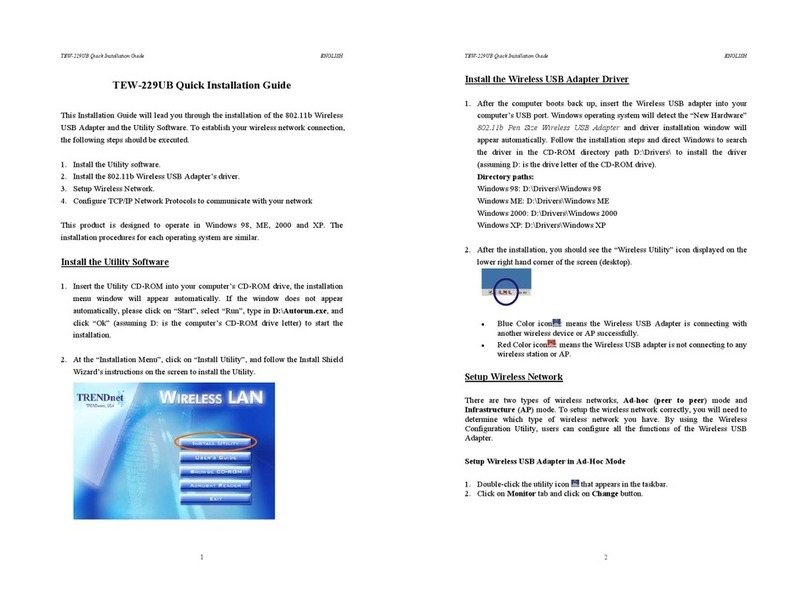
TRENDnet TEW-229UB User manual

TRENDnet

TRENDnet TEW-229UB User manual
TRENDnet TPL-303E User manual

TRENDnet

TRENDnet TPL-303E User manual
TRENDnet TE-PCIWplus User manual

TRENDnet

TRENDnet TE-PCIWplus User manual
TRENDnet TBW-103UB User manual

TRENDnet

TRENDnet TBW-103UB User manual
TRENDnet TE-PCIWTplus User manual

TRENDnet

TRENDnet TE-PCIWTplus User manual
TRENDnet TBW-105UB User manual

TRENDnet

TRENDnet TBW-105UB User manual
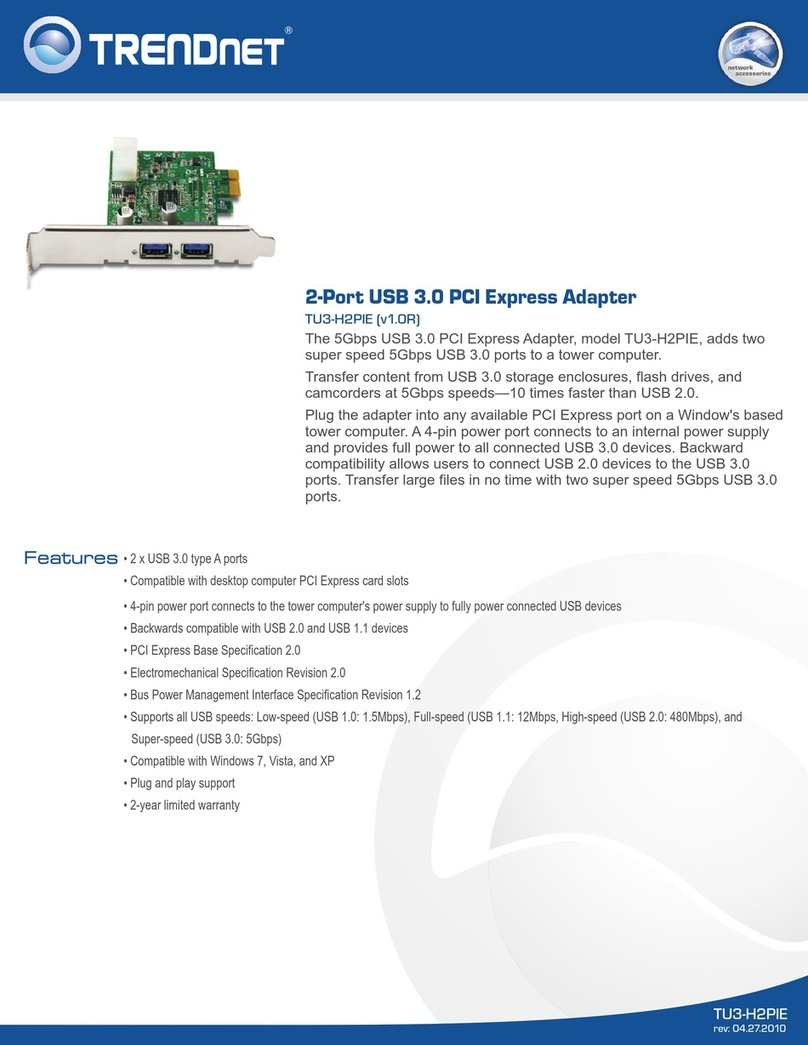
TRENDnet TU3-H2PIE User manual

TRENDnet

TRENDnet TU3-H2PIE User manual
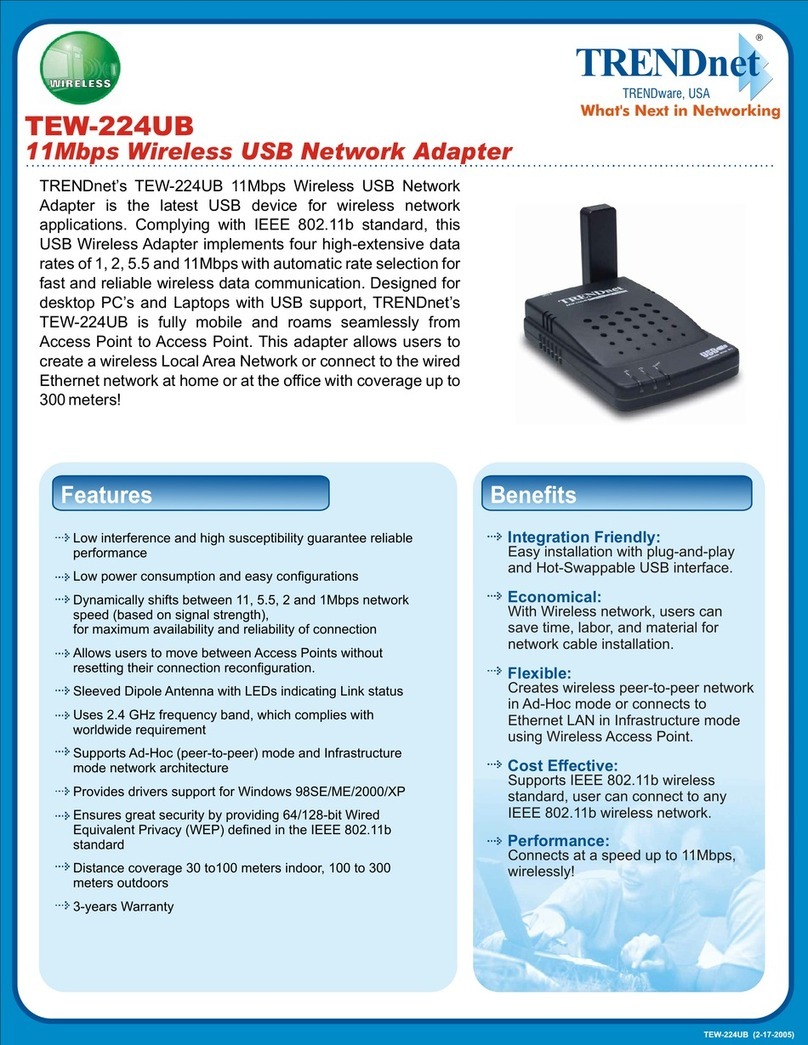
TRENDnet TEW-224UB User manual

TRENDnet

TRENDnet TEW-224UB User manual

TRENDnet TPL-306E User manual

TRENDnet

TRENDnet TPL-306E User manual
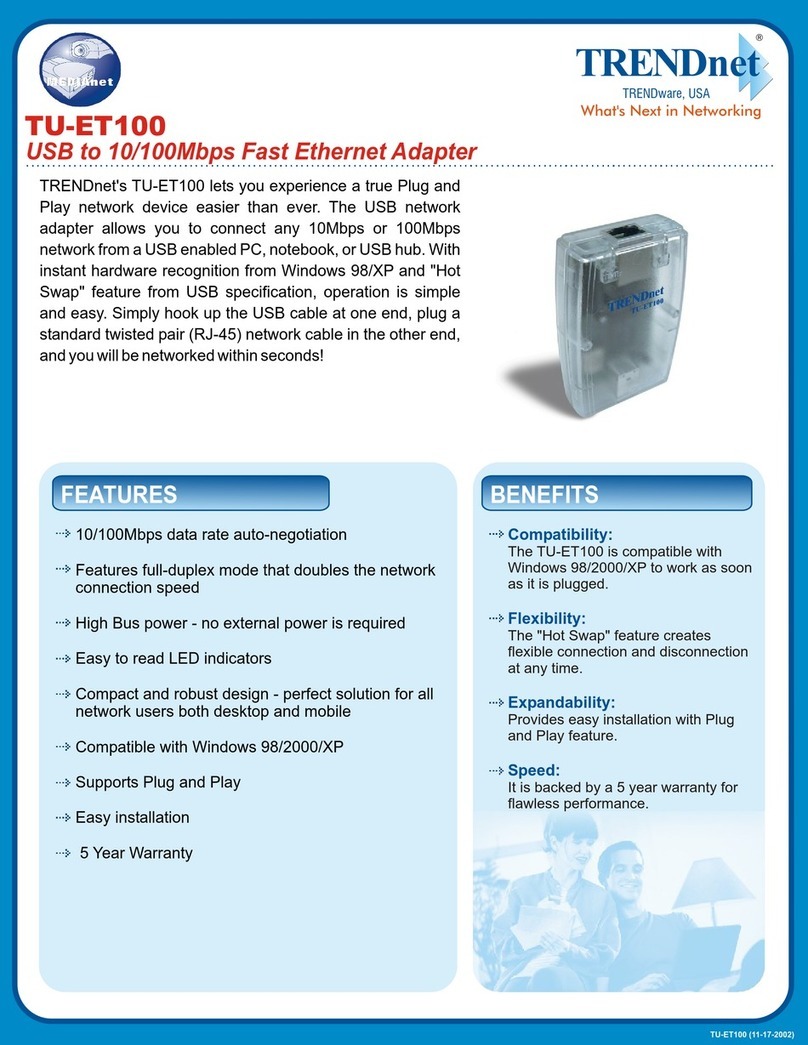
TRENDnet TU-ET100 User manual

TRENDnet

TRENDnet TU-ET100 User manual
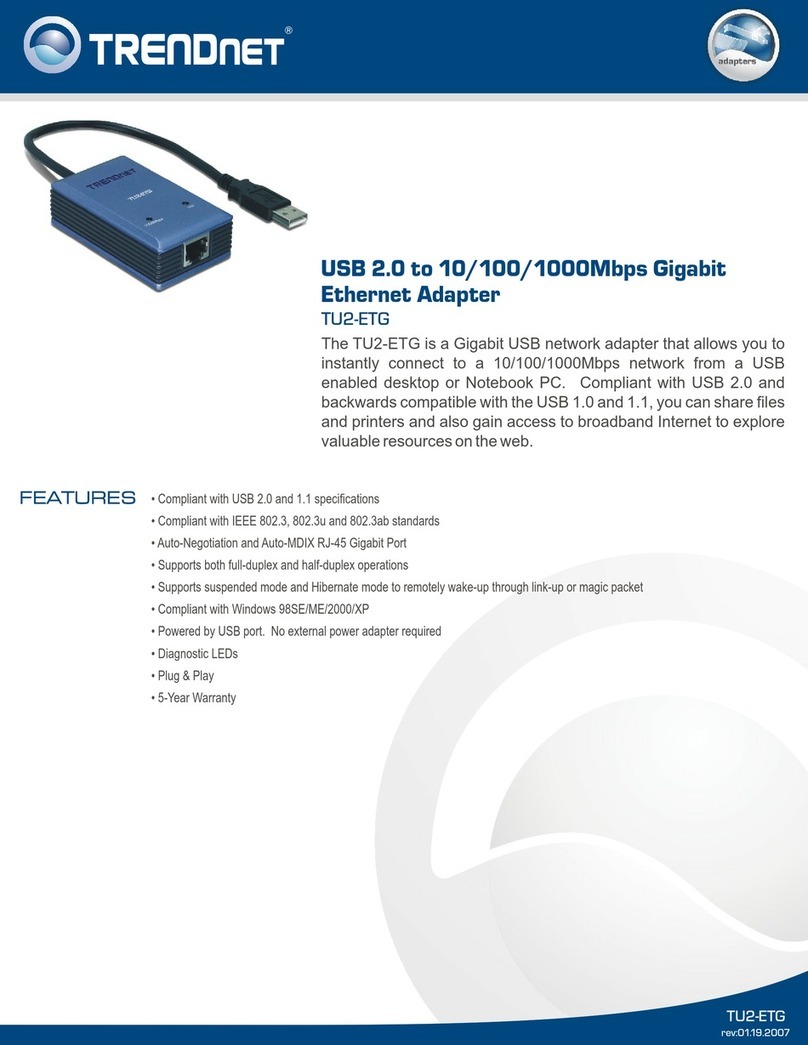
TRENDnet TU2-ETG User manual

TRENDnet

TRENDnet TU2-ETG User manual

TRENDnet TEW-229UB User manual

TRENDnet

TRENDnet TEW-229UB User manual

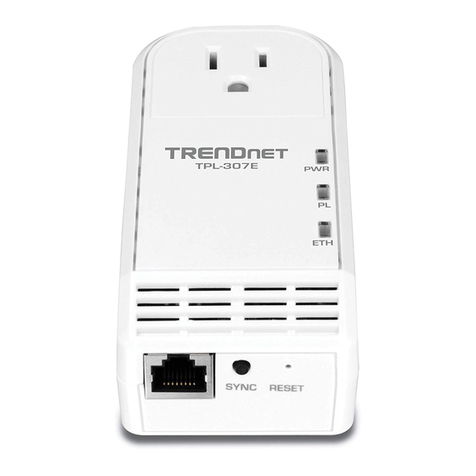
TRENDnet TPL-307E User manual

TRENDnet

TRENDnet TPL-307E User manual

TRENDnet TEW-621PC - 300Mbps Wireless N PC Card... User manual

TRENDnet

TRENDnet TEW-621PC - 300Mbps Wireless N PC Card... User manual

Popular Adapter manuals by other brands

NETGEAR XAV1301v1/XAVB1301v1 null

NETGEAR

NETGEAR XAV1301v1/XAVB1301v1 null

PCB Piezotronics 090B274 Installation and operating manual

PCB Piezotronics

PCB Piezotronics 090B274 Installation and operating manual

Gossen MetraWatt AT3-III E operating instructions

Gossen MetraWatt

Gossen MetraWatt AT3-III E operating instructions

Akribis ITF-21-BISS-MIT user manual

Akribis

Akribis ITF-21-BISS-MIT user manual

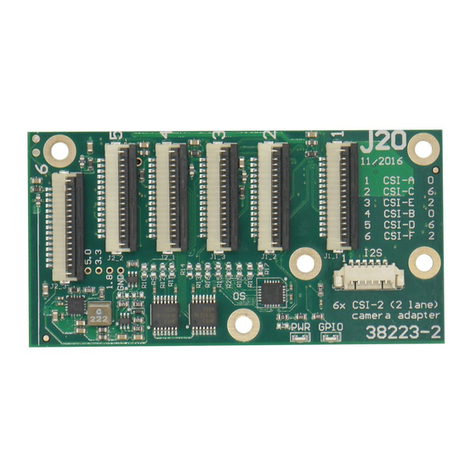
Auvidea J20 Technical reference manual

Auvidea

Auvidea J20 Technical reference manual

Tenda W54U user guide

Tenda

Tenda W54U user guide

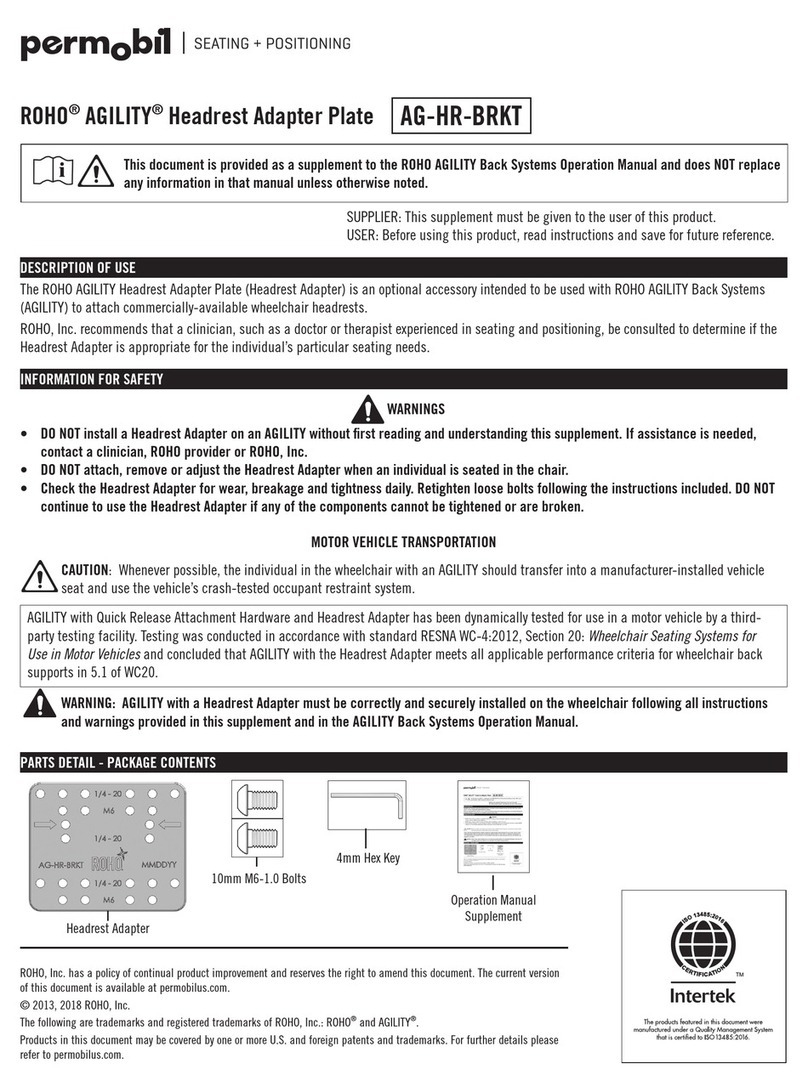
ROHO AGILITY Operation manual

ROHO

ROHO AGILITY Operation manual

PROLiNK WN2001 Quick installation guide

PROLiNK

PROLiNK WN2001 Quick installation guide

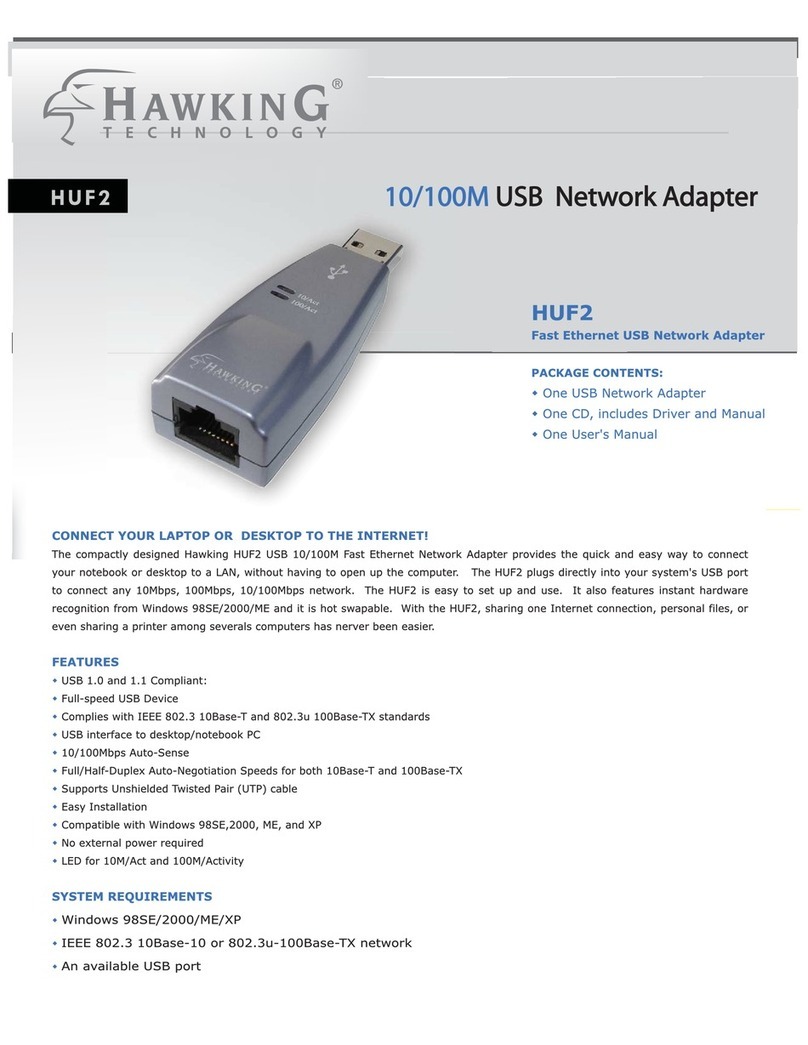
Hawking HUF2 Specifications

Hawking

Hawking HUF2 Specifications

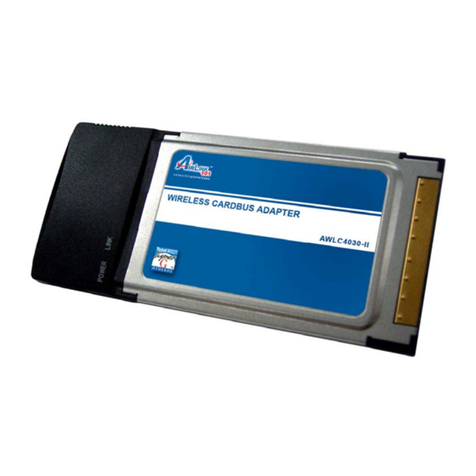
Airlink101 AWLC4030 user manual

Airlink101

Airlink101 AWLC4030 user manual

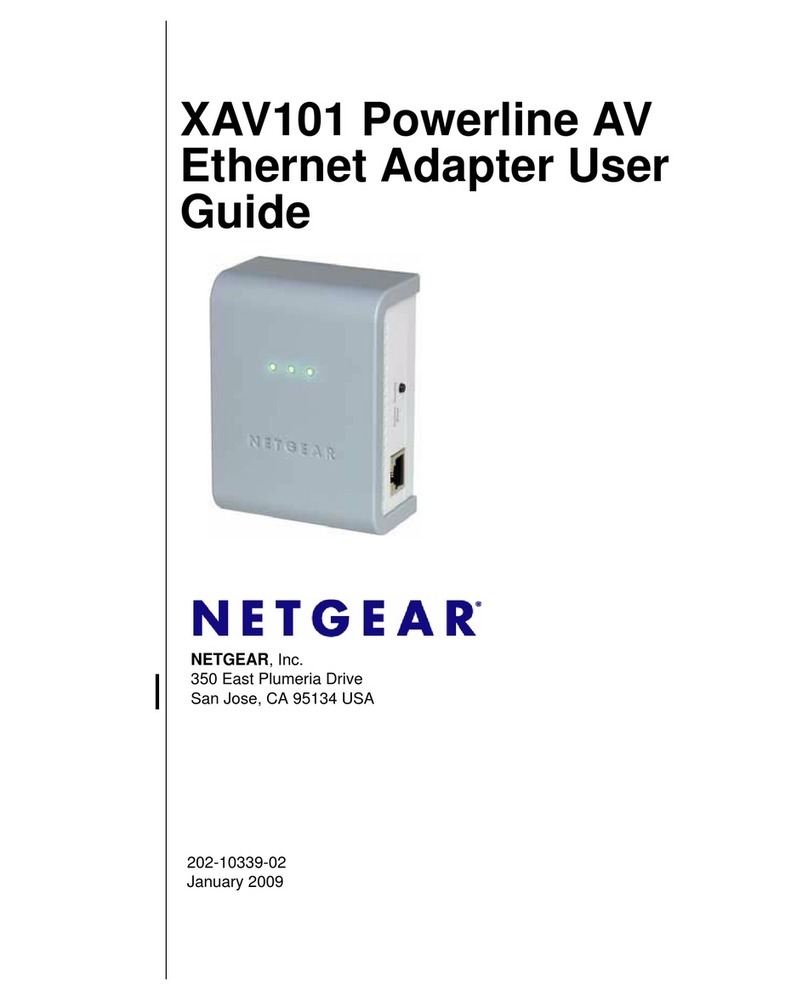
NETGEAR XAV101v1 - Powerline AV Ethernet Adapter user manual

NETGEAR

NETGEAR XAV101v1 - Powerline AV Ethernet Adapter user manual

Philips SWA4554S/10 user manual

Philips

Philips SWA4554S/10 user manual

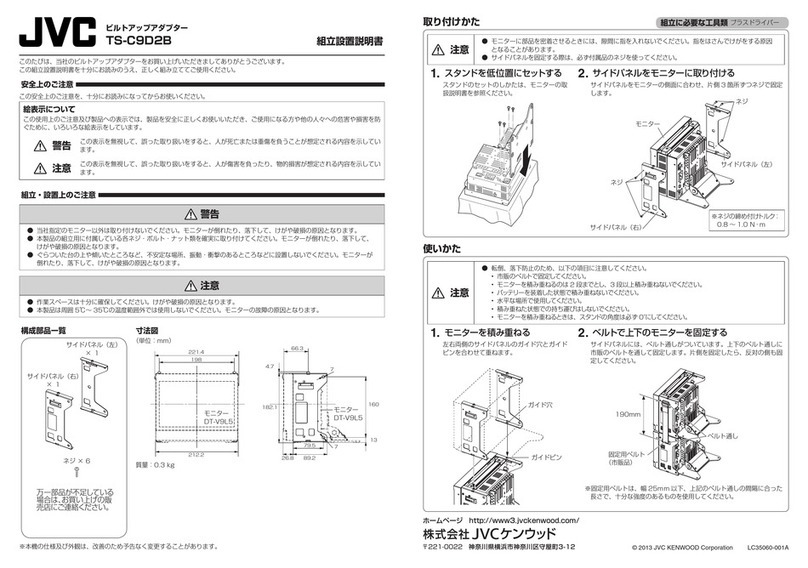
JVC TS-C9D2B Assembly and installation instructions

JVC

JVC TS-C9D2B Assembly and installation instructions

NETGEAR A6100 quick start

NETGEAR

NETGEAR A6100 quick start

D-Link DWA-121 Quick install guide

D-Link

D-Link DWA-121 Quick install guide

Philips SWA2037 Specifications

Philips

Philips SWA2037 Specifications

Basalte 0610-20 installation manual

Basalte

Basalte 0610-20 installation manual

Yealink EHS40 user guide

Yealink

Yealink EHS40 user guide

https://manuals.online logo
https://manuals.online logoBrands
  • About & Mission
  • Contact us
  • Privacy Policy
  • Terms and Conditions

Copyright 2026 Manuals.Online. All Rights Reserved.

Q: How do I connect to my wireless network?
A:
Step 2. Select “802.11g USB 2.0 WLAN Dongle” from the Network Adapter drop down menu.
Next double-click the SSID you wish to connect to within the Available Network window.
Step 1. Double-click the Bluetooth icon in your System Tray.
Step 3. Verify the connection status by checking the Link Status, Signal Strength and Link quality
fields.
TBW-103UB F.A.Q.
Q: How do I configure my TBW-103UB if my access point has WPA encryption
enabled?
A:Step 1. Double-click on the wireless icon in your System Tray.
Step 2. Select “802.11g USB 2.0 WLAN Dongle” from the Network Adapter drop down menu.
Next double-click the SSID you wish to connect to within the Available Network window.
Step 3. The following window will pop-up. If this is the first time you are connecting to this network
or you are changing your network key click No.
TBW-103UB F.A.Q.
Step 5. Enter the network key into the passphrase box, click Apply then close the window.
Step 4. Click Change.
TBW-103UB F.A.Q.
Step 4. Verify the connection status by checking the Link Status, Signal Strength and Link quality
fields.
TBW-103UB F.A.Q.
Q: How do I configure my TBW-103UB if my access point has WEA encryption
enabled?
A:Step 1. Double-click on the wireless icon in your System Tray.
Step 2. Select “802.11g USB 2.0 WLAN Dongle” from the Network Adapter drop down menu.
Next double-click the SSID you wish to connect to within the Available Network window.
Step 4. Click Change.
Step 5. Enter the your encryption values and keys into the appropriate fields, click Apply then
close the window.
Step 3. The following window will pop-up. If this is the first time you are connecting to this network
or you are changing your network key click No.
TBW-103UB F.A.Q.
Step 6. Verify the connection status by checking the Link Status, Signal Strength and Link quality
fields.
TBW-103UB F.A.Q.
Q: What are the different modes that the TBW-103UB supports?
A:
Q: How do I access the Bluetooth Utility.
A:
The TBW-103UB has a Station (Infrastructure mode) and an Access Point (Ad-hoc) mode.
Step 1. Double-click the Bluetooth icon in your System Tray.
Step 2. Click the orange ball to search for Bluetooth devices.
Step 3. Double Click the Bluetooth enabled device. All available Bluetooth services are
highlighted in yellow for your convenience. Double-click the Bluetooth service you want to
enable.
Note: It will prompt you to pair the devices. Enter in a PIN code and the remote Bluetooth
device will be challenged with that PIN code. In instances where the Bluetooth device
does not have a way to enter a PIN code, for example a headset, there will be a certain
method used to pair the devices. Please refer to the Bluetooth devices user’s guide for
instructions on how to pair the device.
TBW-103UB F.A.Q.
Q: When I use the File Transfer service where are the files transferred to on my
computer?
A:
Q: Why is the Wireless Networks tab missing under the properties of my wireless
network connection?
A:
They will located in your “My Documents” folder. Double click on My Documents then the
Bluetooth folder then the Share folder.
The Wireless Zero Configuration service is not running.
Click on Start then Run. Type in “services.msc”, without the quotes and hit enter.
This will open the services window. Double click on the Wireless zero configuration service.
Make sure the Startup type is set to Automatic and click on “Start” to start the service. Click
“Apply” then “Ok”.
TBW-103UB F.A.Q.
TBW-103UB F.A.Q.
Q: Why am I getting low signal strength?
A:There are a number of factors that can impact the range of wireless devices.
1) Keep the number of obstructions to a minimum. Each obstruction can reduce the range of a
wireless device. Position the wireless devices in a manner that will minimize the amount of
obstructions between them.
2) Building materials can have a large impact on your wireless signal. In an indoor environment
try to position the wireless devices so that the signal passes through drywall or open doorways or
space.
3) Antenna position can also have a large impact on your wireless signal. Use the adapter’s site
survey tool to determine the best antenna position for your wireless devices.
4) Interference from devices that produce RF noise can also impact your signal. Position your
wireless devices away from Microwaves, UPS’s, monitors, HAM radios, etc. Also, anything
operating on the 2.4ghz frequency will cause interference. Such as 2.4ghz cordless phones or
other wireless remotes operating on the 2.4ghz frequency.
If you are experiencing low, or no, signal strength consider repositioning the wireless devices,
repeating the signal or using stronger antenna’s to boost the signal strength.