manuals.online logo
Brands
  1. Home
  2. •
  3. Brands
  4. •
  5. Vernier
  6. •
  7. Measuring Instrument
  8. •
  9. Vernier GNM-BTA User manual

Vernier GNM-BTA User manual

Other Vernier Measuring Instrument manuals

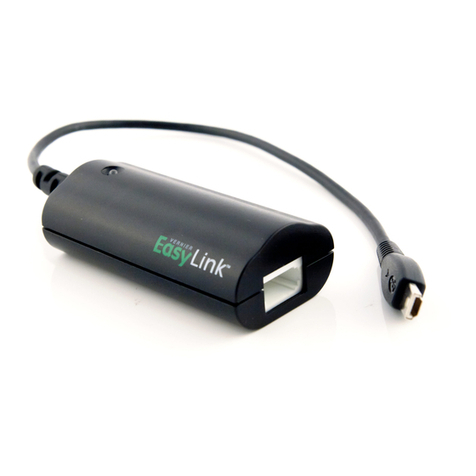
Vernier EasyLink EZ-LINK User manual

Vernier

Vernier EasyLink EZ-LINK User manual

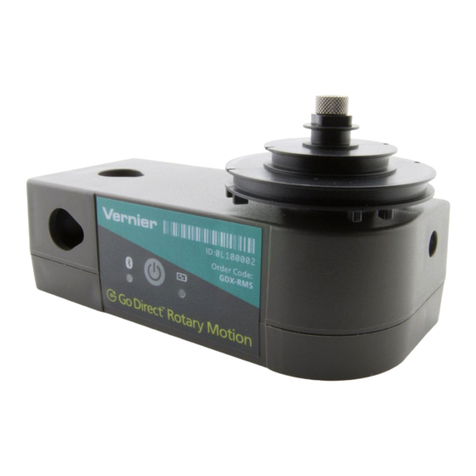
Vernier Go Direct GDX-RMS User manual

Vernier

Vernier Go Direct GDX-RMS User manual

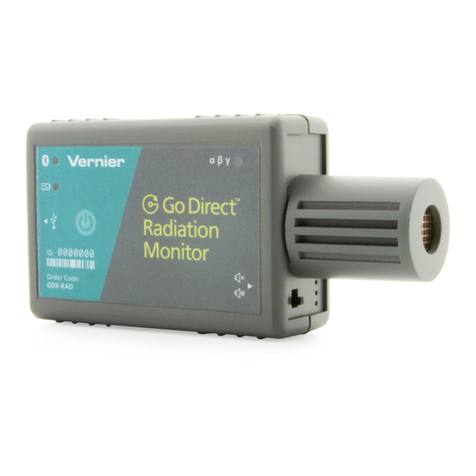
Vernier Go Direct GDX-RAD User manual

Vernier

Vernier Go Direct GDX-RAD User manual

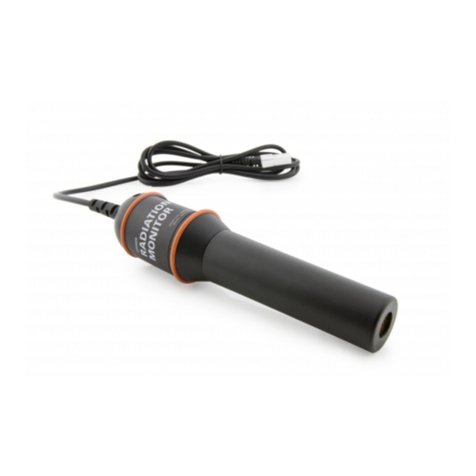
Vernier VRM-BTD User manual

Vernier

Vernier VRM-BTD User manual

Vernier DRM-BTD User manual

Vernier

Vernier DRM-BTD User manual

Vernier Go Direct SpectroVis Plus User manual

Vernier

Vernier Go Direct SpectroVis Plus User manual

Vernier Go Direct GDX-NH4 User manual

Vernier

Vernier Go Direct GDX-NH4 User manual

Vernier Go Direct ORP User manual

Vernier

Vernier Go Direct ORP User manual

Vernier DRM-BTD User manual

Vernier

Vernier DRM-BTD User manual

Vernier 3D-BTA User manual

Vernier

Vernier 3D-BTA User manual

Vernier NO3-BTA User manual

Vernier

Vernier NO3-BTA User manual

Vernier Go Direct GDX-WRP User manual

Vernier

Vernier Go Direct GDX-WRP User manual

Vernier ACC-BTA User manual

Vernier

Vernier ACC-BTA User manual

Vernier VSP-EM User manual

Vernier

Vernier VSP-EM User manual

Vernier Go Direct Visible Spectrophotometer User manual

Vernier

Vernier Go Direct Visible Spectrophotometer User manual

Vernier Go Direct Sound User manual

Vernier

Vernier Go Direct Sound User manual

Vernier Go Direct GDX-SPEC-FUV User manual

Vernier

Vernier Go Direct GDX-SPEC-FUV User manual

Vernier Go Direct Sound User manual

Vernier

Vernier Go Direct Sound User manual

Vernier Go Direct GDX-SPEC-EM User manual

Vernier

Vernier Go Direct GDX-SPEC-EM User manual

Vernier K-BTA User manual

Vernier

Vernier K-BTA User manual

Vernier VSP-FP User manual

Vernier

Vernier VSP-FP User manual

Vernier BlueView Transilluminator Operating instructions

Vernier

Vernier BlueView Transilluminator Operating instructions

Vernier Go Direct GDX-CA User manual

Vernier

Vernier Go Direct GDX-CA User manual

Vernier Go Direct UV-VIS User manual

Vernier

Vernier Go Direct UV-VIS User manual

Popular Measuring Instrument manuals by other brands

Powerfix Profi 278296 Operation and safety notes

Powerfix Profi

Powerfix Profi 278296 Operation and safety notes

Test Equipment Depot GVT-427B user manual

Test Equipment Depot

Test Equipment Depot GVT-427B user manual

Fieldpiece ACH Operator's manual

Fieldpiece

Fieldpiece ACH Operator's manual

FLYSURFER VIRON3 user manual

FLYSURFER

FLYSURFER VIRON3 user manual

GMW TG uni 1 operating manual

GMW

GMW TG uni 1 operating manual

Downeaster Wind & Weather Medallion Series instruction manual

Downeaster

Downeaster Wind & Weather Medallion Series instruction manual

Hanna Instruments HI96725C instruction manual

Hanna Instruments

Hanna Instruments HI96725C instruction manual

Nokeval KMR260 quick guide

Nokeval

Nokeval KMR260 quick guide

HOKUYO AUTOMATIC UBG-05LN instruction manual

HOKUYO AUTOMATIC

HOKUYO AUTOMATIC UBG-05LN instruction manual

Fluke 96000 Series Operator's manual

Fluke

Fluke 96000 Series Operator's manual

Test Products International SP565 user manual

Test Products International

Test Products International SP565 user manual

General Sleep Zmachine Insight+ DT-200 Service manual

General Sleep

General Sleep Zmachine Insight+ DT-200 Service manual

Sensa Core Lacto Spark user manual

Sensa Core

Sensa Core Lacto Spark user manual

VOLTCRAFT UTS-1980 operating instructions

VOLTCRAFT

VOLTCRAFT UTS-1980 operating instructions

EBCHQ 94915 Operation manual

EBCHQ

EBCHQ 94915 Operation manual

Balluff BIP LD2-T017-01-EP-S4 Series user guide

Balluff

Balluff BIP LD2-T017-01-EP-S4 Series user guide

Pulsar IMP Lite Series instruction manual

Pulsar

Pulsar IMP Lite Series instruction manual

ETCR 6800 user manual

ETCR

ETCR 6800 user manual

manuals.online logo
manuals.online logoBrands
  • About & Mission
  • Contact us
  • Privacy Policy
  • Terms and Conditions

Copyright 2025 Manuals.Online. All Rights Reserved.

1
Using the Product
Attaching the Goniometer to a Person
1. Select one member of the group to be the test subject. Thread two 24-inch
elastic straps through the slots that can be found on the stationary arm of the
Goniometer.
2. Secure the stationary arm of the Goniometer to the upper leg or arm of the
subject using the elastic straps, as shown in Figure1.
Figure 1
3. Make sure the dial on the sensor is centered on the joint being studied.
Reposition and secure the Goniometer, if necessary.
4. Using a single 14-inch elastic strap, secure the flexible arm of the Goniometer
to the foreleg or forearm.
5. Verify that the subject can move freely with the Goniometer attached to the
limb being studied.
Changing the Flexible Arm of the Goniometer
The Goniometer comes with a set of flexible arms that vary in size. For subjects
with smaller limbs, you may want to use one of the smaller joint arms on this
sensor. To change the flexible arm, simply loosen and remove the screw that
secures the arm to the dial. Select the appropriate joint arm and fasten it to the
sensor with the screw provided. Verify that the terminal edge of the joint arm is
aligned with the set screw on the side of dial. Reposition the flexible arm of the
Goniometer, if necessary.
Helpful Hints
You can easily reverse the reporting direction of the Goniometer using the data-
collection software. This is very useful for comparing joint activity from left and
right limbs. The instructions for reversing direction are dependent on the data-
collection software you are using.
lLogger Pro Users: Choose Set Up Sensors from the Experiment menu, then
select your interface (LabQuest, LabPro, etc.). Click the image representing the
Goniometer. Select Reverse Direction, and then close the dialog box.
lLabQuest Users: Tap the angle reading on the Meter screen. Choose Reverse
Direction. Select the box for the Goniometer.
lGraphical Analysis Users: Click or tap the Angle meter and turn on Reverse.
Goniometer
(Order Code GNM-BTA)
The Goniometer measures the angle
of a joint, such as the knee or elbow.
Use it to measure the range of
motion of a limb during different
types of physical activity. A set of
elastic straps can be used to secure the sensor to the subject for dynamic
measurements of joint angle during different types of physical activity. You can
also use it with a Vernier EKG Sensor to measure muscle activity during different
phases of limb motion. In addition, the sensor head can be detached from both
arms of the sensor for use in STEM and engineering activities.
Note: Vernier products are designed for educational use. Our products are not
designed nor are they recommended for any industrial, medical, or commercial
process such as life support, patient diagnosis, control of a manufacturing
process, or industrial testing of any kind.
What's Included
lGoniometer: joint angle sensor attached to metal stationary arm
l12-inch flexible joint arm (comes attached to sensor)
l10-inch flexible joint arm
l8-inch flexible joint arm
l24-inch elastic hook and loop straps (2)
l14-inch elastic hook and loop straps (2)
Compatible Software
See www.vernier.com/manuals/gnm-bta for a list of software compatible with the
Goniometer.
Getting Started
1. Connect the sensor to the interface (LabQuest Mini, LabQuest 3, etc.).
2. Start the appropriate data-collection software (Logger Pro®, LabQuest®App,
or VernierGraphical Analysis™) if not already running, and choose New from
File menu. The software will identify the sensor and load a default
data-collection setup.
3. Zero the sensor to report positive and negative joint angles from the subject's
starting position. To zero sensors,
lLogger Pro Users: Choose Zero from the Experiment menu.
lLabQuest Users: Choose Zero from the Sensors menu on the Meter screen.
lGraphical Analysis Users: Click or tap the Angle Meter and choose zero.
4. You are now ready to collect data.
If you are collecting data using a Chromebook™, mobile device such as iPad®or
Android™ tablet, or a Vernier wireless interface, please see the following link for
up-to-date connection information:
www.vernier.com/start/gnm-bta

2
Specifications
Range 0–340º (or ±170º)
Accuracy ±3°
±1° (with calibration)
12-bit resolution 0.12°
Stored Calibration Values slope: 90°/V
intercept: –45°
Suggested Experiments
Measure the range of motion of various anatomical joints
Students measure the range of motion of different anatomical joints in this
exercise. The knee, elbow, hip, wrist, ankle, and hand can all be measured using
the Goniometer. Standard bony landmarks are used to mark the axis of rotation for
each joint. As a result, the Goniometer does not need to be attached to the subject
for this exercise.
Measure the range of motion of the elbow or knee during physical activity
In this type of activity, the Goniometer is attached to the subject’s arm or leg. The
range of motion of the joint is then recorded during physical activity. Standard
weight lifting exercises can be used for the leg and arm, such as squats, leg
extensions, bicep curls, dips, and triceps extensions. As shown in Figure 3,
dynamic range of motion can be studied during running. Dynamic range of motion
can also be studied while cycling
Figure 3
Measure the activity of different muscle groups during limb movement
In this type of activity, the Goniometer is used with one or more EKG Sensors to
measure the electrical activity of different muscle groups during physical activity.
Standard weight lifting exercises can be used for the leg and arm. The bicep curl is
an excellent exercise for this lab. As shown in Figure 4, bicep activity increases
during flexion and will decrease during extension.
You can easily increase the length of the 14-inch strap if it is too short to
comfortably wrap around the foreleg or forearm. Thread the second 14-inch strap
through the eyelet of the first strap. Fold the second strap over itself so that the
hook and loops lock. This will increase the length of the strap by 8 inches.
Calibrating the Sensor
Optional Calibration Procedure
Calibrating the Goniometer may not be necessary for some activities. If you are
evaluating the range of motion of a joint, such as the knee or elbow, then the
stored calibration should work well. For dynamic analysis of a joint you may want
to calibrate the sensor before attaching it to a subject. The instructions for
calibration are dependent on the data-collection software you are using.
Calibrating the Goniometer with Logger Pro
1. Choose Calibrate from the Experiment menu. Click Calibrate Now in the
Sensor Settings dialog box.
2. Select the box marked One Point Calibration. Click the Calibrate Now button.
3. Rotate the flexible arm of the Goniometer until it is positioned 180º from the
stationary arm, as shown in Figure2.
4. Verify that the set screw on the side of the dial is aligned with the silver dot on
the baseplate. Reposition the dial if necessary.
5. Enter 180º for Value1. Click Keep, and then click OK.
Figure 2
Calibrating the Goniometer with LabQuest App
1. Choose Calibrate from the Sensors menu. Select the box marked One point
calibration. Tap the Calibrate Now button.
2. Rotate the flexible arm of the goniometer until it is positioned 180º from the
stationary arm. Verify that the set screw on the side of the dial is aligned with
the silver dot on the baseplate of the sensor.
3. Enter 180º for Value1. Tap Keep, and then tap OK.
Calibrating the Goniometer with Graphical Analysis
1. Click the Angle meter and choose Calibrate. Choose One-point calibration
from the Calibrate menu.
2. Rotate the flexible arm of the Goniometer until it is positioned 180º from the
stationary arm. Verify that the set screw on the side of the dial is aligned with
the silver dot on the baseplate of the sensor.
3. Enter 180° for the first known value. Click or tap Apply to complete the
calibration process.
3
Support at [email protected] or call 888-837-6437. Support specialists will
work with you to determine if the unit needs to be sent in for repair. At that time,
a Return Merchandise Authorization (RMA) number will be issued and
instructions will be communicated on how to return the unit for repair.
Accessories/Replacements
Item Order Code
Goniometer Replacement Straps (4 elascit
straps)
GNM-STRAPS
Goniometer Replacement Arms (3 flexible
arms)
GNM-ARMS
Warranty
Warranty information for this product can be found on the Support tab at
www.vernier.com/gnm-bta
General warranty information can be found at www.vernier.com/warranty
Disposal
When disposing of this electronic product, do not treat it as household waste. Its
disposal is subject to regulations that vary by country and region. This item should
be given to an applicable collection point for the recycling of electrical and
electronic equipment. By ensuring that this product is disposed of correctly, you
help prevent potential negative consequences on human health or on the
environment. The recycling of materials will help to conserve natural resources.
For more detailed information about recycling this product, contact your local city
office or your disposal service.
Vernier Software & Technology
13979 SW Millikan Way • Beaverton, OR 97005-2886
Toll Free (888) 837-6437 • (503) 277-2299 • Fax (503) 277-2440
[email protected] • www.vernier.com
Rev. 01/24/22
Logger Pro, Graphical Analysis, Vernier LabQuest, Vernier LabQuest Mini, and other marks shown are our
trademarks or registered trademarks in the United States.
iPad is a trademark of Apple Inc., registered in the U.S. and other countries.
All other marks not owned by us that appear herein are the property of their respective owners, who may or may not
be affiliated with, connected to, or sponsored by us.
Figure 4
Measure heart rate and dynamic motion of the knee during physical activity
In this type of activity, an Exercise Heart Rate Monitor and the Goniometer are
used to measure heart rate and dynamic range of the knee during physical activity.
As shown in Figure5, a standard exercise bike work well for this exercise.
Treadmills and rowing machines can also be used in this type of activity.
Figure 5
Care and Maintenance
Do not wrap the cable tightly around the sensor for storage. Repeatedly doing so
can irreparably damage the wires and is not covered under warranty.
How the Sensor Works
The flexible arm of the Goniometer is attached to a metal dialon the sensor head
that can rotate 360º. A magnet inside the sensor rotates with this dial. A magnetic
encoder is used to report the position of the magnet. As the magnet rotates, the
encoder produces a voltage that is converted into the position (angle) of the dial by
the data-collection software.
Troubleshooting
For troubleshooting and FAQs, see www.vernier.com/til/2886
Repair Information
If you have watched the related product video(s), followed the troubleshooting
steps, and are still having trouble with your Goniometer, contact Vernier Technical