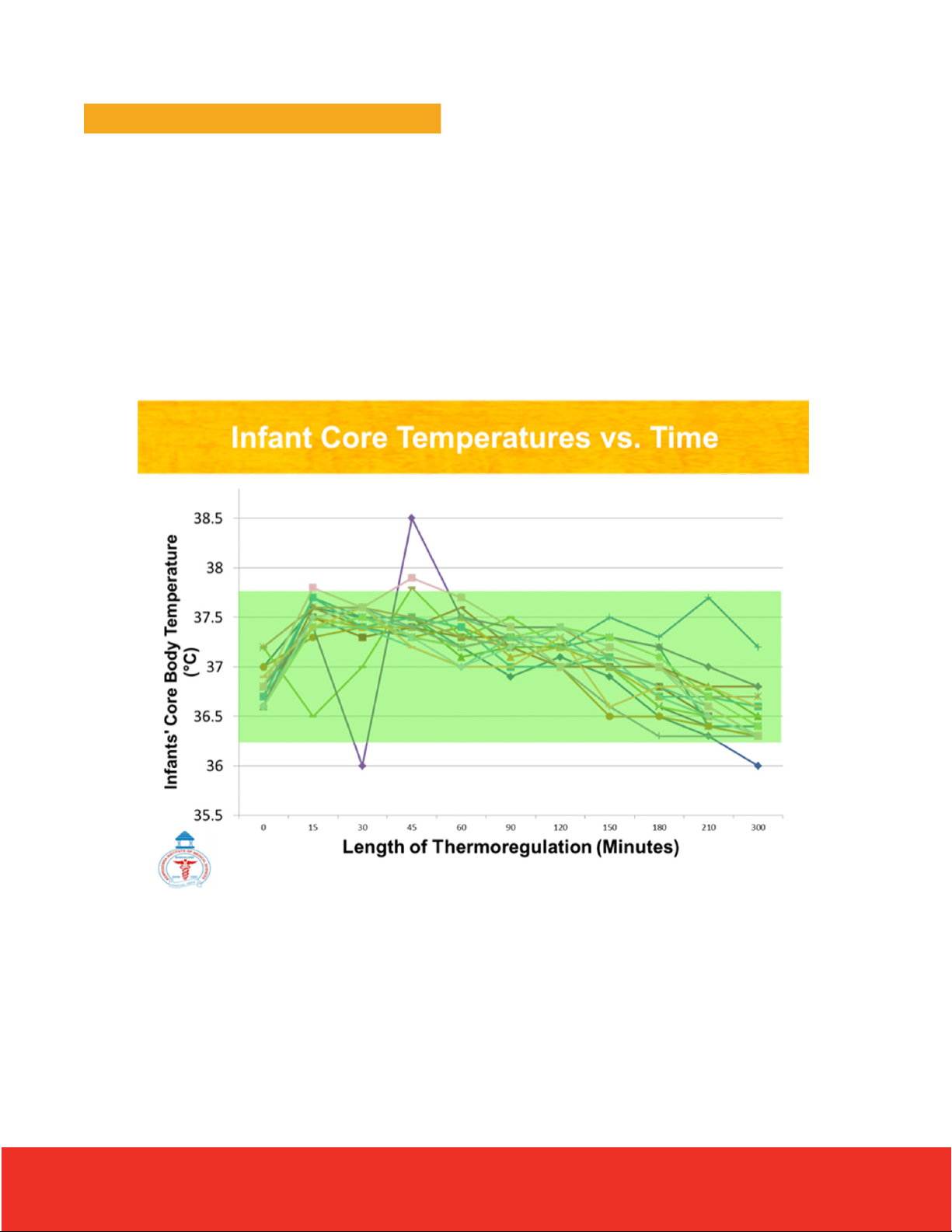
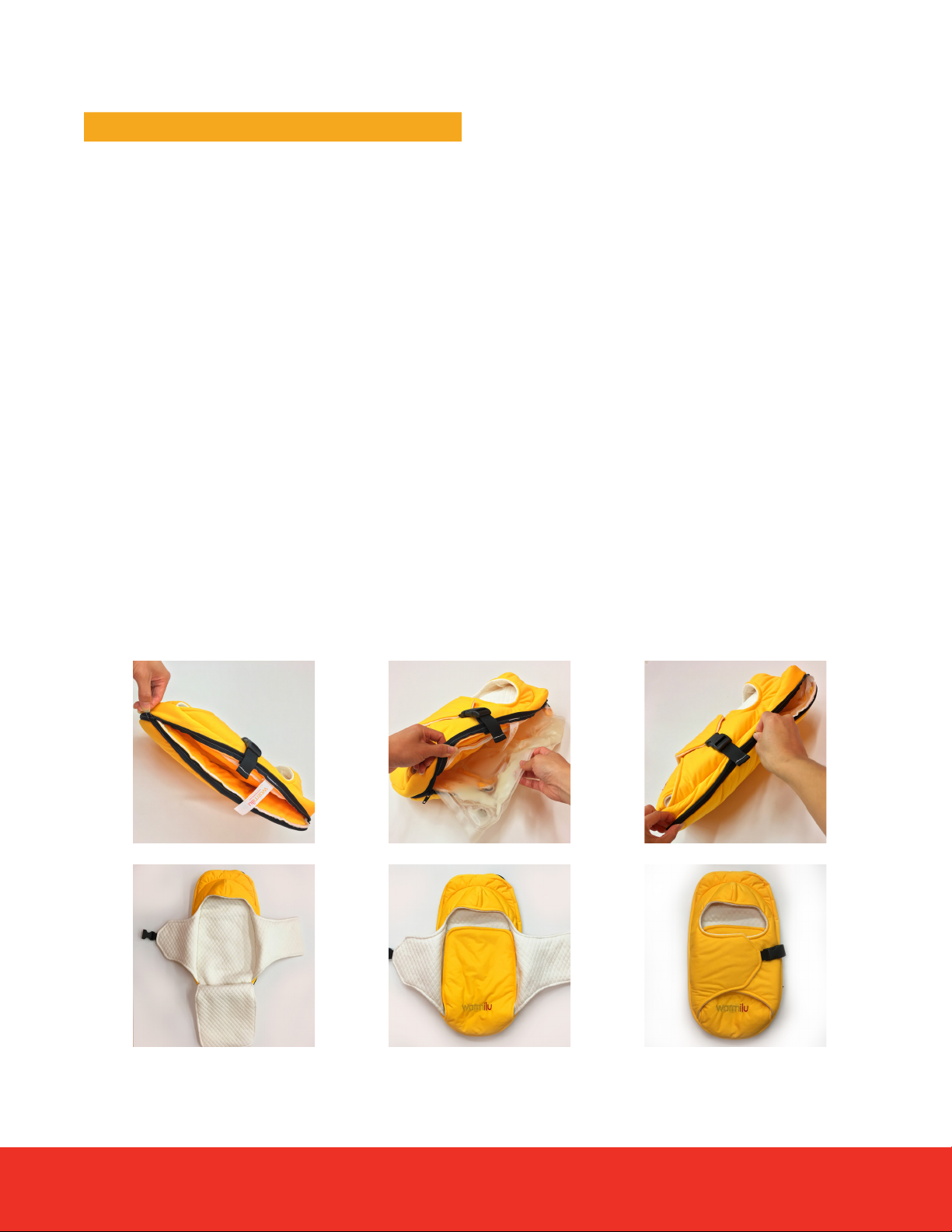
The Warmilu IncuBlanket is intended to assist in maintaining an
infant’s core body temperature for 5-8 hours. Upon receiving the
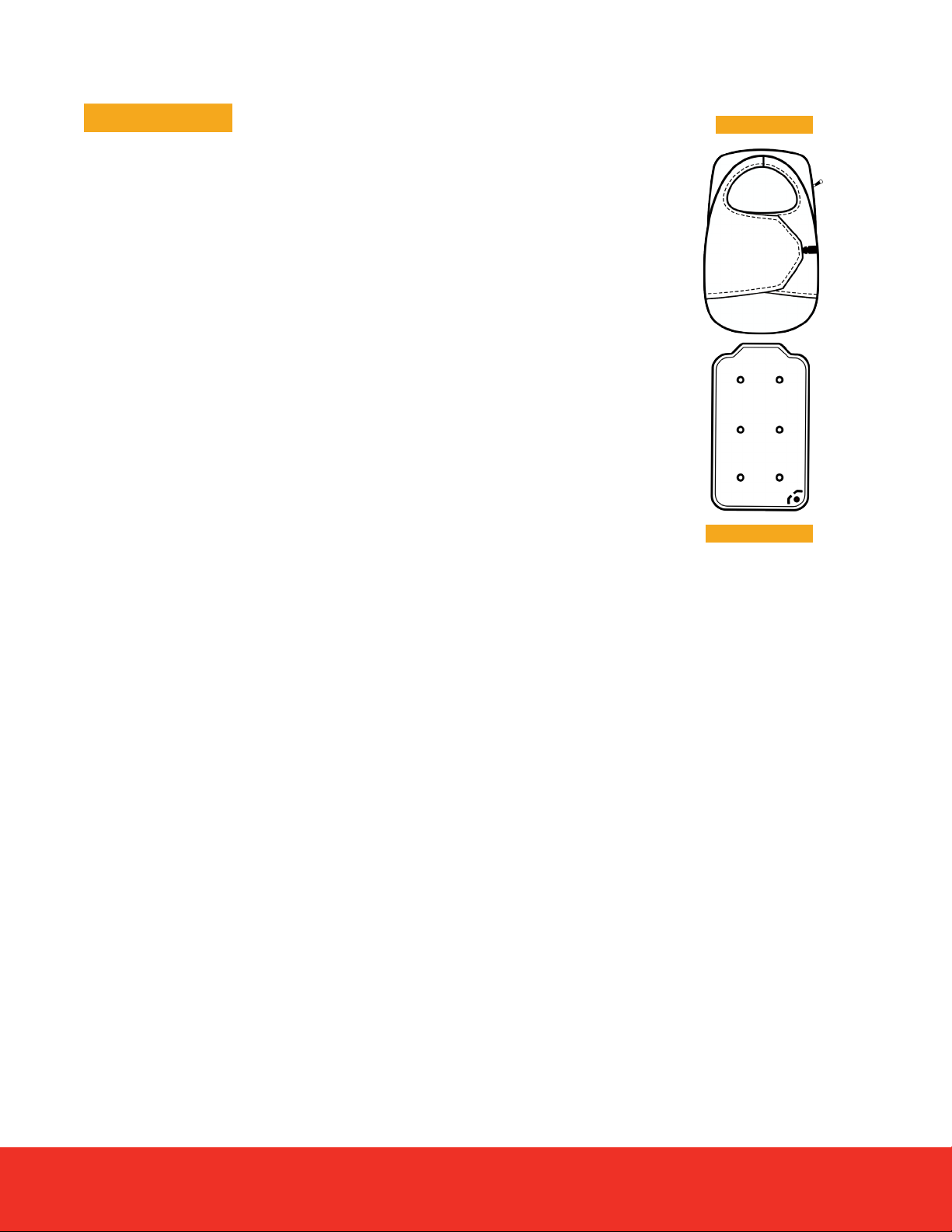
Warmilu IncuBlanket, please check to make sure you have received
its two components including:
Newborns, infants, preterm infants, and young children are more likely
to develop hypothermia. Neonates particularly low birth weight infants
(2,500 g or less), very low birth weight infants (1,500 g or less),
extremely low birth weight infants (less than 1,000 g), and preterm
infants (<37 weeks) are more likely to develop hypothermia due
to limited capacity to thermoregulate. Infants up to about 32 weeks
of gestation do not have the ability to warm themselves effectively. Normal infants weigh
2,500 - 4,200 g at term delivery. Infants risk hypothermia if they are left in close proximity to
cold surfaces, are stressed, or exposed to room temperature air and if the infant is not
immediately dried and swaddled to prevent evaporative, conductive, and convective heat
losses. Hypothermia may be caused by environmental factors, disorders that impair
thermoregulation (i.e. sepsis, intracranial hemorrhage, drug withdrawal, and/or combinations
of the above). The World Health Organization suggests different temperature values to assess
the degree of hypothermia in infants:
Risk factors for hypothermia in infants include maternal hypertension, Cesarean section,
and low Apgar scores. IncuBlankets and InstaWarmers may be used on infants weighing
2,500 g or less. Babies keep a normal heart rate when their body temperature is between
36.7-36.8°C.
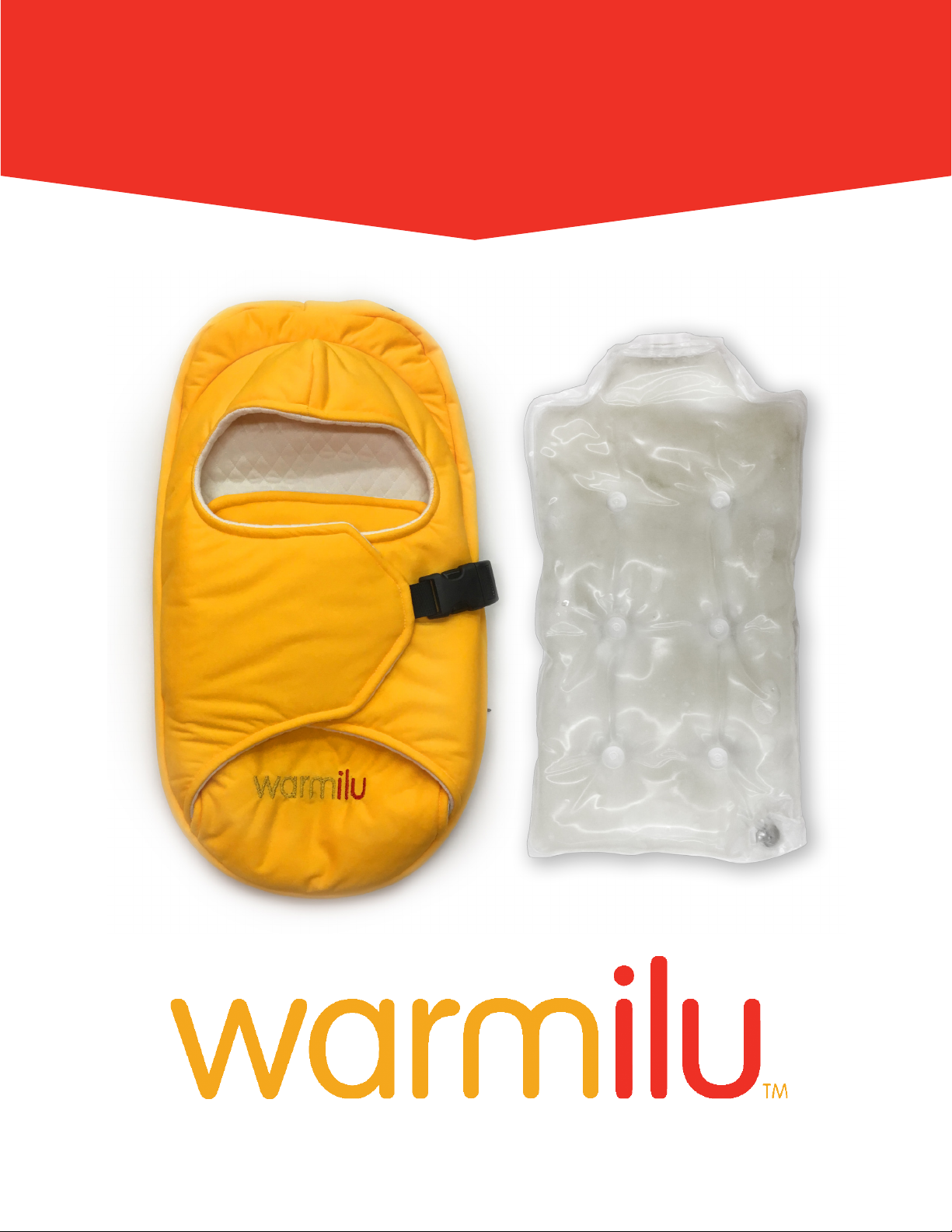
1) InstaWarmer: Warmilu warming pack
2) IncuBlanket: Warmilu infant warming blanket.
Cold stress or mild hypothermia: 36.0°C to 36.4°C (96.8°F - 97.5°F)
Moderate hypothermia: 32.0°C to 35.9 C (89.6°F to 96.6°F)
Severe hypothermia: <32°C (89.6°F)
Source: Merck Manual 2017. http://www.merckmanuals.com/professional/pediatrics/perinatal-problems/hypothermia-in-neonates
Intended Use
IncuBlanket Kit User Manual Page 5
IncuBlanket
InstaWarmer