WRIGHT Salvation 153910-1 User manual

SALVATION™Midfoot Reconstruction System
153910-1
December 2018
Printed in U.S.A.
M
Wright Medical Technology, Inc.
1023 Cherry Road
Memphis, TN 38117
U.S.A.
For additional information and translations please contact the manufacturer or local distributor.
For additional languages, visit our website www.wright.com. Then click on the Prescribing Use option.
English (en)
The following languages are included in this packet:


1
EN
Attention Operating Surgeon
IMPORTANT MEDICAL INFORMATION
WRIGHT MEDICAL
SALVATION™FUSION SYSTEMS
(153910-1)
OUTLINE:
DEFINITIONS
I. GENERAL PRODUCT INFORMATION
A. PATIENT SELECTION
B. CONTRAINDICATIONS
C. POTENTIAL COMPLICATIONS AND ADVERSE REACTIONS
D. PRECAUTIONS
E. MRI SAFETY INFORMATION
F. HANDLING AND STERILIZATION
G. STORAGE CONDITIONS
II. SPECIFIC PRODUCT INFORMATION
A. SALVATION™ MIDFOOT RECONSTRUCTION SYSTEM

2
DEFINITIONS
Symbols and abbreviations may be used on the package label. The following table provides the
definition of these symbols and abbreviations.
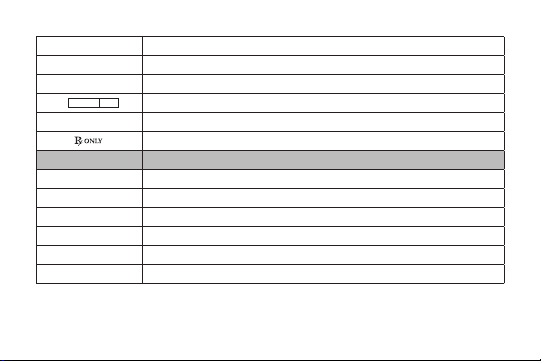
Table 1. Definitions of Symbols and Abbreviations
Symbol Definition
gBatch code
hCatalog number
DDo not re-use
YCaution, consult accompanying documents
iConsult operating instructions
HUse by
lTemperature limitation
pKeep dry
Keep away from sunlight
NDate of manufacture
MManufacturer
3
P[]\ Authorized EC Representative in the European Community
ISterilized using ethylene oxide
KSterilized using radiation
STERILE GAS Sterilized using gas plasma
JSterilized using aseptic processing techniques
For prescription use only
Abbreviation Material
Ti Titanium
Ti6Al4V Titanium Alloy
CoCr Cobalt Chrome Alloy
SS Stainless Steel
UHMWPE Ultra High Molecular Weight Polyethylene

4
I. GENERAL PRODUCT INFORMATION
Through the advancement of surgical fusion hardware, the surgeon has been provided
a means of correcting deformity and reducing pain for many patients. While the implants
used are largely successful in attaining these goals, it must be recognized that they are
manufactured from metal, and that no implant can be expected to withstand the activity levels
and loads as would normal, healthy bone after fusion occurs.
Each patient must be evaluated by the surgeon to determine the risk/benefit relationship.
In using fusion implants, the surgeon should be aware of the following:
• The correct selection and sizing of the implant is extremely important. Selection of
the proper size, shape, and design of the implant increases the potential for success. The
implants require careful seating and adequate bone support.
• In selecting patients for surgery, the following factors can be critical to the
eventual success of the procedure:
1. Patient’s occupation or activity. If the patient is involved in an occupation or activity
which includes substantial lifting or muscle strain, the resultant forces can cause
failure of the fixation, the device, or both. The implant will not restore function to the
level expected with normal healthy bone, and the patient should not have unrealistic
functional expectations.
2. Condition of senility, mental illness, or alcoholism. These conditions, among
others, may cause the patient to ignore certain necessary limitations and precautions
in the use of the implant, leading to failure or other complications.
3. Foreign body sensitivity. Where material sensitivity is suspected, appropriate tests
should be made prior to material selection or implantation.

5
A. PATIENT SELECTION
Use of surgical fusion hardware requires consideration of the following general
indications:
• Good condition of the patient
• Good neurovascular status
• Adequate skin coverage
• Possibility of a functional musculotendinous system
• Adequate bone stock to receive implant
• Availability of post-operative therapy
• Cooperative patient
See Section II for specific product information.
B. GENERAL SURGICAL CONTRAINDICATIONS
• Infection
• Physiclogically or psychologically inadequate patient
• Inadequate skin, bone, or neurovascular status
• Irreparable tendon system
• Possibility for conservative treatment
• Growing patients with open epiphyses
• Patients with high levels of activity

6
C. POTENTIAL COMPLICATIONS AND ADVERSE REACTIONS
In any surgical procedure, the potential for complications exists. The risks and
complications with these implants include:
• Infection or painful, swollen or inflamed implant site
• Fracture of the implant
• Loosening or dislocation of the implant requiring revision surgery
• Bone resorption or over-production
• Allergic reaction(s) to implant material(s)
• Untoward histological responses posibly involving macrophages and/or fibroblasts
• Migration of particle wear debris possibly resulting in a bodily response
• Embolism
See Section II for specific product information.
D. PRECAUTIONS
Following the instructions for use provided in product literature can minimize the potential
for complications or adverse reactions with any implant.
It is the responsibility of each surgeon using implants to consider the clinical and
medical status of each patient and to be knowledgeable about all aspects of implant
procedure and the potential complications that may occur. The benefits derived from
implant surgery may not meet the patient’s expectations or may deteriorate with
time, necessitating revision surgery to replace the implant or to carry out alternative
procedures. Revision surgeries with implants are common. The patient’s mental status

7
must also be considered. Willingness and/or ability to follow post-operative instructions
may also impact the surgical outcome. Surgeons must balance many considerations to
achieve the best result in individual patients.
IF EXCESSIVE LOADING CANNOT BE PREVENTED, AN IMPLANT SHOULD NOT BE
USED.
The main goal of surgery with this implant is to establish bony fusion. Abnormal or
excessive forces could lead to delayed union, non-union, or failure of the implant.
Abnormal force loading and subsequent wear may be caused by:
• Uncorrected instability
• Improperly sized implant
• Inadequate soft tissue support
• Implant malposition
• Excessive motion
• Uncorrected or recurrent deformity
• Patient misuse or overactivity
Proper fixation at the time of surgery is critical to the success of the procedure. Bone
stock must be adequate to support the device.
Some preventative measures to consider to minimize the potential for complications:
• Follow guidelines for indications and contraindications provided below
• Identify prior pathology

8
• Stabilize collapse deformities
• Bone graft pre-existing cysts
• Use a properly sized implant
• Avoid K-wires and sutures through the implant
• Avoid open wedge osteotomies of the lower tibia which could be a higher load bearing
environment.
Avoid flawing implant surfaces to minimize the potential for early fatigue failure.
If complications develop, possible corrective procedures include:
• Implant removal
• Synovectomy
• Bone grafting of cysts
• Replacement of the implant
• Removal of the implant with fusion of the joint
Clinical results depend on surgeon and technique, pre-operative and post-operative care,
the implant, patient pathology and daily activity. It is important that surgeons obtain
appropriate informed consent and discuss the potential for complications with each
patient prior to surgery. This may include a review of alternative, non-implant procedures
such as soft tissue reconstruction or arthrodesis. .
Recommendations Regarding Device Fragments
• Use medical devices in accordance with their labeled indications and Wright Medical
Technology’s instructions for use, especially during insertion and removal.
Table of contents
Other WRIGHT Medical Equipment manuals