5
1. Useonlyfuel#1or#2diesel. Theuseofincorrectfuel
mayresultin fire orexplosionand severe injurytothe
operator.
2. Donotrefuel machine while itisrunningor hot. Allow
it to cool sufficiently to prevent ignition of any spilled
fuel.Clean up any spilled fuel before resuming
operation.
3. Fuelburning equipment must have properventilation
for cooling, combustion air, and exhausting of
combustionproducts.
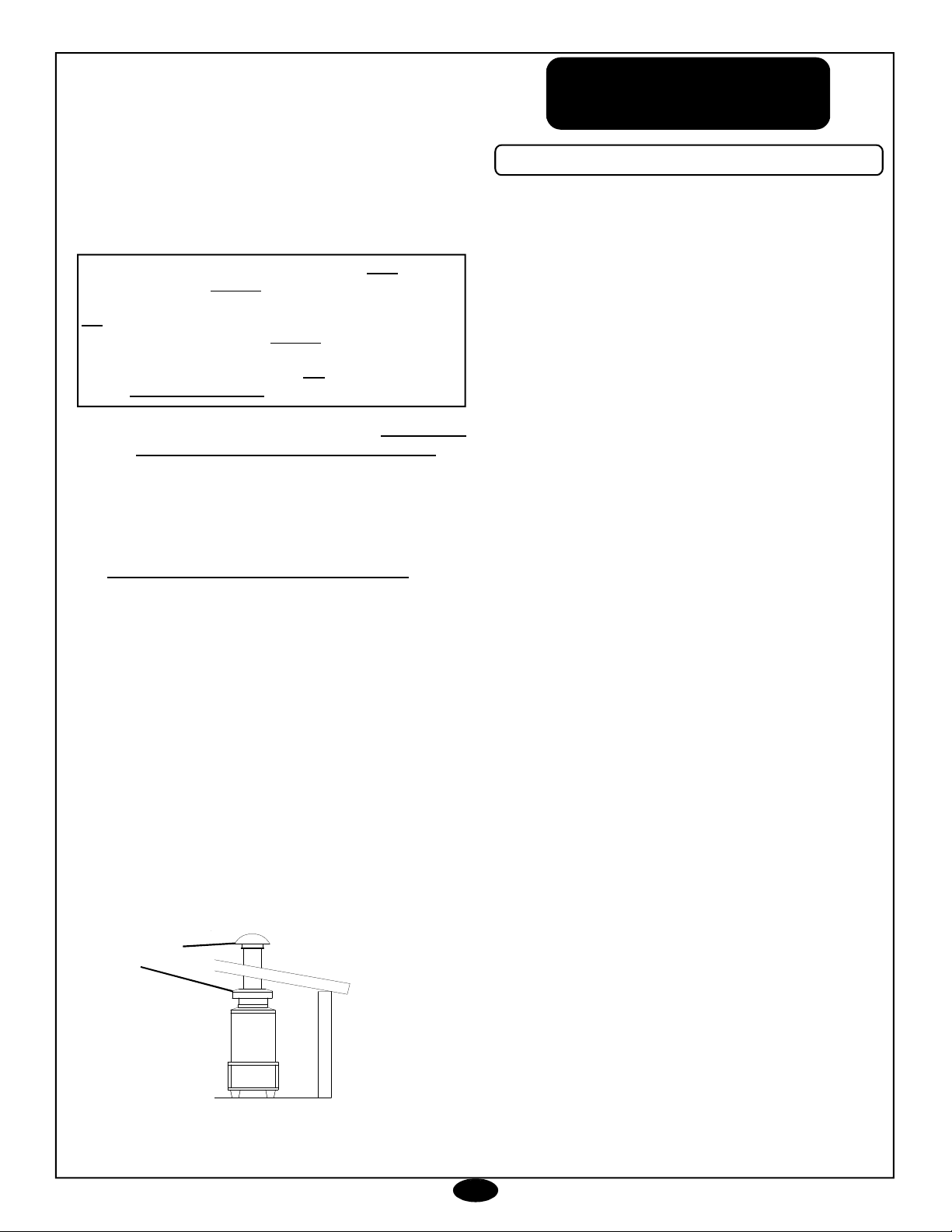
4. Stacking, where required, must be installed in
accordance with all local codes.A draft diverter must
be installed on a machine connected to an exhaust
stacktoprevent improper operation.
5. Where stacking is not required, provide adequate
ventilations to prevent any possible accumulation of
hazardousfumes.
6. Personnel trained in and familiar with the type of
equipment being serviced should only perform
adjustmentstofuelburningequipment.
SAVE THESE SAFETY
INSTRUCTIONS
1. LOCATION: This machine should be installed by
only qualified technicians. The machine should be
setupon a level surface whereit will notbe affected
by strong winds, rain, snow, extreme heat, and
freezing temperatures. Install the machine
considering locations for chemical pick-up, fuel
connections,electrical connections, water hook-up,
venting,andmaintenance.
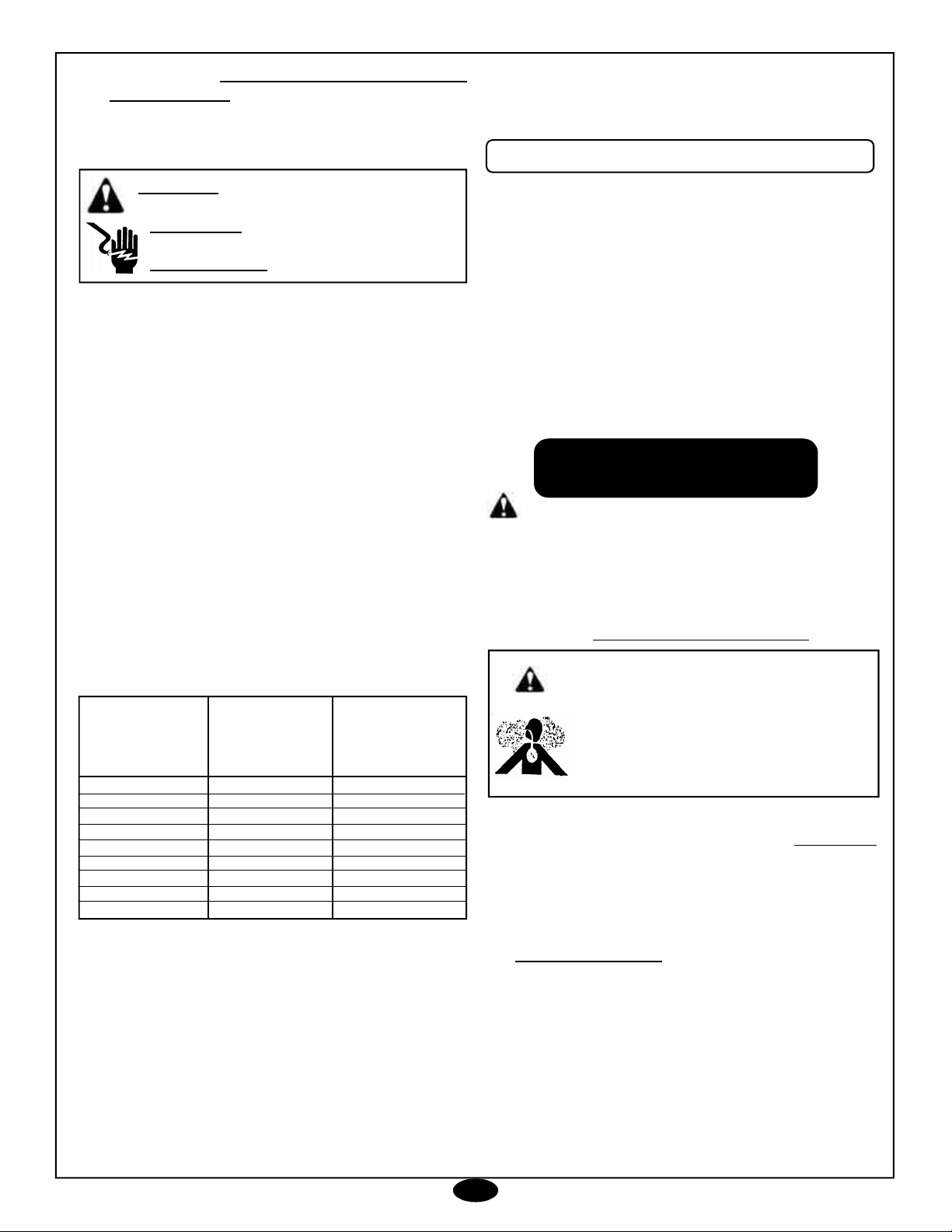
All wiring and electrical connections should comply
withtheNationalElectricalCode(NEC)andwithlocal
codesand practices. Usethechart on thenext page
foryour cord selection
2. WATERCONDITIONS: Localwaterconditionsaffect
the coil adversely more than any other element. In
areaswheretroublesome conditions may existwith
like equipment (such as water heaters), we
recommendthe use of a watersoftener.
3. VENTING: This machine emits carbon monoxide, a
deadlygas,andmustbeventedifusedinanenclosed
area. Improperventingcan cause poor combustion,
delayed ignition, down drafts, and the possibility of
freezing the coil. Contact your distributor or local
heating and air conditioning dealer for proper
materials.Localcodes must beobserved.
4. WATER SUPPLY: This machine must have a water
supplymeetingorexceedingthemaximumdischarge
volume and a minimum water inlet pressure of 10
PSI/ 0.68 BAR.
5. BARRIER: We recommend a barrier be installed
between the machine and wash area to prevent
moisturefromcoming in direct contactwithelectrical
controls,motorsandtransformers. This will increase
themachine’s lifeand lessen electrical problems.
6. FREEZING: This machine must be protected from
freezingaccordingtoSTORAGEsectionofMACHINE
MAINTENANCE.
7. COLD WEATHER: As the weather becomes colder,
fuel becomes thicker and may become so viscous
that the fuel will not flow properly. As viscosity
increases,the thicker oilcan cause delayedignition,
poorspraypatterns, and rumbling fires. Asmoisture
will quickly destroy fuel pumps, make certain that
tankopeningsare secure andmoisturecannot enter.
Incold weather areas, frost buildup will occurin fuel
tanks.Asthe weather warms itturnsto condensate,
andthe water willbe in thetank. Keep the tankclear
of water, as moisture reaching the fuel pump will
cause rust, and the pump will bind. A full fuel tank
will lessen condensation build up.
8. CHEMICALS: Mix chemicals per the chemical
manufacturersprinted directions. Follow all mixing,
handling, application, and disposal instructions.
Weargloves,boots, goggles, and protectiveclothing
appropriatefor the chemicalbeing used.
INSTALLATION
Supersedes 08-19-05 Z08-03940B 07-05-06 Z08-03940B
WARNING: DO NOT USE GASOLINE,
CRANKCASEDRAININGS, OROIL CONTAINING
GASOLINE OR SOLVENTS.
AVERTISSEMENT: NE PAS UTILISER
D’ESSENCE DE PRODUITS DE VIDANGE NI
D’HUILE CONTENANT DE L’ESSENCE OU DES
SOLVANTS
ADVERTENCIA: NO UTILICE LA GASOLINA, EL
CÁRTERDEL MOTORDRAININGS, O ELACEITE
QUECONTIENE LAGASOLINA O SOLVENTES.
FUEL SAFETY
WARNING:CARBONMONOXIDEHAZARD
AVERTISSEMENT: MONOXYDE DE
CARBONE
ADVERTENCIA:MONÓXIDO DE CARBONO