manuals.online logo
Brands
  1. Home
  2. •
  3. Brands
  4. •
  5. Amco Veba
  6. •
  7. Construction Equipment
  8. •
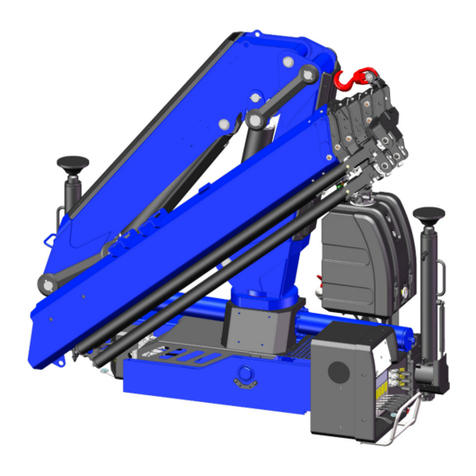
  9. Amco Veba 914NG User manual

Amco Veba 914NG User manual

This manual suits for next models

6

Other Amco Veba Construction Equipment manuals

Amco Veba 925NG User manual

Amco Veba

Amco Veba 925NG User manual

Amco Veba 810NG T User manual

Amco Veba

Amco Veba 810NG T User manual

Amco Veba 801N PALM User manual

Amco Veba

Amco Veba 801N PALM User manual

Amco Veba 804 User manual

Amco Veba

Amco Veba 804 User manual

Amco Veba 809NG User manual

Amco Veba

Amco Veba 809NG User manual

Amco Veba 815T User manual

Amco Veba

Amco Veba 815T User manual

Amco Veba 811NG User manual

Amco Veba

Amco Veba 811NG User manual

Amco Veba 808N User manual

Amco Veba

Amco Veba 808N User manual

Amco Veba 910NG User manual

Amco Veba

Amco Veba 910NG User manual

Amco Veba 817NG User manual

Amco Veba

Amco Veba 817NG User manual

Amco Veba 924NG User manual

Amco Veba

Amco Veba 924NG User manual

Amco Veba 917NG User manual

Amco Veba

Amco Veba 917NG User manual

Amco Veba 807N User manual

Amco Veba

Amco Veba 807N User manual

Amco Veba 601T User manual

Amco Veba

Amco Veba 601T User manual

Amco Veba 922NG User manual

Amco Veba

Amco Veba 922NG User manual

Popular Construction Equipment manuals by other brands

Ammann AV23-2 manual

Ammann

Ammann AV23-2 manual

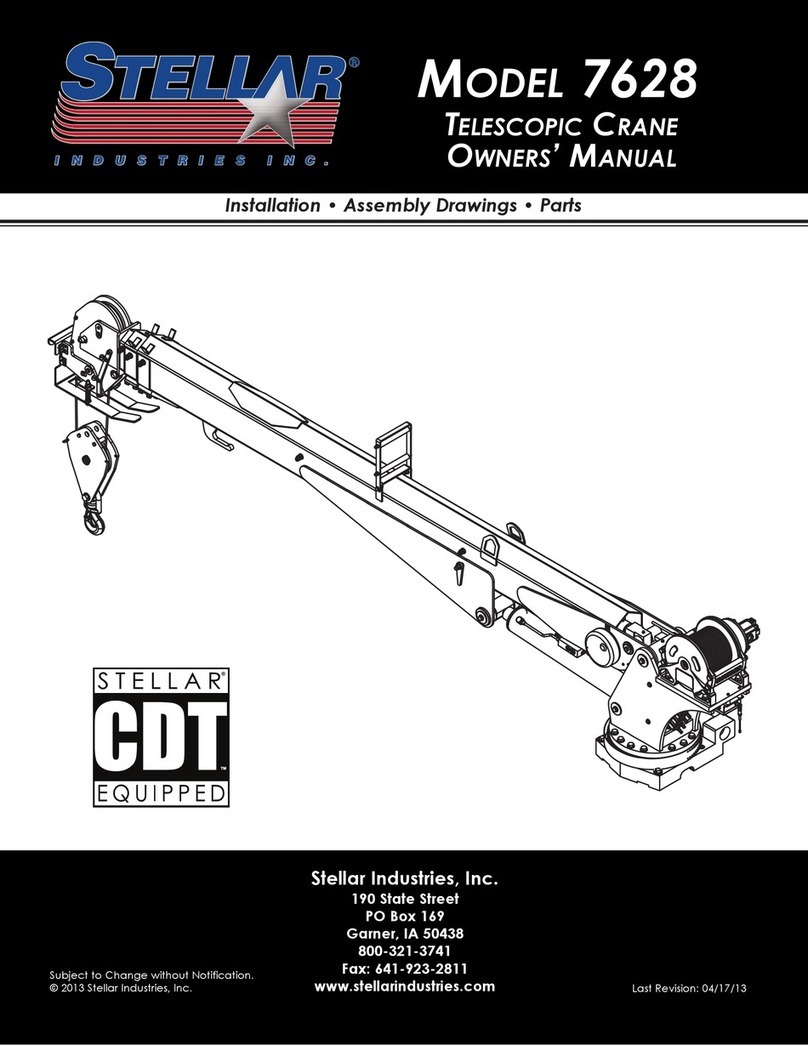
stellar labs Model 7628 owner's manual

stellar labs

stellar labs Model 7628 owner's manual

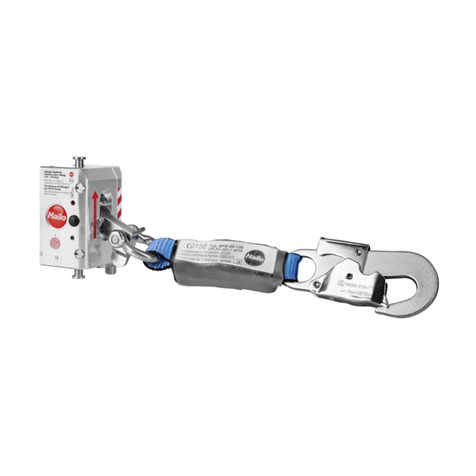
Hailo H-50 manual

Hailo

Hailo H-50 manual

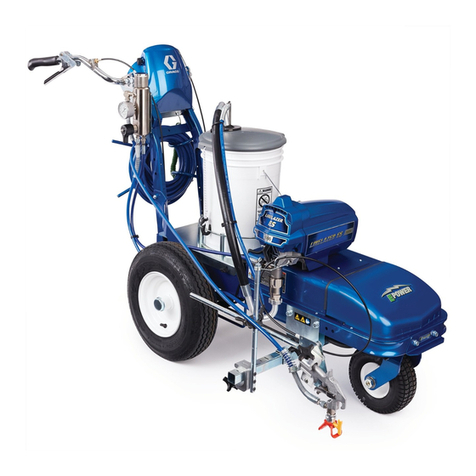
Graco LineLazer ES 1000 Operation - repair - parts

Graco

Graco LineLazer ES 1000 Operation - repair - parts

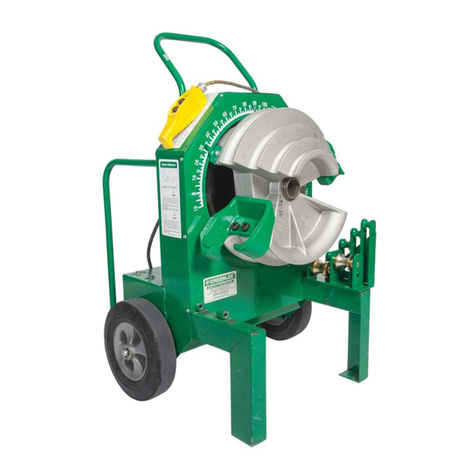
Greenlee 555RSC instruction manual

Greenlee

Greenlee 555RSC instruction manual

Manitowoc Grove CD3340B Service manual

Manitowoc

Manitowoc Grove CD3340B Service manual

Lux Tools A-FMR-20 Set manual

Lux Tools

Lux Tools A-FMR-20 Set manual

SIP 03683 manual

SIP

SIP 03683 manual

Volvo L30G Operator's manual

Volvo

Volvo L30G Operator's manual

Grizzly G8712 instruction sheet

Grizzly

Grizzly G8712 instruction sheet

Case DV201 Service manual

Case

Case DV201 Service manual

Wacker Neuson DT05 Operator's manual

Wacker Neuson

Wacker Neuson DT05 Operator's manual

HYVA AMCO VEBA 81 Series WARNING, OPERATING AND MAINTENANCE MANUAL

HYVA

HYVA AMCO VEBA 81 Series WARNING, OPERATING AND MAINTENANCE MANUAL

Atlas Copco Dynapac V5100TV manual

Atlas Copco

Atlas Copco Dynapac V5100TV manual

Manitowoc National Crane 1400A Operator's manual

Manitowoc

Manitowoc National Crane 1400A Operator's manual

SGS EC1500 owner's manual

SGS

SGS EC1500 owner's manual

Turbosol BM 30 Use and maintenance manual

Turbosol

Turbosol BM 30 Use and maintenance manual

Fayat CC424CHF instruction manual

Fayat

Fayat CC424CHF instruction manual

manuals.online logo
manuals.online logoBrands
  • About & Mission
  • Contact us
  • Privacy Policy
  • Terms and Conditions

Copyright 2025 Manuals.Online. All Rights Reserved.

U
US
SE
ER
R
M
MA
AN
NU
UA
AL
L
9
91
14
4N
NG
G
ORIGINAL INSTRUCTIONS
7845285-06 03/20
subject to change without notice
USER MANUAL
914NG
INDEX
7845285-06 03/20
subject to change without notice
AWARNINGS ........................................................................................................................ A.1
A.1 PERSONAL PROTECTIVE EQUIPMENT.................................................................................................A.1
A.2 MECHANICAL HAZARDS ........................................................................................................................A.2
A.2.1 STRUCTURAL RESISTANCE................................................................................................................... A.2
A.2.2 CRUSHING HAZARD................................................................................................................................ A.4
A.2.3 CUTTING HAZARD ................................................................................................................................... A.5
A.2.4 IMPACT HAZARD ..................................................................................................................................... A.6
A.2.5 OIL LEAK HAZARD ................................................................................................................................... A.7
A.2.6 LOSS OF STABILITY ................................................................................................................................ A.8
A.2.7 SLIPPING AND FALLS............................................................................................................................ A.10
A.3 ELECTRIC SHOCK HAZARD.................................................................................................................A.11
A.3.1 CONTACT WITH LIVE COMPONENTS.................................................................................................. A.11
A.3.2 STATIC ELECTRICITY............................................................................................................................ A.12
A.4 HEAT HAZARDS ....................................................................................................................................A.12
A.4.1 BURNS .................................................................................................................................................... A.12
A.5 NOISE HAZARDS ...................................................................................................................................A.12
A.6 VIBRATION HAZARDS ..........................................................................................................................A.13
A.7 HAZARDS DUE TO TOXIC SUBSTANCES ...........................................................................................A.13
A.8 ERGONOMIC HAZARDS........................................................................................................................A.14
A.8.1 MANUAL OPERATIONS ......................................................................................................................... A.14
A.8.2 VISIBILITY............................................................................................................................................... A.14
A.8.3 HUMAN ERROR...................................................................................................................................... A.14
A.9 UNEXPECTED START-UP AND SWITCH-OFF .....................................................................................A.15
A.10 FAULTS IN SAFETY DEVICES ..............................................................................................................A.15
A.11 COUPLING FAULTS...............................................................................................................................A.17
A.12 HAZARDS DUE TO INCORRECT LIFTING OPERATIONS...................................................................A.19
A.13 HOW TO TRANSPORT THE CRANE.....................................................................................................A.22
A.14 WARNINGS FOR USE WITH MANUAL EXTENSIONS .........................................................................A.23
A.15 WARNINGS FOR USE WITH JIB ...........................................................................................................A.25
A.16 WARNINGS FOR USE WITH BUCKET - GRAPPLE .............................................................................A.26
A.17 WARNINGS FOR USE WITH DRILL ......................................................................................................A.28
BUSER MANUAL.................................................................................................................. B.1
B.1 PREMISE ..................................................................................................................................................B.1
B.2 IDENTIFICATION......................................................................................................................................B.2
B.3 DESCRIPTION AND DOCUMENTATION.................................................................................................B.3
B.3.1 ENCLOSED DOCUMENTATION .............................................................................................................. B.3
B.3.2 MARK ........................................................................................................................................................ B.3
B.3.3 SERVICE CONDITIONS ........................................................................................................................... B.4
B.3.4 MAIN COMPONENTS ............................................................................................................................... B.5
B.4 CONTROLS ..............................................................................................................................................B.6
B.4.1 CONTROL STATIONS .............................................................................................................................. B.6
B.4.2 DESCRIPTION OF CONTROLS ............................................................................................................. B.12
B.4.3 OUTRIGGERS CONTROLS (OPTIONAL) .............................................................................................. B.13
B.4.4 WORK LIGHTS CONTROL SWITCH (NO CE, NO TOP)........................................................................ B.13
B.4.5 EMERGENCY CONTROLS..................................................................................................................... B.14
B.5 SAFETY DEVICES..................................................................................................................................B.16
B.5.1 OVERCENTER VALVES ......................................................................................................................... B.16
B.5.2 EMERGENCY STOP BUTTON ............................................................................................................... B.16
B.5.3 MOMENT LIMITER.................................................................................................................................. B.17
B.5.4 LOCKING DEVICES FOR STABILIZER EXTENSIONS.......................................................................... B.18
B.5.5 LOCKING DEVICE FOR TURNING STABILIZER LEGS ........................................................................ B.19
B.5.6 SLEWING LIMITERS............................................................................................................................... B.20
B.5.7 LOCKING DEVICE FOR MANUAL EXTENSIONS.................................................................................. B.20
B.6 GAUGES AND INDICATORS .................................................................................................................B.21
B.6.1 GAUGES ON OIL TANK.......................................................................................................................... B.21
B.6.2 LOAD INDICATORS................................................................................................................................ B.22
B.6.3 LEVEL INDICATOR................................................................................................................................. B.23
B.6.4 OPERATING HOURS COUNTER (NO CE, NO TOP)............................................................................. B.24
B.6.5 VISUAL-AUDIBLE WARNING DEVICE IN CABIN .................................................................................. B.24
B.7 OPERATING THE CRANE .....................................................................................................................B.25
B.7.1 PRELIMINARY CHECKS BEFORE OPERATION................................................................................... B.25
B.7.2 START-UP OPERATION......................................................................................................................... B.25
B.7.3 HOW TO DEPLOY THE STABILIZERS WITH MANUALLY OPERATED EXTENSIONS ....................... B.26
B.7.4 HOW TO DEPLOY THE STABILIZERS WITH HYDRAULICALLY OPERATED EXTENSIONS ............. B.29
B.7.5 HOW TO ROTATE DOWNWARDS THE MANUAL TURNING STABILIZER LEGS................................ B.32
B.7.6 HOW TO DEPLOY THE AUTOMATIC TURNING STABILIZERS ........................................................... B.34

USER MANUAL
914NG
INDEX
7845285-06 03/20
subject to change without notice
B.7.7 OPENING PROCEDURE ........................................................................................................................ B.38
B.7.8 HOW TO READ THE LOAD CHART....................................................................................................... B.39
B.7.9 LIFTING OPERATIONS .......................................................................................................................... B.39
B.7.10 CLOSING PROCEDURE......................................................................................................................... B.40
B.7.11 HOW TO FOLD THE STABILIZERS WITH MANUALLY OPERATED EXTENSIONS ............................ B.42
B.7.12 HOW TO FOLD THE STABILIZERS WITH HYDRAULICALLY OPERATED EXTENSIONS .................. B.44
B.7.13 HOW TO ROTATE UPWARDS THE MANUAL TURNING STABILIZER LEGS ...................................... B.46
B.7.14 HOW TO FOLD THE AUTOMATIC TURNING STABILIZERS ................................................................ B.48
B.7.15 USE WITH MANUAL EXTENSIONS ....................................................................................................... B.51
B.7.16 USE WITH JIB ......................................................................................................................................... B.52
B.7.17 USE WITH BUCKET-GRAB .................................................................................................................... B.56
B.7.18 COMPULSORY CHECKS BEFORE LEAVING THE WORK PLACE ...................................................... B.56
B.8 USE UNDER SPECIAL SERVICE CONDITIONS ...................................................................................B.57
B.8.1 STABILIZERS ON SOFT SURFACE....................................................................................................... B.57
B.8.2 LOW-TEMPERATURE ENVIRONMENTS .............................................................................................. B.58
B.8.3 HIGH BASE INCLINATION ..................................................................................................................... B.58
B.8.4 IN-SERVICE WIND.................................................................................................................................. B.59
CMAINTENANCE.................................................................................................................. C.1
C.1 WARRANTY TERMS ................................................................................................................................C.1
C.2 ORDINARY MAINTENANCE ....................................................................................................................C.1
C.2.1 GREASING................................................................................................................................................C.1
C.2.2 FILLING UP THE OIL TANK......................................................................................................................C.3
C.2.3 CLEANING THE CRANE...........................................................................................................................C.3
C.2.4 SPECIAL PRECAUTIONS FOR CHROME-PLATED SURFACES............................................................C.3
C.3 PLANNED AND EXTRAORDINARY MAINTENANCE .............................................................................C.4
C.4 TAKING THE CRANE OUT OF SERVICE................................................................................................C.4
C.4.1 DISASSEMBLY .........................................................................................................................................C.4
C.4.2 STORAGE .................................................................................................................................................C.4
C.4.3 DISPOSAL.................................................................................................................................................C.4
DTECHNICAL SHEET .......................................................................................................... D.1
D.1 CRANE'S TECHNICAL DATA ..................................................................................................................D.2
D.2 WINCH SETTINGS....................................................................................................................................D.3
D.3 TOTAL WEIGHTS.....................................................................................................................................D.3
D.4 OVERALL DIMENSIONS..........................................................................................................................D.4
D.5 BASE DIMENSIONS AND MOUNTING BOLTS.......................................................................................D.7
D.6 INSTALLATION TYPE NUMBER .............................................................................................................D.8
D.7 LIFTING HEIGHT CLOSE TO THE COLUMN ..........................................................................................D.9
D.8 LOAD CHARTS FOR USE WITH HOOK/TOOL .....................................................................................D.10
D.9 LOAD CHARTS FOR TI1 WINCH IN SINGLE LINE...............................................................................D.17
D.10 LOAD CHARTS FOR TI1 WINCH IN DOUBLE LINE .............................................................................D.22
D.11 LOAD CHARTS FOR TI2 WINCH IN SINGLE LINE...............................................................................D.27
D.12 CENTERS OF GRAVITY AND TEST LOADS ........................................................................................D.32
D.13 HOOK DATA ...........................................................................................................................................D.33
D.14 LOAD ATTACHMENT.............................................................................................................................D.35
D.15 HYDRAULIC SYSTEM ............................................................................................................................D.36
D.16 OIL COOLER ..........................................................................................................................................D.38
D.17 ADDITIONAL STABILIZERS ..................................................................................................................D.40
D.18 RECOMMENDED ADDITIONAL LIFTING TOOLS.................................................................................D.41
EANNEXES ............................................................................................................................E.1
E.1 HYDRAULIC SCHEMATICS ..................................................................................................................... E.1
E.2 ELECTRIC SCHEMATICS ...................................................................................................................... E.23
E.3 SAFETY SIGNS ...................................................................................................................................... E.29
E.4 TIGHTENING TORQUES........................................................................................................................ E.32
E.5 SELECTION OF HYDRAULIC OIL ......................................................................................................... E.33
E.6 LOCKING DEVICE FOR SWIVEL BRIDGE............................................................................................ E.34

E.7 TROUBLESHOOTING ............................................................................................................................ E.35
E.8 EC DECLARATION OF CONFORMITY.................................................................................................. E.37
USER MANUAL
914NG
WARNINGS
A.1
7845285-06 03/20
subject to change without notice
A WARNINGS
A.1 PERSONAL PROTECTIVE EQUIPMENT
During normal crane operations the users must wear:
- helmet
- safety gloves
- industrial footwear
- overalls secured using buttons and without loose or baggy parts
- high visibility clothing
IN ADDITION
+oil-proof gloves and safety goggles during maintenance tasks.
+ear protection if the noise level in the operating position exceeds 80 dB(A).
+a dust mask in the presence of dusts.
+a suitable mask in the presence of toxic fumes or poison gas.
Protective equipment
Standard protective equipment
during any crane operation
Additional protective equipment
during crane maintenance
Additional protective equipment
if the noise level exceeds 80 dB(A)
Additional protective equipment
in the presence of dusts
Additional protective equipment
in the presence of toxic fumes or poison gas
USER MANUAL
914NG
WARNINGS
A.2
7845285-06 03/20
subject to change without notice
A.2 MECHANICAL HAZARDS
The most common mechanical hazards due to a failure to follow the instructions in this user manual
are listed below.
A.2.1 STRUCTURAL RESISTANCE
The structural resistance may be impaired by the following adverse working conditions:
ENVIRONMENTAL TEMPERATURE
- Weakening of the crane structure
- Hydraulic oil viscosity too low/high
- Hydraulic oil overheating
- Weakening of plastic components
- Degradation of flexible hoses (-40°C ÷100°C)
INCLINATION OF THE CRANE'S BASE
- Crane rotation not possible
- Overpressure in slewing cylinders
- Overstress in rack - pinion wheel or thrust block - motor coupling
- Overstress in crane structure
- Loss of stability
INCLINATION OF THE CRANE'S BOOMS
When the crane works with the booms in a near-vertical alignment (lifting moment is near zero), the
load limiting device could operate without the expected accuracy due to:
- oscillations / accelerations of the booms
- inclination of the vehicle
- wind
- joint clearances, frictions
This could cause:
- Overstress in crane structure
- Loss of stability
OIL FLOW RATE TO MAIN CONTROL VALVE
- Overstress in crane's structure caused by excessive speed of movement
- Excessive oil temperature
WIND SPEED
- Overstress in crane structure
- Excessive oscillation of the load
- Loss of stability
PRECIPITATION
- Lightening, electric shock
- General malfunctioning of the electric system
USE IN EXPLOSIVE ENVIRONMENTS
- Flammable hydraulic fluid and plastic components
INSTALLATION ON RIGID BASE
- Excessive forces of inertia
USE IN MARINE ENVIRONMENT
- Corrosion of structural components: cylinder rods, pins, winch rope (offshore cranes)
- Excessive forces due to oscillation/inclination (ship-mounted cranes)
USER MANUAL
914NG
WARNINGS
A.3
7845285-06 03/20
subject to change without notice
LIFTING COMPONENT
- Excessive forces if lifting components other than hook are used
IP PROTECTION LEVEL
- Electric system faults (safety and controls)
WARNINGS
- Do NOT use the crane if the operating conditions are incompatible with the instructions given in
this manual. Specifically, the user must contact the crane manufacturer if the environmental
temperature is outside the range given in this manual.
- Handling of loads at heights requires full risk assessment: strictly adhere to the load charts and
always fully extend the stabilizers.
- Suspended loads must not be left unsupervised: put the load on a stable place before leaving the
control station.
- Do not slew the crane at max. speed up to the end of stroke (dead point), but approach slowly.
- Clear any snow or ice from the crane booms to prevent excessive stress caused by the extra
weight and to ensure that movement of telescopic components is not affected.
- Contact an authorised assistance centre before using or transporting the crane in a marine
environment.
- The lifting component to which the diagrams refer in this manual is the crane hook. If other lifting
components are used, the user must contact an authorised assistance centre to obtain a
dedicated load chart.
- Maintenance on the machine which requires welding or grinding is forbidden. Refer to an
authorised assistance centre if repairs or modifications to metalwork are required.
USER MANUAL
914NG
WARNINGS
A.4
7845285-06 03/20
subject to change without notice
A.2.2 CRUSHING HAZARD
Crushing hazards derive from moving components on the crane:
•body crushing between the crane and vehicle
•upper limb crushing between base and crane booms
•body crushing between stabilisers and a stationary object during stabilizer opening
•limb crushing when stabiliser legs are retracted
•lower limb crushing under the stabiliser feet
•limb crushing in openings
WARNINGS
- Cordon off the working area using barriers and warning signs before starting any operations with
the crane. Use special signals to warn others when crane movement is about to start. Avoid
hazardous situations in which the user or other personnel may be crushed by the crane,
stabilizers or the load.
- Do NOT climb on to the crane base when the vehicle's engine is running.
- When handling the crane, avoid grasping the control levers: operate them only with the fingers.
- Keep all personnel away from the hydraulic stabiliser extensions during opening.
- Do NOT place limbs under the stabiliser feet.
USER MANUAL
914NG
WARNINGS
A.5
7845285-06 03/20
subject to change without notice
- Do NOT place lower limbs between the stabiliser legs and the vehicle. Do NOT place hands near
the stabiliser extensions during retraction.
- Do NOT perform maintenance when the crane is moving or when the power take-off is enabled.
Do NOT touch the crane when it is moving.
- Abide by safety distances indicated in EN 349 and make sure all others do the same.
A.2.3 CUTTING HAZARD
Residual hazard associated with movement of booms and connecting rods. A residual cutting
hazard exists for the upper limbs between moving parts associated with the booms, base and
telescopic components.
WARNINGS
- When the crane is working, do NOT place upper limbs between the boom joints, near connecting
rods or in the area where the stabiliser extensions are retracted into the base. Do NOT insert
fingers, feet or limbs inside openings on moving parts.
- Do NOT stand between the base and booms during crane folding.
USER MANUAL
914NG
WARNINGS
A.6
7845285-06 03/20
subject to change without notice
A.2.4 IMPACT HAZARD
Residual hazard associated with
•impact with the crane boom during unfolding/folding
•impact with the moving load
•impact with the stabilisers
•impact caused by an accidental release of the load
WARNINGS
- Take care not to bump against moving parts on the crane. Specifically, do NOT bang your head
on the boom during working operations.
-
- Take great care not to bump against the suspended load. The load must always be moved under
safe conditions away from potential hazards and obstacles, as specified in this manual.
- Always check that the load lifting components (hook, shackle, slings, chains) are in perfect
condition. Do NOT exceed the maximum load indicated on the plate. Check that the load is
properly secured to prevent accidental falling. Do NOT stand under the load.
- If the crane is equipped with turning stabilizers, take care to prevent impact with things and
persons during rotation.