Rev01 10/31/2019
Troubleshooting
To improve performance results, try a small sample first. This press has been designed to maximize yields on
partially dried botanical samples between 20-25grams. Ideal settings can vary widely depending on the quality
and fineness of the source material.
Nothing happens when the machine is turned on.
1. Inspect the plug for proper connection or damage.
2. Inspect the fuse for potential burn out.
3. Inspect the power switch or digital controller for damage.
Indicating light is on but the display screen is black.
Inspect the #5 cable inside the railway transformer. If the connection is loose, it may need to be
adjusted. The transformer may be faulty if the cable is properly connected and may need
replacement.
The display screen is working but the temperature is not heating.
1. Check if the indicating light of the solid-state relay is on, if not, the relay or PID controller needs
replacement.
2. The heat plates are not heating with a working solid-state relay; heat plates may need
replacement.
The temperature is overshooting by less than (15°F)
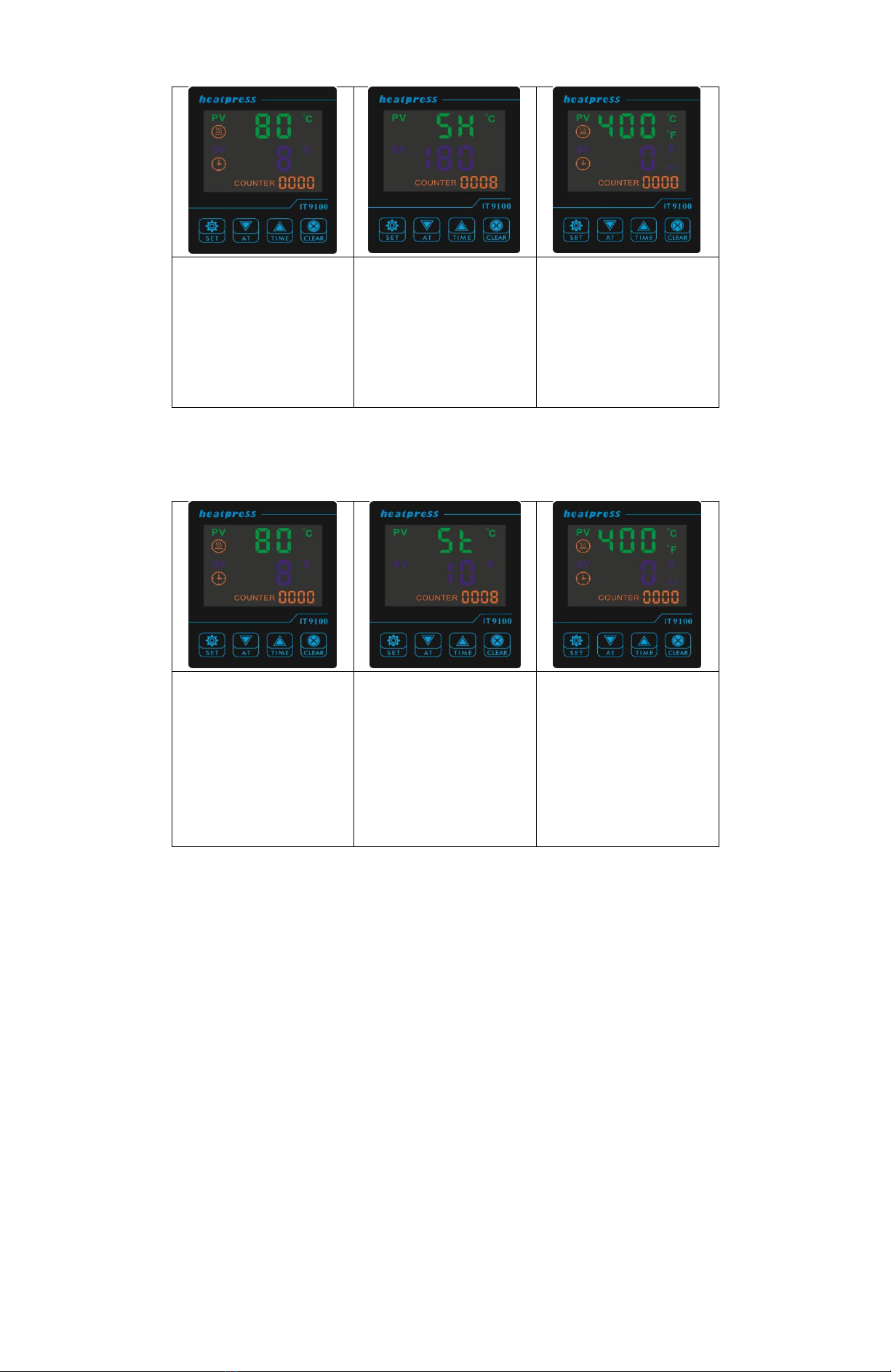
The plates can be autotuned to the users desired operating temperature to best control the heating.
To enter the autotuning function, first set the plates to the desired operating temperature and move
the plates away from each other. Press and hold the button labeled AT. Until the machine beeps and
displays a flashing “AT”on the right side of the screen. Leave the machine on until it goes through the
procedure of autotuning.
NOTE: The machine will overshoot by over 50°F during calibration.
The temperature is overshooting, Ex: Set temperature is 180°C (356°F), but the actual temperature is
above 200°C (392°F)
1. The solid-state relay may be stuck on; needs replacement.
2. PID controller may be faulty and continuously sends signal to relay; PID needs replacement.
I inspected the plate temperature with my own probe and the reading is different
Because the plates are polished, an infrared laser probe will provide an inaccurate reading of the
plate temperature. This may be fixed by adjusting your probe’s emissivity setting. If you are using a
conventional probe and the reading is off, you may adjust the temperature calibration of the plates.