manuals.online logo
Brands
  1. Home
  2. •
  3. Brands
  4. •
  5. Drolo
  6. •
  7. Other
  8. •
  9. Drolo MOLECULAR DISRUPTOR User manual

Drolo MOLECULAR DISRUPTOR User manual

Popular Other manuals by other brands

Opticon EduMic Compatibility guide

Opticon

Opticon EduMic Compatibility guide

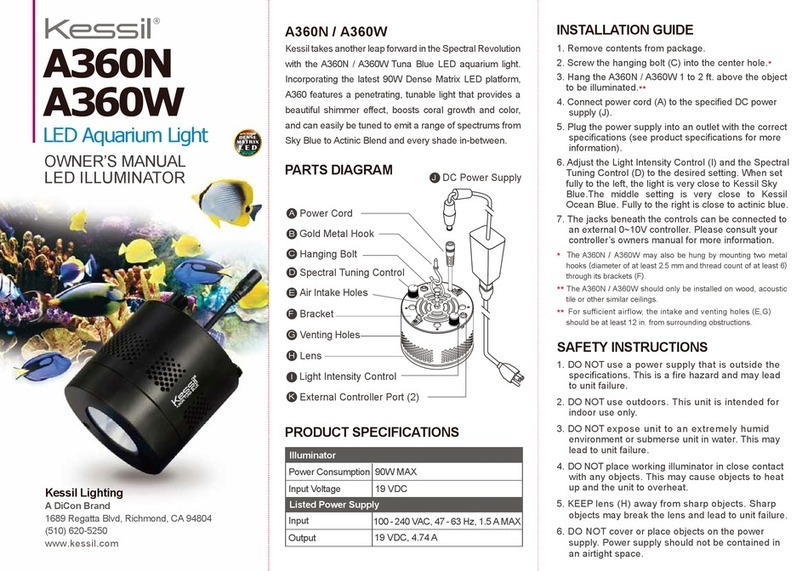
Kessil A360W owner's manual

Kessil

Kessil A360W owner's manual

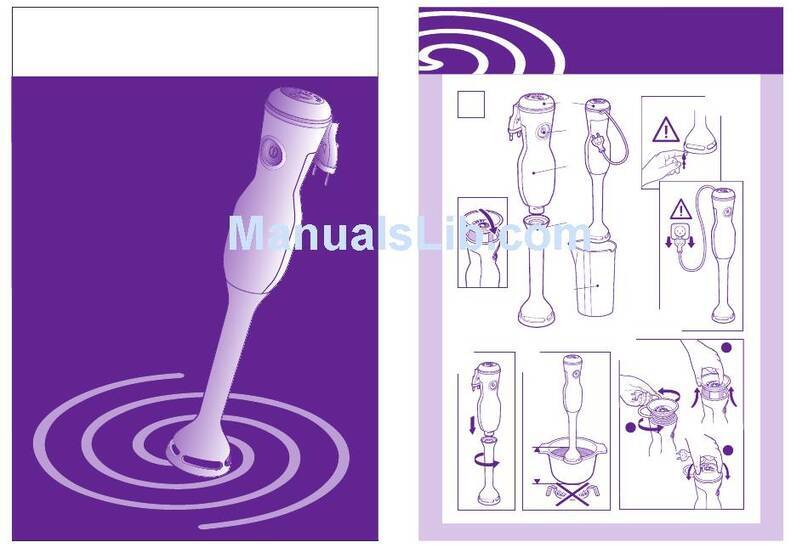
TEFAL ULTRA COMPACT MIXER manual

TEFAL

TEFAL ULTRA COMPACT MIXER manual

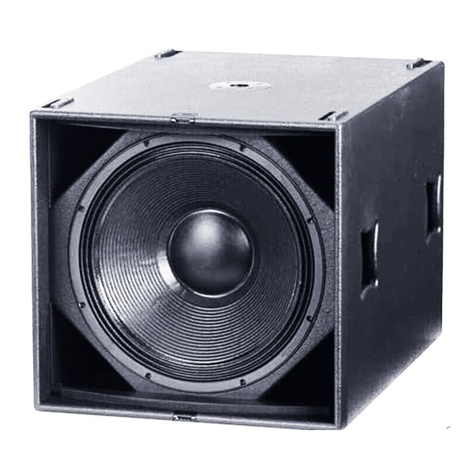
Martin Audio WS18X - SCHEMATICS manual

Martin Audio

Martin Audio WS18X - SCHEMATICS manual

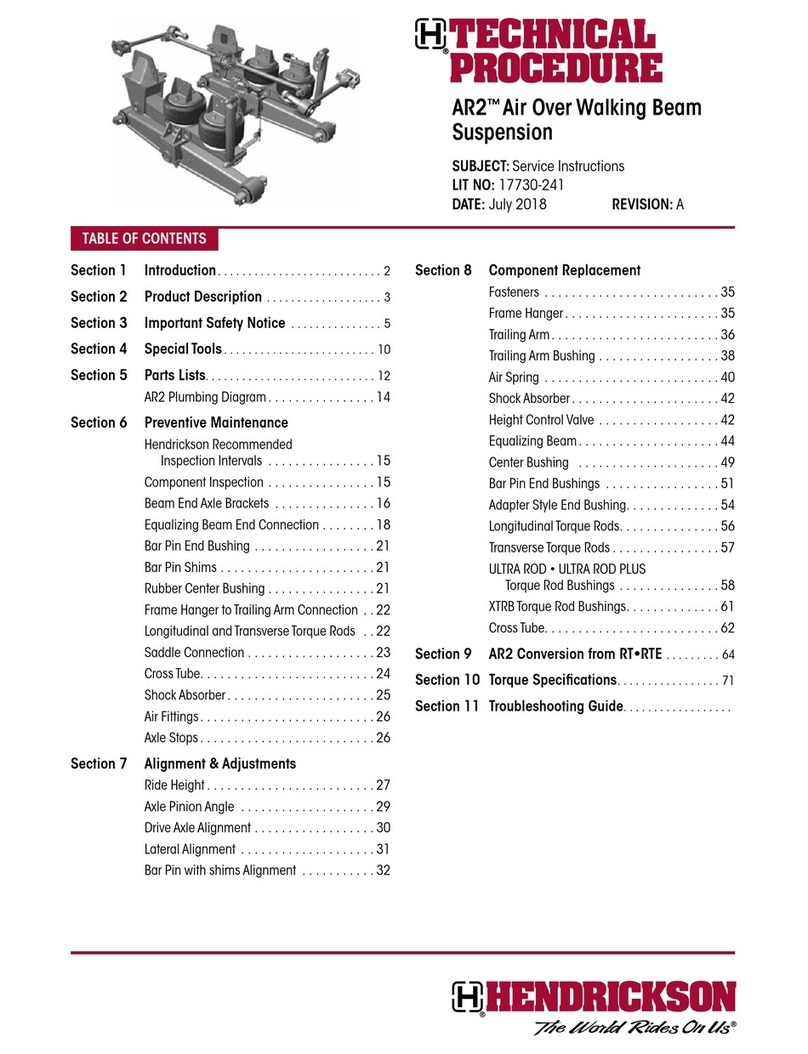
Hendrickson AR2 series Service instructions

Hendrickson

Hendrickson AR2 series Service instructions

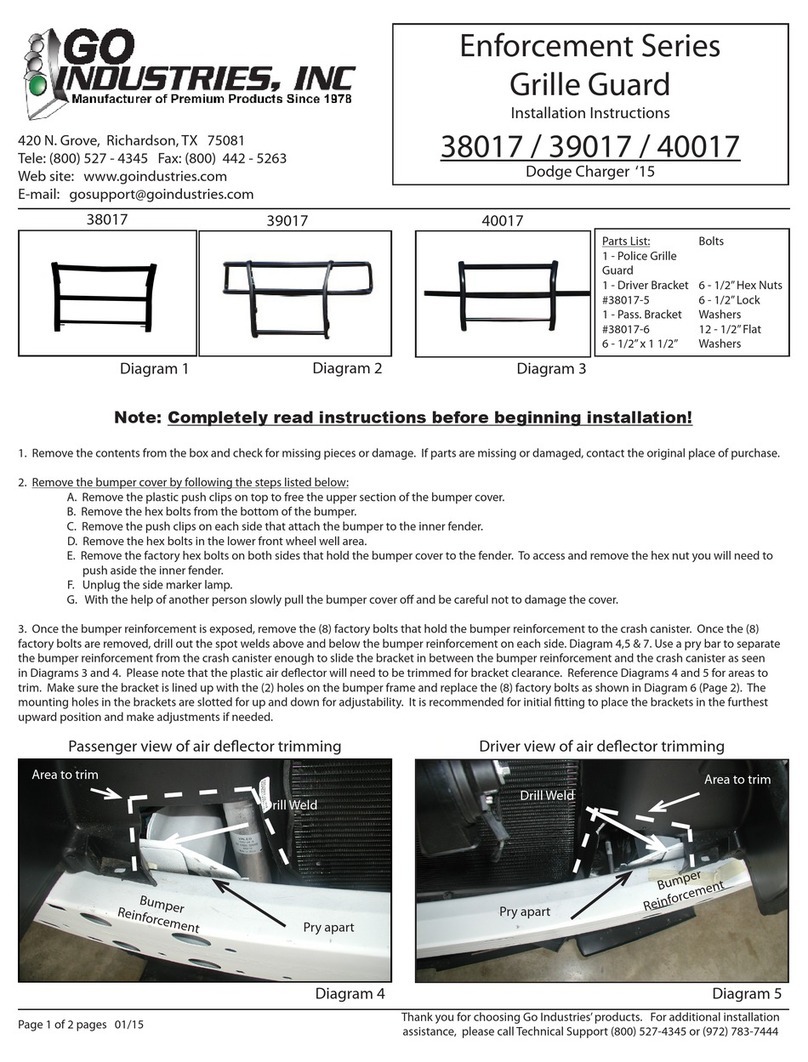
GO Industries 38017 installation instructions

GO Industries

GO Industries 38017 installation instructions

Cissell 30LBCMAN2 manual

Cissell

Cissell 30LBCMAN2 manual

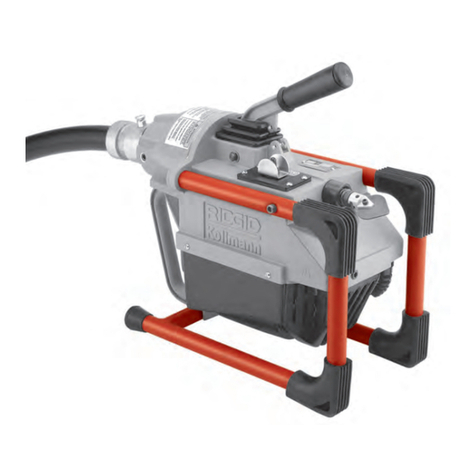
RIDGID K-60SP manual

RIDGID

RIDGID K-60SP manual

Gage Bilt GB751SH-5 Original instructions

Gage Bilt

Gage Bilt GB751SH-5 Original instructions

OVE SIERRA 60 installation manual

OVE

OVE SIERRA 60 installation manual

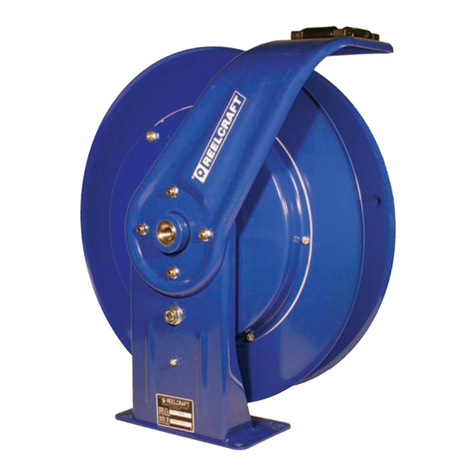
ReelCraft 7800 OLB21 operating instructions

ReelCraft

ReelCraft 7800 OLB21 operating instructions

Body Armor 4x4 ECO-SERIES user manual

Body Armor 4x4

Body Armor 4x4 ECO-SERIES user manual

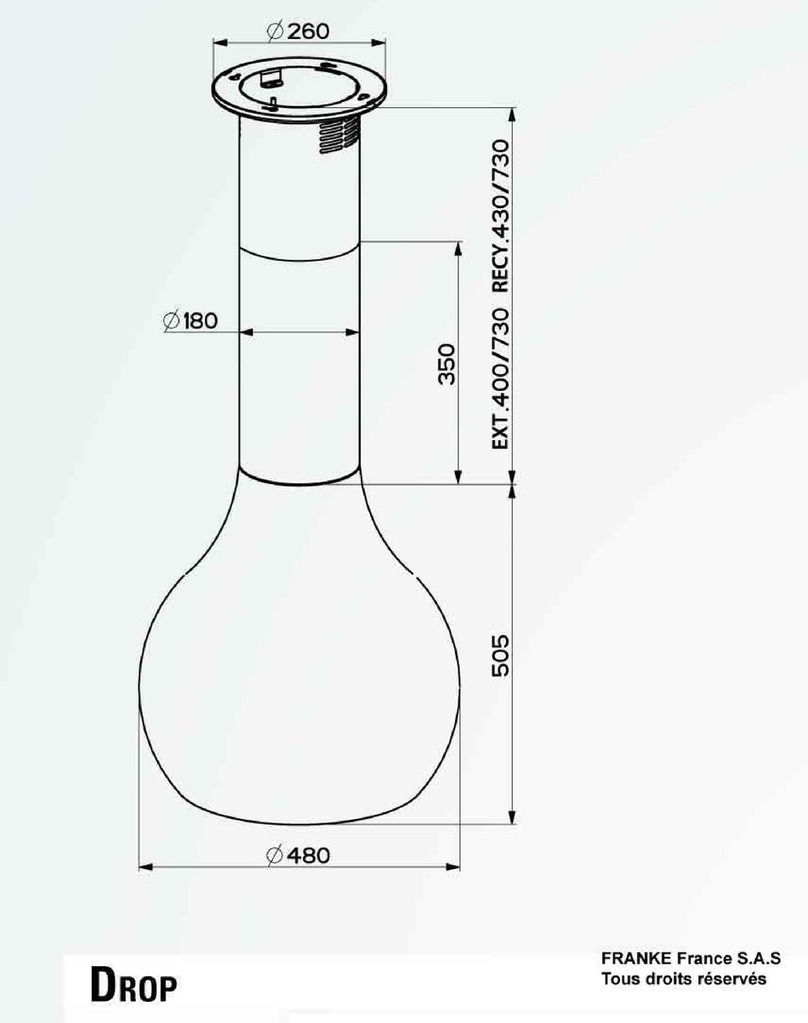
ROBLIN DROP Dimensions

ROBLIN

ROBLIN DROP Dimensions

EMG EMG-ACB BARREL Installation information

EMG

EMG EMG-ACB BARREL Installation information

MiniSolar MT-150 Assembling Guide

MiniSolar

MiniSolar MT-150 Assembling Guide

Parkside PSZ 250 B2 Operation and safety notes

Parkside

Parkside PSZ 250 B2 Operation and safety notes

ABB REM 610 Technical reference manual

ABB

ABB REM 610 Technical reference manual

Tyent ACE-13 user manual

Tyent

Tyent ACE-13 user manual

manuals.online logo
manuals.online logoBrands
  • About & Mission
  • Contact us
  • Privacy Policy
  • Terms and Conditions

Copyright 2025 Manuals.Online. All Rights Reserved.

MOLECULAR DISRUPTOR V3.3
drolo
The Molecular Disruptor is a DSP based multi-effect pedal that can be
loaded with 16 effects of your choice from the molecular patches list,
which is regularly being updated with new patches. These patches are
loaded on swappable “Molecular Modules”:
Essentially, this “à la carte” system allows you to have a pedal that has up
to 16 effects tailored to your needs and you can always order a new
module if you would like to have different effects.
Power Supply:
The power supply needs to be 9V/100mA center negative like the
common BOSS power supplies:
Make sure the polarity of your power supply is correct or it will damage
the pedal. Do NOT run at higher voltages.
As the pedal uses a digital processor operating at high frequencies, you
may hear some high pitched noise if you use it together on the same
power supply with other pedals (daisy chained) even when it is bypassed.
The noise can bleed through the power supply into the other pedal’s
signal.This is normal for such devices. It might not be the case in your
particular setup but if you notice that, I would suggest using an isolated
power supply.
trails:
Defines the bypass mode. If trails are enabled, you get a buffered bypass that
leaves the output of the effect passing through when the pedal is bypassed,
allowing delays to trail off etc. Note that this will mean that any patch that gene-
rates noise may be audible when pedal is bypassed. Disable trails in those cases,
so that the pedal uses its relay true bypass.
bank:
Allows you to select between 2 banks of patches if you loaded a second module.
When you switch to a different bank you need to rotate the patch switch to
activate the new effect.
patch selector:
Select one of the 8 loaded patches (Note: When you change to a different patch,
any sample that was held or looped in the previous patch will be deleted).
p0, p1, p2:
Each of these pots controls a parameter whose function will vary depending on
the selected patch.
wet/dry:
Controls the level of the wet and dry signals. Unity gain is around noon position.
(Note: for certain patches, due to a comb filter effect when mixing dry and wet
signals that are too similar, you might hear some phasing. Usually these were
designed to be used without dry signal, but you can still add it if you like it.)
fdbk:
Usually serves as feedback (for example for delay repeats), but depending on the
patch it can also be used for other functions or have no function.
smplrt:
Controls the sample rate at which the DSP chip will run. It goes from around
8kHz to 60kHz. Increasing the sample rate will have different effects depending
on the chosen patch but as a general guide, as you decrease the sample rate, the
delay/sample times get bigger, the audio quality gets lower and filter ranges get
lower. At both extremes of this control you might hear noise as the clock
frequency gets into the audio range.
bypass switch:
If you give it a short tap (<0.3sec) it acts in latching mode.
If you press it for more than 0.3sec a you are in momentary mode.
ps switch / ps pot:
When engaged this switch will allow the setting dialed with the ps pot to over-
ride the p0 pot.This switch also has a momentary/latching mode, like the bypass
switch.

exp input:
Can be used to externally control p1. When an expression pedal is
connected, the p1 pot can be used to define the max setting of the
expression pedal.
Most commercially available expression pedals using a TRS plug should
work.The value is not really critical, although I would not go lower than
10k.
Some examples are the Moog EP-2, Roland EV-5, and M-Audio EX-P.
You need to use 1/4 inch TRS (Stereo) plugs and cables. NO MONO
PLUGS OR CABLES! These will short out the voltage regulators inside
the pedal and damage it.
Here is how such a TRS plug looks like.
If you really know what you are doing you can actually use a control
voltage instead of a resistance based controller. But you need to consider
the connections and never exceed 3.3V. If you do you will damage the
pedal. Use a TRS plug. No Mono plug.TRS, not MONO :)
If you have any doubt when deciding what to connect to the expression
input please send me an email and I will verify that everything is safe.
Replacing a set of patches:
Before you swap a module, you need to unplug the power supply from the
pedal. Inside your pedal you will find the socket for the molecular module
on the bottom left side of the circuit board. Insert the module, following
the «this way up» orientation.
Thanks !
David
http://www.davidrolo.com
david@davidrolo.com
- tip: controlling pin
- ring: 3.3V supply voltage
- sleeve : ground