p8 Playpak User Manual
SECTION 09: Instructions for use
How to know whether Playpak
is suitable for your child
Every baby comes into the world with
limited abilities, which is why the rst
four years of a child’s life are the most
important period of development.
For some babies however, their
new born limitations are not simply
overcome by time. If a child’s
development is delayed for whatever
reason, it means they are likely to
acquire skills more slowly, or the extent
to which they master a skill may vary.
Children with developmental delay,
just like other children, learn through
play. Fun through play can actually
encourage children to work harder
on therapy goals.
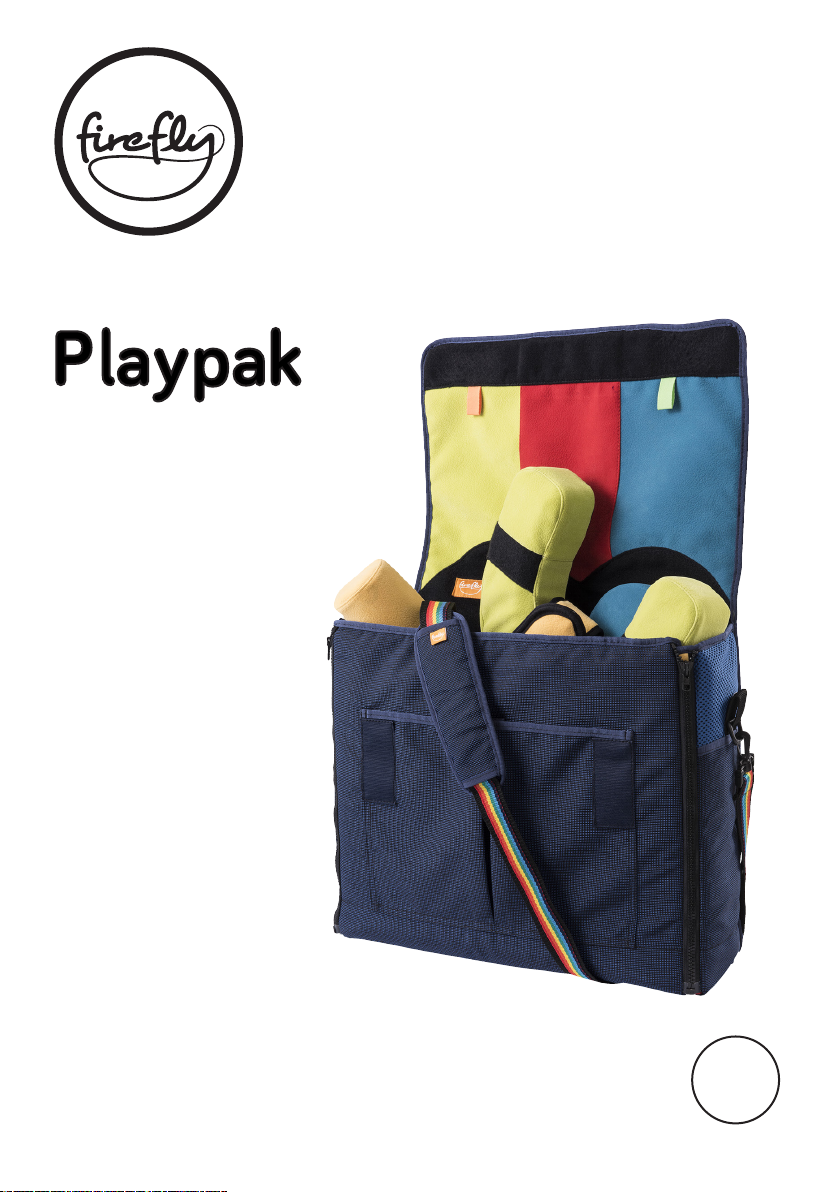
Playpak is a lightweight, portable entire
activity centre that has been designed
for special needs babies and kids
ranging from birth to approximately
48 months and Gross Motor Function
Classication Scale (GMFCS) levels I-V,
depending on their level of physical
development.
Its purpose is to assist your child to
improve their physical, cognitive,
sensory and prespeech communication
abilities by enabling play in three key
therapeutic positions which form the
basis for later abilities - back lying
(supine), tummy lying (prone) and
oor sitting (long sitting).
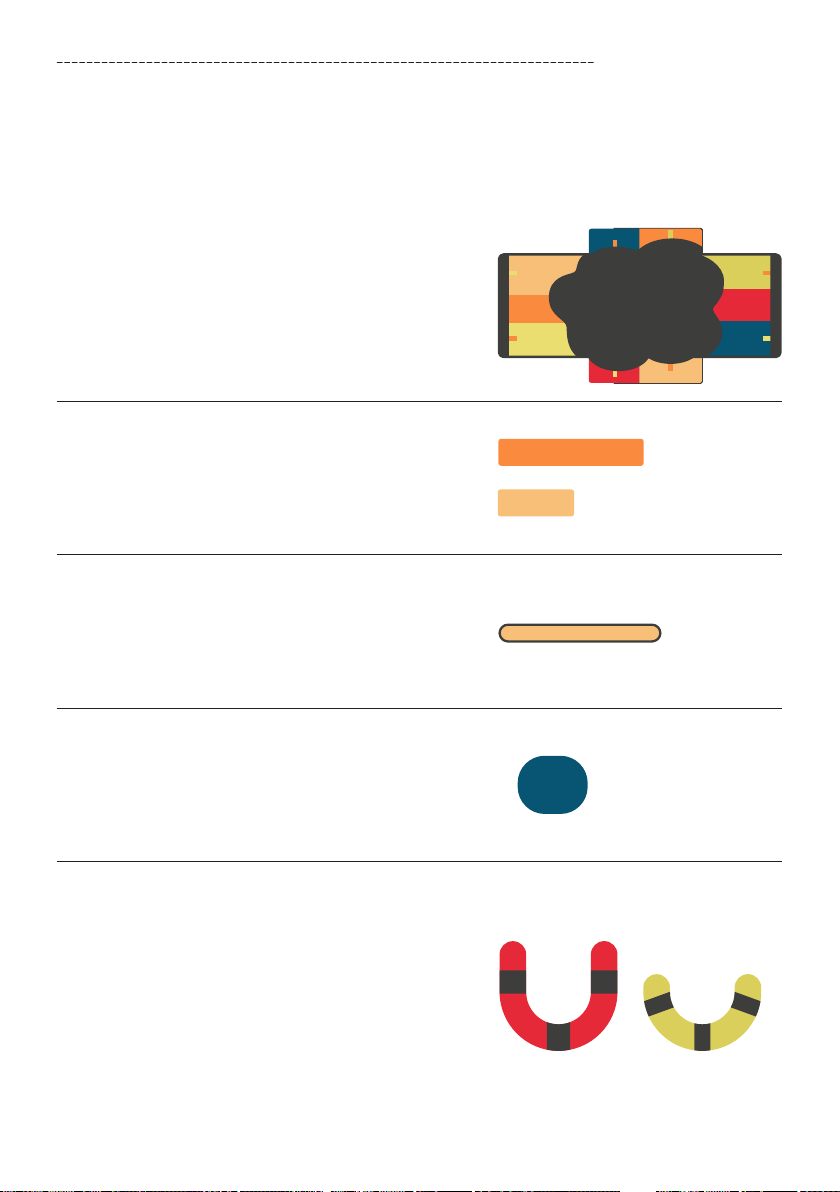
It consists of rolls, wedges and
supports, (designed by clinical experts)
that stick together in dozens of ways
and let your child tackle different
developmental postures.
Playpak also comes with a handy
online therapy guide, featuring
advice and animated, easy-to-use
instructions. These show you how to
use each clever little piece to create
different sitting and lying positions,
as well as how to perform all the
recommended developmental
games with your child.
View and download the guide at
www.reyfriends.com/playpak.
You may nd your child likes some
positions more than others, or that
some positions may not be medically
recommended for your child. It is
important that if in any doubt, you take
advice from your therapist(s) about the
best positions to place your child in.
This may depend on whether your
child’s muscles are tight (high tone)
or oppy (low tone), their level of
development or tolerance for certain
positions. Some positions may need to
be avoided for medical reasons, and
others will need to be encouraged,
even if your child is not keen at the start!