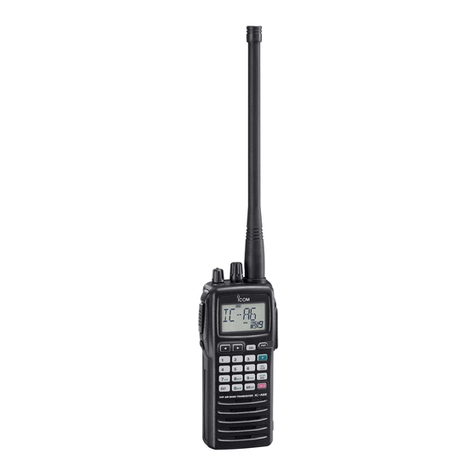
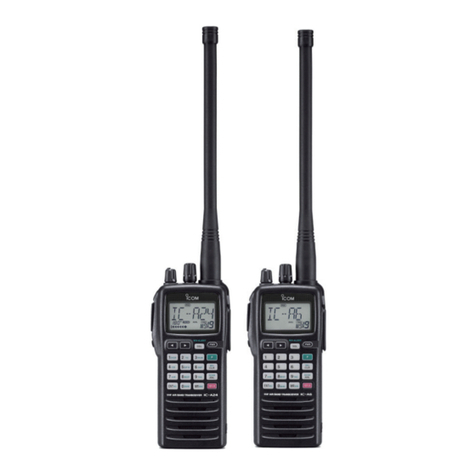
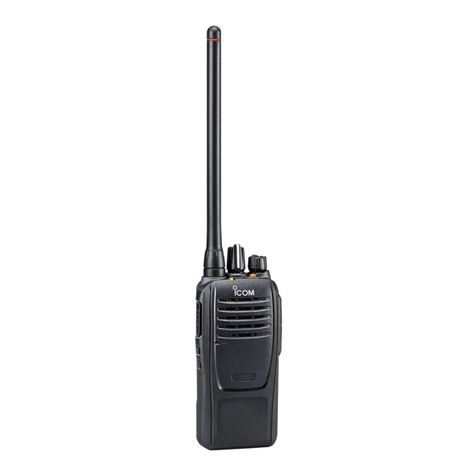
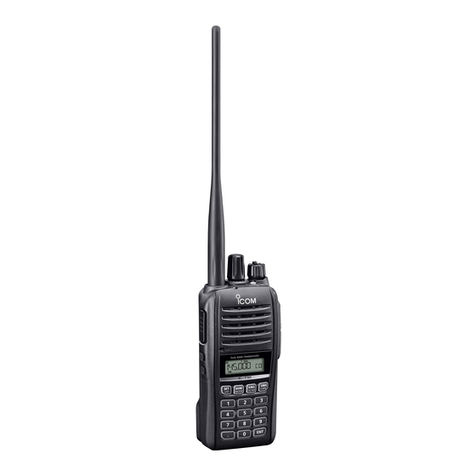
iii
IMPORTANT······························································································i
EXPLICIT DEFINITIONS···········································································i
FEATURES································································································i
PRECAUTIONS························································································ ii
TABLE OF CONTENTS··········································································· iii
1 PANEL DESCRIPTION·········································································1
■ Front panel ························································································1
■ Rear panel·························································································3
■ Main unit····························································································3
■ Function display ················································································4
2 BASIC OPERATION ·············································································5
■ Frequency selection ··········································································5
■ Standby frequency selection (Step 1-2) ············································5
■ Frequency exchanging (Step 2-2) ·····················································6
■ Receiving···························································································6
■ Transmitting·······················································································6
■ Frequency setting example ·······························································7
■ Direct frequency setting mode operation···········································8
■ DualWatch operation·········································································8
3 MEMORY OPERATION ········································································9
■ Programming notes···········································································9
■ Entering memory mode·····································································9
■ Memory channel type········································································9
■ Channel selection············································································10
■ Programming a memory channel ····················································10
■ Programming example ····································································11
■ Transferring memory contents·························································12
■ Memory mode menu
(Regular and group memory channels only) ···································12
■ Regular memory channel ································································13
■ Group memory channel···································································13
■ History memory channel ·································································14
■ Clearing the memory contents
(Regular and group memory channels only) ···································14
■ Programming channel names (Regular memory channel only) ······15
■ Programming group names (Group memory channel only) ············15
■ Programming channel tag (Group memory channel only)···············16
■ Channel tag list················································································16
■ Weather memory channel (U.S.A. version only)······························17
■ GPS memory···················································································17
■ GPS memory edit············································································18
■ Memory protection ··········································································18
4 OTHER FUNCTIONS ··········································································19
■ Lock function ···················································································19
■ Accessing 121.5 MHz emergency frequency··································19
■ Intercom function·············································································20
■ Squelch test function·······································································20
■ Frequency step setting ····································································20
■ Weather memory channel scan (U.S.A. version only) ·····················21
5 MENU MODE ······················································································22
■ MENU mode programming······························································22
■ MENU mode items ··········································································23
6 CLONING····························································································28
7 OPTIONS ····························································································29
8 SPECIFICATIONS···············································································30
9 SAFETY TRAINING INFORMATION ··················································32
10 FOR CLASS B UNINTENTIONAL RADIATORS······························34
INDEX·····································································································35
TABLE OF CONTENTS
Icom, Icom Inc. and the Icom logo are registered trademarks of Icom Incor-
porated (Japan) in Japan, the United States, the United Kingdom, Germany,
France, Spain, Russia and/or other countries.
IBM is a registered trademark of International Business Machines.
Microsoft, Windows and Windows Vista are registered trademarks of Microsoft
Corporation in the United States and/or other countries.