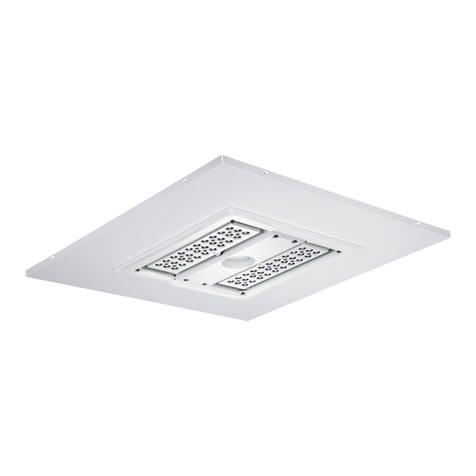
EPL-PM-50LED-100
Larson Electronics, LLC Phone: (800) 369-6671 Fax: (903) 498-3364 www.larsonelectronics.com 2of 3
WARNING:
USER SHOULD BE TRAINED IN THE PROPER USE AND MAINTENANCE OF THIS DEVICE. WHEN EXTENSION
CORD IS CONNECTED TO A POWER SOURCE IN HAZARDOUS AREA, PLUG AND MATCHING RECEPTACLE
MUST BE SUITABLE FOR HAZARDOUS LOCATION INVOLVED. IMPROPER USE OF THIS DEVICE, ASSOCIATED
PLUG, RECEPTACLE, AND CORD CAN LEAD TO SERIOUS INJURIES OR DEATH TO PERSONNEL.
PERIODIC INSPECTION OF THE RECEPTACLE AND CORD IS NECESSARY.
THE CORD MUST BE ROUTINELY CHECKED FOR CUTS, BREAKS, OR ANY SEVERE ABRASIONS, AND IF ANY
ARE FOUND, THE CORD MUST BE REPLACED BEFORE RESUMING USE OF THE UNIT.
ELECTRICAL POWER SUPPLY MUST BE “OFF” BEFORE AND DURING INSTALLATION AND MAINTENANCE.
INSTALLATION AND MAINTENANCE PROCEDURE MUST BE PERFORMED BY A TRAINED AND COMPETENT
ELECTRICIAN.
IF ANY PARTS OF THE RECEPTACLE OR PLUG APPEAR TO BE MISSING, BROKEN, OR SHOW SIGNS OR
DAMAGE, DISCONTINUE USE IMMEDIATELY. REPLACE WITH THE PROPER REPLACEMENT PART(S) BEFORE
CONTINUING SERVICE.
Exp Cord Cap
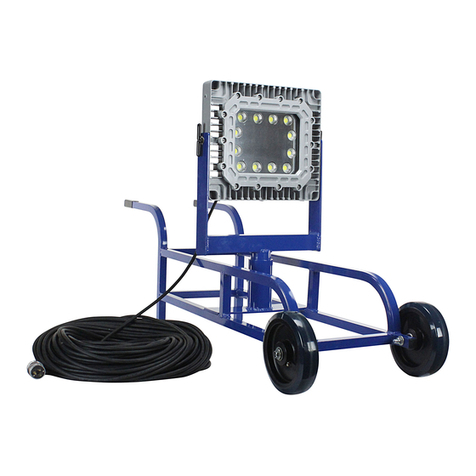
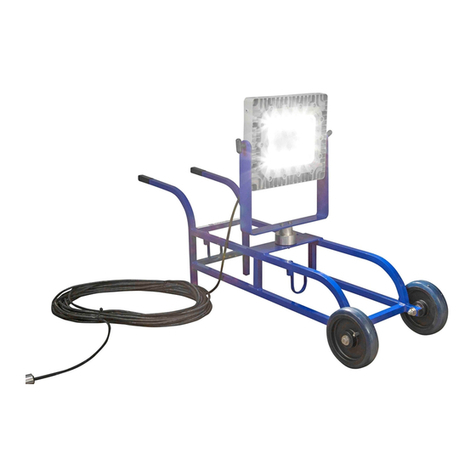
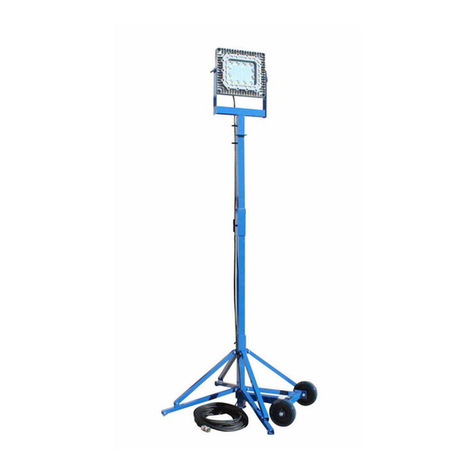
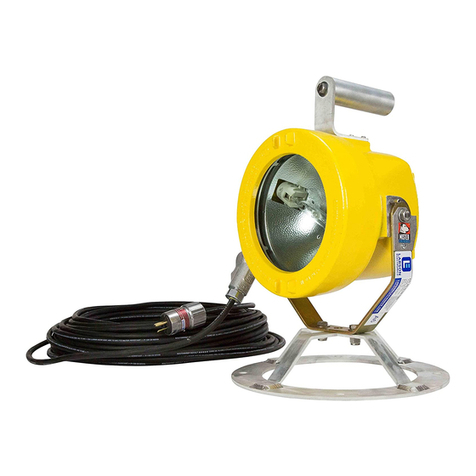
Position device near work area for operation. Run cable to nearby power
source. Insert and twist-lock explosion-proof plug into a compatible receptacle
within the hazardous environment. See plug operation below.
PLUG OPERATION
Electrical connection between plug and compatible receptacle is accomplished
after plug fully inserts into receptacle and rotated clockwise.
1. Lift receptacle door and locate polarization on mating plug pin and
receptacle face. Insert plug straight all the way into receptacle until it
cannot go further.
2. Rotate plug clockwise limit (37º), this closes internal contacts and
completes circuit. This also mechanically locks plug into receptacle so it
cannot be pulled out.
3. To remove plug, push plug inward and turn to counterclockwise, pull plug
straight out.
MAINTENANCE
Caution: To avoid personal injury, disconnect power to the light and allow the unit to cool down before
performing maintenance.
Warning: No user serviceable parts inside of fixture. Risk of electric shock. Removal of the lens will void
the warranty.
1. Perform visual, mechanical and electrical inspections on a regular basis. We recommend routine
checks to be made on a yearly basis. Frequency of use and environment should determine this. It is
recommended to follow an Electrical Preventive Maintenance Program as described in NFPA 70B:
Recommended practice for Electrical Equipment.
2. The lens should be cleaned periodically as needed to ensure continued photometric performance.
Clean the lens with a damp, non-abrasive, lint-free cloth. If not sufficient, use mild soap or a liquid
cleaner.
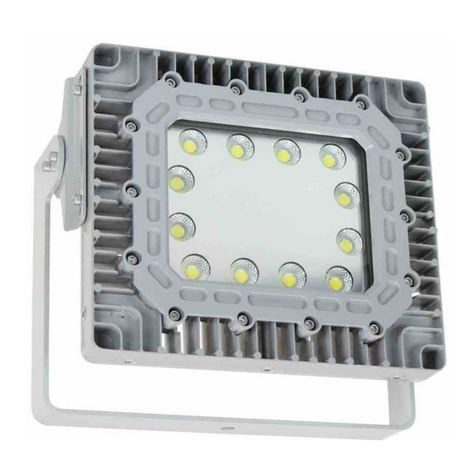
3. Inspect the cooling fins on the luminaire to ensure that they are free of any obstructions or
contamination (i.e. excessive dust build-up). Clean with a non-abrasive cloth if needed.
4. Do not operate if the lens is cracked or damaged. All fasteners should be properly seated.