10
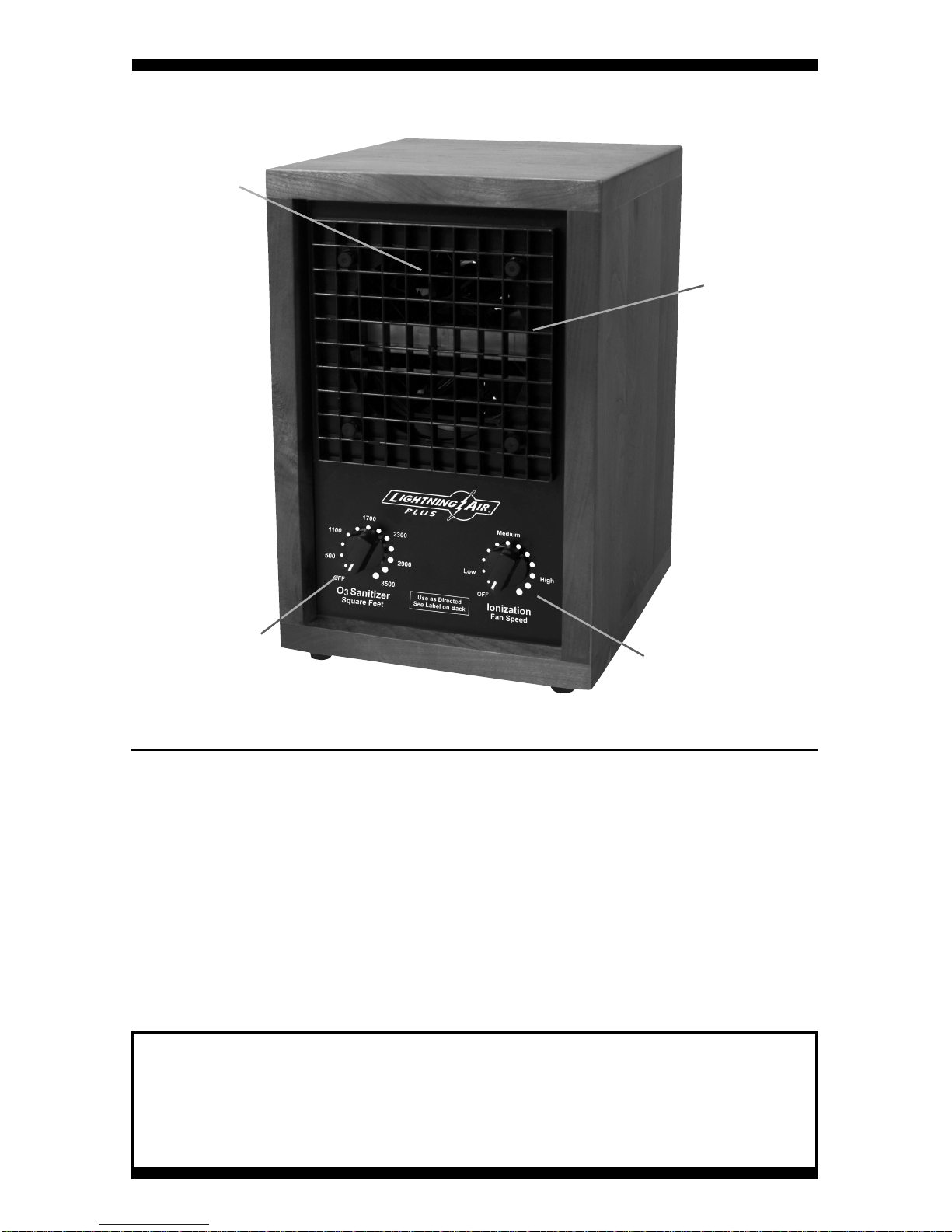
Understanding the 03 Sanitizer
Ozone is basically supercharged oxygen. Regular oxygen is O2and ozone is simply
O3. Nature regularly transforms oxygen into ozone through forces such as lightning
and ultra-violet light striking the earth. O3then acts as a natural sanitizer. After a
short period of time the ozone reverts back to regular oxygen at ground level.
How We Learn About It
We learn about ozone in two different ways. The first is the protective ozone layer
in the upper atmosphere that helps to reduce the amount of ultra-violet light that
strikes the earth. This layer of O3is gradually being depleted as a result of specific
pollutants such as aerosols and the older refrigerant gases. Steps have been taken
to reduce these pollutants, but there is an ongoing concern about protecting the
ozone layer.
The second way we learn about O3is the ground level ozone in polluted cities.
Automobiles and industry put out excessive levels of hydrocarbons into the air
through exhaust emissions. When ultra-violet (UV) light from the sun strikes
hydrocarbons, ozone is created. For millions of years, nature has created ozone by
sunlight striking hydrocarbons, emitted from decaying matter, as one way it keeps
the earth clean. This is nature’s response to pollution in the air. When the exhaust
emissions are high, the O3levels become high as a response to the hydrocarbons.
The level of ozone in some cities may exceed 200 parts per billion (ppb) on days
when pollution is high.
On the other hand, without O3and UV light the earth would be an odorous place
with mold, mildew and viruses running rampant. The forces of nature are designed
to keep the outdoors clean and healthy. Unfortunately, there is normally very little
ozone in our indoor spaces where we spend nearly all of our time. This is because
the buildings where we live and work are designed to shut nature out.
How It Is Used
Ozone is created by man for purification purposes. It is injected in nearly all bottled
waters and is widely used in Europe for treating municipal water supplies. O3is also
used for indoor air treatment but it must be employed in a manner that is both safe
and effective.
The typical way O3is used commercially for air treatment is by blasting a high level
of ozone into an unoccupied space. For example, if a hotel wants to change a
smoking room to a non-smoking room, they use an ozonator such as the
LightninAir Industrial Cleaner to pull odors out of the carpet, drapes, bedding, etc.
Smoke damage restoration services also use O3to remove odors.
The FDA has approved O3for treatment of air and water in food processing plants.
Water damage restoration companies treat air with O3at high levels in unoccupied
spaces to get rid of smells as well as mold and mildew. Some restaurants, bars and
casinos are now beginning to use ozone at relatively low levels to keep the air
smelling fresh and clean at all times.