EN
WARNING!
¾When installing the alarm into a manual transmission car, you must not cut off the
remote starting loop located in the alarm control unit.
¾in case the remote starting loop is cut off, you must reconnect it or install the alarm
into an automatic transmission car
¾In case of an automatic transmission car, where an engine can be started without a
gear stick in ‘N’ or ‘P’ positions, it is considered as manual transmission car. This
applies that the remote starting loop must not be cut off.
¾When installing a door contact, you must find an appropriate wire from the wire
bundle of a car (it is important from the security point of view as well as that of
remote starting)
¾Wiring used for the alarm connection must not be broken nor its insulation
damaged. This should prevent wiring from short-circuit.
¾Remote starting wiring must be connected to the wiring in the switchboard.
¾In case of any damage of car’s electronics, do not install the alarm.
¾After the installation completed, you have to test the alarm according to the user’s
manual. If the alarm works correctly, a car with the installed alarm can be handed
over to a customer.
¾The installation must be carried out in a safe place, in an appropriate distance from
busy roads and on a flat surface.
¾Before the installation get all necessary equipment ready (e.g. servos, diodes,
relays, etc.)
¾When receiving a car from a customer, check functionality of electronics of a car.
¾Use secure equipment only.
¾When checking the wires, use a multimeter.
¾When dealing with cars with airbags, you have to remove the airbag fuse or
disconnect a respective connector before the installation. After the installation, put
the fuse or the connector back to place.
¾A key must be removed from the ignition when connecting wires to the switch
board. With the key placed in the ignition, an airbag or AMS pilot light could be lit.
III. ADDITIONAL RELAY 12V CONNECTION
Inappropriate connection of the additional relay may cause various problems when
connecting alarm, therefore make sure you read carefully the following examples of
connecting the relay 12V.
5
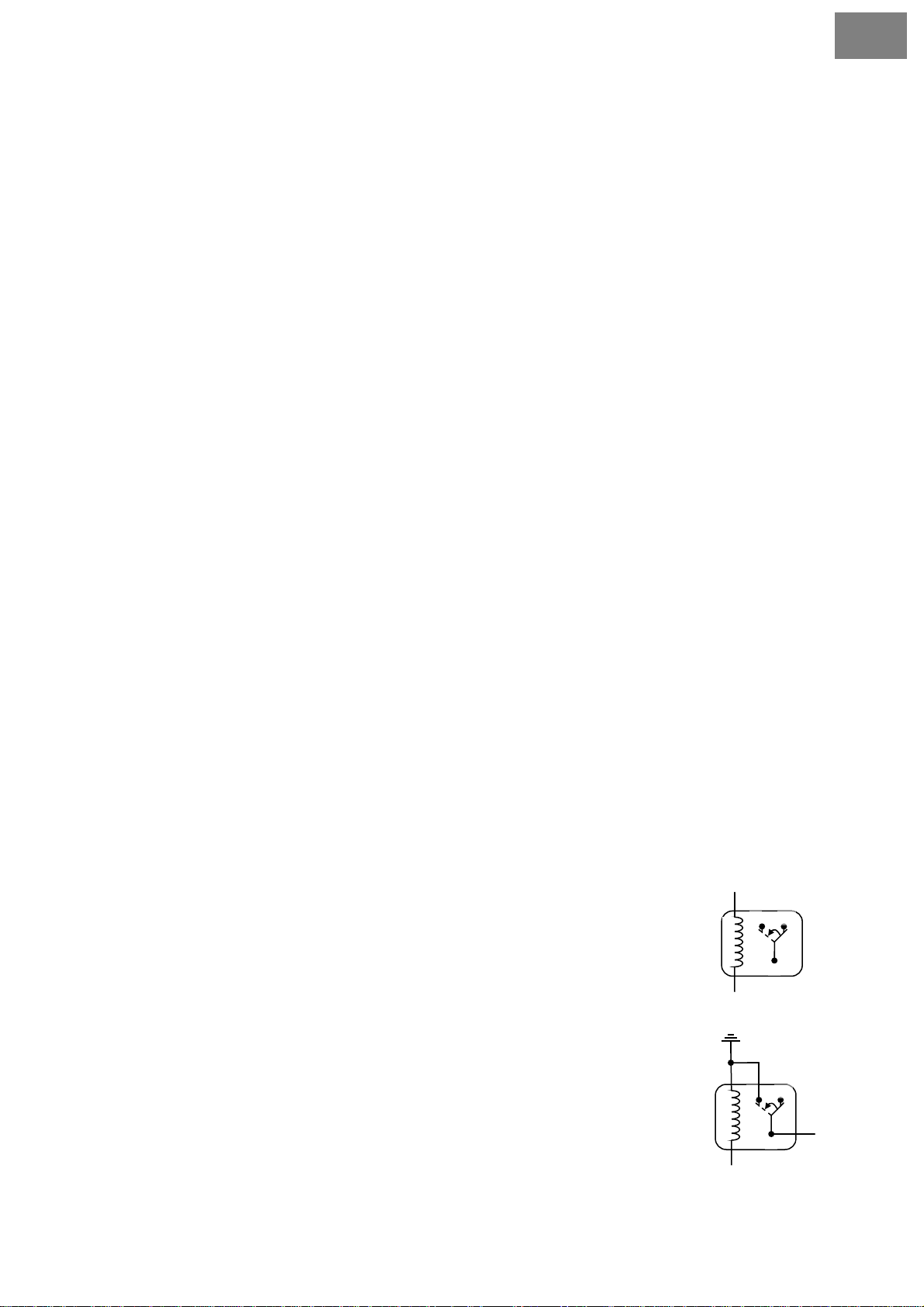
Basic relay description: 87
Contacts 85 and 86 for coil terminals for an electromagnet. If there is no
current on this coil, contact 30 is connected to contact 87A. If there is
current on this coil, electromagnet attracts terminal 30 to connect it to
contact 87.
30
87a
85
86
87
30
87a
85
86
out
ut
-
im
uls
+
If you want to change the signal polarity from (+) to (-)
E.g. the (+) signal of a blinker is changed to a (-) signal and connected to
emergency lights.