manuals.online logo
Brands
  1. Home
  2. •
  3. Brands
  4. •
  5. Motorola
  6. •
  7. Wireless Router
  8. •
  9. Motorola AP300 - Wireless Access Port User manual

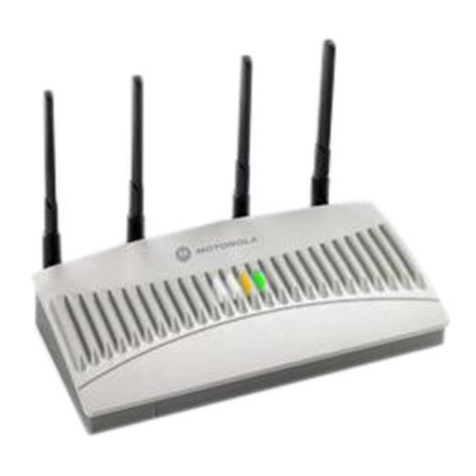
Motorola AP300 - Wireless Access Port User manual

Other Motorola Wireless Router manuals

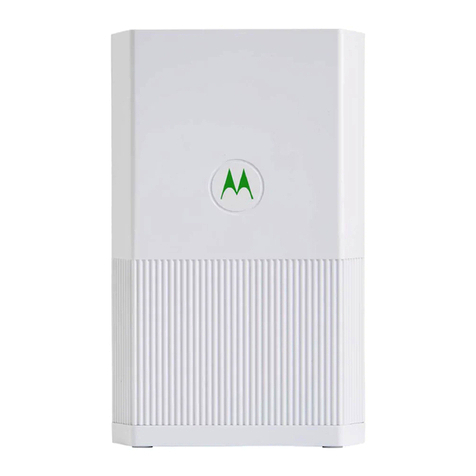
Motorola I670 - SOUTHERNLINC User manual

Motorola

Motorola I670 - SOUTHERNLINC User manual

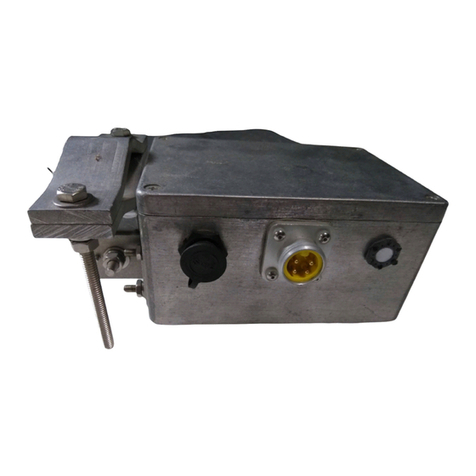
Motorola Motorola PTP 250 User manual

Motorola

Motorola Motorola PTP 250 User manual

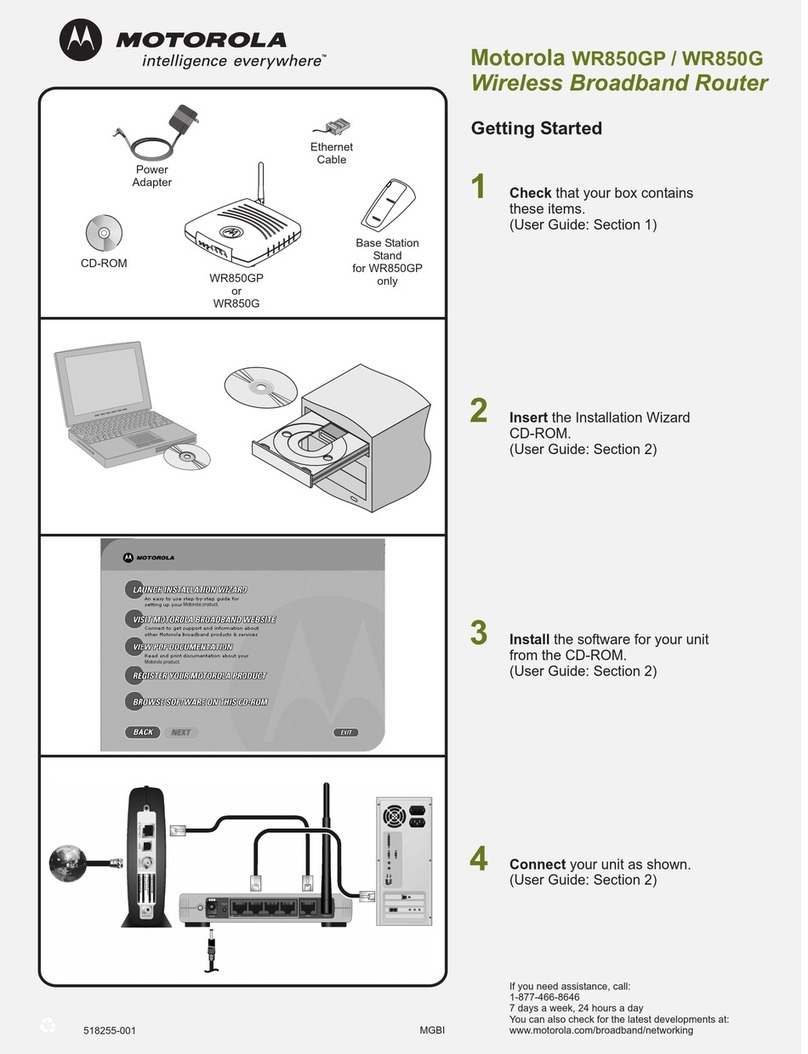
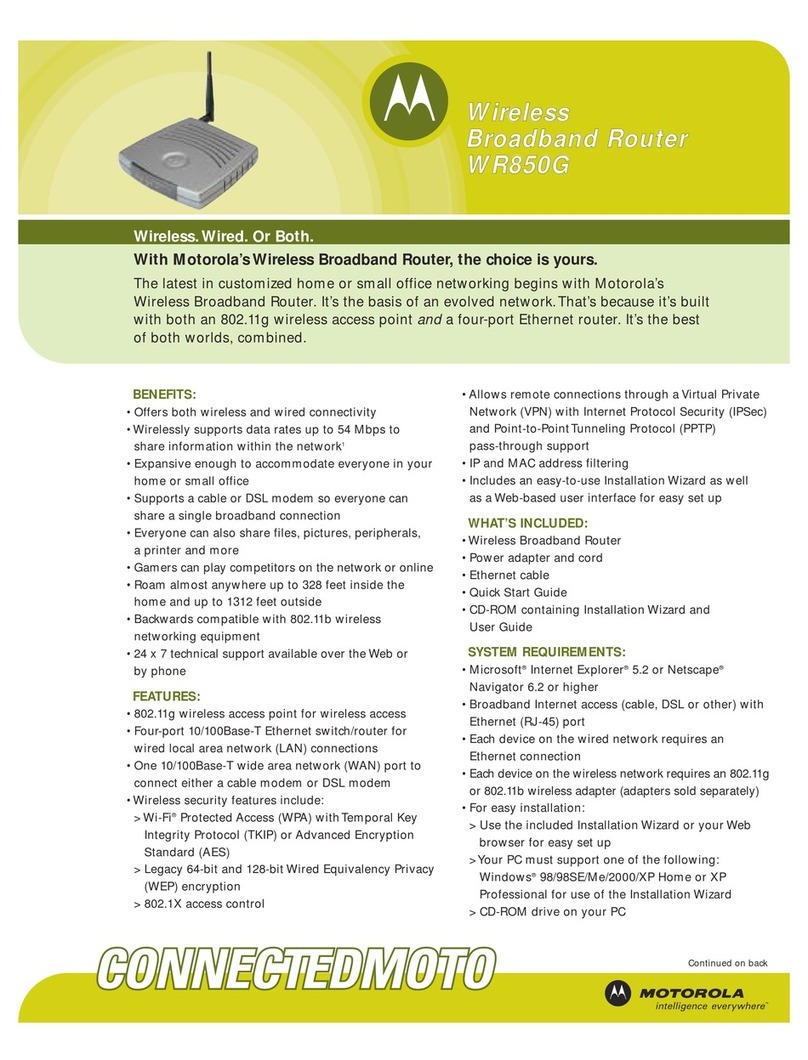
Motorola WR850G - Wireless Broadband Router User manual

Motorola

Motorola WR850G - Wireless Broadband Router User manual

Motorola 2247 User manual

Motorola

Motorola 2247 User manual

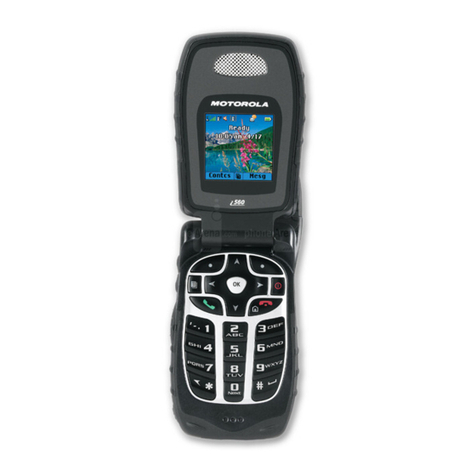
Motorola I850 - SOUTHERNLINC User manual

Motorola

Motorola I850 - SOUTHERNLINC User manual

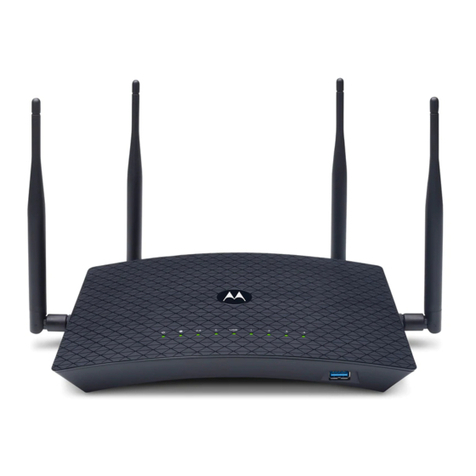
Motorola MWR6300 Installation and operation manual

Motorola

Motorola MWR6300 Installation and operation manual

Motorola V60C User manual

Motorola

Motorola V60C User manual

Motorola Bluetooth CE Bus PhoneDongle User manual

Motorola

Motorola Bluetooth CE Bus PhoneDongle User manual

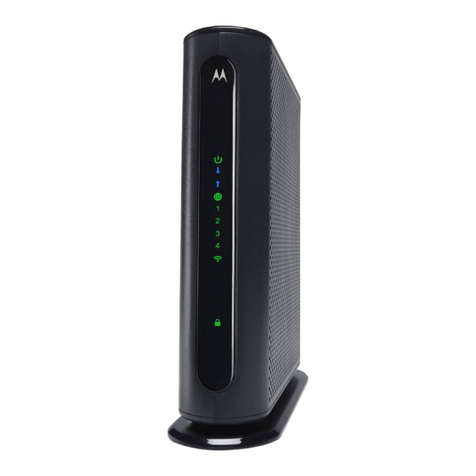
Motorola MG8702 User manual

Motorola

Motorola MG8702 User manual

Motorola WR850G - Wireless Broadband Router User manual

Motorola

Motorola WR850G - Wireless Broadband Router User manual

Motorola WS5100 - Wireless Switch - Security... Quick reference guide

Motorola

Motorola WS5100 - Wireless Switch - Security... Quick reference guide

Motorola LXN 500 Quick guide

Motorola

Motorola LXN 500 Quick guide

Motorola WR850G - Wireless Broadband Router User manual

Motorola

Motorola WR850G - Wireless Broadband Router User manual

Motorola WR850G - Wireless Broadband Router User manual

Motorola

Motorola WR850G - Wireless Broadband Router User manual

Motorola MR2600 User manual

Motorola

Motorola MR2600 User manual

Motorola i605 User manual

Motorola

Motorola i605 User manual

Motorola 3347W User manual

Motorola

Motorola 3347W User manual

Motorola MH7020 User manual

Motorola

Motorola MH7020 User manual

Motorola MH7021 User manual

Motorola

Motorola MH7021 User manual

Motorola AP 5131 - Wireless Access Point User manual

Motorola

Motorola AP 5131 - Wireless Access Point User manual

Motorola WR850G - Wireless Broadband Router Instruction Manual

Motorola

Motorola WR850G - Wireless Broadband Router Instruction Manual

Motorola WR850G - Wireless Broadband Router Operating instructions

Motorola

Motorola WR850G - Wireless Broadband Router Operating instructions

Motorola MG7315 User manual

Motorola

Motorola MG7315 User manual

Motorola MG8702 User manual

Motorola

Motorola MG8702 User manual

Popular Wireless Router manuals by other brands

NETGEAR Zing user guide

NETGEAR

NETGEAR Zing user guide

Proroute GEM420 user manual

Proroute

Proroute GEM420 user manual

ICP DAS USA WF-2000 Series Faq

ICP DAS USA

ICP DAS USA WF-2000 Series Faq

SMC Networks 7904WBRA-N FICHE user guide

SMC Networks

SMC Networks 7904WBRA-N FICHE user guide

Hamlet HRDSL300N user manual

Hamlet

Hamlet HRDSL300N user manual

Icidu NI-707517 Quick installation guide

Icidu

Icidu NI-707517 Quick installation guide

Hawking HWRGM1A user manual

Hawking

Hawking HWRGM1A user manual

Airlogic AirSync Class 1 Features

Airlogic

Airlogic AirSync Class 1 Features

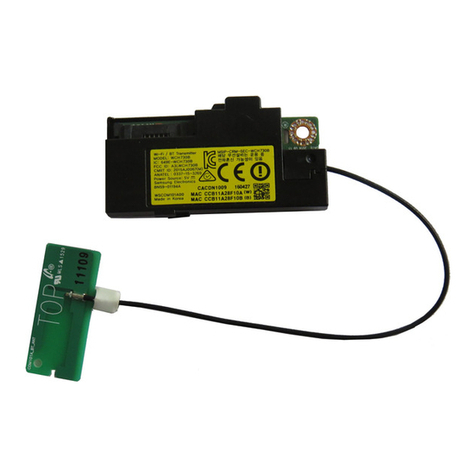
Samsung WCH730B user manual

Samsung

Samsung WCH730B user manual

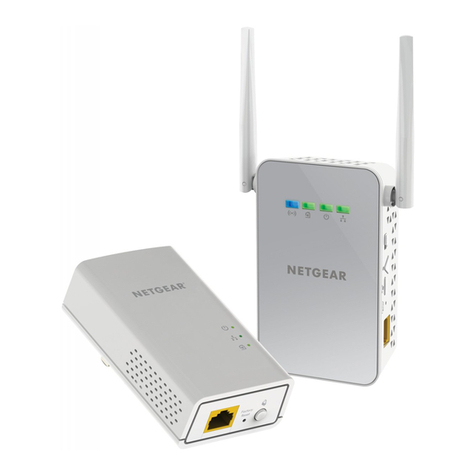
NETGEAR PowerLINE WiFi 1000 Series quick start

NETGEAR

NETGEAR PowerLINE WiFi 1000 Series quick start

TRENDnet TEW-211BRP user manual

TRENDnet

TRENDnet TEW-211BRP user manual

Cisco Valet M10 user guide

Cisco

Cisco Valet M10 user guide

Alloy WLF2454AP-S user guide

Alloy

Alloy WLF2454AP-S user guide

TELEFONICA USB Adapter quick start guide

TELEFONICA

TELEFONICA USB Adapter quick start guide

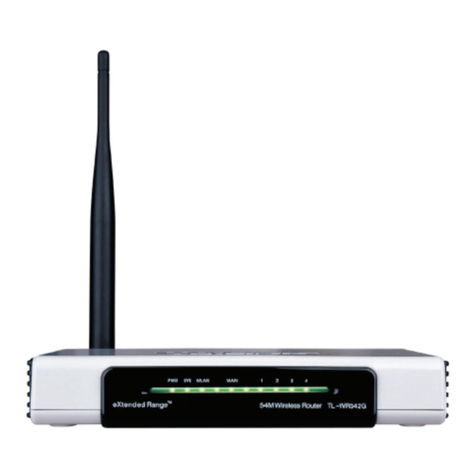
TP-Link TL-WR542G user guide

TP-Link

TP-Link TL-WR542G user guide

Hama 53120 Operating	 instruction

Hama

Hama 53120 Operating instruction

Asus RT-N10P user guide

Asus

Asus RT-N10P user guide

D-Link DIR-506L Quick installation guide

D-Link

D-Link DIR-506L Quick installation guide

manuals.online logo
manuals.online logoBrands
  • About & Mission
  • Contact us
  • Privacy Policy
  • Terms and Conditions

Copyright 2025 Manuals.Online. All Rights Reserved.

SPECIFICATION SHEET
AP300 Access Port
More functionality for a fraction
of the cost of access points
Access ports are a key component of Motorola’s
award winning wireless switch system, the
wireless LAN architecture that does more, yet
costs less. Working in conjunction with Motorola’s
wireless switches, the AP300 Access Port (AP)
delivers robust and feature rich IEEE 802.11a/b/g
connectivity. It can also be used as a sensor in
conjunction with Motorola’s Wireless Intrusion
Protection System (IPS). The AP300 can be adopted
as either a Layer 2 or Layer 3 AP, supporting Layer
3 Mobility — substantially reducing the cost of
deploying, implementing and managing a wireless
LAN while significantly increasing features,
functionality and the security of the wireless
LAN infrastructure.
Virtual AP enables true Wireless VLANs for
better device and network performance
With Virtual AP, each access port can support four
separate wireless broadcast domains — functionality
that would otherwise require the installation of four
first-generation access points. These true wireless
VLANs enable separation of mobile end-users,
ensuring that broadcast traffic reaches only those
recipients for whom it is intended. Overall network
traffic is reduced, network and device performance
is improved, and device battery life is increased —
at a fraction of the cost required to deliver the same
functionality in a first generation access point-based
network. Each AP300 supports four BSSIDs (Basic
Service Set Identifiers) and 16 ESSIDs (Extended
Service Set Identifiers) per radio, enabling granular
segmentation of the wireless LAN into multiple
broadcast domains to meet specific enterprise needs.
Typical access points support only one BSSID, utilizing
ESSIDs (instead of BSSIDs) to create wireless VLANs.
Dual-radio 802.11a and 802.11g design
Simultaneous service to 802.11a, 802.11b and
802.11g mobile devices provides high-bandwidth
wireless connectivity at speeds of up to 54 Mbps
in both the 2.4 GHz and 5.2 GHz ISM bands.
Thin AP design
The AP300 requires no configuration or manual
firmware maintenance. The Motorola wireless
switch discovers access ports on the network
and automatically downloads all configuration
parameters and firmware, greatly reducing installation,
maintenance and troubleshooting costs for Layer 2
and Layer 3 deployments.
For more information, visit us on the Web
at www.motorola.com/ap300 or access
our global contact directory at
www.motorola.com/enterprisemobility/contactus
Plug-n-play 802.11a/b/g Access Ports:
Securely mobilizing the Wireless Enterprise
FEATURES
Mobility
Supports Mobility at
Layer 2 and Layer 3,
working in conjunction
with Motorola’s enterprise
wireless LAN switches
Security
This unique dual-function
device can execute and
enforce the IDS/IPS security
policies configured in the
Motorola wireless switch,
and can also be utilized as a
24x7 dedicated sensor with
Wireless IPS from Air Defense
Load balancing,
pre-emptive roaming
and rate scaling
Increases reliability and
resilience of the wireless
network to support mission
critical applications
802.1x supplicant
Allows authentication to
a RADIUS server to enable
an 802.1x-protected
Ethernet port
SPECIFICATION SHEET
AP300 ACCESS PORT
Plug-n-play 802.11a/b/g Access Ports: Securely mobilizing the Wireless Enterprise
802.11i
Support for IEEE standards-
based security protocols for
strong Encryption (AES, TKIP),
Authentication and Key
Management (802.1x-EAP)
802.11h
Enables worldwide
operation through support
for standards-based
dynamic frequency
selection and power control
802.3af
Simplifies and reduces total
cost of installation through
support of standards-based
Power-over-Ethernet (PoE)
Dual form-factors
Plenum-rated external
antenna model with
metal housing is ideal for
installation above ceiling
tiles; the plastic internal-
antenna housing allows
for installation within the
“carpeted-space” and
provides cost-effective
coverage via the integrated
2.4 GHz and 5.2 GHz
antennas
Flexible mounting options
Fast and easy installation
with wall, ceiling and
above-ceiling tile mounting
options; internal antenna
version snaps on to T-bars
of suspended ceilings
without the use of any
hardware; external antenna
version installs above
ceiling tiles
AP300 Specifications
Physical Characteristics AP300 (internal antenna) AP300 (external antenna)
Dimensions: 9.5 in. L x 7.0 in. W x 2.0 in. H/24.1 cm L x 17.8 cm W x 5.1 cm H 9.25 in. L x 5.75 in. W x 1.0 in. H/23.5 cm L x 14.6 cm W x 2.54 cm H
Weight: 1.0 lbs./0.45 kg 1.6 lbs./0.73 kg
Part number:* WSAP-5110-100-WWR; WSAP-5110-050-WWR WSAP-5100-100-WWR; WSAP-5100-050-WWR
Available mounting configurations: Ceiling-mount (to suspended ceiling T-bars, below tile); wall mount Ceiling-mount (above tile); wall-mount
Plenum rated: No Yes, certified to UL 2043
LED indicators: 2 LED indicators with multiple modes indicating 802.11a/802.11g Activity, Power, Sensor, Adoption and Errors
Wireless Data Communications and Networking
Data rates supported: 802.11a: 6, 9, 12, 18, 24, 36, 48 and 54 Mbps; 802.11b/g: 1, 2, 5.5, 6, 9,11, 12, 18, 24, 36, 48, 54 Mbps
Network standard: 802.11a, 802.11b, 802.11g
Wireless medium: Direct Sequence Spread Spectrum (DSSS) and Orthogonal Frequency Division Multiplexing (OFDM)
VLANs/WLANs supported: WS2000 — 4 VLANs/8 WLANs; WS5100 — 32 VLANS/32 WLANs; RFS6000 — 32 VLANs/32 WLANs; RFS7000 — 256 VLANs/256 WLANs
Uplink: Auto-sensing 10/100Base-T Ethernet
Radio Characteristics
Frequency: 802.11b/g: 2.412 GHz to 2.484 GHz; 802.11a: 4.9 GHz to 5.875 GHz
FCC (US and Canada): 2.412 to 2.462 GHz; 5.150 to 5.250 (UNII -1); 5.725 to 5.850 (ISM)
EU: 2.412 GHz to 2.472 GHz; 5.250 to 5.350 GHz (Country Specific)
Japan: 2.400 to 2.484 GHz; 5.150 to 5.250 GHz; 5.250 to 5.350 GHz
China: 2.412 GHz to 2.472 GHz 5.725 GHz to 5.850 GHz
Operating channels: 802.11b/g: ETSI: 13; North America: 11; TELEC (Japan): 13
802.11a: ETSI: Country Specific; North America: 12; UNII I, II, III; (approval for 5.4-5.7 GHz pending); TELEC (Japan): 8
Available transmit power 4-20 dBM
settings for 802.11a/b/g:
Receiver sensitivity: 802.11b ( -dBm) 802.11g (-dBm) 802.11a (-dBm)
1 -96 6 -92 6 -91
2 -93 9 -89 9 -88
5.5 -92 12 -87 12 -86
11 -87 18 -86 18 -86
24 -83 24 -83
36 -78 36 -77
48 -74 48 -74
54 -72 54 -72
User environment
Operating temperature: 32°F to 104° F/0°C to 40° C -4°F to 122° F/-20°C to 50° C
Storage temperature: -40°F to 158° F/-40°C to 70° C
Operating humidity: 5%-95% (non-condensing)
Operating altitude: 8,000 ft./2438 m
Storage altitude: 15,000 ft./4572 m
Electrostatic discharge: +/- 15 kV (Air), +/- 8 kV (contact)
Power Specifications
Operating voltage: 48 VDC @ 7W (typical), 36 VDC to 57 VDC (range)
Operating current: 145mA @ 48VDC (typical)
Integrated Power-over-Ethernet support: Standards-based IEEE 802.3af
Antenna Specifications
Type: Integrated 2.4 GHz and 5.2 GHz Dual-Antenna; elements with diversity Two RSMA and two RBNC connectors for external antennas (not included)
Band: 2.4 GHz to 2.5 GHz; 4.9 GHz to 5.850 GHz (actual operating frequencies depend on regulatory rules and certification agency)
VSWR: 2.4 GHz: Less than 2:1; 5.2 GHz: Less than 1.5:1 Antenna-specific
Gain: 2.4 GHz:2 dBi; 5.2 GHz: 3.8 dBi Antenna-specific
Regulatory
Product safety certifications: UL 60950, cUL, EU EN 60950, TUV and UL 2043 (external antenna)
Radio approvals: FCC (USA), Industry Canada, CE (Europe) and TELEC (Japan)
*WS-2000-1C-ABG-WWR (WS2000 and 1 AP300 (802.11a/b/g) bundle); WS-2000-2C-ABG-WWR (WS2000 and 2 AP300 (802.11a/b/g) bundle); WS-2000-2C-BG-WWR (WS2000 and
2 AP300 (802.11b/g) bundle) ; WS-2000-1ES-ABG-WR; WS-2000-2ES-ABG-WR; WS-2000-2ES-BG-WR
motorola.com
Part number SS-AP300. Printed in USA 11/08. MOTOROLA and the Stylized M Logo are registered in the US Patent & Trademark Office. All other product or service names are
the property of their respective owners. ©2008 Motorola, Inc. All rights reserved. For system, product or services availability and specific information within your country, please
contact your local Motorola office or Business Partner. Specifications are subject to change without notice.