EnglishDeutsch
 logo
Brands
  1. Home
  2. •
  3. Brands
  4. •
  5. Murata
  6. •
  7. Industrial Equipment
  8. •
  9. Murata PRG15 User manual

Murata PRG15 User manual

This manual suits for next models

2

Other Murata Industrial Equipment manuals

Murata SCC1000 Series User manual

Murata

Murata SCC1000 Series User manual

Murata GRM0335C1H3R9BA01 User manual

Murata

Murata GRM0335C1H3R9BA01 User manual

Murata GRM0225C1E6R9CDAE User manual

Murata

Murata GRM0225C1E6R9CDAE User manual

Murata LLA219C70G475ME01 Series User manual

Murata

Murata LLA219C70G475ME01 Series User manual

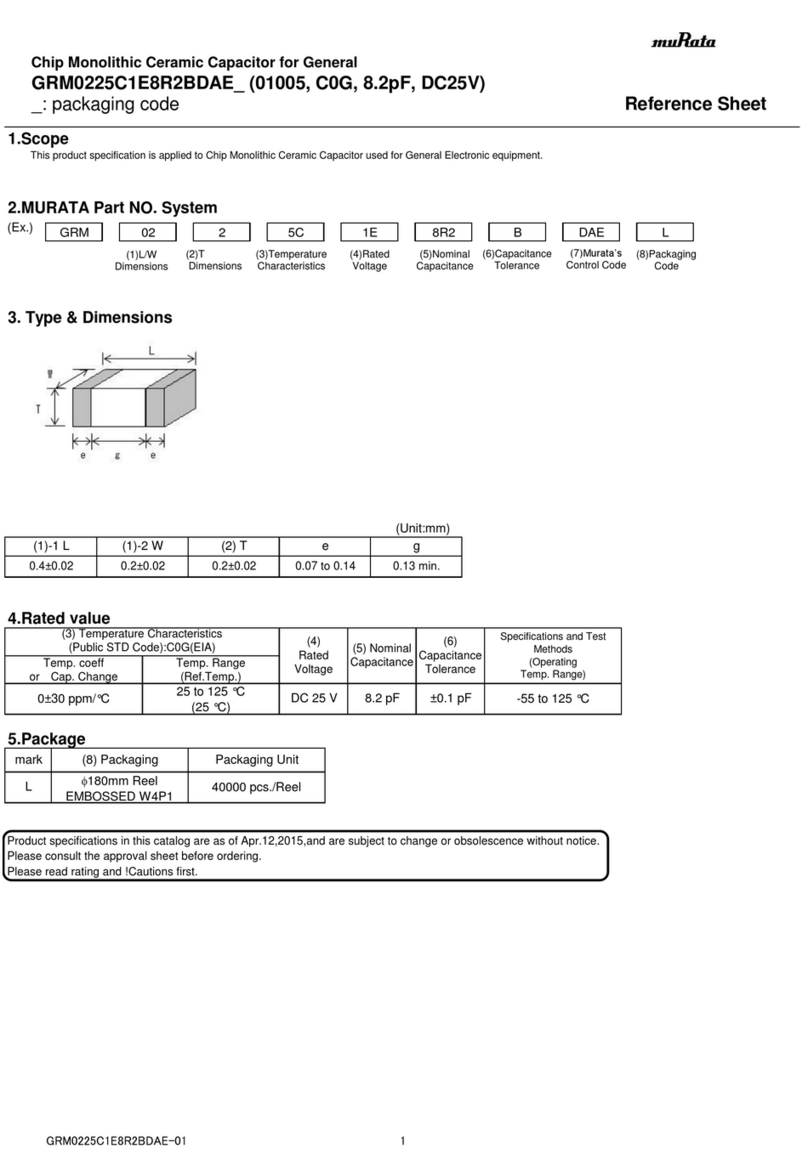
Murata GRM0225C1E8R2BDAE User manual

Murata

Murata GRM0225C1E8R2BDAE User manual

Murata XBSC Series User manual

Murata

Murata XBSC Series User manual

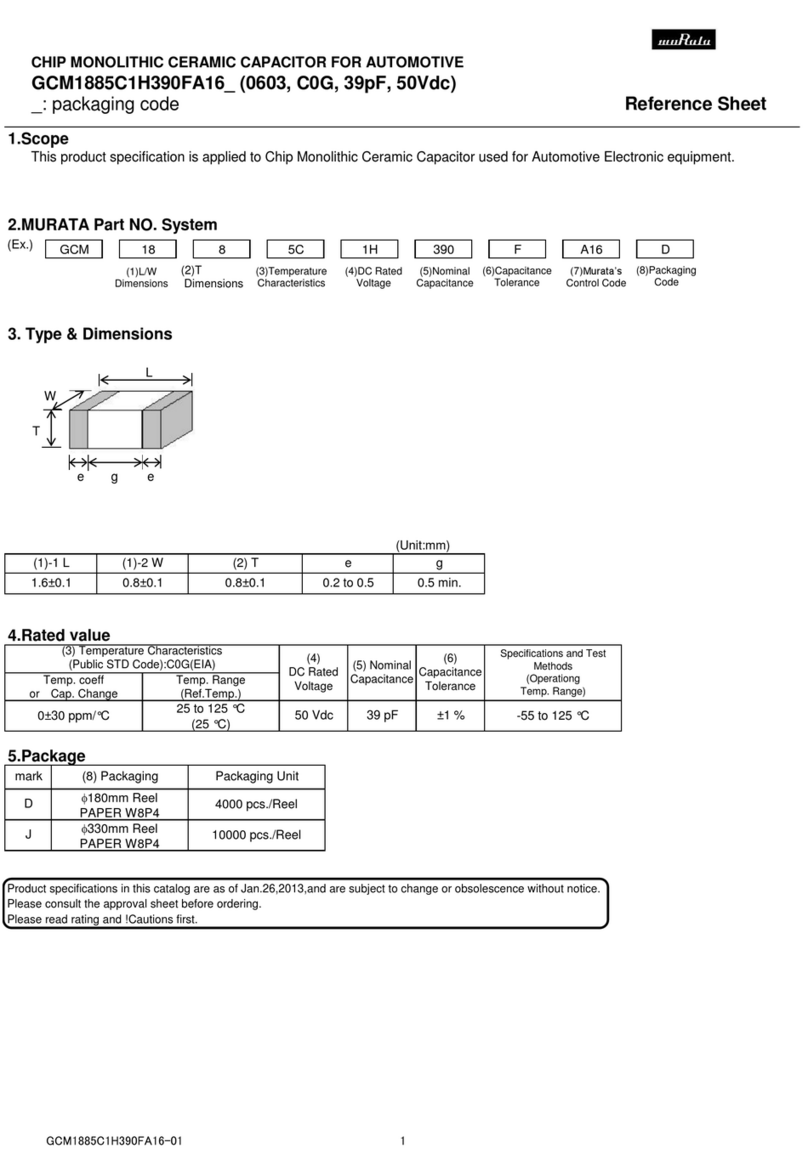
Murata GCM1885C1H390FA16D 0603 User manual

Murata

Murata GCM1885C1H390FA16D 0603 User manual

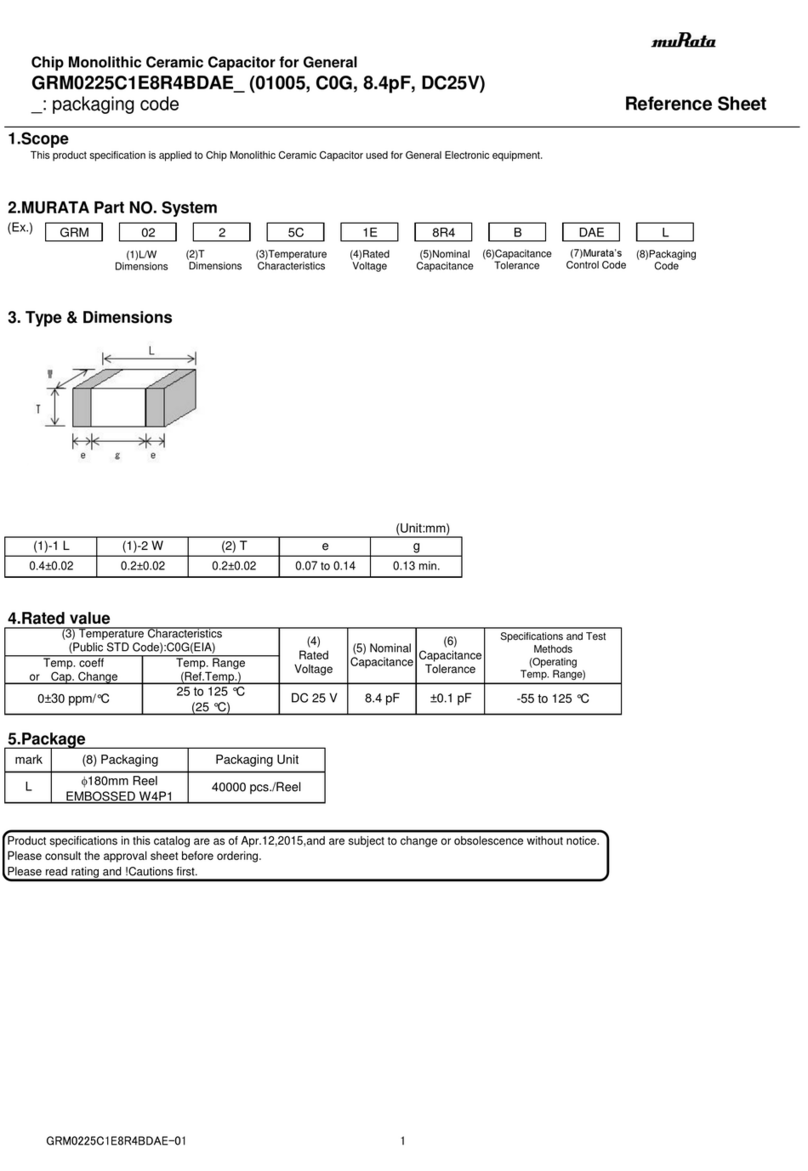
Murata GRM0225C1E8R4BDAE User manual

Murata

Murata GRM0225C1E8R4BDAE User manual

Popular Industrial Equipment manuals by other brands

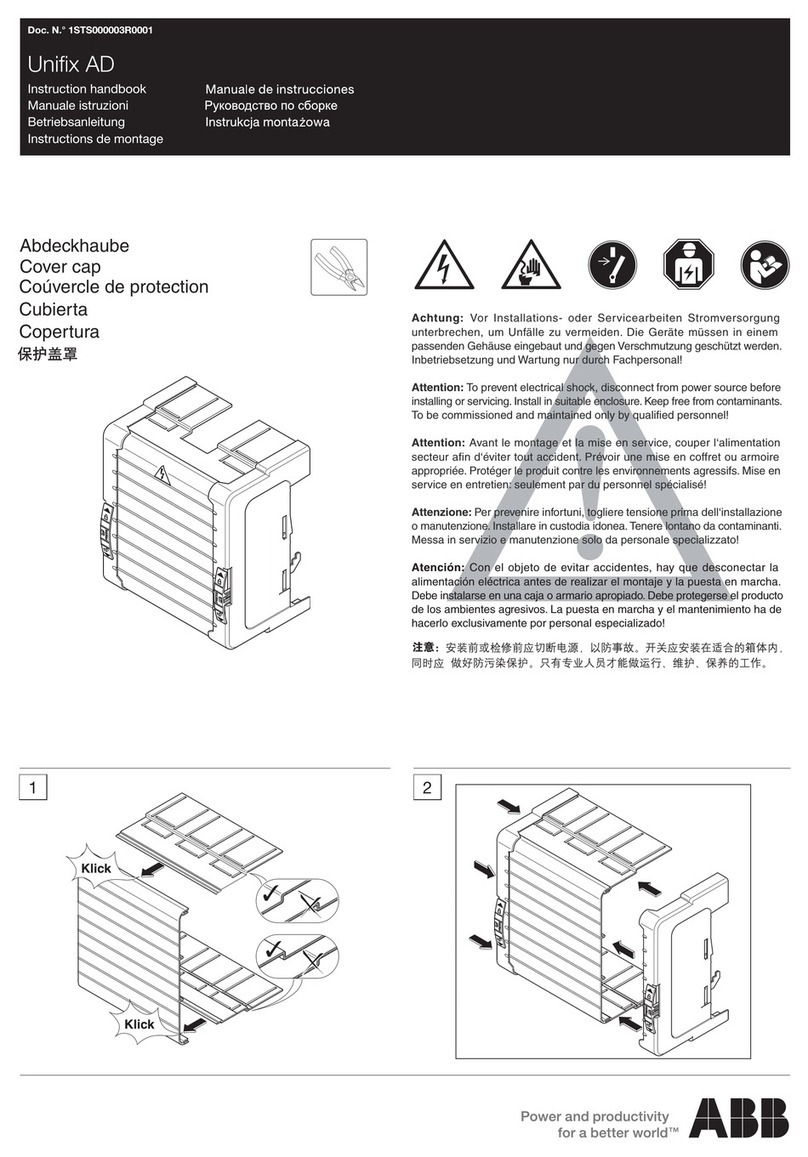
ABB Unifix AD Instruction handbook

ABB

ABB Unifix AD Instruction handbook

Mark 7 Evolution user manual

Mark 7

Mark 7 Evolution user manual

Husky HyPET Original instructions

Husky

Husky HyPET Original instructions

bora PM-1800 user manual

bora

bora PM-1800 user manual

Grizzly T32428 owner's manual

Grizzly

Grizzly T32428 owner's manual

Siemens 8MF1 Series operating instructions

Siemens

Siemens 8MF1 Series operating instructions

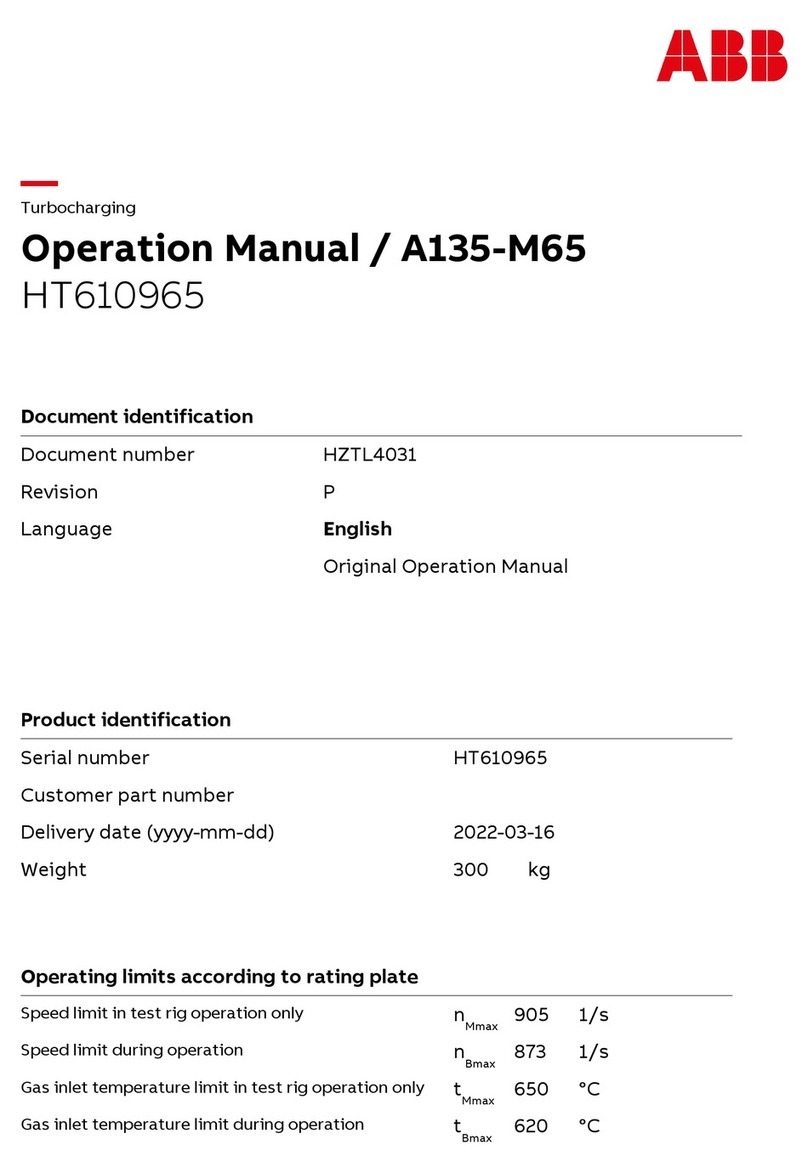
ABB HT610965 Operation manual

ABB

ABB HT610965 Operation manual

ABB SafeLink Installation and operating instructions

ABB

ABB SafeLink Installation and operating instructions

Phoenix PHX-150 user guide

Phoenix

Phoenix PHX-150 user guide

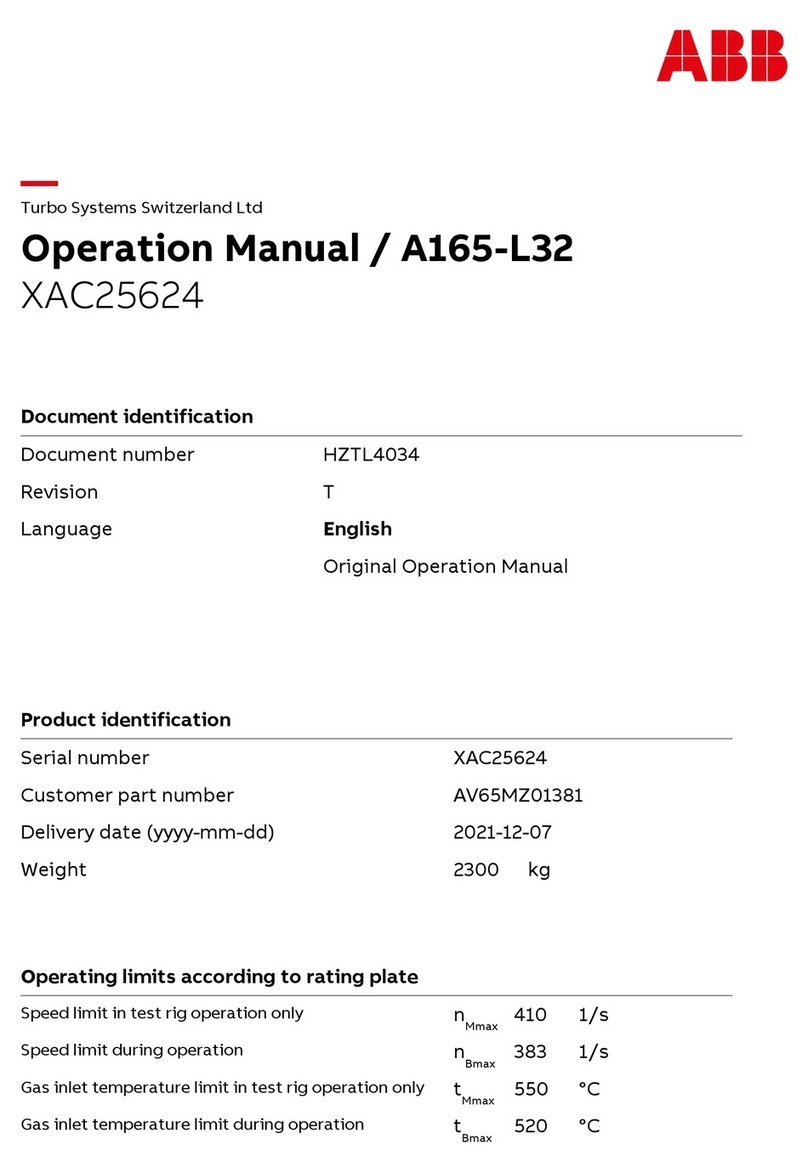
ABB A165-L32 Operation manual

ABB

ABB A165-L32 Operation manual

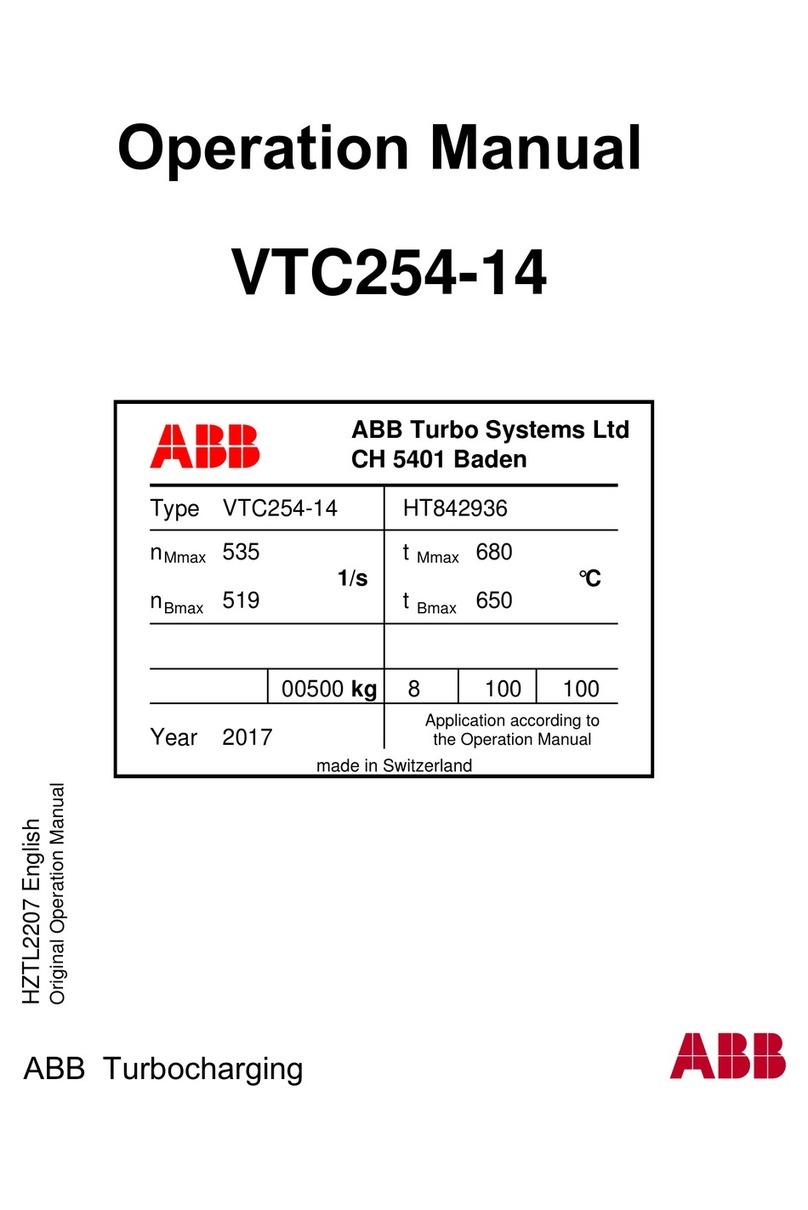
ABB HT842936 Operation manual

ABB

ABB HT842936 Operation manual

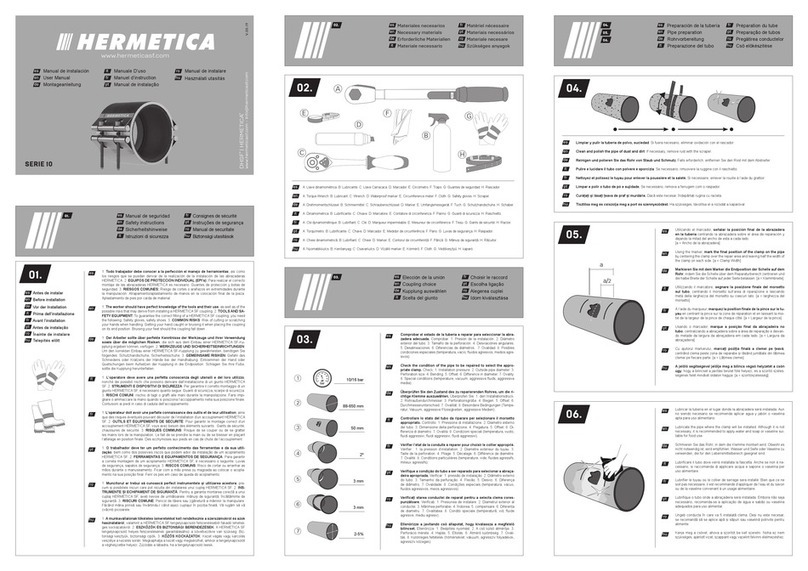
Hermetica 10 Series user manual

Hermetica

Hermetica 10 Series user manual

HORNER OEE Solution manual

HORNER

HORNER OEE Solution manual

Hammerhead HG375 parts manual

Hammerhead

Hammerhead HG375 parts manual

SCHUNK VERO-S NSE-A3 138 Assembly and operating manual

SCHUNK

SCHUNK VERO-S NSE-A3 138 Assembly and operating manual

ABB HT566657 Operation manual

ABB

ABB HT566657 Operation manual

Webasto GSE CAN installation guide

Webasto

Webasto GSE CAN installation guide

ABB HT614003 Operation manual

ABB

ABB HT614003 Operation manual

https://manuals.online logo
https://manuals.online logoBrands
  • About & Mission
  • Contact us
  • Privacy Policy
  • Terms and Conditions

Copyright 2026 Manuals.Online. All Rights Reserved.

Mounting
Continued on the following page.
cStandard Land Dimensions
cNotice (Soldering and Mounting)
a
c
Solder Resist
(in mm)
b
Land
Chip
Part Number Soldering
Methods Chip (LgW) a
Dimensions (mm)
bc
1.6g0.8
Reflow Soldering
Reflow Soldering
0.6-0.8 0.6-0.7 0.6-0.8
1.0g0.5
Reflow Soldering 0.5 0.4-0.5 0.5
2.0g1.25 1.0-1.2 0.5-0.7 1.0-1.2
PRG15
PRG18
PRG21
To remove the flux after soldering, observe the following
points in order to avoid deterioration of the characteristics
or any change to the external electrodes' quality.
2-propanol
Less than 5 minutes
at room temp.
or
Less than 2 minutes
at 40˚C max.
Less than 1 minute
20W/L Frequency
of several 10kHz
to 100kHz.
Solvent Dipping Cleaning Ultrasonic Cleaning
A sufficient cleaning should be applied to remove flux completely.
(1) Printing Conditions of Solder Paste
(a) Standard thickness of solder paste printing should
be from 0.15 to 0.20mm.
(b) After soldering, the solder fillet should be a height
from 0.2mm to the thickness of this product (see the
figure at right).
(c) Too much solder result in excessive mechanical
stress to this product. Such stress may cause
cracking or other mechanical damage. Also, it can
destroy the electrical performance of this product.
In your mounting process, observe the following points in
order to avoid deterioration of the characteristics or
destruction of this product. The mounting quality of this
product may also be affected by the mounting conditions,
shown in the points below.
This product is for reflow soldering only. Flow soldering
should not be allowed.
0.2mm VT VE
T
Solder
Solder
Electrode
1. Solder and Flux
2. Cleaning Conditions
3. Soldering Conditions
(1) Solder Paste
Use solder paste Sn:Pb=63:37wt%.
For your reference, we are using
63Sn/37Pb RMA9086 90-3-M18,
manufactured by Alpha Metals Japan Ltd.
96.5Sn/3.0Ag/0.5Cu M705-GRN360-K2-V,
manufactured by Senju Metal Industry Co., LTD for any
internal tests of this product.
(2) Flux
Use rosin type flux in the soldering process.
If the flux below is used, some problems might be
caused in the product characteristics and reliability.
Please do not use these types of flux.
s3TRONGACIDICFLUXWITHHALIDECONTENTEXCEEDING
0.2wt%).
s7ATERSOLUBLEFLUX
(*Water-soluble flux can be defined as non-rosin type
flux including wash-type flux and non-wash-type flux.)
E
After cleaning,
promptly dry
this product.
Drying

Mounting
Continued from the preceding page.
(3) Standard Temperature Profile for Soldering
(a) Insufficient preheating may cause a crack on the
ceramic body. The difference between preheating
temperature and maximum temperature in the profile
should be 100°C.
(b) Rapid cooling by dipping in solvent or by other
means is not recommended.
Soldering Gradual cooling
(in air)
Preheating (in air)
1 to 2 min.
200
100
0
240°C
Reflow Soldering Conditions
* In the case of repeated soldering, the accumulated soldering
time should be within the range shown in "(2) Allowable
Soldering Temperature and Time."
*20 sec.
Preheating: 150±10°C, 1 to 2 minutes
Soldering: 240°C, 20 sec.
(4) There may be a risk of unexpected failures
(tombstone, insufficient solder-wetting, etc.) in the
mounting process, caused by the mounting conditions.
Please make sure that this product is correctly
mounted under the specified mounting conditions.
(2) Allowable Soldering Temperature and Time
(a) Solder within the temperature and time
combinations, indicated by the slanted lines in the
graphs at right.
(b) Excessive soldering conditions may cause
dissolution of metallization or deterioration of
solder-wetting on the external electrode.
(c) In the case of repeated soldering, the accumulated
soldering time should be within the range shown at
right. (For example, Reflow peak temperature: 260°C,
twice –> The accumulated soldering time at 260°C is
within 15 sec.)
Time (second)
0 102030405060
260
250
270
240
230
220
210
200
Allowable Reflow Soldering Temp. and Time
Temperature (°C)
Temperature (°C)