manuals.online logo
Brands
  1. Home
  2. •
  3. Brands
  4. •
  5. National
  6. •
  7. Power Tools
  8. •
  9. National 5200 PANTHER User manual

National 5200 PANTHER User manual

This manual suits for next models

1

Other National Power Tools manuals

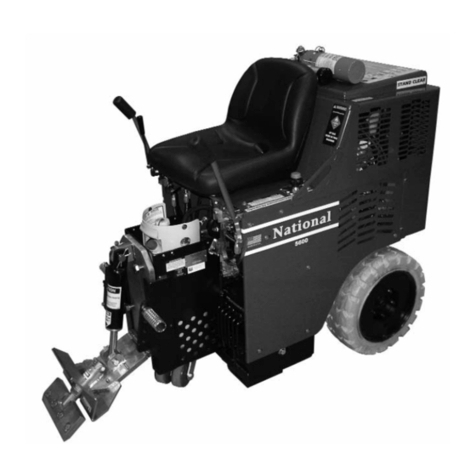
National 5600 User manual

National

National 5600 User manual

National All Day Battery Ride-On 7700 User manual

National

National All Day Battery Ride-On 7700 User manual

Popular Power Tools manuals by other brands

ISLAND HOPPER Power Egg HT-309 operating instructions

ISLAND HOPPER

ISLAND HOPPER Power Egg HT-309 operating instructions

Sioux Tools SSR6P25 Instructions-parts list

Sioux Tools

Sioux Tools SSR6P25 Instructions-parts list

Makita HM1317C technical information

Makita

Makita HM1317C technical information

ABB Smart Tool + quick start guide

ABB

ABB Smart Tool + quick start guide

Baumr-AG BMJK-24S user manual

Baumr-AG

Baumr-AG BMJK-24S user manual

Bosch Professional GST 18 V-LI S Original instructions

Bosch

Bosch Professional GST 18 V-LI S Original instructions

Ronix RA-2702 quick start guide

Ronix

Ronix RA-2702 quick start guide

Nordson ProBlue user guide

Nordson

Nordson ProBlue user guide

aoyue int6028 instruction manual

aoyue

aoyue int6028 instruction manual

Hitachi CJ 65VA2 Instruction manual and safety instructions

Hitachi

Hitachi CJ 65VA2 Instruction manual and safety instructions

Makita HM1304 instruction manual

Makita

Makita HM1304 instruction manual

Kurtz Ersa Ersa X-TOOL VARIO operating instructions

Kurtz Ersa

Kurtz Ersa Ersa X-TOOL VARIO operating instructions

SCHUNK KSO 65 Installation and operating instruction

SCHUNK

SCHUNK KSO 65 Installation and operating instruction

Harken LokHead 500 user manual

Harken

Harken LokHead 500 user manual

Senco DuraSpin ExTPro installation instructions

Senco

Senco DuraSpin ExTPro installation instructions

Ferm JSM1020 Original instructions

Ferm

Ferm JSM1020 Original instructions

Milwaukee M12 FUEL 2559-20 Operator's manual

Milwaukee

Milwaukee M12 FUEL 2559-20 Operator's manual

EINHELL BT-CD 12/2 operating instructions

EINHELL

EINHELL BT-CD 12/2 operating instructions

manuals.online logo
manuals.online logoBrands
  • About & Mission
  • Contact us
  • Privacy Policy
  • Terms and Conditions

Copyright 2025 Manuals.Online. All Rights Reserved.

#5200 & 5200-QL PANTHER®
CORDLESS RIDE-ON
FLOOR PREP SYSTEMS
INSTRUCTION
MANUAL
Read Manual Before Operating Machine
#5200-QL
#5200
9250 XYLON AVENUE NORTH • MINNEAPOLIS, MN 55445 • U.S.A.
800-245-0267 • 763-535-8206 • FAX 763-535-8255 • FAX 800-648-7124
WEB SITE: www.nationalequipment.com • E-MAIL: [email protected]
National
Flooring Equipment, Inc.
Page 2
5200 & 5200QL TABLE OF CONTENTS
Table of Contents ..................................................................................................2-4.1
Hydraulic Safe Operation ........................................................................................5-6
A. Maintaining A Safe Work Environment ................................................................5
B. Pressure............................................................................................................5-6
C. Flammability ........................................................................................................6
D. Hydraulic Fluid......................................................................................................6
Rules for Safe Operation..........................................................................................7-9
A. Safety Precautions/General Rules....................................................................7-8
B. Characteristics of a Defensive Operator ..............................................................9
Safety Instructions ....................................................................................................10
Battery/Power Pack Operation/Information ..........................................................11-15
• Commonly Asked Battery/Charging Questions ................................................14-15
Features/Specifications ....................................................................................16-16.1
A. Vibration/Sound Data ......................................................................................16.1
Operating Controls ............................................................................................17-18.1
A. Power On/Off Switch..........................................................................................17
B. Hydraulic Levers ................................................................................................17
C. Power Kill Switch................................................................................................18
D. Cylinder Lift ........................................................................................................18
E. Lowering Hood ................................................................................................18.1
F. Lid Closure ......................................................................................................18.1
Operational Tips ........................................................................................................19
A. Caster ................................................................................................................19
B. Foot Peg ............................................................................................................19
C. Seat....................................................................................................................19
D. Disarm Machine ................................................................................................19
E. Turn Machine Off................................................................................................19
F. Leakage ............................................................................................................19
G. Power Pack Changing........................................................................................19
H. Hood ..................................................................................................................19
I. Battery Charger..................................................................................................19
J. Angle of the Head is Set Steep ..........................................................................19
Page 3
5200 & 5200QL TABLE OF CONTENTS
Loading/Unloading ..............................................................................................20-21
A.Dock Heights ........................................................................................................20
B.Power-Gate ..........................................................................................................20
C. Ramps ................................................................................................................20
D. Forklift Cups ......................................................................................................21
E. Winches..............................................................................................................21
F. Transporting ......................................................................................................21
G. Wheel Chocks ....................................................................................................21
Center of Gravity ......................................................................................................22
Job Site Movement ..............................................................................................23-24
A. Taping Wheels....................................................................................................23
B. Leap Frogging Boards........................................................................................23
C. Palletizing ..........................................................................................................23
D. Front Wheel Assembly ......................................................................................23
E. To Move Machine Without Power ......................................................................24
F. Moving Machine on Caster ................................................................................24
Wheel Sizes ..............................................................................................................25
A. Wheel Size ........................................................................................................25
Adding Additional Weight ..........................................................................................26
A. Front Weight ......................................................................................................26
B. Rear Weight ......................................................................................................26
Cutting Head and Blade ......................................................................................27-29
A. Dialing in the Machine........................................................................................27
B. Saving Time with Extra Cutting Heads ..............................................................27
C. Adjusting Slide Plate and Cutting Head ............................................................27
D. Shear Point ........................................................................................................27
E. Weight vs. Sharpness ........................................................................................28
F. Cutting Head Angle ............................................................................................28
G. Steep Cutting Head Angle..................................................................................28
H. Swivel Head ......................................................................................................28
I. Saving Time with Extra Cutting Heads ..............................................................28
J. Cutting Head Insertion ......................................................................................29
K. Shank Blade Insertion ........................................................................................29
L. Blade Setting......................................................................................................29
M. Self-Scoring Blades............................................................................................29
N. Blade Insertion or Blade Changing ....................................................................29
Page 4
5200 & 5200QL TABLE OF CONTENTS
Blade Application/Set-Up ....................................................................................30-32
A. Ceramic Set-Up..................................................................................................30
B. Wood Set-Up......................................................................................................30
C. Secondary Backing Carpet Set-Up ....................................................................30
D. Foam Back Carpet Set-Up ................................................................................30
E. Double Stick Carpet Set-Up ..............................................................................30
F. VCT Tile Set-Up ................................................................................................30
G. Rubber Tile Set-Up ............................................................................................30
H. Re-Scraping Set-Up ..........................................................................................31
I. Thin Coating Set-Up ..........................................................................................31
J. Working Over Concrete......................................................................................31
K. Working Over Wood ..........................................................................................31
L. Working Over Soft Sub-Floor ............................................................................31
M. Cross Room Ditching ........................................................................................32
N. Checker Board Ditching ....................................................................................32
Blades ..................................................................................................................33-36
A. Types of Blades..................................................................................................33
B. Blade Sharpening ..............................................................................................34
C. Self-Scoring Blade Sharpening ..........................................................................34
D. Carbide Tipped Blade Sharpening ....................................................................34
E. Blade Selection Chart ..................................................................................35-36
Machine Maintenance ..........................................................................................37-42
A. Slide Plate Removal ..........................................................................................37
B. Lower Cutting Head Support..............................................................................37
C. Leak Maintenance..............................................................................................37
D. Side and Rear Panels ........................................................................................38
E. Oil Level & Oil Change Out ................................................................................38
F. Wheel Motor Change Out ..................................................................................38
G. Hose Change Out ..............................................................................................39
H. Foot Peg ............................................................................................................39
I. Pump Change Out ............................................................................................39
J. Valve Change Out ..............................................................................................39
K. Motor Change Out..............................................................................................39
L. Hydraulic Cylinder Change Out..........................................................................40
M. Battery Pack ......................................................................................................40
Page 4.1
5200 & 5200QL TABLE OF CONTENTS
N. Wheel Changing ................................................................................................40
O. Changing Filter ..................................................................................................41
P. Caster Maintenance ..........................................................................................41
Q. Seat Replacement..............................................................................................42
R. Fuses..................................................................................................................42
S. Switches ............................................................................................................42
T. Debris Deflector Mounting Instructions ..............................................................42
Complete Parts List..........................................................................................43-46.3
Part Numbers and Diagrams............................................................................47-59.2
A. External Parts ....................................................................................................47
B. Hood & External Parts ....................................................................................47.1
C. Hood Lever Parts ............................................................................................47.2
D. Beeper & Hood Parts ........................................................................................48
E. Electric Box & Battery Connector Parts..............................................................49
F. Motor & Fuse Parts ............................................................................................50
G. Gear Pump Parts................................................................................................51
H. Wheel Parts........................................................................................................52
I. Control Lever Parts (Old Style) ..........................................................................53
J. Control Lever Parts (New Style) ......................................................................53.1
K. Single Spool & Hose Parts ................................................................................54
L. Double Spool & Hose Parts................................................................................55
M. Filter & Tank Parts..............................................................................................56
N. Slide Plate, Cylinder & Deflector Parts.............................................................. 57
O. Caster & Foot Peg Parts ....................................................................................58
P. Weights ..............................................................................................................59
Q. Charger Parts ..................................................................................................59.1
R. External Parts..................................................................................................59.2
S. Battery Cart Parts & Assembly........................................................................59.3
Labels ..................................................................................................................60-62
Accessories ..............................................................................................................63
Blades & Cutting Heads ......................................................................................64-65
5200 Battery Box Wiring Diagrams ................................................................65.1-65.2
Material Safety Data ............................................................................................66-71
Guarantee..................................................................................................................72
Return Sheet ............................................................................................................73
Blade Order Form ................................................................................................74-75
Page 5
MAINTAINING A SAFE WORK ENVIRONMENT
Establishing a safe working environment in and around your hydraulic equipment is just common sense.
The easiest and most effective way to avoid problems is to make sure associates understand their
equipment, know how to operate it safely and recognize the danger it represents if handled carelessly. A
few things you must be aware of include:
1. PRESSURE: Hydraulic fluid under pressure is dangerous and can cause serious injury.
2. FLAMMABILITY: When ignited, some hydraulic fluids can explode and/or cause fires.
3. MECHANICAL: Hydraulic fluid creates movement, which causes parts of your equipment to move or
rotate. Always be aware of what you are doing.
4. MOISTURE: Use caution when operating in wet or high moisture conditions. Make sure all electrical
fittings, switches, cords plus stain reliefs are in good condition. Always unplug when not in use and
when doing any service work.
5. ELECTRICAL: Faulty wiring can also be an electrical hazard. A regular preventive maintenance
program should always include a wiring check. Unplug power pack and/or charger before serving.
6. TEMPERATURE: Because this machine operates at a relatively low pressure, overheating is not
common. If surface of tank becomes too hot to touch by hand (above 130º), shut off machine and
allow to cool off.
PRESSURE
Our system runs at or below 2,000 psi. Never look for a leak when unit is under pressure. Using your
hand could cause serious injury. A few common ways to encounter hydraulic fluid under pressure include:
1. PINHOLE: Fluid under pressure can cause serious injury. It can be almost invisible escaping from a
pinhole, and it can pierce the skin into the body. Do not touch a pressurized hydraulic hose
assembly with any part of your body. If fluid punctures the skin, even if no pain is felt, a serious
emergency exists. Obtain medical assistance immediately. Failure to do so can result in loss of the
injured part or death.
2. LEAK: Keep fittings and hoses tight. Only check and service when not under pressure. Leaking
hydraulic fluid is not only unsightly, it’s hazardous. In addition to making workplace floors slippery and
dangerous, leaks also contaminate the environment. Before cleaning an oil spill, always check EPA,
state and local regulations.
LEAK AT THREAD END/SEAT
Problem: Coupling leaks at thread or seat. This may be caused by any of the following:
a. Missing or damaged O-rings.
b. Damaged threads or seat angle.
c. Thread alignment.
d. Incompatible thread ends or seat angles.
e. Over or under torquing.
Solution: Remove the connection and inspect.
i. Certain couplings require the use of an O-ring. If it is missing, replace it. If an O-ring is used,
check for damage caused by installation or possible material breakdown from heat or fluid
incompatibility. Alternative O-ring materials may be required. Replace if necessary.
ii. Check the threads and/or seat angle for damage that may have occurred prior to or during
installation. Any ding or burr may be a potential leak path. Replace if necessary.
HYDRAULIC SAFE OPERATION

Page 6
HYDRAULIC SAFE OPERATION
PRESSURE (continued)
iii. If the coupling was misaligned during installation, threads may have been damaged. Replace
and carefully install.
iv. Over torquing of a threaded connection can stretch and damage threads and mating seat
angles. Over torquing can also damage the staking area of the nut. Under torquing does not
allow proper sealing.
3. BURST: Whether due to improper selection or damage, a ruptured hose can cause injury. If it bursts,
a worker can be burned, cut, injected or may slip and fall.
4. COUPLING BLOW-OFF: If the assembly is not properly made or installed, the coupling could come
off and hit or spray a worker, possibly resulting in serious injury. Never operate machine without
guards.
FLAMMABILITY
With the exception of those comprised primarily of water, all hydraulic fluid is flammable when exposed to
the proper conditions (including many “fire-resistant” hydraulic fluids).
Leaking pressurized hydraulic fluids may develop a mist or fine spray that can flash or explode upon contact
with a cause of ignition. These explosions can be very severe and could result in serious injury or death.
Precautions should be taken to eliminate all ignition sources from contact with escaping fluids, sprays or
mists resulting from hydraulic failures. Sources of ignition could be electrical discharges (sparks), open
flames, extremely high temperatures, sparks caused by metal-to-metal contact, etc.
HYDRAULIC FLUID
Only use Texaco Rando 46 Hydraulic Oil or Compatible Fluid like IS032. Non-compatible fluids could
cause damage to unit or serious injury.
CAUTION: Never check for leaks over hose or hydraulic connections. Instead, use a piece of
cardboard to locate a pressurized leak. For drips (low pressure leaks), use a rag to clean the area and
determine where the leak originates.
CAUTION: Never touch a pressurized hose assembly. Shut down the hydraulic system before
checking hose temperature.
WARNING: When using electric tools, always follow basic safety precautions to reduce the risk of
electric shock and personal injury.
Page 7
RULES FOR SAFE OPERATION

READ AND SAVE ALL INSTRUCTIONS FOR FUTURE USE. Before use, be sure everyone
operating this equipment reads and understands this manual as well as any labels packaged with or
attached to the machine and components and view the instruction video. Extra copies of the manual and
video are available.
1. KNOW YOUR EQUIPMENT: Read this manual and view instruction video carefully to learn
equipment applications and limitations as well as potential hazards associated with this type of
equipment.
2. DISARM MACHINE: Remove cutting head or drop cutting head to the floor when machine is not
in use.
3. DO NOT “SIDE HILL” MACHINE: See Page 20.
4. DISCONNECT CHARGER’S: Disconnect machine from charger’s before operating machine.
5. AVOID DANGEROUS ENVIRONMENTS: Do not use in rain, damp or wet locations, or in the
presence of explosive atmospheres (gaseous fumes, dust or flammable materials). Remove materials
or debris that may be ignited by sparks.
6. KEEP WORK AREA CLEAN AND WELL LIT: Cluttered, dark work areas invite accidents.
7. DRESS PROPERLY: Do not wear loose clothing. These may be caught in moving parts. Keep hands
and gloves away from moving parts.
8. USE SAFETY EQUIPMENT: Everyone in the work area should wear safety goggles or glasses
complying with current safety standards. Wear hearing protection during extended use and a dust
mask for dusty operations. Hard hats, face shields, safety shoes, etc. should be worn when specified
or necessary.
9. KEEP BYSTANDERS AWAY: Children and bystanders should be kept at a safe distance from the
work area to avoid distracting the operator. Operator should be aware of who is around them and
their proximity.
10. PROTECT OTHERS IN THE WORK AREA: Provide barriers or shields as needed to protect others
from debris and machine operation.
11. USE PROPER ACCESSORIES: Using accessories that are not recommended may be hazardous.
Be sure accessories are properly installed and maintained. Do not delete a guard or other safety
device when installing an accessory, attachment or servicing.
12. CHECK FOR DAMAGED PARTS: Inspect guards and other parts before use. Check for
misalignment, binding of moving parts, improper mounting, broken parts and any other conditions that
may affect operation. If abnormal noise or vibration occurs, turn the tool off immediately and have the
problem corrected before further use. Do not use damaged equipment. Tag damaged machine “DO
NOT USE” until repaired. A guard or other damaged parts should be properly repaired or replaced.
For all repairs, insist on only identical National replacement parts.
13. REMOVE ALL ADJUSTING KEYS AND WRENCHES: Make a habit of checking that the adjusting
keys, wrenches, etc. are removed from the tool before turning it on.
WARNING: Disarm machine when not in use. Remove Cutting Head or lower Cutting Head to the
floor. When exiting machine (getting off machine), remove lower Cutting Head to the floor. When
transporting machine around job site, remove Cutting Head. Failure to follow these instructions could
cause severe bodily injury.
Page 8
RULES FOR SAFE OPERATION
14. GUARD AGAINST ELECTRIC SHOCK: Prevent body contact with grounded surfaces such as pipes,
battery plug connection, radiators, ranges and refrigerators. When scoring or making cuts, always
check the work area for hidden wires or pipes to reduce shock hazards.
15. AVOID ACCIDENTAL STARTING: Be sure equipment is turned off before plugging it in. Do not use
if the power switch does not turn the machine on and off properly.
16. DO NOT FORCE EQUIPMENT: Equipment will perform best at the rate for which it was designed.
Excessive force only causes operator fatigue, increased wear and reduced control.
17. KEEP HANDS AND FEET AWAY FROM ALL CUTTING EDGES AND MOVING PARTS.
18. WEAR GLOVES WHEN CHANGING BLADES.
19. DO NOT ABUSE CORD: Never unplug the battery charger by yanking the cord from the outlet or
from the battery. Pull plug rather than cord to reduce the risk of damage. Keep the cord away from
heat, oil, sharp objects, cutting edges and moving parts.
20. DO NOT OVERREACH. MAINTAIN CONTROL: Stay properly seated. Keep proper footing and
balance at all times. Maintain a firm grip.
21. STAY ALERT: Watch what you are doing, and use common sense. Do not use when you are tired,
distracted or under the influence of drugs, alcohol or any medication causing decreased control.
22. STARTING MACHINE: On/off switch must be in off position before connecting to power source.
23. UNPLUG EQUIPMENT: Disconnect battery and/or charger’s before servicing or when not operating.
24. MAINTAIN EQUIPMENT CAREFULLY: Keep control levers dry, clean and free from oil and grease.
Keep cutting edges sharp and clean. Follow instructions for lubricating and changing accessories.
Periodically inspect battery, charger’s and all plug connections. Have damaged parts repaired or
replaced.
25. STORE IDLE EQUIPMENT: When not in use, store in a dry, secured place. Keep away
from children. Remove blade or keep blade lowered to the floor (disarm machine).
26. MAINTAIN LABELS AND NAME PLATES: These carry important information. If unreadable or
missing, contact National for a free replacement.
27. MACHINE IS HEAVY, DO NOT DROP: Counter weights are heavy. Take caution when removing
or reassembling. Take caution when moving or transporting. Do not drop batteries.
28. POWER PACKS: Only replace power packs by the manufacturer or its servicing agent. Do not open
Battery Packs. Doing so voids all warranties and could cause injury due to electric shock.
29. COMMERCIAL APPLICATION: Machine is intended for commercial use only.
WARNING: Exposure to dust may cause respiratory ailments. Use approved NIOSH or OSHA
respirators, safety glasses or face shields, gloves and protective clothing. Provide adequate ventilation
to eliminate dust, or to maintain dust level below the Threshold Limit Value for nuisance dust as
classified by OSHA.
Page 9
RULES FOR SAFE OPERATION
CHARACTERISTICS OF A DEFENSIVE OPERATOR
• Education
• Alert
• Skills
• Judgment
• Common Sense
• Recognizes the Hazards
• Understands the Defense
• Acts Correctly
A GOOD OPERATOR IS A “DEFENSIVE” OPERATOR
QUALITIES
Education: Learns about the machine and the environment.
Alert: Stays alert at all times…never lets guard down.
Skills: Only performs duties he/she are qualified to do. Always tries to improve.
Judgment: Plays it safe. Doesn’t take chances.
Common Sense: Does the right thing without having to be told. Applies knowledge.
Recognizes the Hazards: Maintains alertness. Anticipates danger.
Understands the Defense: Knows that safety isn’t an accident…it’s a thinking person’s choice.
Acts Correctly: Does not cave in to pure pressure. Performs correctly when supervised or not.