Oxford Plastics Product Guidelines
Oxford Plastics Product Guidelines
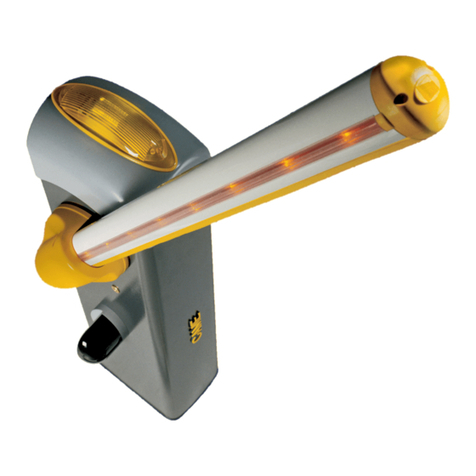
AVALON BARRIER |TECHNICAL SPECIFICATION
OXFORDPLASTICS.COM |VERSION 1 NO1 10
REPAIRING THE
REFLECTIVE
7 98
3
Place the barrier on a flat stable surface.
5
Clean the recessed reflective surface
area with a new cleaning sponge soaked
with the Alcohol and allow to air-dry for
15 seconds.
Use the applicator and, applying a firm
pressure, work one end to the other in a
zig-zag motion pushing down the sticker
and removing the air from underneath.
2
The applicator should be a handheld size,
approx. 12x8cm. Fabricate from a piece
of hard plastic or card, wrap this in felt,
wrap this in a tough fabric and secure
together with duct tape.
4
Use the scraper to lift the edges and peel
off the damaged reflective.
6
Use a new sponge coated in Standard
Primer and, starting at the bottom, ensure
that the primer has covered and wetted the
whole area. Leave to air dry for 5 minutes.
There should be no cuts or tears in the
reflective. Air bubbles should not exceed
5x15mm or 10x10mm. Air bubbles should
be no closer than 20mm to the edge.
Remove the backing paper from the
reflective strip and place it on the barrier,
ensuring that it is in the centre of the recess.
1
You will need a wallpaper
scraper, sponges, a self-made
applicator, a plunger can filled with PA
Isopropyl Alcohol, a plunger can filled with
standard CP906-P1 Primer and PPE.
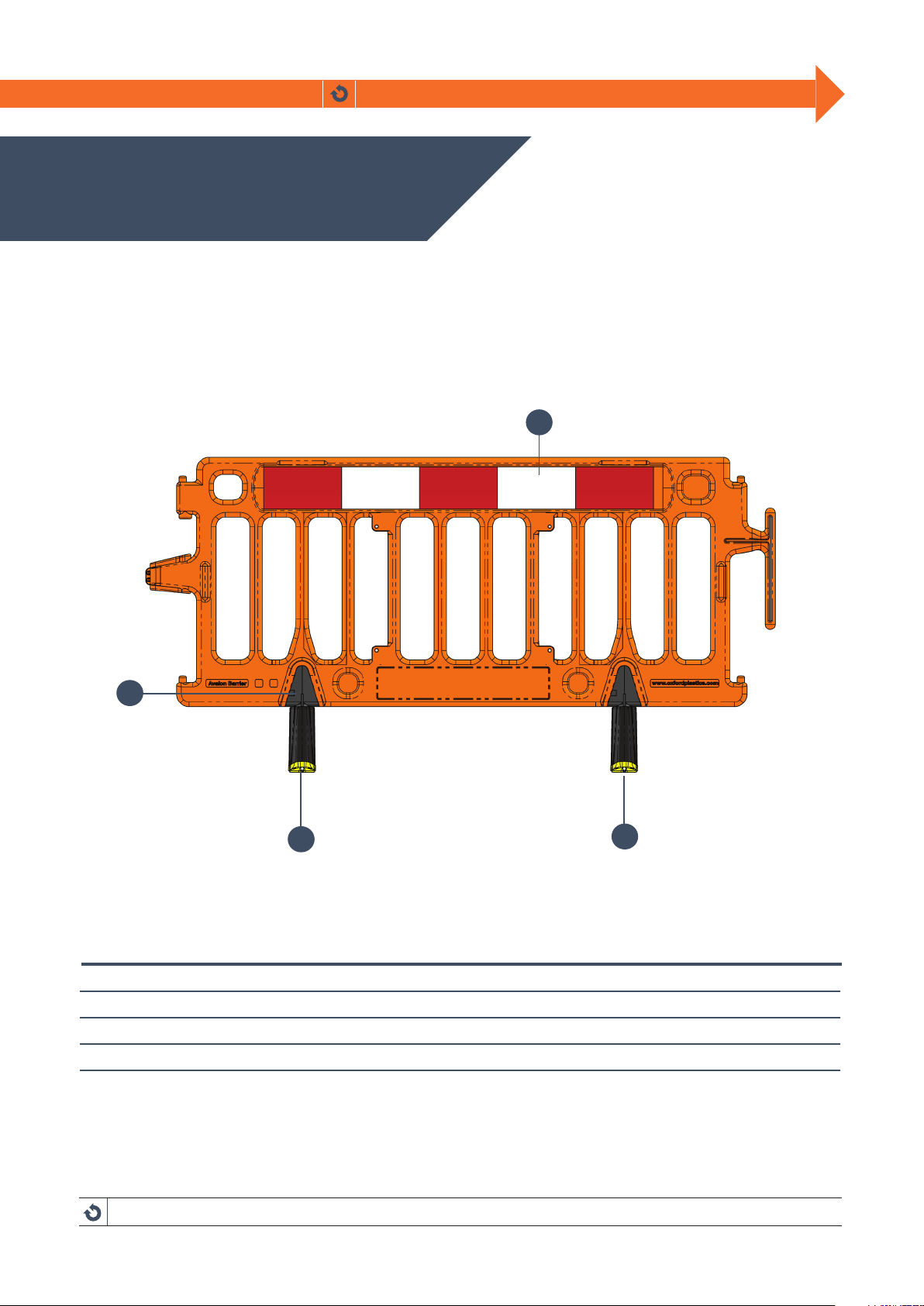
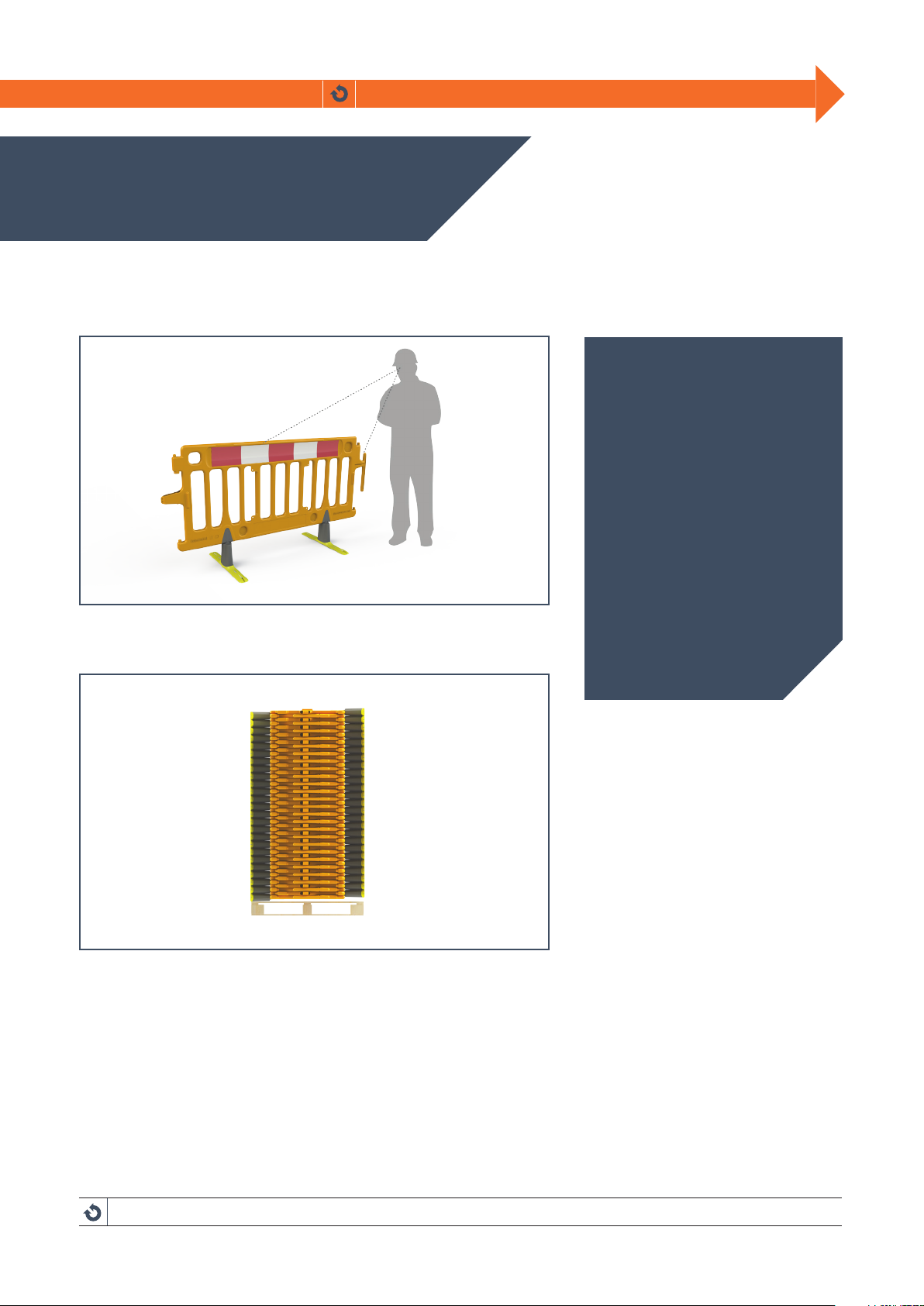
A guide to reapplying reflective strips on
Chapter 8 barriers.