manuals.online logo
Brands
  1. Home
  2. •
  3. Brands
  4. •
  5. Samoa
  6. •
  7. Water Pump
  8. •
  9. Samoa 402000 Operating manual

Samoa 402000 Operating manual

This manual suits for next models

2

Other Samoa Water Pump manuals

Samoa LARIUS SIRIO 60:1 Operating instructions
Samoa

Samoa LARIUS SIRIO 60:1 Operating instructions

Samoa LARIUS THOR Operating instructions
Samoa

Samoa LARIUS THOR Operating instructions

Samoa 561610 Operating manual

Samoa

Samoa 561610 Operating manual

Samoa LARIUS VEGA 34:1 Operating instructions

Samoa

Samoa LARIUS VEGA 34:1 Operating instructions

Samoa 300 006 How to use

Samoa

Samoa 300 006 How to use

Samoa LARIUS 4 Operating instructions

Samoa

Samoa LARIUS 4 Operating instructions
Samoa Larius SUPER NOVA 45:1 Operating instructions
Samoa

Samoa Larius SUPER NOVA 45:1 Operating instructions

Samoa PM100 Operating manual

Samoa

Samoa PM100 Operating manual

Samoa LARIUS VEGA 34:1 Operating instructions

Samoa

Samoa LARIUS VEGA 34:1 Operating instructions

Samoa 536010 Operating manual

Samoa

Samoa 536010 Operating manual

Samoa 157 000 Troubleshooting guide

Samoa

Samoa 157 000 Troubleshooting guide
Samoa LARIUS MINIPEGASO Operating instructions

Samoa

Samoa LARIUS MINIPEGASO Operating instructions

Samoa PM35 Operating manual

Samoa

Samoa PM35 Operating manual

Samoa 533911 Operating manual

Samoa

Samoa 533911 Operating manual

Samoa 560 230 How to use

Samoa

Samoa 560 230 How to use

Samoa Larius GHIBLI 26:1 EXT Operating instructions
Samoa

Samoa Larius GHIBLI 26:1 EXT Operating instructions

Samoa LARIUS GHIBLI 24:1 Operating instructions
Samoa

Samoa LARIUS GHIBLI 24:1 Operating instructions

Samoa 537 130 Operating manual

Samoa

Samoa 537 130 Operating manual

Samoa Larius Dali Liner Plus Series Operating instructions
Samoa

Samoa Larius Dali Liner Plus Series Operating instructions

Samoa Larius SUPER NOVA 68:1 Operating instructions
Samoa

Samoa Larius SUPER NOVA 68:1 Operating instructions
Samoa Larius P31 2:1 Operating instructions

Samoa

Samoa Larius P31 2:1 Operating instructions

Samoa DF50 Operating manual

Samoa

Samoa DF50 Operating manual

Samoa 561100 Troubleshooting guide

Samoa

Samoa 561100 Troubleshooting guide

Samoa PUMPMASTER 2 Operating manual

Samoa

Samoa PUMPMASTER 2 Operating manual

Popular Water Pump manuals by other brands
Watershed Innovations HYDRAPUMP SMART FLEX Instructional manual
Watershed Innovations

Watershed Innovations HYDRAPUMP SMART FLEX Instructional manual

Graco Modu-Flo AL-5M instructions

Graco

Graco Modu-Flo AL-5M instructions
Messner MultiSystem MPF 3000 operating instructions
Messner

Messner MultiSystem MPF 3000 operating instructions

Xylem Bell & Gossett WEHT0311M Installation, operation and maintenance instructions

Xylem

Xylem Bell & Gossett WEHT0311M Installation, operation and maintenance instructions

WilTec 50739 Operation manual

WilTec

WilTec 50739 Operation manual

Franklin Electric Little Giant 555702 HRK-360S instruction sheet
Franklin Electric

Franklin Electric Little Giant 555702 HRK-360S instruction sheet

Ingersoll-Rand PD02P Series Operator's manual
Ingersoll-Rand

Ingersoll-Rand PD02P Series Operator's manual

VS ZJ Series Operating	 instruction

VS

VS ZJ Series Operating instruction
Flotec FPZS50RP owner's manual

Flotec

Flotec FPZS50RP owner's manual

SKF Lincoln FlowMaster II User and maintenance instructions
SKF

SKF Lincoln FlowMaster II User and maintenance instructions

Xylem Lowara LSB Series Installation, operation and maintenance instructions

Xylem

Xylem Lowara LSB Series Installation, operation and maintenance instructions

Water Duro Pumps DCJ500 Operating & installation instructions
Water

Water Duro Pumps DCJ500 Operating & installation instructions

Action P490 Operating instructions & parts manual

Action

Action P490 Operating instructions & parts manual

Flo King Permacore Reusable Carbon Bag Disassembly. & Cleaning Instructions
Flo King

Flo King Permacore Reusable Carbon Bag Disassembly. & Cleaning Instructions

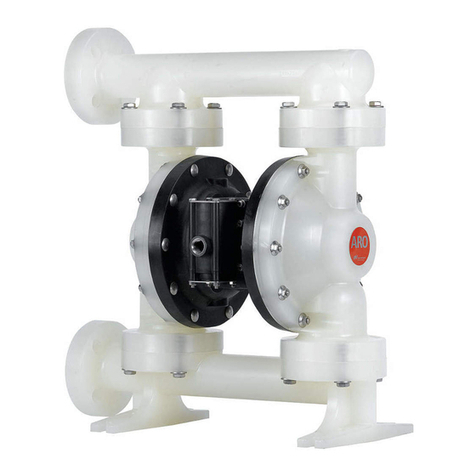
ARO ARO PD15P-X Operator's manual

ARO

ARO ARO PD15P-X Operator's manual
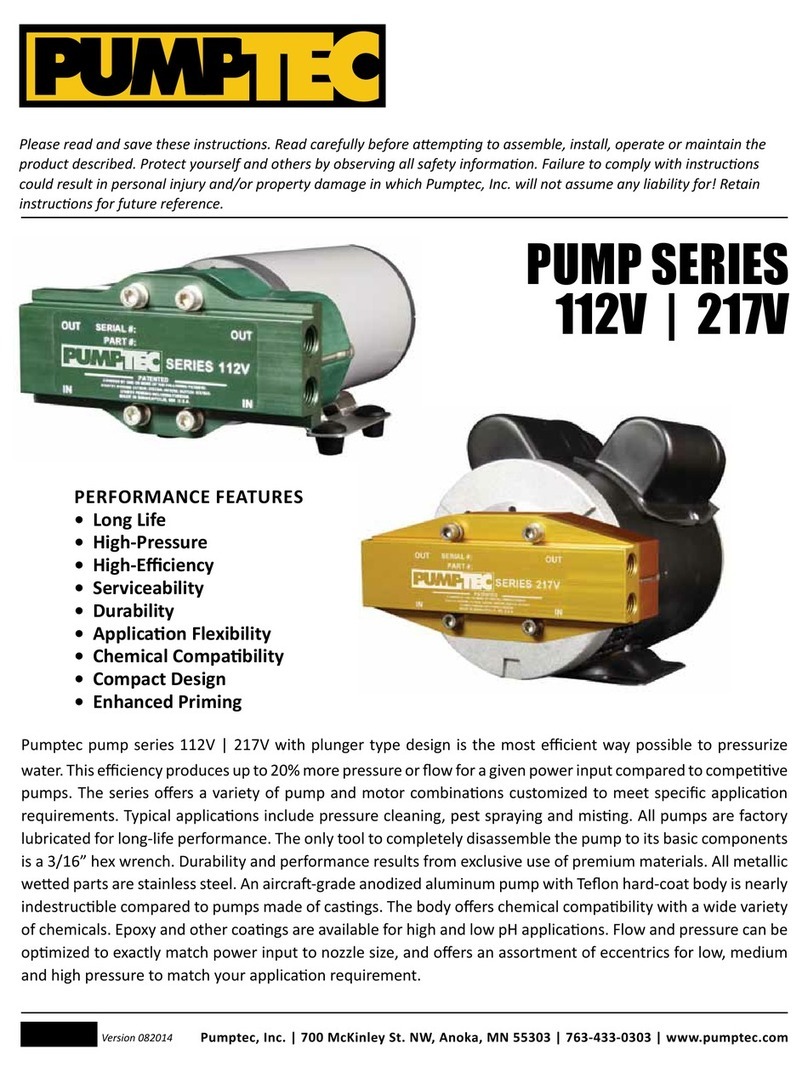
Pumptec 112V Series Operating instructions and parts manual
Pumptec

Pumptec 112V Series Operating instructions and parts manual

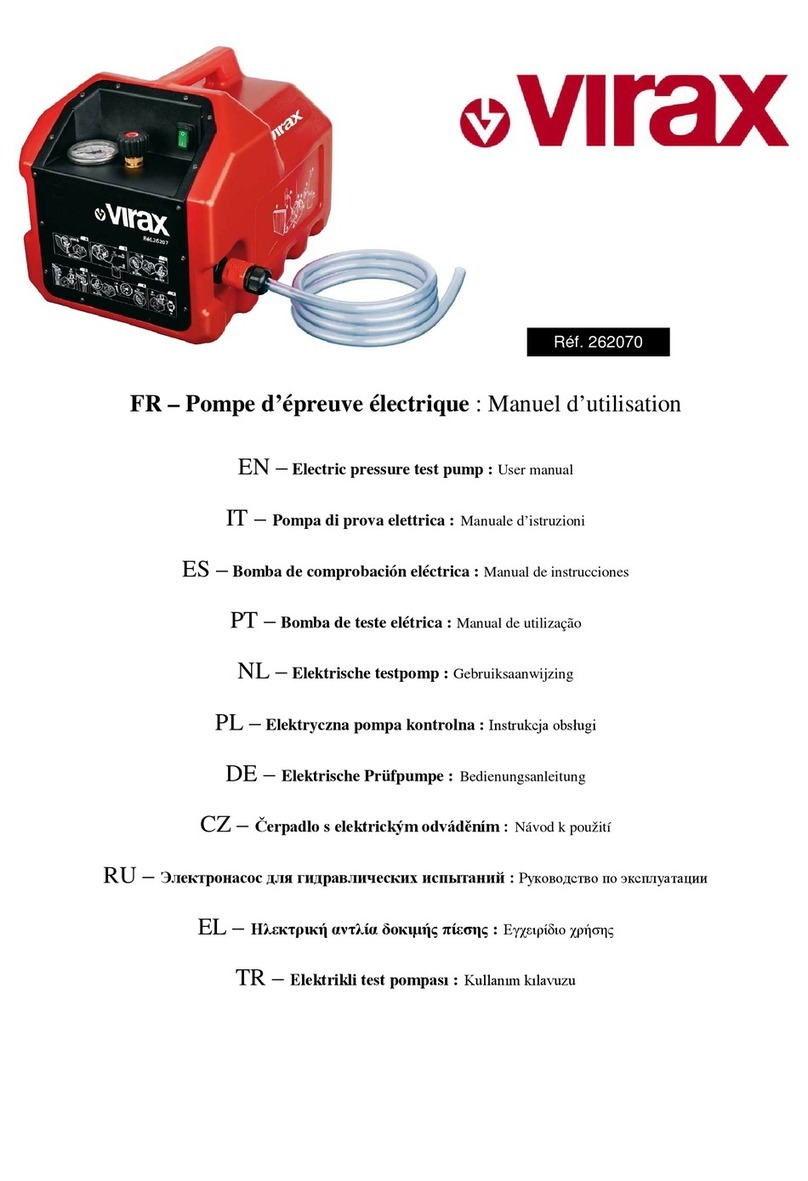
Virax 262070 user manual

Virax

Virax 262070 user manual
Neptun NPHW 5500 operating instructions
Neptun

Neptun NPHW 5500 operating instructions

manuals.online logo
manuals.online logoBrands
  • About & Mission
  • Contact us
  • Privacy Policy
  • Terms and Conditions

Copyright 2025 Manuals.Online. All Rights Reserved.

1
R. 07/12 840 806
Samoa ndustrial, S.A. · Box 103 Alto Pumarín · 33211 Gijón - Asturias Spain · Tel.: +34 985 381 488 · Fax.: + 34 985 384 163
2012_07_09-10:00
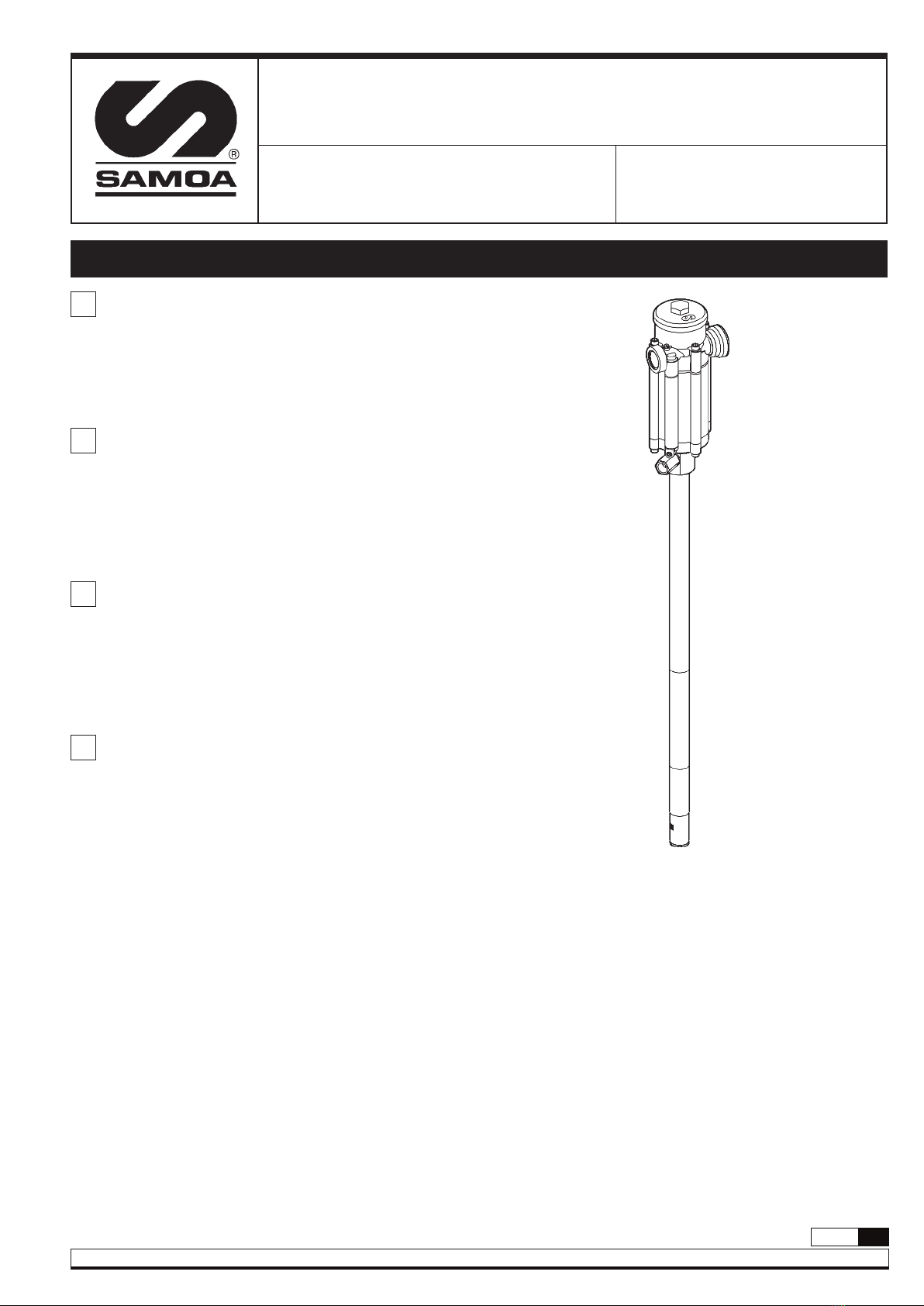
60:1 ATIO AI OPE ATED G EASE PUMP PUMPMASTE 3+3
BOMBA NEUMÁTICA DE G ASA PUMPMASTE 3+3, ATIO 60:1
POMPE PNEUMATIQUE À G AISSE PUMPMASTE 3+3, APPO T DE P ES. 60:1
D UCKLUFT-FETTPUMPE MODELL PUMPMASTE 3+3, ÜBE SETZUNG 60:1
Parts and technical service guide
Guía de servicio técnico y recambio
Guide d’instructions et pièces de rechange
Teile und technische Betriebsanleitung
Cód.:
402000
402025 402050
Descr pt on/ Descr pc ón/ Descr pt on/ Beschre bung
GB
Compressed air operated piston reciprocating pump that allows
to pump all types of mineral greases. Suitable for installations
with medium length piping to supply up to two grease outlets
simultaneously. This pump is mounted directly on 50 Kg (Part.
No. 402 000) and 185 Kg drums (Part. No. 402 025).
Bomba de pistón alternativo accionada por aire comprimido, que
permite bombear todo tipo de grasas minerales. Aplicable en
instalaciones con conducciones de longitud media para dar
servicio simultáneamente hasta a dos puntos de suministro de
grasa. La bomba se monta directamente sobre bidones de 50kg
(Ref. 402000) o de 185kg (Ref. 402025).
Pompe à piston alternatif actionnée par air comprimé. Permet de
distribuer tous types de graisses minérales. Cette pompe est
particulièrement recommandée pour des installations de distance
moyenne dotées de deux postes de distribution pouvant travailler
simultanément. La pompe est montée directement sur tonnelet
de 50 Kg (Réf : 402000) ou sur fût de 180 Kg (Réf : 402025).
Druckluftbetriebene Kolbenpumpe, geeignet für alle Mineral-
Fette. Für den Anschluß an durchschnittlich lange Leitungen und
bis zu zwei Abgabestellen. Die Pumpe wird direkt auf 50kg
(Art. Nr.: 402000) und 185kg Fässer (Art. Nr.: 402025) montiert.
E
F
D
2840 806 R. 07/12
Samoa ndustrial, S.A. · Box 103 Alto Pumarín · 33211 Gijón - Asturias Spain · Tel.: +34 985 381 488 · Fax.: + 34 985 384 163
2012_07_09-10:00
E
To install the pump on the drum, use the included bung adaptor.
Fasten the cover (418006 for 185 kg drum and 418016 for 50 kg
drum) onto the drum and screw the nut of the bung adaptor into
the 2” bung opening of the cover. nsert the pump through the
nut and fix it with the star nut to the desired height (See
figure 2).
Para instalar la bomba en el bidón, use el adaptador ajustable
suministrado con la bomba. Fije la tapa (418006 para bidón de
185 Kg. y 418016 para bidón de 50 Kg.) sobre el bidón y rosque
la tuerca del adaptador ajustable en la rosca de la tapa. nserte la
bomba por la tuerca y fíjela con la estrella a la altura deseada (Ver
figura 2).
See figure 3 for a typical installation with all the recommended
accessories for the pump to operate correctly.
NOTE: The compressed air supply must be fixed between 3 and
10 bar(40 – 140 psi), being 6 bar (90 psi) the recommended
pressure. An air closing valve must be installed, in order to be
able to close the compressed air line at the end of the day ( f the
air inlet not is closed and there is a leakage in some point of the
grease outlet circuit, the pump will start automatically, emptying
the container).
La pompe peut être installée directement sur fût à l’aide d’un
adaptateur réglable fourni avec la pompe. Fixer le couvercle
(418006 sur fût de 180 Kg et 418016 sur tonnelet de 50 Kg) sur
fût/tonnelet et serrer l’écrou de l’adaptateur ajustable au filet du
couvercle. ntroduire la pompe par l’écrou et la fixer à la hauteur
désirée à l’aide de la fausse-bonde (voir figure 2).
Die Pumpe mit dem beigefügten Adapter am Faß montieren. Den
Deckel (418006 für 185kg-Faß und 418016 für 50kg-Faß) auf dem
Faß befestigen und die Mutter des Adapters in die 2"-Öffnung des
Deckels schrauben. Die Pumpe durch die
Mutter einführen und mit der Sternschraube in der gewünschten
Höhe befestigen. (siehe Bild 2).
GB
Installat on / Instalac ón / Installat on / Installat on
Typ cal nstallat on/ Conex ón t po de la bomba/ Branchement type de la pompe/ Anschluss der Pumpe
GB
F D
A título informativo, se muestra en la figura 3 una instalación típica
con todos los elementos recomendados para su correcto
funcionamiento.
NOTA: La presión de alimentación de aire debe estar comprendida
entre 3 y 10 bar siendo 6 bar la presión recomendada. Es
aconsejable instalar, asimismo, una válvula de cierre para poder
cerrar la alimentación de aire al final de la jornada (En caso de
roturas o fugas en la salida de grasa, si la alimentación de aire no
está cerrada, la bomba la bomba se pondría en marcha
automáticamente, pudiendo vaciarse completamente el depósito.
E
Fig. 2
3
R. 07/12 840 806
Samoa ndustrial, S.A. · Box 103 Alto Pumarín · 33211 Gijón - Asturias Spain · Tel.: +34 985 381 488 · Fax.: + 34 985 384 163
2012_07_09-10:00
Typ cal nstallat on/ Conex ón t po de la bomba/ Branchement type de la pompe/ Anschluss der Pumpe
Pos Description Descripción Description Beschreibung Part No./ Cód./
Réf./ Art. Nr.
A Air closing valve Válvula de corte de aire Vanne d’arrêt pour ligne d’air Absperrventil 950319
B Filter Regulator Filtro Regulador Régulateur/filtre Filter-Regulator 241501
C Air hose Manguera de aire Flexibles de liaison air Druckluftschlauch 247710
D Quick coupling Enchufe rápido Raccord rapide Schnellkupplung 251438
E Connection nipple Conector Rápido Embout pour raccord rapide Anschlussnippel 255338
F Pump Bomba Pompe Pumpe 402025/ 402000
G Grease hose Manguera grasa Flexible graisse Fettschlauch 412392
H Grease closing valve Válvula de cierre de grasa Vanne d’arrêt pour circuit graisse Fett-Absperrventil 950304
Cover Tapa Couvercle Deckel 418006/ 418016
J Follower disc Plato seguidor Plateau suiveur Folgekolben 417004/ 417002
EGB F D
La figure 3 vous présente à titre informatif une installation typique
dotée de tous les éléments recommandés pour son bon
fonctionnement.
NOTE : La pression d’alimentation en air doit être comprise entre
3 et 10 bar sachant que la pression recommandée est de 6 bar. l
est également vivement conseillé d’installer une vanne d’arrêt afin
de pouvoir fermer à tout moment l’alimentation en air et éviter
ainsi tout risque d’incidents malheureux. En effet, en cas de fuite
ou de rupture au niveau de la sortie de graisse et si
malencontreusement l’alimentation en air n’a pas été coupée, la
pompe se mettrait dans ce cas automatiquement en marche
tandis que le fût risquerait de se vider entièrement.
F
Bild 3 zeigt die nstallation aller empfohlenen Teile, die für ein
einwandfreies Funktionieren der Pumpe erfolderlich sind.
ACHTUNG: Die Druckluftzufuhr muß zwischen 3 und 10 bar
liegen. Der ideale Druck liegt bei 6 bar. Ein Absperrventil sollte
unbedingt eingebaut werden, damit die Luftzufuhr jederzeit
abgestellt werden kann, insbesondere bei Arbeitsschluß. ( st die
Luftzufuhr nicht geschlossen, kann es bei einem Leck im System
zum automatischen Anlaufen der Pumpe und dadurch bis zum
völligen Entleeren des Behälters kommen).
D
Fig. 3
4840 806 R. 07/12
Samoa ndustrial, S.A. · Box 103 Alto Pumarín · 33211 Gijón - Asturias Spain · Tel.: +34 985 381 488 · Fax.: + 34 985 384 163
2012_07_09-10:00
Operat on/ Modo de empleo/ Mode d’emplo / Handhabung
GB
This pump is self–priming. To prime it the first time, connect the air supply to the pump while keeping the outlet gun opened, and
increase the air pressure from 0 to the desired pressure by using a pressure regulator. Once grease starts flowing through all the
outlets, the pump is primed.
The pump starts to pump when the outlet valve is opened, for example a grease control gun.
NOTE: t is important that the lower valve does not get in contact with dirty areas, such as a workshop floor, because it may enter
dirt or foreign particles that can damage the pump mechanism.
E
Esta bomba es auto-cebante. Para cebarla la primera vez, conectar el aire a la bomba manteniendo abierto la pistola de salida,
incrementando la presión lentamente desde 0 bar a la presión deseada con el regulador de presión. La bomba está cebada cuando
grasa sale por todas las salidas.
La bomba empieza a bombear cuando se abre la válvula de salida, por ejemplo una pistola de control de grasa.
NOTA: Es importante que la válvula de pie no esté en contacto con zonas sucias, tales como el suelo del taller, porque puede
ensuciarse con virutas o partículas que podrían llegar a dañar el mecanismo de la bomba.
F
Cette pompe est auto-amorçante. Pour l’amorcer pour la première fois, maintenir tout d'abord le pistolet de sortie ouvert, brancher
l’air à la pompe tout en augmentant lentement la pression à partir de 0 bar jusqu’à atteindre la pression désirée à l’aide du régulateur
de pression. La pompe sera donc amorcée dès que la graisse sortira par toutes les sorties.
Cette pompe commence à produire dès que la vanne d’arrêt est ouverte ou lorsque par exemple la poignée de distribution graisse
est branchée.
NOTE : l est primordial que le clapet de pied ne soit pas en contact avec des impuretés qui pourraient nuire le mécanisme de la
pompe.
D
Die Pumpe ist selbststartend. Zum ersten Starten die Luftzufuhr anschliessen und den Fettauslauf offen lassen. Langsam den Druck
mit Hilfe des Manometers von 0 auf den benötigten Druck erhöhen. Sobald Fett an allen Auslaufstellen austritt, ist die Pumpe in
Funktion. Sie beginnt zu arbeiten, sobald ein Abgabeventil geöffnet wird, z. B. eine Fettpistole.
ACHTUNG: Es ist wichtig, daß das Fussventil nicht mit Schmutz in Berührung kommt, z. B. Werkstattboden. Dies kann zu ernsthaften
Beschädigungen an den Dichtungen führen.
5
R. 07/12 840 806
Samoa ndustrial, S.A. · Box 103 Alto Pumarín · 33211 Gijón - Asturias Spain · Tel.: +34 985 381 488 · Fax.: + 34 985 384 163
2012_07_09-10:00
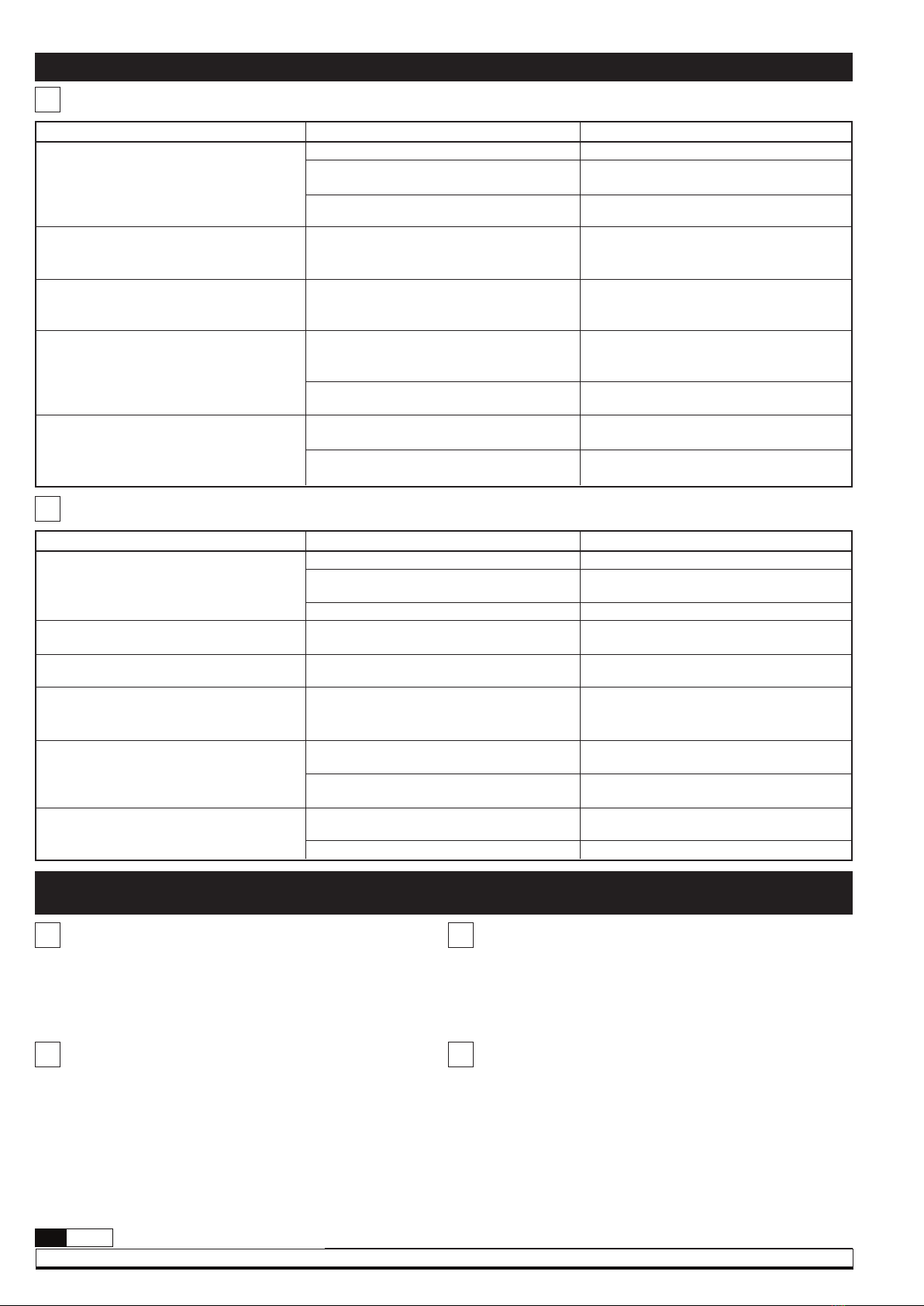
Troubleshoot ng/ Anomalías y sus soluc ones/ Anomal es et solut ons/ Probleme und deren Lösung
Symptoms
The pump is not working or there is no
fluid delivery.
The pump begins to operate very fast.
The pump keeps on operating although
the grease outlet is closed.
Grease leakage through the air outlet
muffler.
Air leakage through the air outlet muffler.
Decrease of the grease delivery.
Possible easons
No suitable air supply pressure.
Some outlet circuit element is clogged or
closed.
There is an air pocket in the grease inlet
area.
The drum is empty or the grease level is
beneath the suction tube inlet.
There is a grease leakage in some point of
the circuit.
Grease has passed over to the air motor
caused by worn or damaged packing set.
The O-rings of the distributor axle (21) or
the bushing (16) worn or damaged.
The inverter O-rings are worn or damaged.
Dirt in upper valve or foot valve.
Dirt in muffler (18).
Solutions
ncrease the air supply pressure.
Clean or open the outlet circuit.
Compact the grease.
Replace the drum or insert the suction
tube until it reaches the grease level.
Verify and tighten or repair.
Replace the packing set (repair kit).
Replace the axle assembly (21) and/ or
the bushing assembly (16).
Replace the inverter O-rings.
Dismount and clean, replace if damaged.
Clean or replace the muffler (18).
GB
Síntomas
La bomba no funciona o no hay entrega
de grasa
La bomba empieza a bombear mucho
más deprisa.
La bomba sigue funcionando aunque se
cierre la salida de grasa.
Pérdida de grasa por el silenciador de
escape de aire.
Pérdida de aire por el silenciador de
escape de aire.
Disminución del caudal de impulsión.
Posibles causas
Presión de suministro de aire no adecuada
Algún elemento del circuito de salida está
obstruido o cerrado.
Se ha creado bolsas de aire alrededor de la
zona de succión de la bomba.
El bidón esta vacío o el nivel de grasa esta por
debajo de la entrada de grasa de la bomba.
Existe fuga de grasa en algún punto del
circuito.
La grasa ha pasado al motor de aire
causado por desgaste o deterioro del
conjunto empaquetadura.
Juntas tóricas del eje (21) o la camisa (16)
del distribuidor gastadas o dañadas.
Las juntas de la varilla de inversión
gastadas o dañadas.
Válvula de pie o válvula superior con
impurezas.
Silenciador(18) con impurezas.
Soluciones
ncremente la presión del aire de
suministro
Limpie o abra el circuito de salida.
Compacte la grasa.
Sustituya el bidón o calar el tubo de
succión hasta llegar a la grasa.
Verifique y apriete o reparare.
Sustituya el conjunto empaquetadura (kit
de reparación).
Sustituya el conjunto eje (21) o/ y el
conjunto camisa (16) del distribuidor.
Sustituya las juntas de la varilla de
inversión(24).
Desmonte y limpie. Sustituta en caso de
deterioro.
Limpie o sustituya el silenciador (18).
E
6840 806 R. 07/12
Samoa ndustrial, S.A. · Box 103 Alto Pumarín · 33211 Gijón - Asturias Spain · Tel.: +34 985 381 488 · Fax.: + 34 985 384 163
2012_07_09-10:00
Troubleshoot ng/ Anomalías y sus soluc ones/ Anomal es et solut ons/ Probleme und deren Lösung
Symptômes
La pompe ne fonctionne pas ou ne
distribue pas de graisse.
La pompe commence à fonctionner plus
vite qu’elle ne devrait.
Fuite de graisse au niveau du silencieux
de sortie d’air.
Fuite d’air au niveau des silencieux de
sortie d’air.
Diminution du débit d’impulsion.
Causes possibles
Problème au niveau de la pression d’air.
Un des éléments du circuit de sortie est
bouché ou fermé.
Une poche d’air s’est formée au niveau de
la zone d’aspiration de la pompe.
Le réservoir est vide ou le niveau de
graisse est inférieur à celui d’entrée de
graisse de la pompe.
La graisse s’est introduite au niveau du
moteur d’air en raison de l’usure voire même
de la rupture de l’ensemble porte-joints.
Les joints toriques de l’axe (16) ou du
manchon (21) du distributeur sont usés
ou abîmés.
Les joints de la tige d’inversion sont usés
ou abîmés.
Présence d’impuretés au niveau du clapet
de pied.
Présence d’impuretés au niveau du
silencieux (18).
Solutions
Augmenter la pression d’air de distribution.
Nettoyer ou ouvrir le circuit de sortie.
Compacter la graisse.
Remplacer le fût/ tonnelet ou caler le tube
d’aspiration jusqu’à atteindre la graisse.
Remplacer l’ensemble porte-joints (kit de
réparation).
Remplacer l’axe du distributeur (21) et/
ou le manchon du distributeur (16).
Remplacer les joints.
Démonter et nettoyer. Remplacer la pièce
si cette dernière est endommagée.
Démonter et nettoyer. Remplacer le
silencieux (18) si nécessaire.
F
Symtome
Die Pumpe arbeitt nicht oder fördert kein
Fett.
Die Pumpe arbeitet schneller.
Die Pumpe arbeitet wieder, obwohl der
Auslauf geschlossen ist.
Fettverlust am Schalldämpfer.
Luftverlust am Schalldämpfer.
Fettförderung reduziert.
mögl. Ursache
Luftdruckprobleme.
Eine Auslaufleitung ist verstopft oder
geschlossen.
Luftblasen im Fett.
Das Faß ist leer, Fettpegel zu neidrig,
Saugrohr zu kurz.
Undichte Stellen im System.
Fettverlust in den Luftmotor verursacht
durch abgenutzte oder beschädigte
Dichtungen
Die O-Ringe der Verteiler-Achse (21) oder
Buchse (16) sind unbrauchbar.
Die O-Ringe im Umkehrschalter sind
unbrauchbar.
Schmutz im oberen Ventil oder im
Fußventil.
Schmutz im Schalldämpfer (18).
Lösung
Luftdruck erhöhen.
Reinigen oder öffnen.
Fett verfestigen.
Faß tauschen oder Saugrohr tiefer setzen.
Prüfen, abdichten, evtl. reparieren.
Dichtungssatz austauschen.
Die Achse (21) und/oder die Buchse (16)
komplett ersetzen.
O-ringe ersetzen.
Zerlegen, reinigen, falls beschädigt,
ersetzen.
Reinigen oder ersetzen.
D
Repa r and clean ng procedure/ Proced m entos de reparac ón y l mp eza/
Instruct ons de réparat on et de nettoyage/ Reparatur- und Re n gungsanle tung
GB
WARN NG: Before starting any kind of maintenance or repairing,
disconnect the compressed air supply and action the valve to
relieve the grease pressure.
E
ATENC ÓN: Antes de empezar cualquier tipo de mantenimiento o
reparación, desconecte el aire de alimentación y accione la válvula
de salida para soltar la presión de la grasa.
F
ATTENT ON: Avant de commencer toute opération de nettoyage
ou d’entretien, il faut obligatoirement débrancher l’alimentation
en air et actionner la vanne de sortie pour relâcher toute la
pression de la graisse.
D
ACHTUNG: Vor Beginn jeglicher Arbeiten am Gerät die Luftzufuhr
abschalten und das Auslaufventil öffnen, um den Fettdruck
abzubauen.
7
R. 07/12 840 806
Samoa ndustrial, S.A. · Box 103 Alto Pumarín · 33211 Gijón - Asturias Spain · Tel.: +34 985 381 488 · Fax.: + 34 985 384 163
2012_07_09-10:00
GB
Attach the pump to a vice in horizontal position, grabbing it by
the suction tube.
Unthread the filter fixing (73) prime tube (69), remove the filter
(72), unthread the screw (71) and remove the prime (70) (Fig. 4).
Unthread the air motor from the suction tube and pull out the
air motor until the pin get visible (Fig. 5).
Remove the pin and unthread the rod until it is loosened (Fig. 6).
E
Fije la bomba en una mordaza agarrando por el tubo de
aspiración con la bomba en posición horizontal.
Desenrosque la fijación filtro (73) del tubo cebador (69), quite el
filtro (72), desenrosque la tuerca (71) y quite el cebador (70) (Fig. 4).
Desenrosque el motor de aire del tubo de aspiración y tire el motor
de aire hacia fuera hasta que quede visible el pasador (Fig. 5).
Quite el pasador con botador y desenrosque el eje de conexión
hasta soltarse (Fig. 6).
F
Placer la pompe à l’horizontale et tenir le tube d’aspiration de
cette dernière à l’aide d’un établi.
Dévissez la fixation du filtre (73) du tube principal (69), retirer le
filtre
(72), dévisser l'écrou (71) et enlever l’amorceur (70) (Fig. 4).
Desserrer le tube d’aspiration du corps de la pompe et tirer ce
dernier jusqu’à atteindre le goujon (Fig. 5).
Retirer le goujon à l’aide d’un repoussoir et desserrer l’axe de
connexion jusqu’à ce que ce dernier se lâche (Fig. 6).
D
Die Pumpe auf einer Werkbank waagrecht am Saugrohr in einen
Schraubstock spannen.
Die Filterhalterung (73) vom Ansaugrohr (69) abschrauben, den
Filter (72) ausbauen, die Mutter (71) abschrauben und das
Ansaugventil (70) entfernen (Abb. 4).
Den Luftmotor vom Saugrohr abschrauben und herausziehen, bis
der Stift sichtbar ist (Bild 5).
Den Stift entfernen und die Gewindestange abschrauben, bis sie
abnehmbar ist (Bild 6).
Repa r and clean ng procedure/ Proced m entos de reparac ón y l mp eza/
Instruct ons de réparat on et de nettoyage/ Reparatur- und Re n gungsanle tung
Separate the a r motor from the pump/ Como separar el motor de a re de la bomba/
Comment séparer le moteur d’a r de la pompe/ Trennen des Luftmotors von der Pumpe
Fig. 4
Fig. 5
Fig. 6
69
8840 806 R. 07/12
Samoa ndustrial, S.A. · Box 103 Alto Pumarín · 33211 Gijón - Asturias Spain · Tel.: +34 985 381 488 · Fax.: + 34 985 384 163
2012_07_09-10:00
Repa r and clean ng procedure/ Proced m entos de reparac ón y l mp eza/
Instruct ons de réparat on et de nettoyage/ Reparatur- und Re n gungsanle tung
A r d str butor/ D str bu dor de a re/ D str buteur d’a r/ Luftverte ler
GB
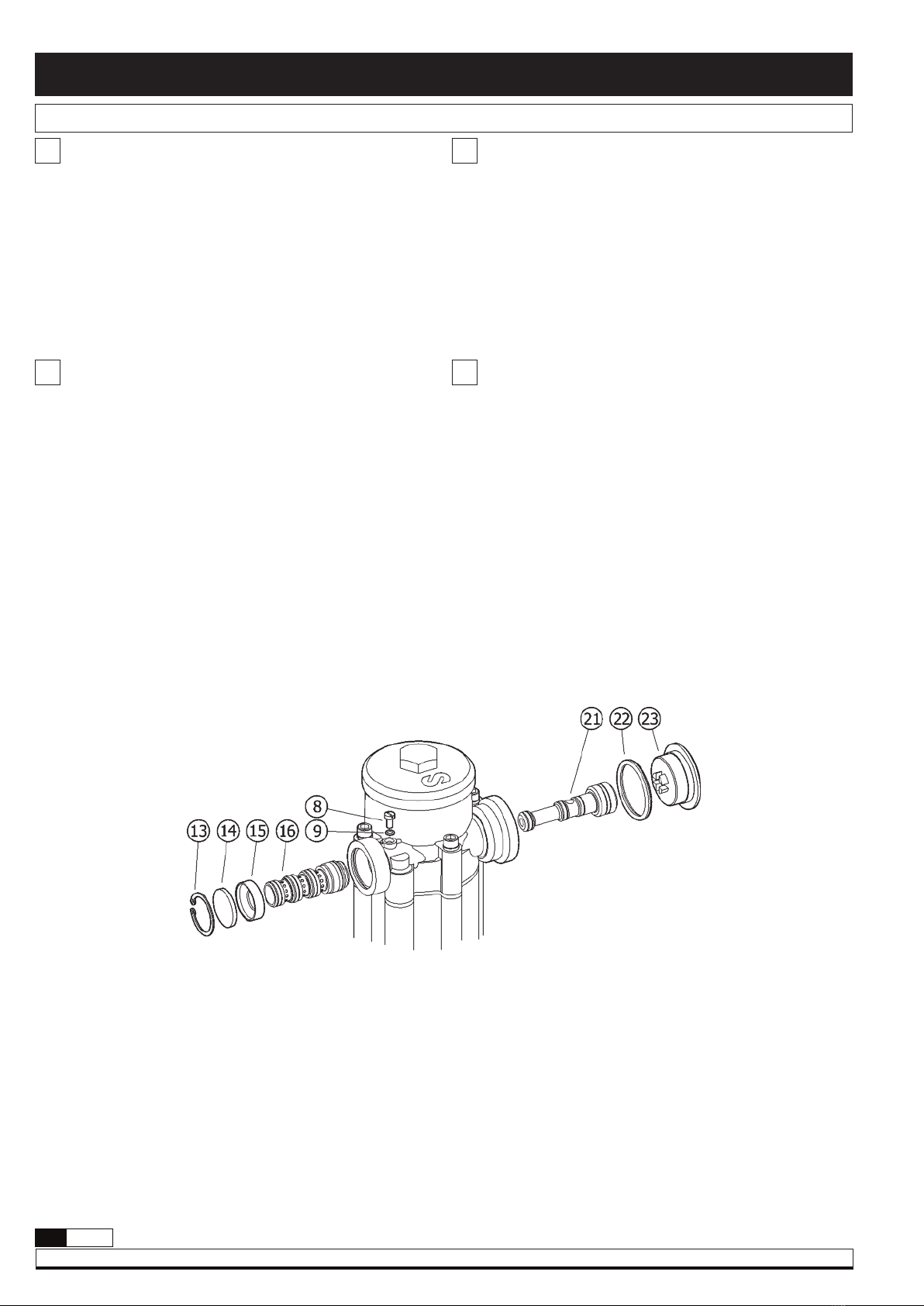
Unthread the plug (23) and remove the circlip (13), the muffler
(14) and the muffler support (15).
Remove the distributor axle (21) (fig. 7).
Unthread the screw (8) completely and remove the distributor
bushing (16) carefully.
Lubricate the new distributor bushing with its O-rings, insert it
from the side of the plug (23) and hold something to stop it at
the side of the muffler(14). Be very careful so that the bushing
does not get damaged.
Assemble the rest following previous instructions, reversing each step.
E
Desenrosque el tapón (23) y quite el anillo seguridad (13), el
silenciador (14) y el suplemento filtro(15).
Quite el eje distribuidor (21) (Fig. 7).
Suelte el tornillo (8) por completo y use un botador para
cuidadosamente quite la camisa del distribuidor (16).
Lubrique y coloque la nueva camisa con sus juntas, insertándola
desde el lado del tapón (23), teniendo un tope en el lado del
silenciador(14). Procure no dañar la camisa.
Vuelva a montar el resto en orden contrario.
Desserrer le bouchon (23) et retirer l’anneau de sécurité (13), le
silencieux (14) ainsi que la portée du filtre (15).
Démonter l’axe du distributeur (21) (Fig. 7).
Dévisser totalement la vis (8) et retirer soigneusement le
manchon du distributeur (16) à l’aide d’un repoussoir.
Lubrifier et placer le nouveau manchon ainsi que ses joints
toriques en l’introduisant sur le côté du bouchon (23), en tenant
compte de la butée du silencieux (14) et en prenant soin de ne
pas l’endommager.
Remonter la pompe en suivant le processus inverse.
D
Die Verschlusskappe (23) abschrauben und den Sicherheitsring
(13), den Dämpfer (14) und die Dämpferhalterung (15)
entfernen.
Die Verteilerachse (21) entfernen (Bild 7).
Die Schrauben (8) vollständig lösen und die Verteilerbuchse (16)
vorsichtig entfernen.
Die neue Verteilerbuchse mit ihren O-Ringen schmieren und sie
auf der Seite der Verschlusskappe (23) einsetzen, gut halten und
bis zum Dämpfer(14) schieben. Darauf achten, daß die
Verteilerbuchse nicht beschädigt wird.
Den Rest gemäß dieser Anleitung in umgekehrter Reihenfolge
zusammenbauen (Bild 6).
F
Fig. 7
9
R. 07/12 840 806
Samoa ndustrial, S.A. · Box 103 Alto Pumarín · 33211 Gijón - Asturias Spain · Tel.: +34 985 381 488 · Fax.: + 34 985 384 163
2012_07_09-10:00
Repa r and clean ng procedure/ Proced m entos de reparac ón y l mp eza/
Instruct ons de réparat on et de nettoyage/ Reparatur- und Re n gungsanle tung
Clean the muffler/ L mp ar el s lenc ador/ Comment nettoyer le s lenc eux/ Re n gung des Dämpfers
GB
Unthread the filter plug (19) and remove the muffler (18).
Clean the muffler carefully and replace it in its position; thread
the plug (19).
E
Desenrosque la tuerca de fijación (19) y quite el silenciador (18).
Limpie el silenciador (18) bien y vuelva a colocarlo en su posición;
rosque la tuerca de fijación (19).
Desserrer l’écrou de fixation (19) et retirer le silencieux (18).
Bien nettoyer le silencieux (18) et le replacer; serrer l’écrou de
fixation (19).
D
Die Filterkappe (19) abschrauben und den Dämpfer (18)
entfernen.
Den Dämpfer vorsichtig reinigen und ihn wieder einsetzen. Die
Filterkappe (19) wieder aufschrauben.
F
Fig. 8
10 840 806 R. 07/12
Samoa ndustrial, S.A. · Box 103 Alto Pumarín · 33211 Gijón - Asturias Spain · Tel.: +34 985 381 488 · Fax.: + 34 985 384 163
2012_07_09-10:00
Repa r and clean ng procedure/ Proced m entos de reparac ón y l mp eza/
Instruct ons de réparat on et de nettoyage/ Reparatur- und Re n gungsanle tung
A r motor seals/ Juntas del motor de a re/ Les jo nts du moteur d’a r/ Luftmotor-D chtungen
GB
Unthread the plug (1) and remove the cover (2). Unthread the
nut (3) and remove the washer (4), the guide ring (5) and the air
escape ring (11) with their O-rings, and the washers (10).
Unthread the screws (20) and remove the inverter head (17).
Unthread the inverter rod (24) and remove the O-rings (6).
Unthread the screws (37), remove the air cylinder (28) and take
out the piston assembly (25, 32 and 40).
Replace the damaged parts and assemble following previous
instructions, reversing each step.
E
Desenrosque el tapón superior (1) y quite la tapa (2).
Desenrosque la tuerca (3) y quite la arandela (4), el anillo guía (5)
y el anillo escape (11) con sus juntas tóricas, y quite las arandelas
(10).
Desenrosque los tornillos (20) y quite la cabeza de inversión (17).
Desenrosque la varilla de inversión(24) y quite las juntas tóricas (6).
Desenrosque los tornillos (37), quite el cilindro de aire (28) y
extraiga el conjunto embolo (25, 32 y 40).
Sustituya las piezas dañadas y vuelva a montar en orden contrario.
Desserrer le bouchon supérieur (1) et retirer le couvercle (2).
Desserrer l’écrou (3) et retirer la rondelle (4), l’anneau guide (5)
ainsi que l’anneau d’échappement (11) avec leurs joints toriques.
Retirer aussi les rondelles (10).
Dévisser les vis (20) et retirer la tête d’inversion (17).
Desserrer la tige d’inversion (24) et retirer les joints toriques (6).
Dévisser les vis (37), retirer le cylindre d’air (28) et sortir
l’ensemble piston (25, 32 et 40).
Remonter le tout en suivant le processus inverse.
D
Die Schraube (1) lösen und den Deckel (2) abnehmen. Die
Mutter (3) abschrauben, die Beilagscheibe (4), den Führungsring
(5), den Entlüfterring (11) mit den O-Ringen und Beilagscheiben
(10) entfernen.
Die Schrauben (20) lösen und den nverterkopf (17) entfernen.
Die nverter-Gewindestange (24) abschrauben und die O-Ringe
(6) entfernen.
Die Schrauben (37) lösen, den Luftzylinder (28) entfernen und
den kompletten Kolben (25,32 und 40) herausnehmen.
Die beschädigten Teile ersetzen und wieder gemäß dieser
Anleitung in umgekehrter Reihenfolge zusammenbauen.
F
Fig. 9