14
ACACACACACACACACACACCACACACACACACACACACA15
ACACACACACACACACACACCACACACACACACACACACA
• Clean the brew head by wiping with a damp cloth. With use, coffee
grounds may build up in the brew head where the portafilters are placed.
If necessary, remove coffee grounds with a wooden pick or cotton swab.
2. Maxi Cappuccino steam wand and attachment
• It is important to clean these parts after each use to prevent hardened
milk from becoming deposited.
• Clean only when the chrome wand is cool; wipe wand clean with a soft,
damp cloth.
• Unscrew the black attachment from the wand; rinse with warm water,
using mild soap, if necessary.
• For added cleaning, place a large cup underneath the steam wand; pull
steam lever forward to release steam for a few seconds.
• Re-screw the black attachment until tightened. If necessary, clean the
hole where the steam flows through with a pin.
3. Drip tray and grid
• Carefully pull out drip tray and empty accumulated liquid.
• Wash periodically with a non-abrasive sponge and mild soap.
4. Water tank
• Periodically clean the inside of the water tank with a sponge or
damp cloth.
Important: Never immerse espresso maker in water or any other liquid.
Never clean appliance under running water. Never use scouring agents.
SAFE OPERATION OF YOUR ESPRESSO MAKER
• Do not use espresso maker without water because the pump will burn.
• Disconnect the appliance from the wall outlet before filling with water.
• Do not leave the espresso maker at a room temperature less than 32˚F
because the water remaining in the boiler could freeze and cause damage.
• Do not leave cord in its housing during use. It must be completely unwound.
• The cord must not touch any hot parts of the espresso maker.
• Do not touch the portafilter or the metal steam wand when operating the
espresso maker because they may cause burns.
•Use extreme caution when using hot steam.
• Always unplug from outlet when not in use and before cleaning.
TROUBLESHOOTING
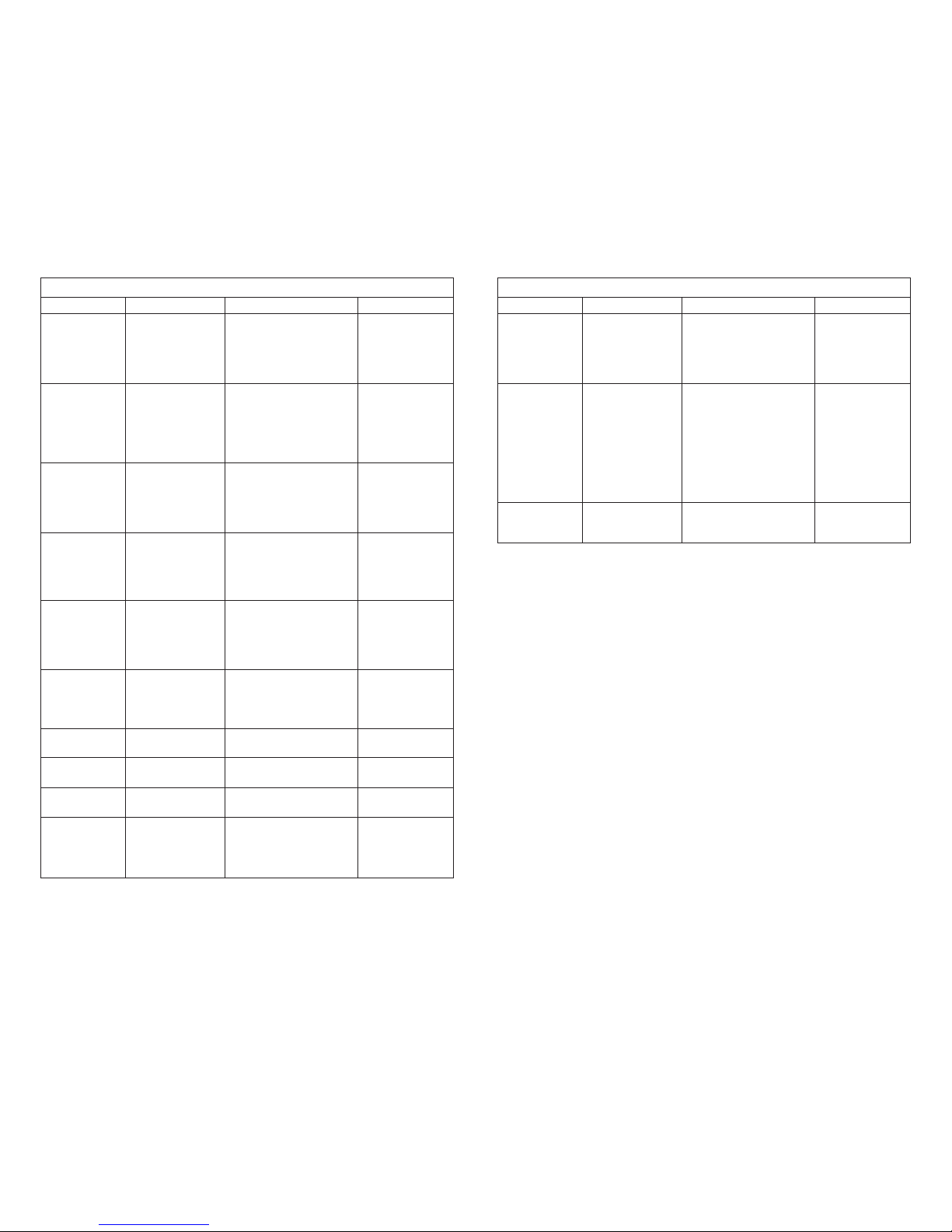
PROBLEM CAUSE SOLU T ION
Make sure the tank is properly inserted and
that the water level is not below the MIN
level. Before brewing coffee again, run a
hot water rinse through the machine.
Use a pin to unclog the wand.
Make sure there is adequate water in the
water tank.
Pour out and refill the portafilter with the
correct amount of ground coffee. Check to
make sure there are no residual grounds along
the edge of the filter. If problem persists, go
to an Authorized Assistance Center.
Check the portafilter containing the ground
coffee. If the holes are clogged, clean them
with a brush, or use a utensil to hold the
filter over a gas burner for a few seconds.
The grounds will burn, unclogging the holes.
Operate the espresso maker without the
portafilter to make the water flow. If the
water still does not flow out uniformly
from all the holes, the disc in the brew
head must be clogged. You will need to go
to an Authorized Assistance Center to have
it cleaned.
Be sure the water tank is inserted and
filled correctly.
A more finely ground blend of coffee must
be used to obtain a more concentrated and
hotter coffee. The problem may be eliminated
by using the Thermocream®disc, which
always ensures an extremely hot coffee and
rich crema, even with coarsely ground coffee.
Air has possibly entered the circuit
and deactivated the pump.
Wand could be clogged or no
water in tank.
An excess amount of ground
coffee may have been placed in
the portafilter, preventing it from
being properly secured to the
brew head.
It is possible that fat or lime
residues that have accumulated
over a few months of use, are
obstructing the disc in the brew
head. There could also be
an insufficient amount of water
and the pump does not suction.
The blend has been ground too
coarsely.
The espresso maker
does not supply
boiling water for
making tea.
The espresso maker
does not supply
steam.
Coffee is overflowing
from the edges of the
portafilter.
Output of the first
coffee does not occur
or occurs too slowly.
The coffee is too
watery and cold.