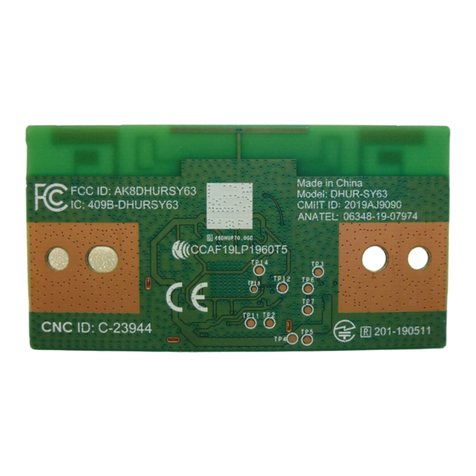
NFC module Delivery Specification 8 V0.9
This device has been tested and found to comply with the limits for a Class B digital device,
pursuant to Part 15 of the FCC Rules. These limits are designed to provide reasonable protection
against harmful interference in a residential installation. This equipment generates, uses and can
radiated radio frequency energy and, if not installed and used in accordance with the instructions,
may cause harmful interference to radio communications. However, there is no guarantee that
interference will not occur in a particular installation If this equipment does cause harmful
interference to radio or television reception, which can be determined by turning the equipment off
and on, the user is encouraged to try to correct the interference by one or more of the following
measures:
–Reorient or relocate the receiving antenna.
–Increase the separation between the equipment and receiver.
–Connect the equipment into an outlet on a circuit different from that to which the receiver is
connected.
–Consult the dealer or an experienced radio/TV technician for help.
Changes or modifications not expressly approved by the party responsible for compliance could
void the user‘s authority to operate the equipment.
This transmitter must not be co-located or operating in conjunction with any other antenna or
transmitter.
Module Integration Restriction:
This device is intended only for OEM integrators under the following conditions:
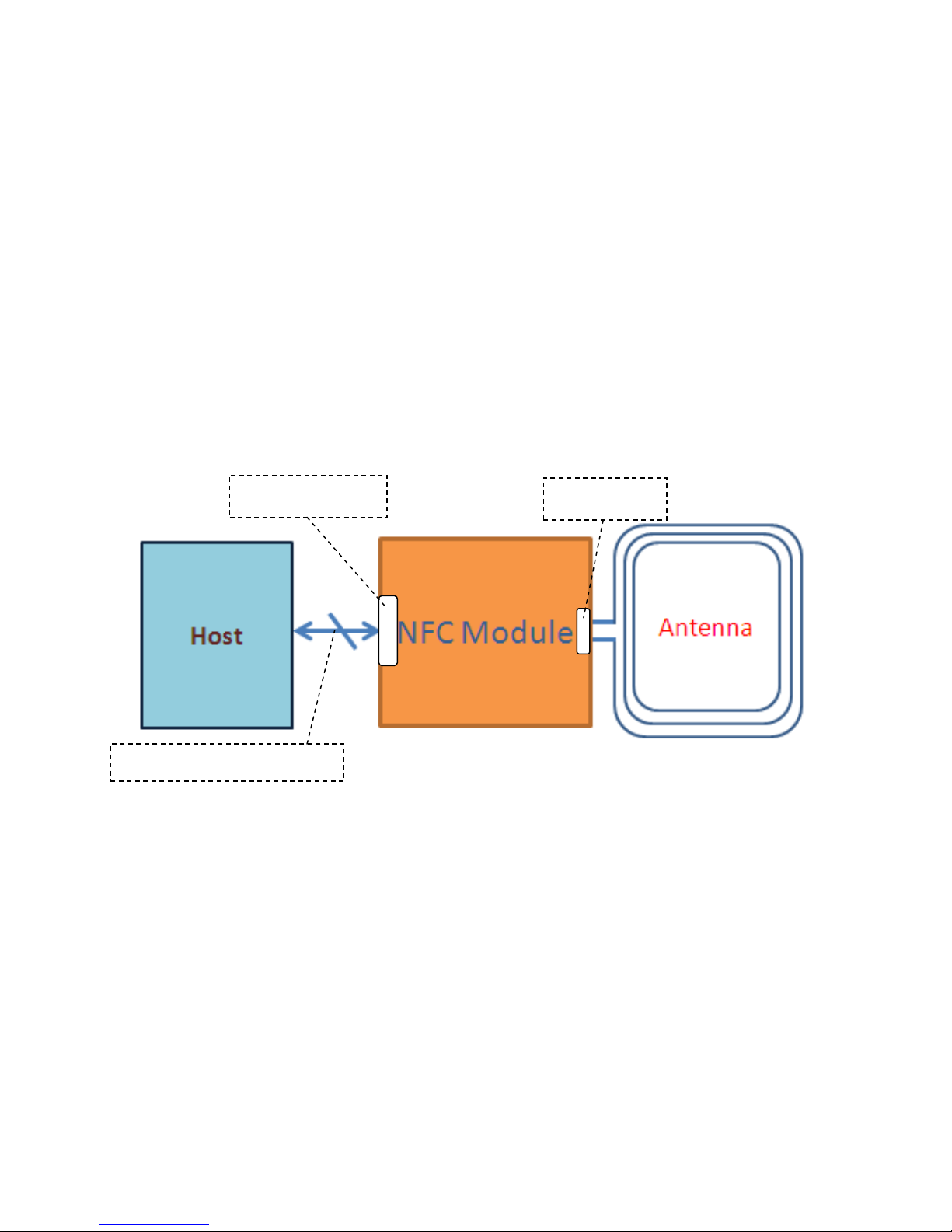
(1) The antenna must be installed such that 20 cm is maintained between the antenna and users,
(2) The transmitter module may not be co-located with any other transmitter or antenna.
(3) The Loop antenna was verified in the conformity testing. Radiated transmit power must be equal to
or lower than that specified in the FCC/IC Grant of Equipment Authorization for FCC ID: NKR-XRAV1
and IC: 4441A-XRAV1. A separate approval is required for all other antenna type, or higher gain
antenna.
In the event that these conditions cannot be met (for example certain laptop configurations or
co-location with another transmitter), then the FCC/IC authorization is no longer considered valid and
the FCC ID/IC ID cannot be used on the final product. In these circumstances, the OEM integrator will
be responsible for re-evaluating the end product (including the transmitter) and obtaining a separate
FCC/IC authorization.