USING THE SCALE FOR TRACKING PROGRESS
Weight Fluctuations
A scale measures your total body weight, which includes bone, muscle,
fat, and water. Weight can uctuate day-to-day (and during the day) due to
a number of factors. For example:
• High salt intake can increase the body’s retention of water, which may
temporarily increase the weight.
• Dehydration from exercise, illness or low uid intake can cause temporary
weight loss.
• Hormonal changes during the menstrual cycle can cause increased water
retention leading up to the period – resulting in temporary weight gain.
Scale Readings
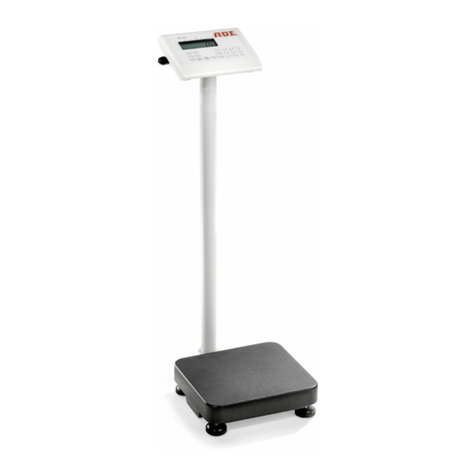
Because weight can uctuate over very short periods, it is advisable not to
place too much importance on every scale reading; but your scale is a very
valuable tool for monitoring your weight between weeks and over several
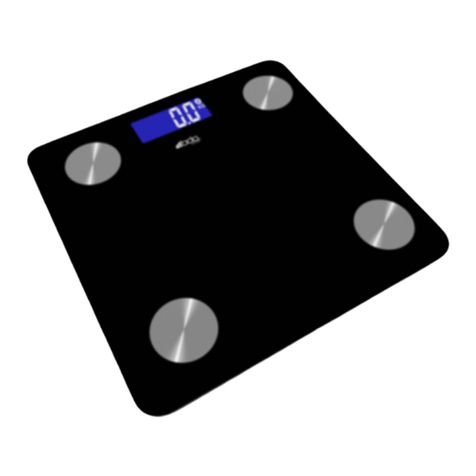
months. Take note that different scales may give different readings. The
scale at your GP practice may show a different reading to your home scale
– use the reading on your home scale to monitor your weight.
Monitoring Weight
Waist circumference can give an indication of change in weight, but regular
weight checks are the easiest way to keep track of progress. However,
weighing yourself too frequently can cause unnecessary anxiety about
temporary changes in scale readings (see Weight Fluctuations above).
Here are 5 steps for monitoring your weight sensibly:
• Weigh once a week and on same day of week.
• Weigh at same time of day (e.g. in morning, after peeing and before
drinking).
• Wear same clothing (e.g. what you usually wear in bed).
• Use same scale.
• Place scale in same location.
Come to a workshop and learn from us the best way to lose weight
and lead a healthy lifestyle. Call 0345 345 1500 or go to www.ww.co.uk to
nd a meeting near you.