manuals.online logo
Brands
  1. Home
  2. •
  3. Brands
  4. •
  5. Athena
  6. •
  7. Temperature Controllers
  8. •
  9. Athena 6050 User manual

Athena 6050 User manual

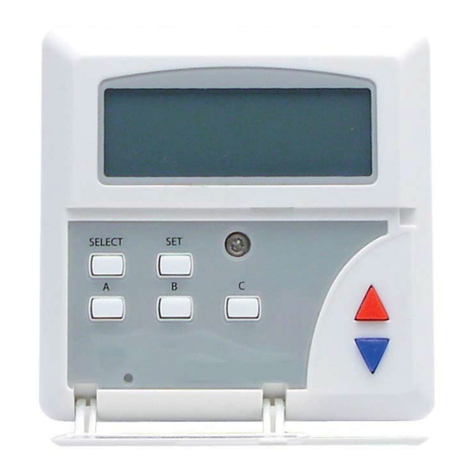
Other Athena Temperature Controllers manuals

Athena IMP User manual

Athena

Athena IMP User manual

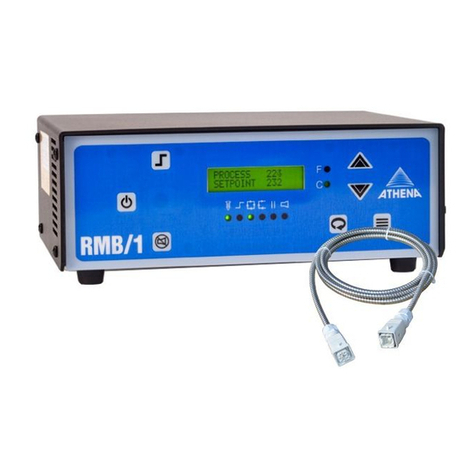
Athena RMB/1 User manual

Athena

Athena RMB/1 User manual

Athena 6000 User manual

Athena

Athena 6000 User manual

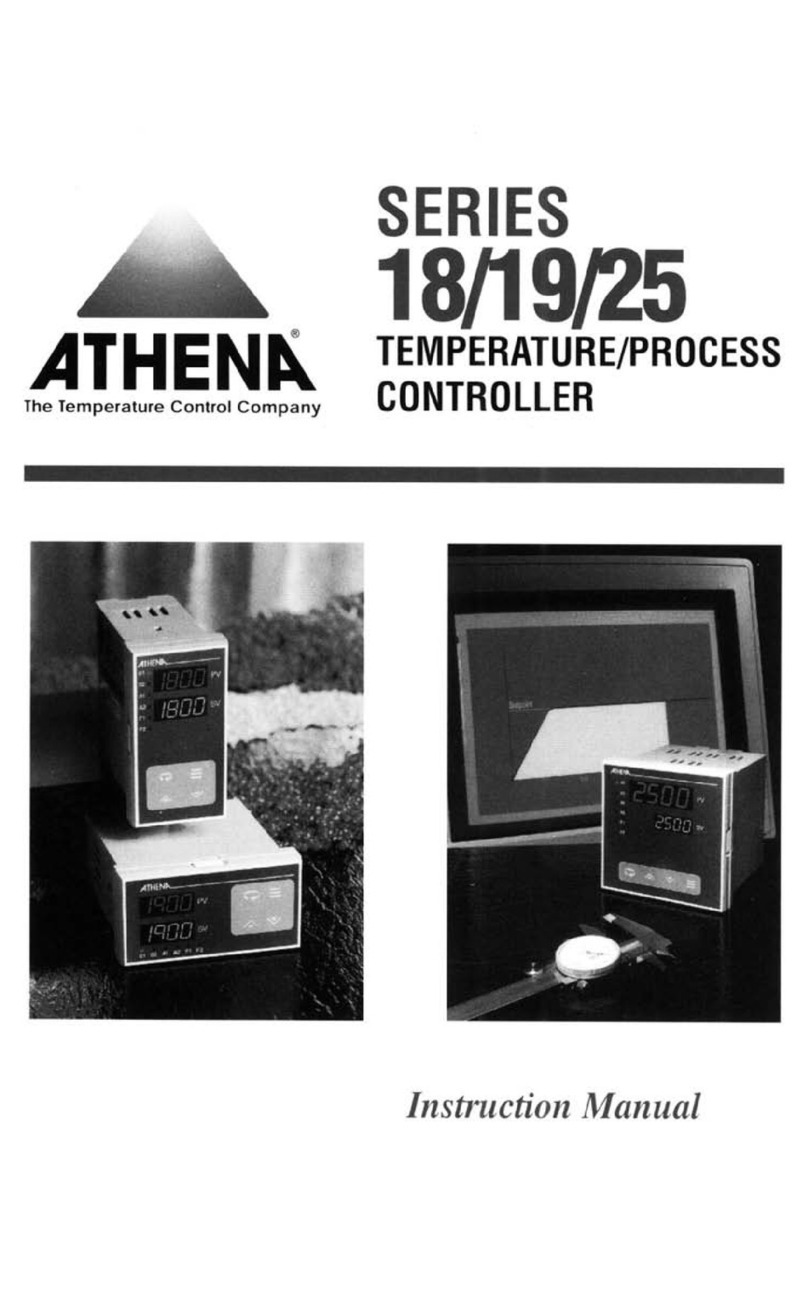
Athena 18 series User manual

Athena

Athena 18 series User manual

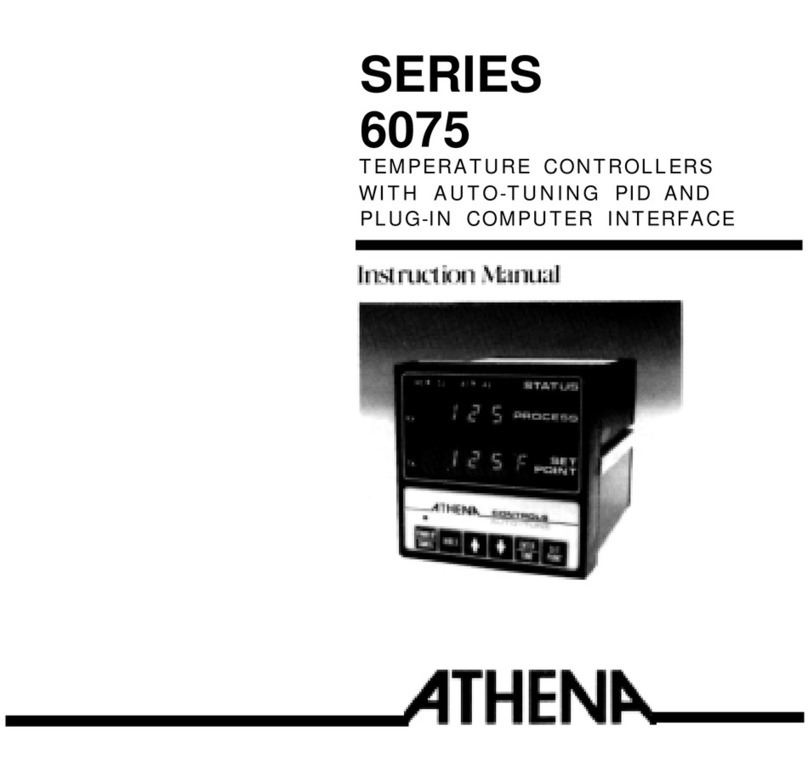
Athena 6075 series User manual

Athena

Athena 6075 series User manual

Athena 4000 Series User manual

Athena

Athena 4000 Series User manual

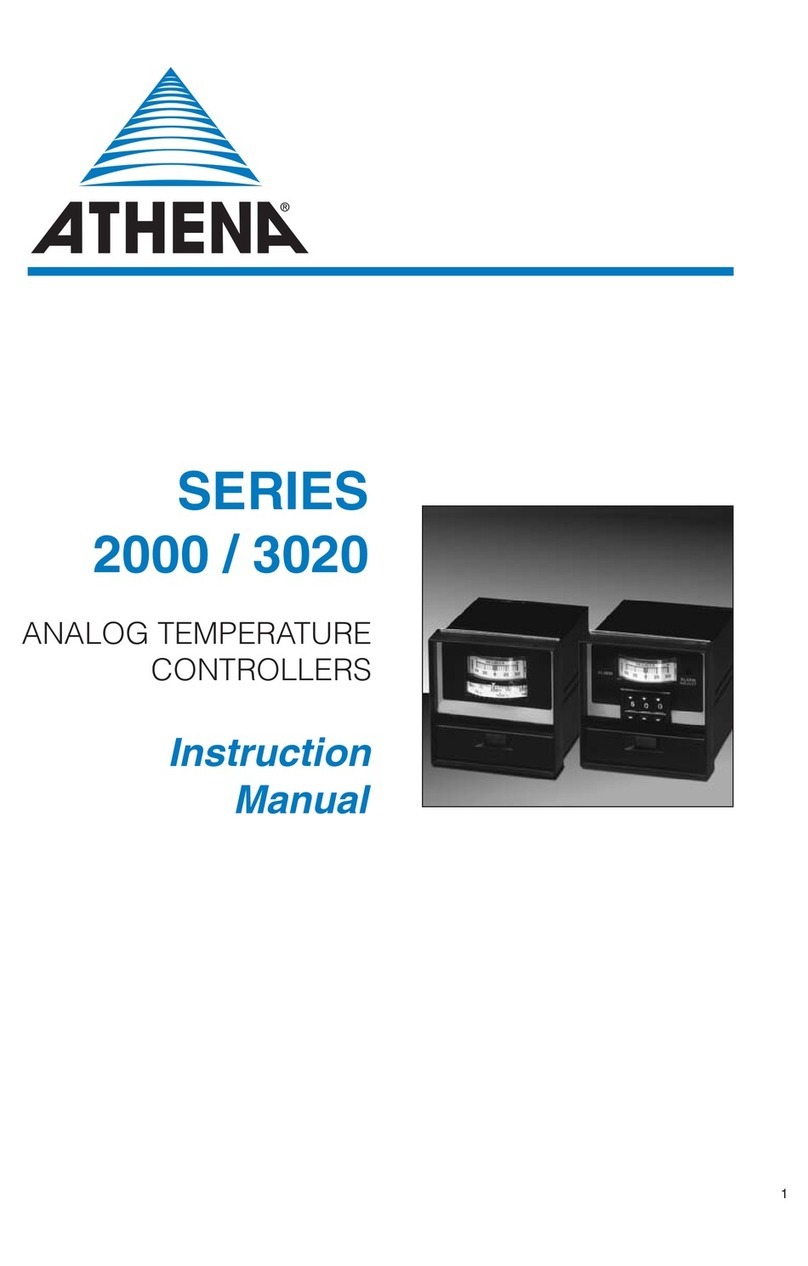
Athena 2000 Series User manual

Athena

Athena 2000 Series User manual

Popular Temperature Controllers manuals by other brands

Brookfield TC Series Operator's manual

Brookfield

Brookfield TC Series Operator's manual

Nibe HPAC 45 Installer manual

Nibe

Nibe HPAC 45 Installer manual

Auber TD100 instruction manual

Auber

Auber TD100 instruction manual

IntelliSense INTELLITEMP T-1000 installation instructions

IntelliSense

IntelliSense INTELLITEMP T-1000 installation instructions

Swegon LUNAd MB Instructions for use

Swegon

Swegon LUNAd MB Instructions for use

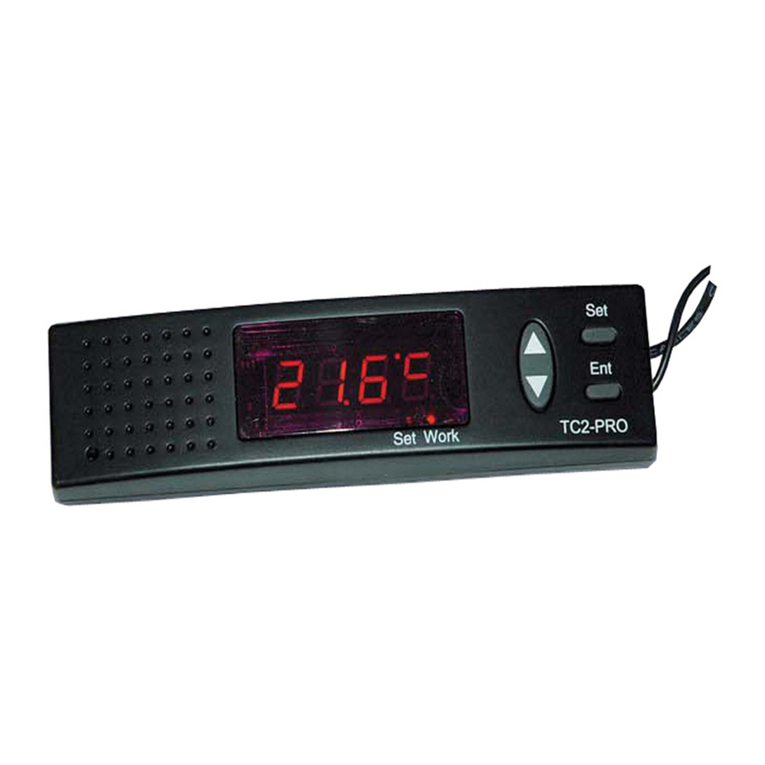
Lucky Reptile Thermo Control II Operation instructions

Lucky Reptile

Lucky Reptile Thermo Control II Operation instructions

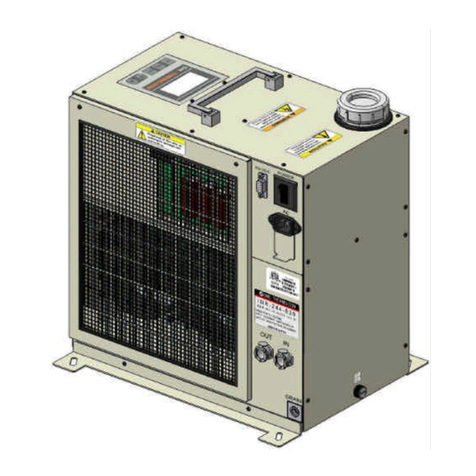
SMC Networks Thermo-con INR-244-639 Operation manual

SMC Networks

SMC Networks Thermo-con INR-244-639 Operation manual

SENSORMETRIX Argon 100 manual

SENSORMETRIX

SENSORMETRIX Argon 100 manual

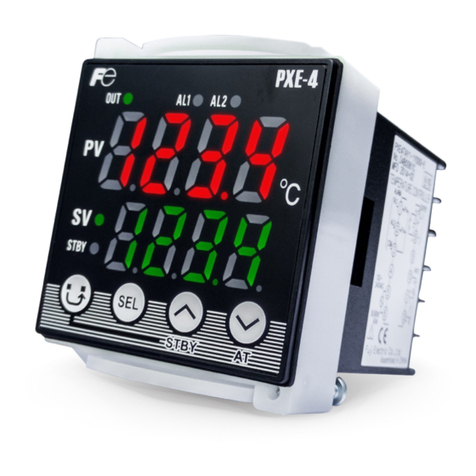
Fuji Electric PXE4 instruction manual

Fuji Electric

Fuji Electric PXE4 instruction manual

Yuyao gongyi XMT-808 series Operation manual

Yuyao gongyi

Yuyao gongyi XMT-808 series Operation manual

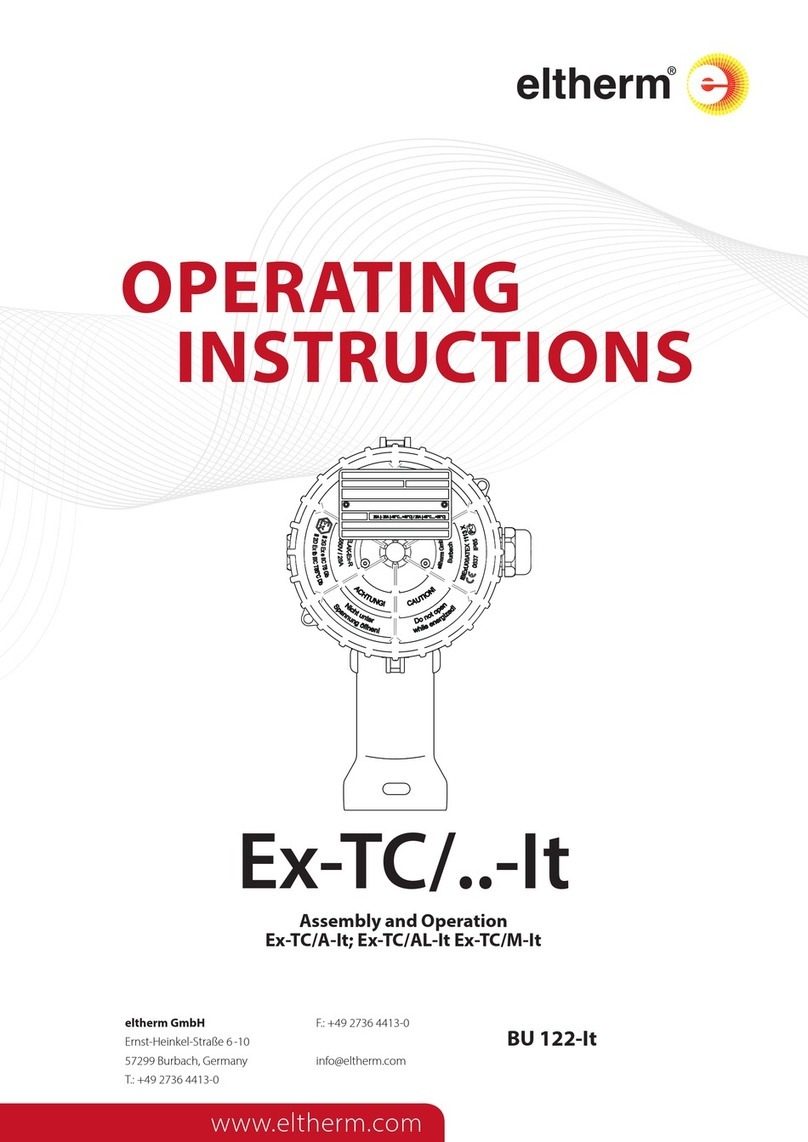
eltherm Ex-TC It Series operating instructions

eltherm

eltherm Ex-TC It Series operating instructions

Selec TC544C user guide

Selec

Selec TC544C user guide

P.W. KEY rt-208gt operating manual

P.W. KEY

P.W. KEY rt-208gt operating manual

Omron C200H-TV Series Operation manual

Omron

Omron C200H-TV Series Operation manual

BH Thermal BriskONE owner's manual

BH Thermal

BH Thermal BriskONE owner's manual

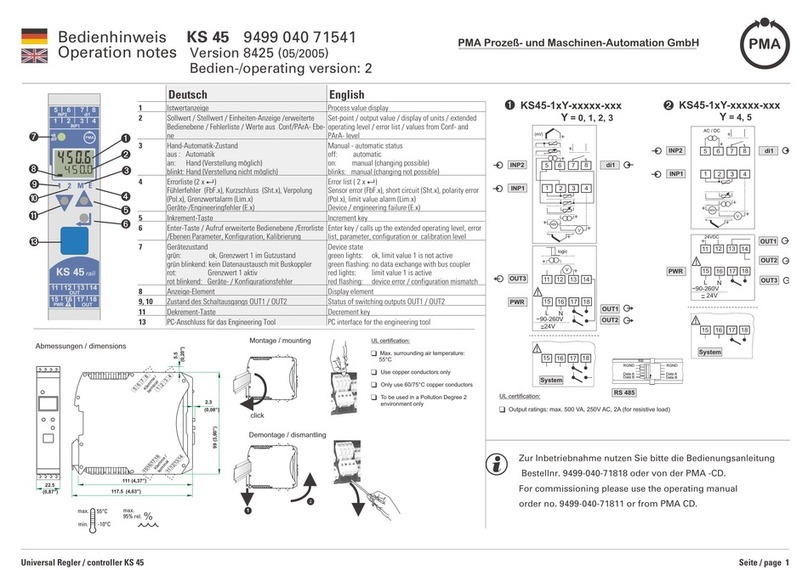
West Control Solutions KS 45 Operation Notes

West Control Solutions

West Control Solutions KS 45 Operation Notes

Opt Lasers TEC-8A-24V-PID-HC operating manual

Opt Lasers

Opt Lasers TEC-8A-24V-PID-HC operating manual

Vaillant VR 92/3 Operating and installation instructions

Vaillant

Vaillant VR 92/3 Operating and installation instructions

manuals.online logo
manuals.online logoBrands
  • About & Mission
  • Contact us
  • Privacy Policy
  • Terms and Conditions

Copyright 2025 Manuals.Online. All Rights Reserved.

Instruction
Manual
Athena 6050
Temperature Controllers
-THENIL
INSTRUCTION MANUAL
SPECIFICATIONS:
Inputs:
Line Voltage
Sensor
Power Consumption
Ranges Available
Accuracy:
Temperature Stability
Cold end tracking
Operating ambient for
rated accuracy
Maximum T/C lead
resistance for
rated accuracy
Series mode noise
rejection:
Common mode noise
rejection
T/C break protection:
Dual display:
ATHENA 6050
Automatic Tuning
Temperature Controller
120/240
Vac
+lO%,
-15%,
50, 60
Hz
Thermocouple
Less than 6 VA (Instrument)
J Couple
0-1400°F
(O-760°C)
K Couple
0-2500°F
(O-137O°C)
0.2% of full scale
5m
V/°C
Max
3m
V/°C
typ.
0.05°C/°C
ambient
0 to
55°C
100 Ohm
80
dB
120
dB
Upscale standard
Process temperature displayed
continuously; set point or other
parameters updated on lower display.
1
Display update rate: 5 times per second
Filtering:
Analog and digital filtering
techniques increase stability
of process and display.
°F/°C:
output:
-B Relay (time
proportioning)
-F Current
proportional
-S
Pulsed voltage
-T
Triac
time
proportional
Filtered LED display:
T/C linearization:
Connections:
Dimensions:
Mounting:
Weight:
Internal switch selection--
process, set point.
Heating only
SPST relay 7 Amps resistive at
120
Vac,
5 amp resistive at 240
Vac,
50 VA inductive.
4-20mADC
into 500 Ohm max. For driving
SCR
power controllers.
20 Vdc pulsed time proportioning
signal for driving solid state relays.
Solid state plug-in
triac
output.
Rated 1 Amp holding
&
10 amps inrush.
4 digits for process, 4 digits for
parameters.
Continuously calculated and updated
using rom based algorithm.
Inputs and outputs via barrier strips
with U.L. approved locking terminals.
Front panel: 96mm X 96mm X
22mm
Case: 92mm X
92mm
X
118mm
Depth behind panel:
96mm
(approx.
minus panel thickness)
Channel slides and screws
2 lb
2
3
FRONT PANEL AOJUSTMENTS
Touch Key
1 Index: Allows the following adjustments to be selected.
1)
Set point temperature
O-14OO'F
(760°C)
O-2500°F
(O-137O°C)
2)
Heat cycle time
3)
Prop. Band (indicated
*1 to 120 seconds
as
gain)
0.25-25%
of span
4)
Rate with tracking reset
**4-255
seconds
5)
Auto Tune
(AT)
Up/Down keys: increases/decreases values of above
adjustments.
Tune/Cancel:
"cancel" puts output on stand-by to
permit set-up
"tune" triggers automatic tuning procedure
E Enter: writes selected value to nonvolatile memory
NOTES: *setting to zero initiates 60
millisecond
timebase
for ultra fast cycling. Use
with
external solid
state relays or SCR Power Controllers.
**Setting to zero disables reset and rate action
for proportional only control. Reset is six times
higher than rate
FOR OPTIMUM RESULTS WITH THE AUTO-TUNE MODEL 6050
1.
Set point must be a minimum of 100°F above ambient for
proper start-up.
2. Multi-zone applications require auto-tune units on each
zone and simultaneous warm-up.
4
3.
4.
Loss of power or turn-off during warm-up requires a
re-start from ambient.
Change of state processes,
i.e.
solid to liquid or
liquid to gas, may introduce erroneous tuning parameters
during process warm-up.
1.
Accurately measures, linearizes and displays temperature
in
°F
and
°C.
2.
Automatically calculates and displays parameters-heat
gain, and rate/reset time.
3.
Can be field converted from relay output
"B",
to solid
state relay
“T",
to solid state driver
"S"
or to
a 4-20 MA output SCR driver
"F".
4.
Will remember its "entered" settings after power failure
or shut-off and not "Go To Sleep".
GENERAL
CAUTION: HIGH VOLTAGE AN0 HIGH TEMPERATURES CAN CAUSE INJURY
AN0 ARE A FIRE HAZARO. PLEASE REAO ALL INSTRUCTIONS, HAVE
ONLY SKILLED PROFESSIONALS WIRE THE UNIT, AND USE APPROVED
TEMPERATURE AND/OR PRESSURE SAFETY CONTROL. EVEN THE BEST
COMPONENTS CAN BE DAMAGED OR MAY NOT FAIL SAFE.
CONFIGURATION
Depending on the model number of the unit you have ordered,
vou will find one of four basic modules installed. The fifth
digit of the code indicate the output module type.
B
-
Relay
7A/5A
@
120/240
Vac
F
-
4-20
mA
(Proportional)
T
-
Triac
1 Amp
@
240
Vac
S
-
20 VDC Pulsed for driving solid state relays
Example:
6050-F
has proportional 4 to 20
mA
heat
output.
Note: If you have not received your controller from the
factory direct, check to confirm that the correct module for
your application is installed. Since the modules plug-in,
and since controller plug into cases as well, previous users
may have changed modules,
which can result in severe
controller damage.
5
Output
Modules
The Athena 6050 offers users field interchangeable output
modules. This unique feature makes it possible to fill
output requirements for a variety of applications with
a single controller model.
Module Type B: This
7A/5A
relay
(at
120/240
Vac)
is used for
driving resistive heaters.
NOTE: Do not use this output module with mechanical
contactors
because they generate an excessive EM1
field which can interfere the 6050's microprocessor.
Instead we
recommend
"T"
output modules for this
application.
Module Type F: This 4-20
mA
output module can deliver
full output to loads having an input
impedance of 500 Ohms or less. The cycle
time setting must be ZERO for smooth
current output.
A push-on terminal is utilized as a
return for ground currents of the milliamp
source. It is connected internally to the
mating lug on the heat sink. To avoid
ground loops, drive floating (ungrounded)
loads or use isolated thermocouples.
Module Type T: This solid state relay is capable of 1 AM?
at
120/240
Vac.
It is zero voltage switched
and optically isolated from the drive signal.
With
it, resistive loads up to 120 watts at
at 120
Vac
and 240 watts at 240
Vac
may be
controlled directly. Using direct control
there is no lower limit on the cycle time
setting (down to 60 milliseconds). Larger
loads may be controlled utilizing an external
contactor. In this case, it is advisable to use
cycle settings of ten seconds or greater to
minimize contactor wear. External suppression
of the contactor is mandatory.
Module Type S: Similar to F, but pulsed
2OV/2OmA
DC output
for driving solid state relays. Up to 6
(input series connected) solid state relays
can be used. Cycle time can be set to optimize
the load response time requirements without
sacrificing S.S.R. life.
7

INTERNAL SWITCHES
Damping
Control -To allow the controller to provide automatic
tuning for processes with varying heating characteristics and
with varying heating capabilities, the 6050 offers three
damping choices:
High damping: for over-powered heating systems,
systems with multiple heat lags, and/or poor
coupling between the heater and the temperature
sensor.
Normal: for most standard processes where the
heater is properly sized for the system and
there is good coupling between the heater and
the temperature sensor.
Low damping: for adequately powered systems
with excellent coupling between the heater and
the temperature sensor where quick response and
the tightest possible temperature control are
desired.
Keypad Security -Switch 2 in the open position locks the
operator out of access to all parameters except set point.
CELSIUS/FAHRENHEIT DISPLAY SECTION
Switch 1 allows both displays to read in degrees Celsius or
Fahrenheit, and is indicated on front panel
LED's.
WIRING THERMOCOUPLE CIRCUITS
Before wiring, check thermocouple and extension wire to make
sure that they conform to the appropriate thermocouple type
specified on the serial number tag. In thermocouple
circuits, the negative lead is colored red. Extension wires
must
be the same alloy and polarity as the couple. The
thermocouple circuit resistance should not exceed 100 OHMS.
Do not run thermocouple leads in the same conduit as the
power lines. If shielded thermocouple is used, terminate the
shield only at the controller end using the corner screw
provided for that purpose.
STANDARD THERMOCOUPLES
I.S.A.
TYPE
MATERIALS
COLOR CODE
J
Iron Constantan
(I/C)
White(+)
Red(-)
K
Chrome1 Alumel
(C/A)
Yellow(+)
Red(-)
8
THERMOCOUPLE PLACEMENT
Proper thermocouple placement can eliminate many problems in
the system. The probe should be placed so that it can detect
any temperature change with minimal thermal lag. In a process
that requires fairly constant heat output, the probe should
be placed close to the heater. In processes where the heat
demand is variable, the probe should be close to the work
area. Some experimenting with probe location is often needed
to find its optimum position.
In a bath process, addition of a stirrer will help to
eliminate thermal
lags.
Since the thermocouple is basically
a point measuring device, putting more than one
in parallel will provide an average temperature
produce better results in air heated processes.
thermocouple
reading and
NOTE: If controls with
"F"
or
"S"
outputs drive
grounded or hot input terminals
(not
floating),
thermocouple must be used. Otherwise, when both
loads with
an isolated
input and
output are grounded, ground loop currents
will
result,
causing errors and controller damage.
Standard thermocouple limits of error are 4°F or 0.75% of
sensed temperature (half that for special) plus drift caused
by improper protection or overtemperature. This is far
greater than controller error, and can not be corrected at
the sensor except by selection and replacement.
Start-Up
Before line voltage is applied, double-check the following:
Make sure the thermocouple type is correct, and
properly connected (see section on thermocouples)
to terminals 1 and 2 (red on
2).
Make sure there is no AC or DC voltage leading or
arcing to T/C.
Make sure the proper terminals are selected for
line voltage.
(8
&
9 for
12OV,
8
&
10 for
24OV)
Check to assure there are no heater shorts, or
shorts to ground, and no bare wires or frayed insulation.
Make sure correct plug-in module is used.
9