manuals.online logo
Brands
  1. Home
  2. •
  3. Brands
  4. •
  5. Compass
  6. •
  7. Safety Equipment
  8. •
  9. Compass STCCS 51 User manual

Compass STCCS 51 User manual

Other Compass Safety Equipment manuals
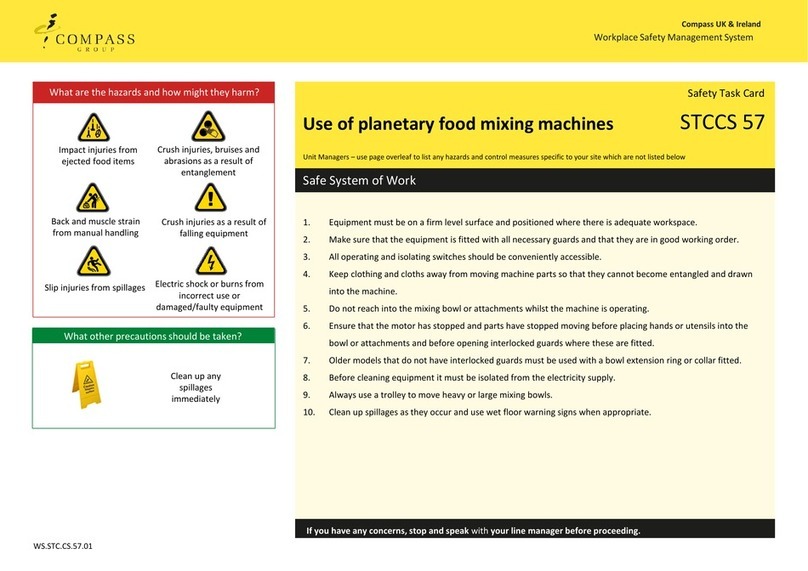
Compass STCCS 57 User manual

Compass

Compass STCCS 57 User manual

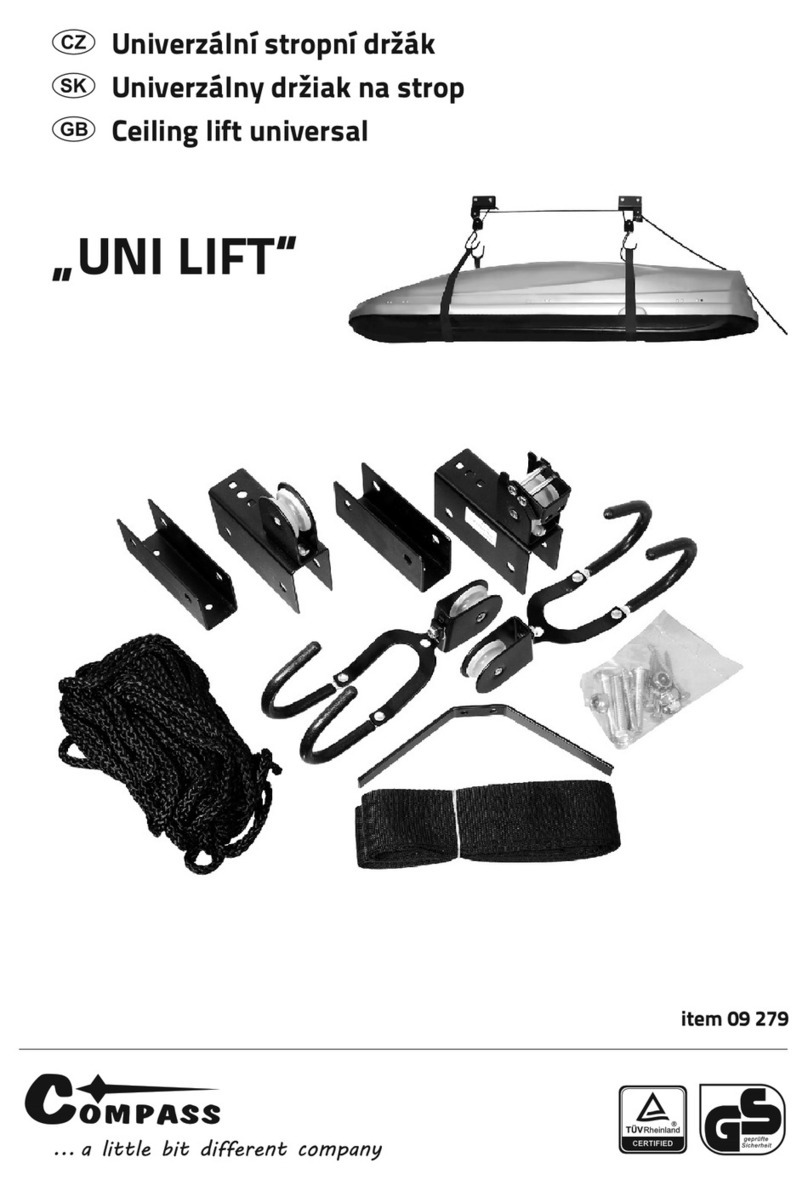
Compass UNI LIFT User manual

Compass

Compass UNI LIFT User manual
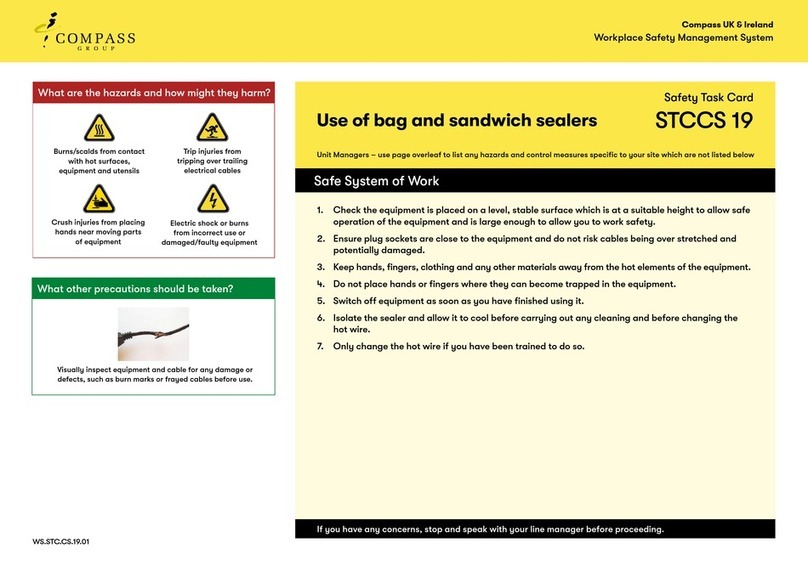
Compass STCCS 19 User manual

Compass

Compass STCCS 19 User manual
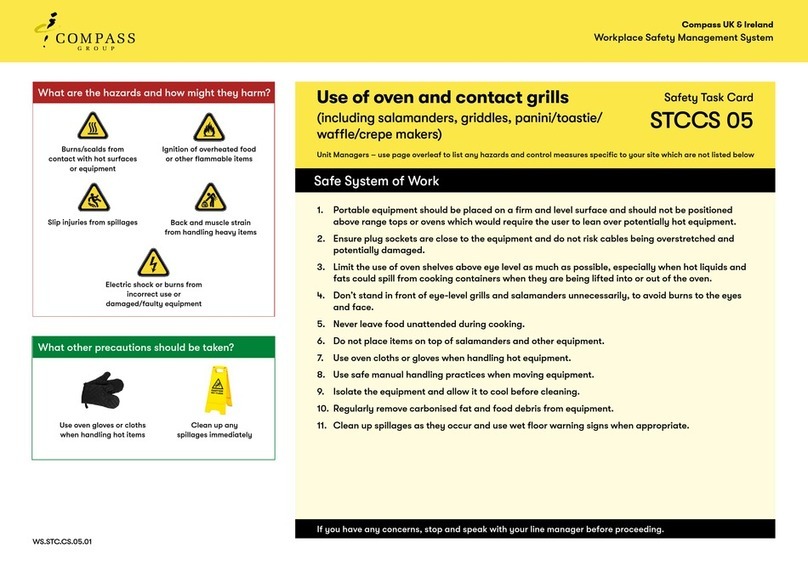
Compass STCCS 05 User manual

Compass

Compass STCCS 05 User manual
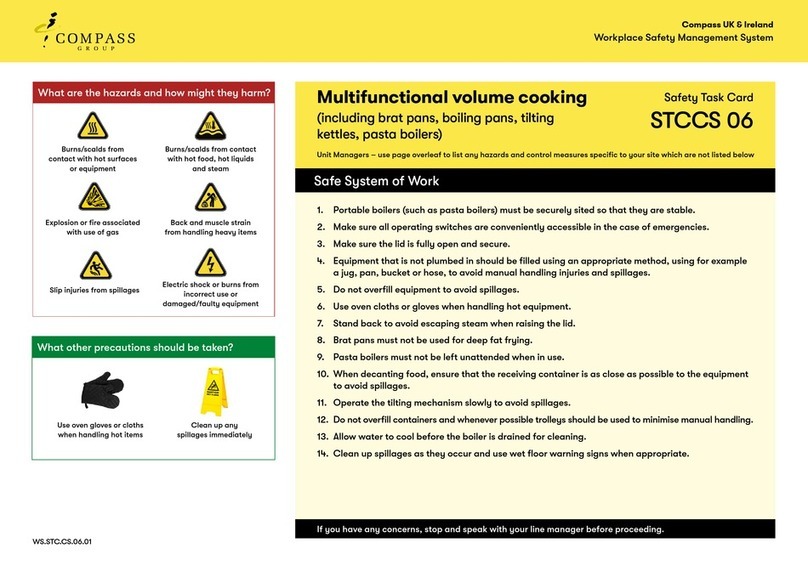
Compass STCCS 06 User manual

Compass

Compass STCCS 06 User manual
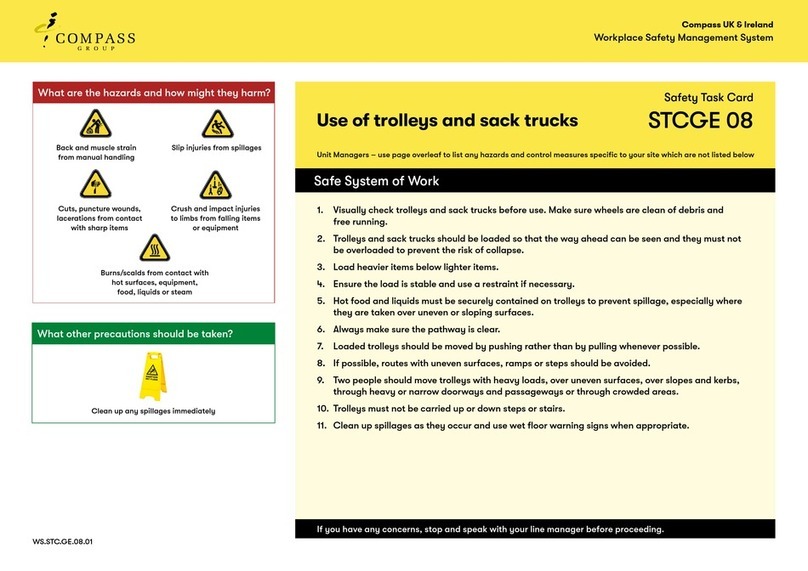
Compass STCGE 08 User manual

Compass

Compass STCGE 08 User manual
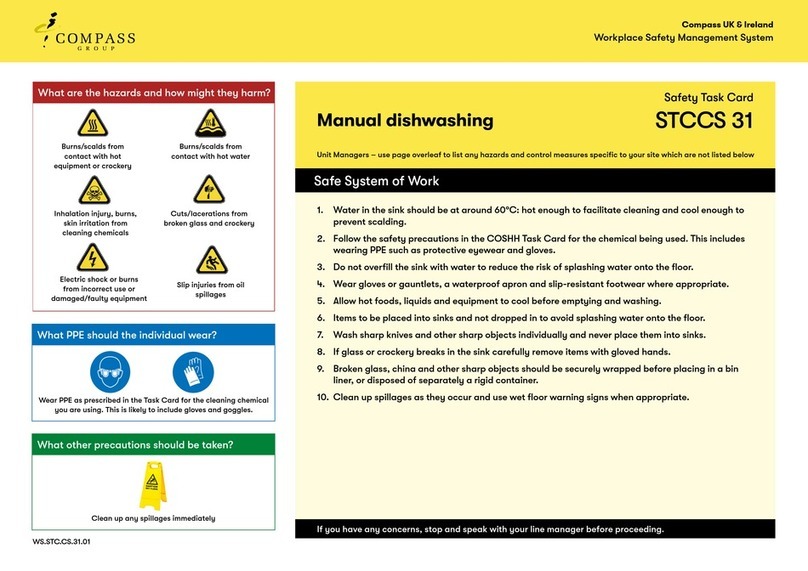
Compass STCCS 31 User manual

Compass

Compass STCCS 31 User manual
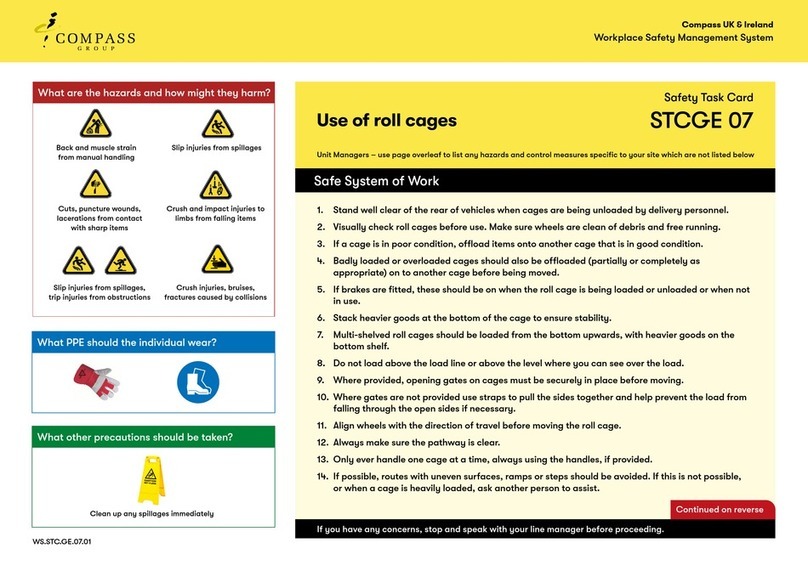
Compass STCGE 07 User manual

Compass

Compass STCGE 07 User manual
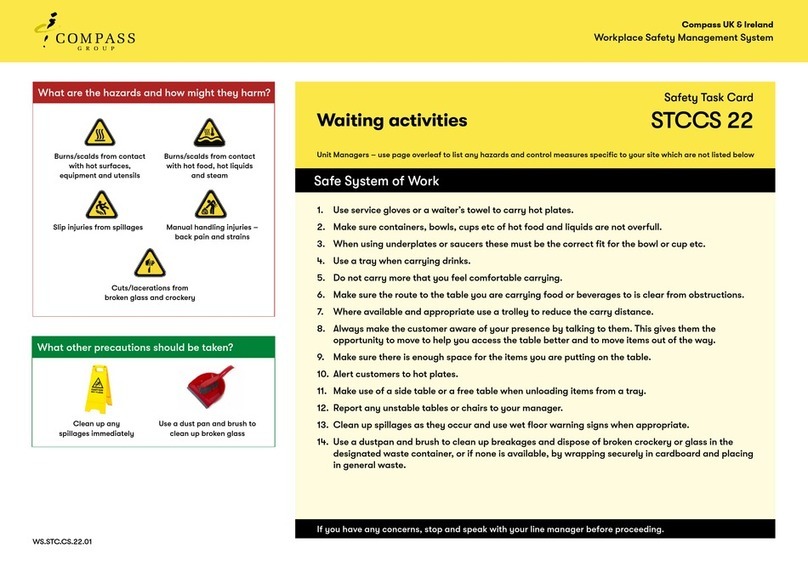
Compass STCCS 22 User manual

Compass

Compass STCCS 22 User manual
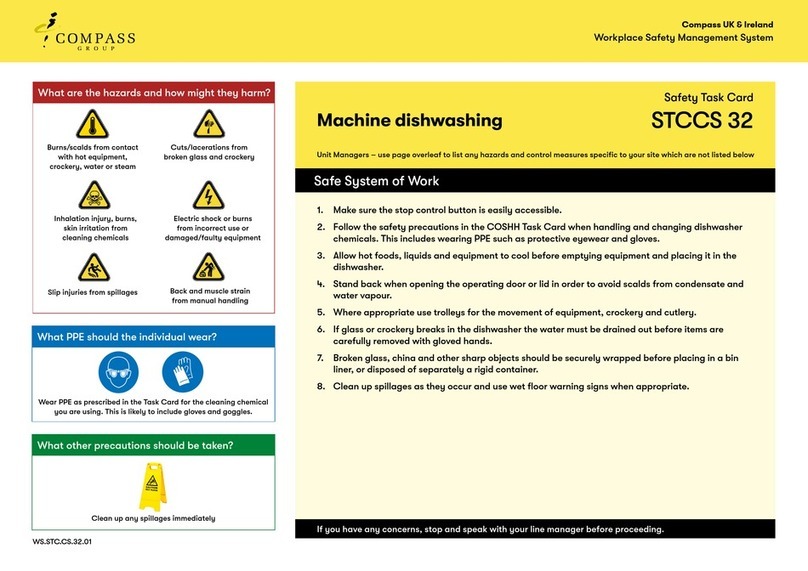
Compass STCCS 32 User manual

Compass

Compass STCCS 32 User manual
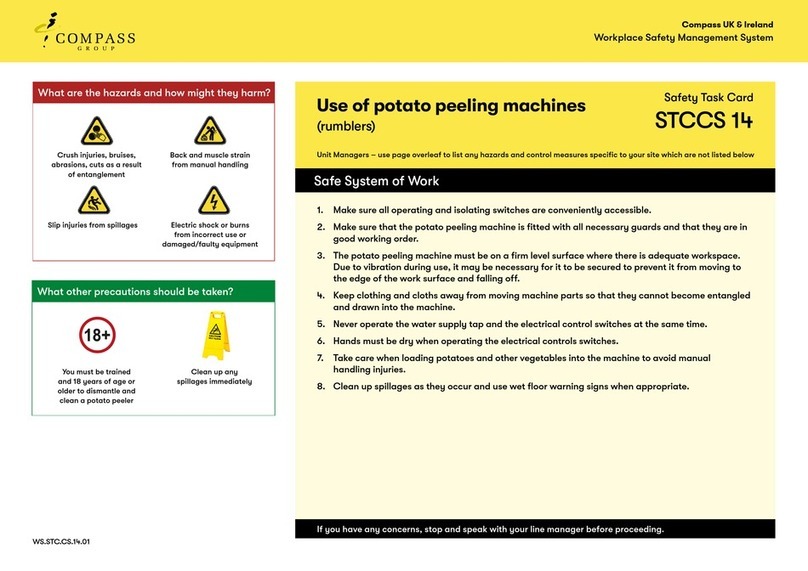
Compass STCCS 14 User manual

Compass

Compass STCCS 14 User manual

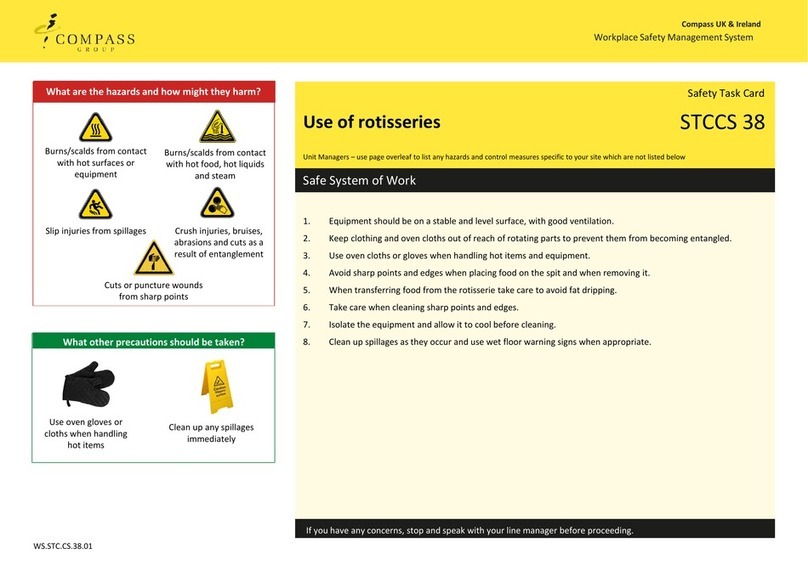
Compass STCCS 38 User manual

Compass

Compass STCCS 38 User manual

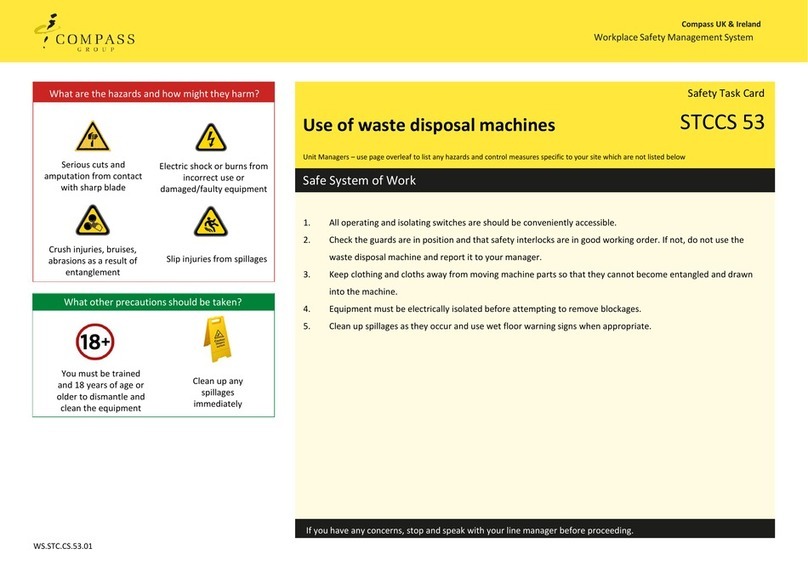
Compass STCCS 53 User manual

Compass

Compass STCCS 53 User manual

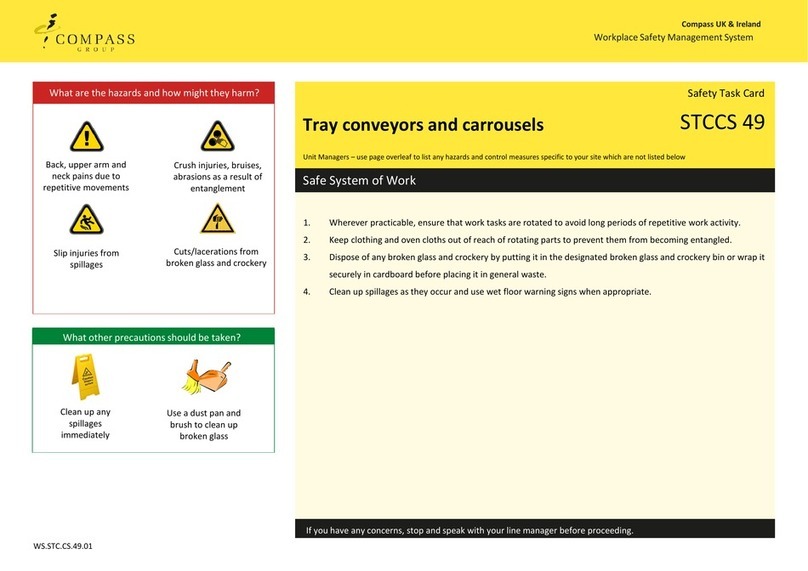
Compass STCCS 49 User manual

Compass

Compass STCCS 49 User manual

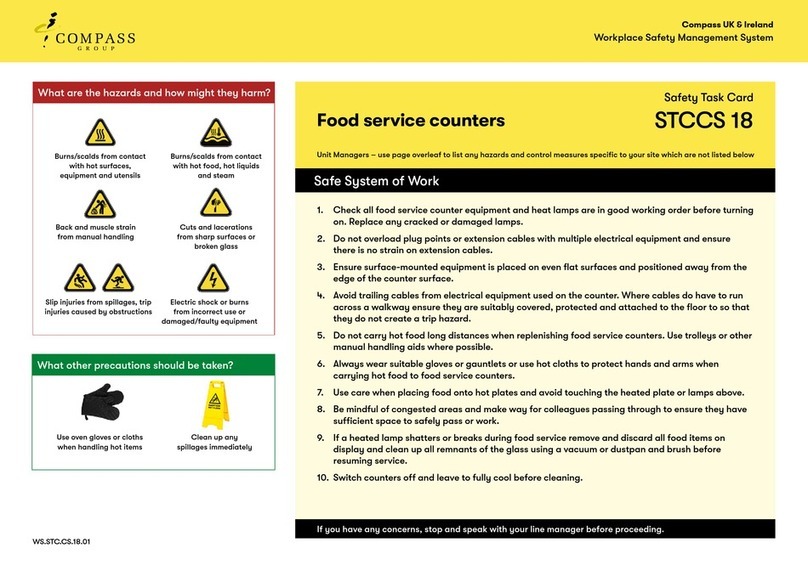
Compass STCCS 18 User manual

Compass

Compass STCCS 18 User manual

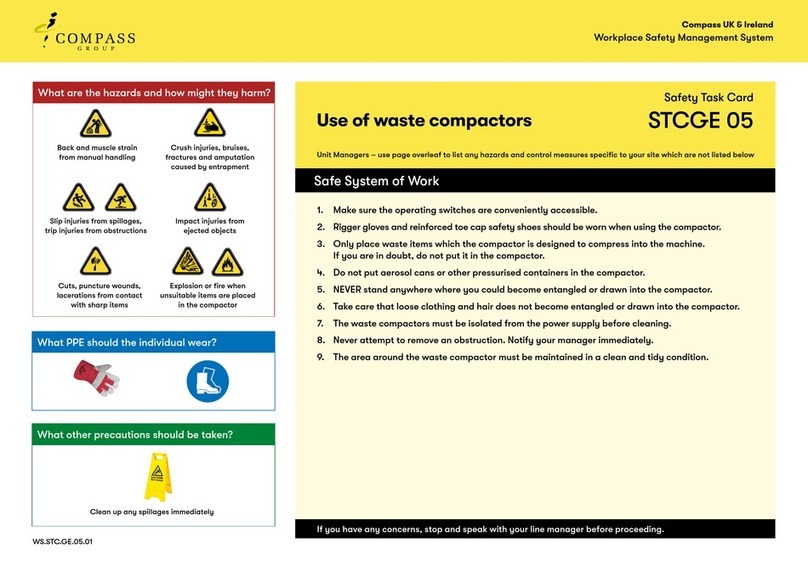
Compass STCGE 05 User manual

Compass

Compass STCGE 05 User manual

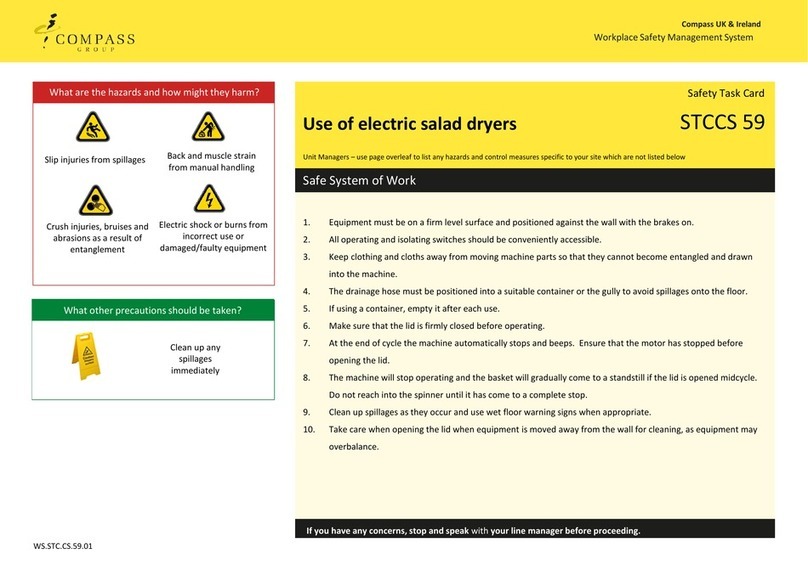
Compass STCCS 59 User manual

Compass

Compass STCCS 59 User manual

Popular Safety Equipment manuals by other brands
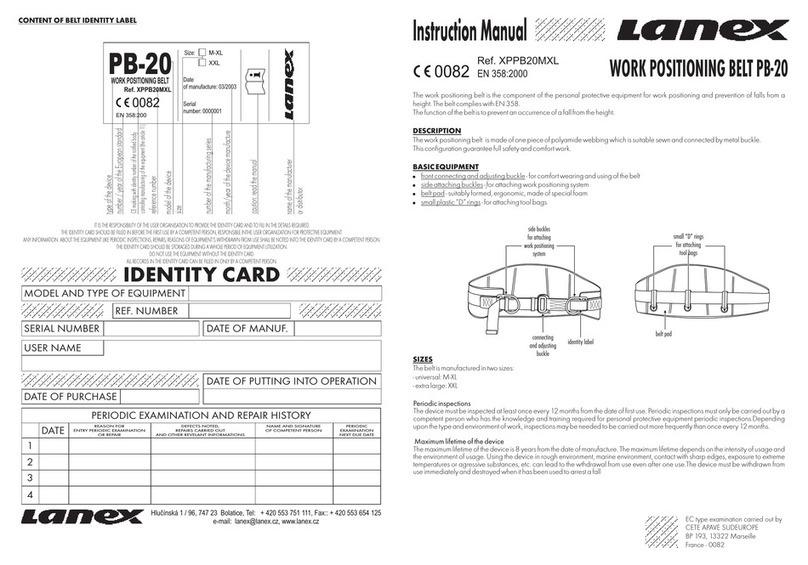
Lanex PB-20 instruction manual

Lanex

Lanex PB-20 instruction manual

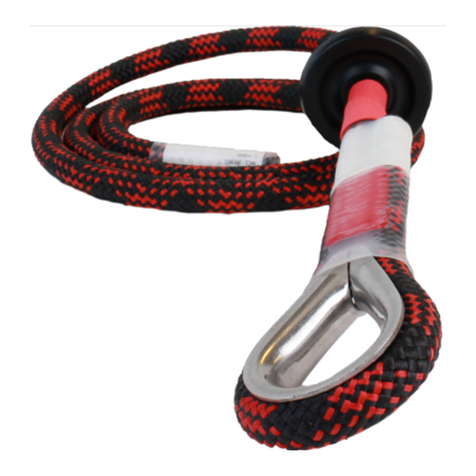
SKYLOTEC ANCHOR ROPES Instructions for use

SKYLOTEC

SKYLOTEC ANCHOR ROPES Instructions for use

Besto Buoyancy Aid 50N Instructions for use

Besto

Besto Buoyancy Aid 50N Instructions for use

TEUFELBERGER NODUS Manufacturer's information and instructions for use

TEUFELBERGER

TEUFELBERGER NODUS Manufacturer's information and instructions for use

Troy Lee Designs Tbone Product owners manual

Troy Lee Designs

Troy Lee Designs Tbone Product owners manual

Innova Xtirpa Instruction and safety manual

Innova

Innova Xtirpa Instruction and safety manual

bolle SAFETY B810 quick start guide

bolle SAFETY

bolle SAFETY B810 quick start guide
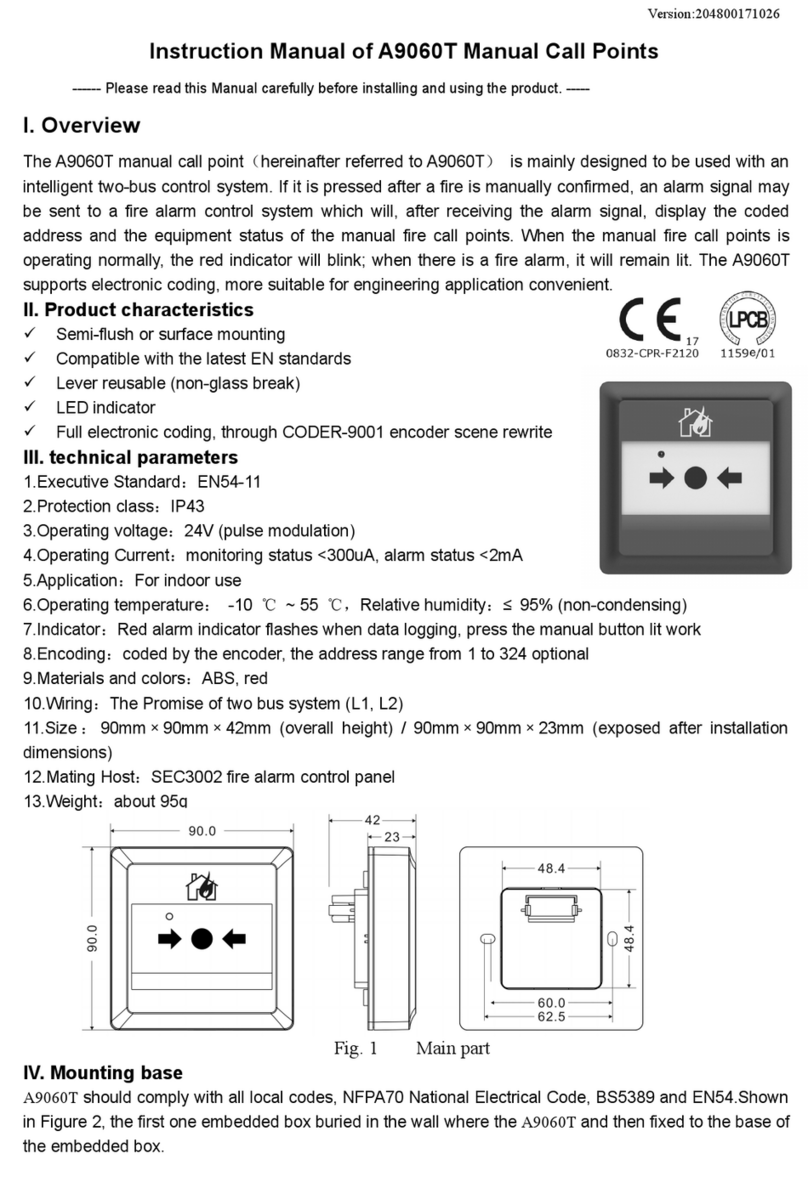
SHENZHEN FANHAI SANJIANG ELECTRONICS A9060T instruction manual

SHENZHEN FANHAI SANJIANG ELECTRONICS

SHENZHEN FANHAI SANJIANG ELECTRONICS A9060T instruction manual

Hiltron security POWER8E Installation and use manual

Hiltron security

Hiltron security POWER8E Installation and use manual

Salewa MTN SPIKE user manual

Salewa

Salewa MTN SPIKE user manual
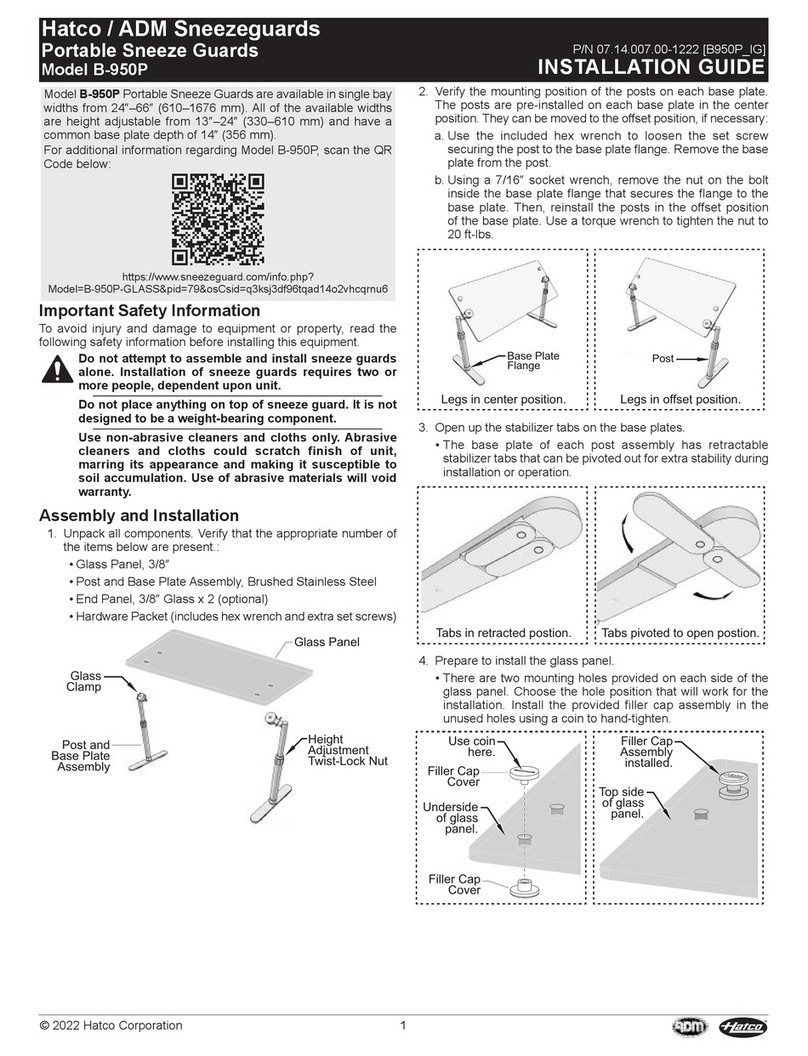
Hatco B-950P installation guide

Hatco

Hatco B-950P installation guide

Sitec TX MATIC operating manual

Sitec

Sitec TX MATIC operating manual
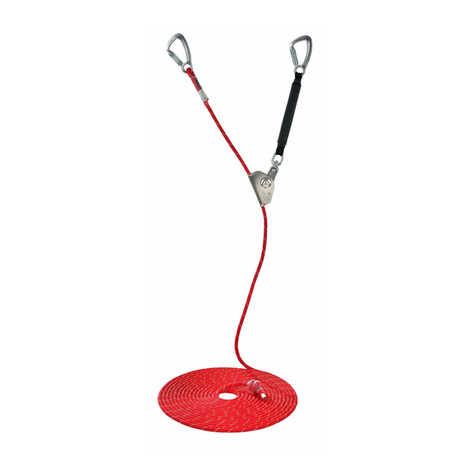
TEUFELBERGER GRIP 12 Manufacturer's information and instructions for use

TEUFELBERGER

TEUFELBERGER GRIP 12 Manufacturer's information and instructions for use

MSA PremAire System Operation and instructions

MSA

MSA PremAire System Operation and instructions

AMC 1022M Series instruction manual

AMC

AMC 1022M Series instruction manual

Trinity CASS S3 Assembly manual

Trinity

Trinity CASS S3 Assembly manual

CMC Helitack HotSeat quick guide

CMC

CMC Helitack HotSeat quick guide

ACM SAFETY D200 Instructions and warnings

ACM

ACM SAFETY D200 Instructions and warnings

manuals.online logo
manuals.online logoBrands
  • About & Mission
  • Contact us
  • Privacy Policy
  • Terms and Conditions

Copyright 2025 Manuals.Online. All Rights Reserved.

Compass UK & Ireland
Workplace Safety Management System
Continued on reverse
Use of barbeques
If you have any concerns, stop and speak with your line manager before proceeding.
1. The barbecue should be sited away from buildings and any adjacent windows should be kept closed.
2. The area around the barbecue should be as dry as reasonably practicable and clear of obstructions that may
pose tripping hazards.
3. Follow the relevant controls on STCCS 36 Storage and use of LPG cylinders.
4. All gas cylinders should be sited on a firm, level surface where they cannot be accidentally interfered with.
5. LPG cylinders must be secured to prevent them from falling over.
6. Immediately prior to use check for gas leaks by listening for a hissing sound, smelling for gas and by applying a
50/50 solution of washing up liquid and water onto hose connections and looking to see if “bubbles” form.
7. Use handheld igniters or long wax tapers for lighting gas equipment.
8. Customers should be kept well clear of hot surfaces by using barriers and/or suitable signage if necessary.
9. Organise and supervise customer traffic routes to avoid congestion around the barbecue.
10. A clear route from/to kitchen to barbecue should be maintained.
11. Chefs should wear jackets/tunics with long sleeves.
12. Use long handled utensils to keep hands and arms at a safe distance from hot food and equipment when
cooking.
13. Store cooking utensils so that they cannot fall or cause a tripping hazard.
What are the hazards and how might they harm?
What other precautions should be taken?
Burns/scalds from contact
with fire, hot surfaces,
equipment or food
Ignition of overheated
food or other flammable
items
Slip injuries from
spillages Explosion or fire
associated with use of gas
Back and muscle strain
from manual handling
Clean up any
spillages
immediately
Use oven
gloves or
cloths when
handling hot
items
Fire fighting
equipment
must be easily
accessible
A first aid kit
must be
easily
accessible
Trip injuries as a result
of obstructions
WS.STC.CS.51.01
Safety Task Card
STCCS 51
Safe System of Work
Unit Managers –use page overleaf to list any hazards and control measures specific to your site which are not listed below
Compass UK & Ireland
Workplace Safety Management System
Use of barbeques continued
If you have any concerns, stop and speak with your line manager before proceeding.
12. Use suitable PPE such as oven gloves or cloths that are dry and in good condition.
13. Sufficient tables or work surfaces should be provided for storage of food and equipment whilst not in
use.
14. Barbecues must not be left unattended while in use.
15. Ensure sufficient suitable bins are provided for waste.
16. Clean up food spillages as they occur and use warning signs when appropriate.
17. First aid facilities should be readily available, including clean cold water for the treatment of burns and
scalds.
18. Suitable firefighting equipment should be readily available.
19. Leave charcoal ash to cool for 48 hours, until completely cold, then wrap it in aluminium foil and place it
in a non-combustible external waste bin.
WS.STC.CS.51.01
Safety Task Card
STCCS 51
Safe System of Work
List any additional hazards or risks you have
identified, and control measures required to
manage these.