manuals.online logo
Brands
  1. Home
  2. •
  3. Brands
  4. •
  5. DeWalt
  6. •
  7. Saw
  8. •
  9. DeWalt DW713 User manual

DeWalt DW713 User manual

Other manuals for DW713

7

Other DeWalt Saw manuals

DeWalt DCS373 User manual

DeWalt

DeWalt DCS373 User manual

DeWalt DWE7485 User manual

DeWalt

DeWalt DWE7485 User manual

DeWalt DW706 User manual

DeWalt

DeWalt DW706 User manual

DeWalt DW716 User manual

DeWalt

DeWalt DW716 User manual

DeWalt DCS382B User manual

DeWalt

DeWalt DCS382B User manual

DeWalt Multi-Cutter DW872 User manual

DeWalt

DeWalt Multi-Cutter DW872 User manual

DeWalt DWE575 User manual

DeWalt

DeWalt DWE575 User manual

DeWalt DCS380B User manual

DeWalt

DeWalt DCS380B User manual

DeWalt DW007K User manual

DeWalt

DeWalt DW007K User manual

DeWalt DC411 User manual

DeWalt

DeWalt DC411 User manual

DeWalt DW743N User manual

DeWalt

DeWalt DW743N User manual

DeWalt D27107 User manual

DeWalt

DeWalt D27107 User manual

DeWalt D28715 User manual

DeWalt

DeWalt D28715 User manual

DeWalt DW352 User manual

DeWalt

DeWalt DW352 User manual

DeWalt DW701 User manual

DeWalt

DeWalt DW701 User manual

DeWalt DW871 User manual

DeWalt

DeWalt DW871 User manual

DeWalt D28710 User manual

DeWalt

DeWalt D28710 User manual

DeWalt DWE575-XE User manual

DeWalt

DeWalt DWE575-XE User manual

DeWalt D27400T User manual

DeWalt

DeWalt D27400T User manual

DeWalt DCS777 User manual

DeWalt

DeWalt DCS777 User manual

DeWalt DW712 User manual

DeWalt

DeWalt DW712 User manual

DeWalt DCS727 User manual

DeWalt

DeWalt DCS727 User manual

DeWalt DCS372 User manual

DeWalt

DeWalt DCS372 User manual

DeWalt XR Li-ION DCS335 User manual

DeWalt

DeWalt XR Li-ION DCS335 User manual

Popular Saw manuals by other brands

Skil Skilsaw 5166 null

Skil

Skil Skilsaw 5166 null

RIDGID BS1400 owner's manual

RIDGID

RIDGID BS1400 owner's manual

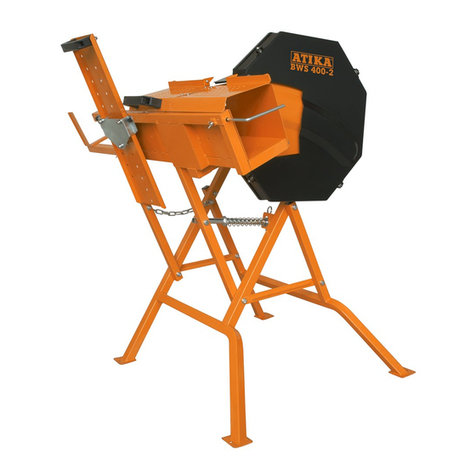
ATIKA BWS 400-2 Original instructions

ATIKA

ATIKA BWS 400-2 Original instructions

RGC FS20 instructions

RGC

RGC FS20 instructions

Makita M2300 instruction manual

Makita

Makita M2300 instruction manual

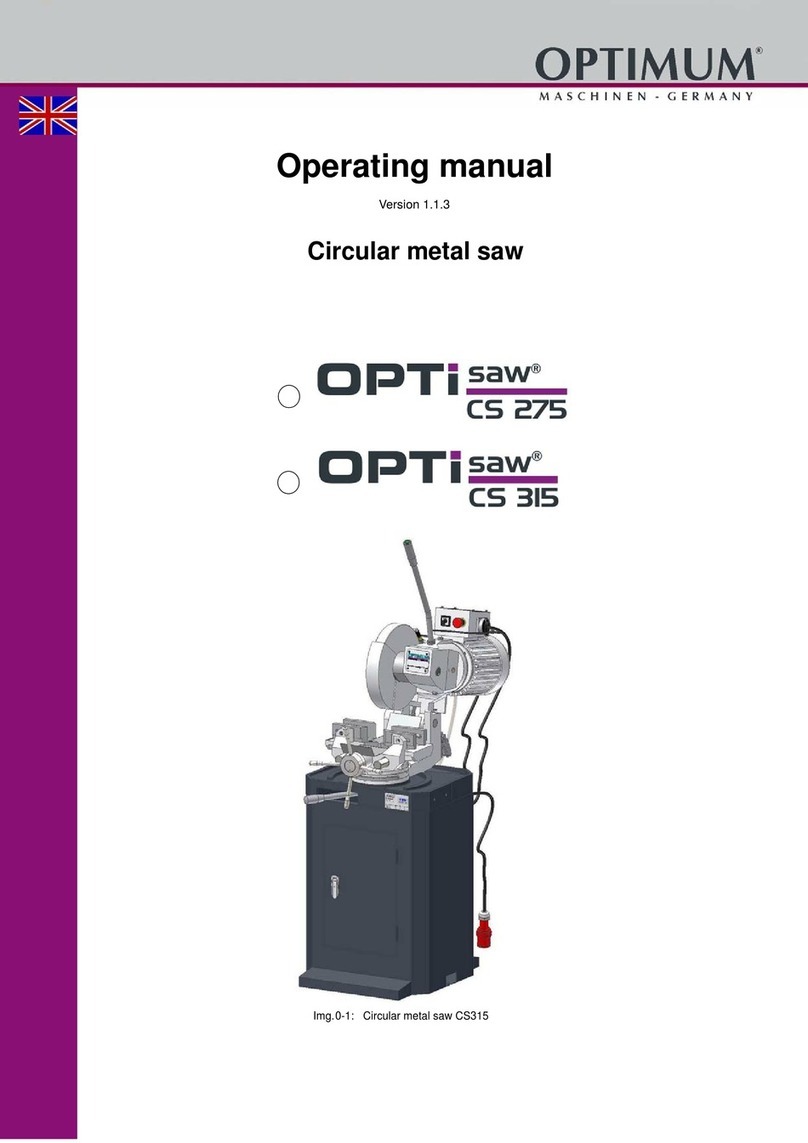
Optimum OPTisaw CS 275 operating manual

Optimum

Optimum OPTisaw CS 275 operating manual

Makita BPB180 instruction manual

Makita

Makita BPB180 instruction manual

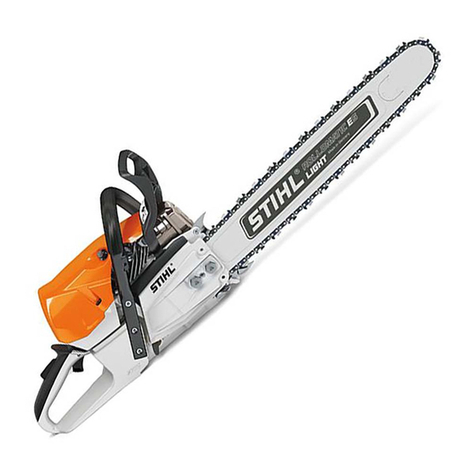
Stihl MS 462 C-M instruction manual

Stihl

Stihl MS 462 C-M instruction manual

AEG TS 250 K Original instructions

AEG

AEG TS 250 K Original instructions

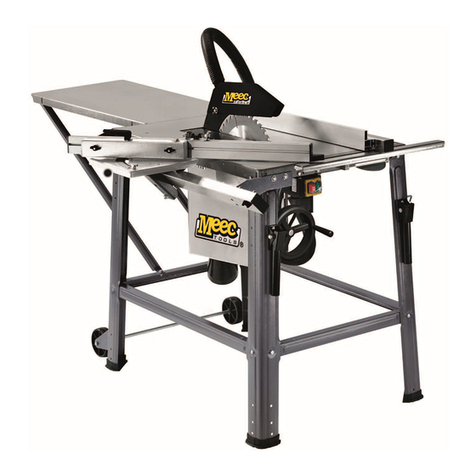
Meec tools 004665 operating instructions

Meec tools

Meec tools 004665 operating instructions

Makita LS1018L instruction manual

Makita

Makita LS1018L instruction manual

Ryobi RCS1400 Original instructions

Ryobi

Ryobi RCS1400 Original instructions

Sealey SA72 instructions

Sealey

Sealey SA72 instructions

skilsaw SPT88 Operating/safety instructions

skilsaw

skilsaw SPT88 Operating/safety instructions

Urrea SI810 User manual and warranty

Urrea

Urrea SI810 User manual and warranty

EINHELL BKG 210/1 operating instructions

EINHELL

EINHELL BKG 210/1 operating instructions

Altrad BELLE RANGER 450 Operator's manual

Altrad

Altrad BELLE RANGER 450 Operator's manual

Porter-Cable 725 instruction manual

Porter-Cable

Porter-Cable 725 instruction manual

manuals.online logo
manuals.online logoBrands
  • About & Mission
  • Contact us
  • Privacy Policy
  • Terms and Conditions

Copyright 2025 Manuals.Online. All Rights Reserved.

DW713
10" (254 mm) Compound Miter Saw
Scie à onglets mixtes de 254 mm (10 po)
Sierra ingletadora compuesta de 254 mm (10")
INSTRUCTION MANUAL
GUIDE D’UTILISATION
MANUAL DE INSTRUCCIONES
INSTRUCTIVO DE OPERACIÓN, CENTROS DE SERVICIO Y PÓLIZA
DE GARANTÍA. ADVERTENCIA: LÉASE ESTE INSTRUCTIVO ANTES
DE USAR EL PRODUCTO.
Questions? See us on the World Wide Web at www.dewalt.com
Before returning this product call
1-800-4-DEWALT
IF YOU SHOULD EXPERIENCE A PROBLEM WITH YOUR D
E
WALT PURCHASE,
CALL 1-800-4-D
E
WALT
IN MOST CASES, A D
E
WALT REPRESENTATIVE CAN RESOLVE
YOUR PROBLEM OVER THE PHONE.
IF YOU HAVE A SUGGESTION OR COMMENT, GIVE US A CALL.
YOUR FEEDBACK IS VITAL TO THE SUCCESS OF D
E
WALT’S QUALITY
IMPROVEMENT PROGRAM.
Table of Contents
DEFINITIONS: SAFETY GUIDELINES.............................................................................1
IMPORTANT SAFETY INSTRUCTIONS..........................................................................1
DOUBLE INSULATION/POLARIZED PLUG INSTRUCTIONS........................................1
SAFETY INSTRUCTIONS FOR ALL TOOLS........…………………………………………1
ADDITIONAL SAFETY RULES.......... ……………………………………………………….2
ELECTRICAL CONNECTION..........…………………………………………………………3
UNPACKING YOUR SAW ...........……………………………………………………………3
FAMILIARIZATION ........ ………………………………………………………………………3
SPECIFICATIONS.........………………………………………………………………………4
OPTIONAL ACCESSORIES ........……………………………………………………………4
ACCESSORIES.................................................................................................................4
BENCH MOUNTING..........……………………………………………………………………5
CHANGING OR INSTALLING A NEW SAW BLADE... ……………………………………5
TRANSPORTING THE SAW ...........…………………………………………………………6
ADJUSTMENTS ........ …………………………………………………………………………6
MITER SCALE ADJUSTMENT.... ………………………………………………………6
MITER POINTER ADJUSTMENT ...……………………………………………………6
BEVEL SQUARE TO TABLE.....................................................................................6
BEVEL POINTER.......................................................................................................6
BEVEL STOP .............................................................................................................6
FENCE ADJUSTMENT. …………………………………………………………………7
GUARD ACTUATION AND VISIBILITY . ………………………………………………7
AUTOMATIC ELECTRIC BRAKE .............................................................................. 7
MITER LOCK ADJUSTMENT .................................................................................... 8
BRUSHES...........………………………………………………………………………………8
OPERATION...........……………………………………………………………………………8
SWITCH......................................................................................................................8
CUTTING WITH YOUR SAW....................................................................................8
CROSSCUTS................................................................................................................8
BEVEL CUTS................................................................................................................9
QUALITY OF CUT........................................................................................................9
BODY AND HAND POSITION.....................................................................................9
CLAMPING THE WORKPIECE.................................................................................9
TO INSTALL CLAMP................................................................................................. 10
SUPPORT FOR LONG PIECES .............................................................................10
CUTTING PICTURE FRAMES, SHADOW BOXES
AND OTHER FOUR SIDED PROJECTS................................................................10
CUTTING TRIM MOLDING AND OTHER FRAMES..............................................10
CUTTING COMPOUND MITERS............................................................................11
MITER SCALE..........................................................................................................11
VERNIER SCALE.......................................................................................................11
WHEN MITERING TO THE RIGHT.........................................................................11
WHEN MITERING TO THE LEFT...........................................................................11
CUTTING BASE MOLDING.....................................................................................11
CUTTING CROWN MOLDING................................................................................12
SPECIAL CUTS...............................................................................................................13
MAINTENANCE...............................................................................................................14
REPAIRS .........................................................................................................................14
WARRANTY ....................................................................................................................14
TROUBLESHOOTING GUIDE........................................................................................15
COMPOUND MITER CUT REFERENCE CHART.........................................................16
English
1
Definitions: Safety Guidelines
The definitions below describe the level of severity for each signal word. Please read
the manual and pay attention to these symbols.
DANGER: Indicates an imminently hazardous situation which, if not avoided, will
result in death or serious injury.
WARNING: Indicates a potentially hazardous situation which, if not avoided, could
result in death or serious injury.
CAUTION: Indicates a potentially hazardous situation which, if not avoided, may
result in minor or moderate injury.
NOTICE: Indicates a practice not related to personal injury which, if not avoided,
may result in property damage.
IF YOU HAVE ANY QUESTIONS OR COMMENTS ABOUT THIS OR ANY D
E
WALT
TOOL, CALL US TOLL FREE AT: 1-800-4-DEWALT (1-800-433-9258)
IMPORTANT SAFETY INSTRUCTIONS
WARNING: Read all instructions before operating product. Failure to follow
all instructions listed below may result in electric shock, fire and/or serious
injury.
READ ALL INSTRUCTIONS
Double Insulation
Double insulated tools are constructed throughout with two separate layers of electrical
insulation or one double thickness of insulation between you and the tool’s electrical
system. Tools built with this insulation system are not intended to be grounded. As a result,
your tool is equipped with a two prong plug which permits you to use extension cords
without concern for maintaining a ground connection.
NOTE: Double insulation does not take the place of normal safety precautions when
operating this tool. The insulation system is for added protection against injury resulting
from a possible electrical insulation failure within the tool.
CAUTION: WHEN SERVICING USE ONLY IDENTICAL REPLACEMENT PARTS.
Repair or replace damaged cords.
Polarized Plugs
Polarized plugs (one blade is wider than the other) are used on equipment to reduce the
risk of electric shock. When provided, this plug will fit in the polarized outlet only one way.
If the plug does not fit fully in the outlet, reverse the plug. If it still does not fit, contact a
qualified electrician to install the proper outlet. Do not change the plug in any way.
Safety Instructions For All Tools
This miter saw accepts the DEWALT worklight and laser attachments.
WARNING: To reduce the risk of eye injury, ALWAYS use eye protection when
operating the miter saw.
• KEEP GUARD IN PLACE and in working order.
• REMOVE ADJUSTING KEYS AND WRENCHES. Form habit of checking to see that
keys and adjusting wrenches are removed from spindle before turning tool on. Tools,
scrap pieces, and other debris can be thrown at high speed, causing injury.
• KEEP WORK AREA CLEAN. Cluttered areas and benches invite accidents.
• DO NOT USE THE MACHINE IN A DANGEROUS ENVIRONMENT. The use of power
tools in damp or wet locations or in rain can cause shock or electrocution. Keep your
work area well-lit to avoid tripping or placing arms, hands, and fingers in danger.
• KEEP CHILDREN AWAY. All visitors should be kept at a safe distance from work area.
Your shop is a potentially dangerous environment.
• MAKE WORKSHOP CHILDPROOF with padlocks, master switches, or by removing
starter keys. The unauthorized start-up of a machine by a child or visitor may result in
injury.
• DON’T FORCE TOOL. It will do the job better and be safer at the rate for which it was
designed.
• USE RIGHT TOOL. Don’t force tool or attachment to do a job for which it was not
designed. Using the incorrect tool or attachment may result in personal injury.
• WEAR PROPER APPAREL. No loose clothing, gloves, neckties, rings, bracelets, or
other jewelry to get caught in moving parts. Non-slip footwear is recommended. Wear
protective hair covering to contain long hair. Air vents may cover moving parts and
should also be avoided.
• ALWAYS USE SAFETY GLASSES. Everyday eyeglasses are NOT safety glasses.
Also use face or dust mask if cutting operation is dusty. ALWAYS WEAR CERTIFIED
SAFETY EQUIPMENT:
• ANSI Z87.1 eye protection (CAN/CSA Z94.3)
• ANSI S12.6 (S3.19) hearing protection
• NIOSH/OSHA/MSHA respiratory protection
• SECURE THE WORKPIECE. Use clamps or a vise to hold the workpiece on the table
and against the fence or when your hand will be dangerously close to the blade [within
6" (152 mm)]. It is safer than using your hand and it frees both hands to operate tool.
• DON’T OVERREACH. Keep proper footing and balance at all times. Loss of balance
may cause personal injury.
• MAINTAIN TOOLS WITH CARE. Keep tools sharp and clean for best and safest
performance. Follow instructions for lubricating and changing accessories. Poorly
maintained tools and machines can further damage the tool or machine and/or cause
injury.
• TURN THE MACHINE “OFF”, AND DISCONNECT THE MACHINE FROM THE
POWER SOURCE before installing or removing accessories, before adjusting or
changing set-ups, when making repairs or changing locations. An accidental start-up
can cause injury. Do not touch the plug’s metal prongs when unplugging or plugging in
the cord.
• REDUCE THE RISK OF UNINTENTIONAL STARTING. Make sure that the switch is
in the “OFF” position before plugging in the power cord.
• USE PROPER EXTENSION CORD. Make sure your extension cord is in good
condition. If your product is equipped with a cordset, use only 3-wire extension cords
that have 3-prong grounding-type plugs and 3-pole receptacles that accept the tool’s
plug. When using an extension cord, be sure to use one heavy enough to carry the
current your product will draw. An undersized cord will cause a drop in line voltage
resulting in loss of power and overheating. The following table shows the correct size
to use depending on cord length and nameplate ampere rating. If in doubt, use the next
heavier gague. The smaller the gauge number, the heavier the cord.
Minimum Gauge for Cord Sets
Ampere Rating
Volts Total Length of Cord in Feet (meters)
120V 25 (7.6) 50 (15.2) 100 (30.5) 150 (45.7)
240V 50 (15.2) 100 (30.5) 200 (61.0) 300 (91.4)
More
Than
Not More
Than
AWG
0 6 18 16 16 14
6 10 18 16 14 12
10 12 16 16 14 12
12 16 14 12 Not Recommended
English
2
• CHECK for DAMAGED PARTS. Before further use of the tool, a guard or other part
that is damaged should be carefully checked to determine that it will operate properly
and perform its intended function—check for alignment of moving parts, binding of
moving parts, breakage of parts, mounting and any other conditions that may affect
its operation. A guard or other part that is damaged should be properly repaired or
replaced. Do not use tool if switch does not turn it on and off.
• USE RECOMMENDED ACCESSORIES. Use only accessories that are recommended
by the manufacturer for your model. Accessories that may be suitable for one tool
may be hazardous when used on another tool. Consult the instruction manual for
recommended accessories. The use of improper accessories may cause risk of injury
to persons.
• NEVER STAND ON TOOL. Serious injury could occur if the tool is tipped or if the
cutting tool is unintentionally contacted.
• NEVER LEAVE TOOL RUNNING UNATTENDED. TURN POWER OFF. Don’t leave
tool until it comes to a complete stop. Serious injury can result.
• DO NOT OPERATE ELECTRIC TOOLS NEAR FLAMMABLE LIQUIDS OR IN
GASEOUS OR EXPLOSIVE ATMOSPHERES. Motors in these tools may spark and
ignite fumes.
• STAY ALERT, WATCH WHAT YOU ARE DOING, AND USE COMMON SENSE. DO
NOT USE THE MACHINE WHEN YOU ARE TIRED OR UNDER THE INFLUENCE
OF DRUGS or ALCOHOL. A moment of inattention while operating power tools may
result in injury.
Additional Safety Rules For Miter Saws
WARNING: Do not allow familiarity (gained from frequent use of your saw) to replace
safety rules. Always remember that a careless fraction of a second is sufficient to inflict
severe injury.
• DO NOT OPERATE THIS MACHINE until it is completely assembled and installed
according to the instructions. A machine incorrectly assembled can cause serious
injury.
• OBTAIN ADVICE from your supervisor, instructor, or another qualified person if you
are not thoroughly familiar with the operation of this machine. Knowledge is safety.
• STABILITY. Make sure the miter saw is placed on a secure supporting surface and
does not slip or move during use. If the mobility kit is installed, raise the moveable
caster(s) so saw is in its stationary position.
• FOLLOW ALL WIRING CODES and recommended electrical connections to prevent
shock or electrocution. Protect electric supply line with at least a 15 ampere time-delay
fuse or a circuit breaker.”
• MAKE CERTAIN the blade rotates in the correct direction. The teeth on the blade
should point in the direction of rotation as marked on the saw.
• TIGHTEN ALL CLAMP HANDLES, knobs and levers prior to operation. Loose clamps
can cause parts or the workpiece to be thrown at high speeds.
• BE SURE all blade and blade clamps are clean, recessed sides of blade clamps are
against blade and arbor screw is tightened securely. Loose or improper blade clamping
may result in damage to the saw and possible personal injury.
• ALWAYS USE A SHARP BLADE. Check the blade to see if it runs true and is free
from vibration. A dull or a vibrating blade can cause damage to the machine and/or
serious injury.
• DO NOT OPERATE ON ANYTHING OTHER THAN THE DESIGNATED VOLTAGE
for the saw. Overheating, damage to the tool and personal injury may occur.
•DO NOT WEDGE ANYTHING AGAINST THE FAN to hold the motor shaft. Damage
to tool and possible personal injury may occur.
• DO NOT force cutting action. Stalling or partial stalling of motor can cause damage. To
the machine or blade and/or serious injury.
• ALLOW THE MOTOR TO COME TO FULL SPEED prior to starting cut. Starting the
cut too soon may cause damage to the machine or blade and/or serious injury.
•NEVER CUT FERROUS METALS (Those with any iron or steel content) or masonry.
Either of these can cause the carbide tips to fly off the blade at high speeds causing
serious injury.
• DO NOT USE ABRASIVE WHEELS. The excessive heat and abrasive particles
generated by them may damage the saw and cause personal injury.
• NEVER have any part of your body in line with the path of the saw blade. Personal
injury will occur.
• NEVER apply blade lubricant to a running blade. Applying lubricant could cause your
hand to move into the blade resulting in serious injury.
• DO NOT place either hand in the blade area when the saw is connected to the power
source. Inadvertent blade activation may result in serious injury.
• DO NOT PERFORM FREE-HAND OPERATIONS (workpiece not supported by table
and fence). Hold the work firmly against the fence and table. Free-hand operations on
a miter saw could cause the workpiece to be thrown at high speeds, causing serious
injury.
• NEVER REACH AROUND or behind the saw blade. A blade can cause serious
injury.
• DO NOT reach underneath the saw unless it is unplugged and turned off. Contact with
saw blade may cause personal injury.
• SECURE THE MACHINE TO A STABLE SUPPORTING SURFACE. Vibration can
possibly cause the machine to slide, walk, or tip over, causing serious injury.
• USE ONLY CROSSCUT SAW BLADES recommended for miter saws. For best
results, do not use carbide tipped blades with hook angles in excess of 7 degrees. Do
not use blades with deep gullets. These can deflect and contact the guard, and can
cause damage to the machine and/or serious injury.
• USE ONLY BLADES OF THE CORRECT SIZE AND TYPE specified for this tool to
prevent damage to the machine and/or serious injury.
•INSPECT BLADE FOR CRACKS or other damage prior to operation. A cracked or
damaged blade can come apart and pieces can be thrown at high speeds, causing
serious injury. Replace cracked or damaged blades immediately.
• CLEAN THE BLADE AND BLADE CLAMPS prior to operation. Cleaning the blade
and blade clamps allows you to check for any damage to the blade or blade clamps. A
cracked or damaged blade or blade clamp can come apart and pieces can be thrown
at high speeds, causing serious injury.
• DO NOT use lubricants or cleaners (particularly spray or aerosol) in the vicinity of the
plastic guard. The polycarbonate material used in the guard is subject to attack by
certain chemicals.
• ALWAYS USE THE KERF PLATE AND REPLACE THIS PLATE WHEN DAMAGED.
Small chip accumulation under the saw may interfere with the saw blade or may cause
instability of workpiece when cutting.
• USE ONLY BLADE CLAMPS specified for this tool to prevent damage to the machine
and/or serious injury.
• CLEAN THE MOTOR AIR SLOTS of chips and sawdust. Clogged motor air slots can
cause the machine to overheat, damaging the machine and possibly causing a short
which could cause serious injury.
• KEEP ARMS, HANDS, AND FINGERS away from the blade to prevent severe cuts.
Clamp all workpieces that would cause your hand to be within 6" (152 mm) of the saw
blade.
• NEVER LOCK THE SWITCH IN THE “ON” position. Severe personal injury may
result.

English
3
ON GUARD:
DANGER – KEEP AWAY FROM BLADE.
ON UPPER GUARD:
PROPERLY SECURE BRACKET WITH BOTH SCREWS BEFORE
USE.
ON TABLE: (2 PLACES)
WARNING: FOR YOUR OWN SAFETY READ INSTRUCTION
MANUAL BEFORE OPERATING MITER SAW.
KEEP HANDS OUT OF PATH OF SAW BLADE.
DO NOT OPERATE SAW WITHOUT GUARDS IN PLACE.
CHECK LOWER GUARD FOR PROPER CLOSING BEFORE EACH USE.
ALWAYS TIGHTEN ADJUSTMENT BEFORE USE. DO NOT PERFORM ANY
OPERATION FREEHAND.
NEVER REACH IN BACK OF SAW BLADE. NEVER CROSS ARMS IN FRONT
OF BLADE. TURN OFF TOOL AND WAIT FOR SAW BLADE TO STOP BEFORE
MOVING WORKPIECE, CHANGING SETTINGS OR MOVING HANDS.
DISCONNECT POWER BEFORE CHANGING BLADE OR SERVICING.
TO REDUCE THE RISK OF INJURY, ALLOW SAW TO RETURN TO THE
FULL UP POSITION AFTER EACH OPERATION. THINK! YOU CAN PREVENT
ACCIDENTS.
ON BASE: (2 PLACES)
Electrical Connection
Be sure your power supply agrees with the nameplate marking. 120 volts, AC means that
your saw will operate on alternating current only. A voltage decrease of 10 percent or more
will cause a loss of power and overheating. All DEWALT tools are factory tested. If this tool
does not operate, check the power supply.
Unpacking Your Saw
Check the contents of your miter saw carton to make sure that you have received all parts.
In addition to this instruction manual, the carton should contain:
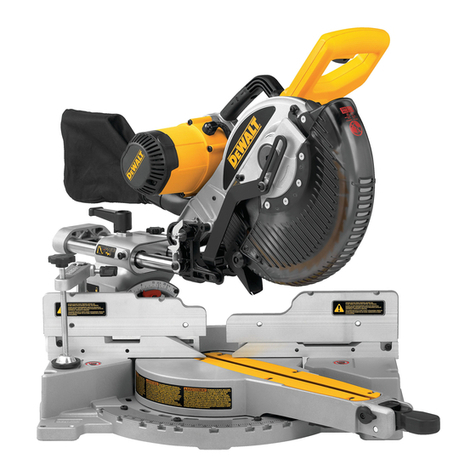
1. One No. DW713 miter saw with blade.
2. One blade wrench in wrench pocket shown in Figure 2.
3. One No. DW7053 Dust Bag.
Familiarization
Your miter saw is fully assembled in the carton. FIG. 1
Open the box and lift the saw out by the
convenient carrying handle, as shown in Figure
1.
Place the saw on a smooth, flat surface such as
a workbench or strong table.
Examine Figures 2 and 3 to become familiar
with the saw and its various parts. The section
on adjustments will refer to these terms and you
must know what and where the parts are.
CAUTION: Pinch Hazard. To reduce the risk of
injury, keep thumb underneath the handle when pulling the handle down. The lower guard
will move up as the handle is pulled down which could cause pinching.The handle is placed
close to the guard for special cuts.
• TURN OFF THE MACHINE and allow the blade to come to a complete stop before
raising the arm and prior to cleaning the blade area, removing debris in the path of the
blade, before servicing or adjusting tool. A moving blade can cause serious injury.
• PROPERLY SUPPORT LONG OR WIDE WORKPIECES. Loss of control of the
workpiece can cause injury.
• NEVER cross arms in front of blade while using tool. Always make a dry run
(unpowered) before making a finish cut so that you can check the path of the blade or
severe personal injury may result.
• ADDITIONAL INFORMATION regarding the safe and proper operation of power
tools (i.e. a safety video) is available from the Power Tool Institute, 1300 Sumner
Avenue, Cleveland, OH 44115-2851 (www.powertoolinstitute.com). Information is also
available from the National Safety Council, 1121 Spring Lake Drive, Itasca, IL 60143-
3201. Please refer to the American National Standards Institute ANSI 01.1 Safety
Requirements for Woodworking Machines and the U.S. Department of Labor OSHA
1910.213 Regulations.
WARNING: Do not connect unit to electrical power source until complete instructions
are read and understood.
WARNING: Always wear proper personal hearing protection that conforms to
ANSI S12.6 (S3.19) during use. Under some conditions and duration of use, noise from
this product may contribute to hearing loss.
WARNING: NEVER MAKE ANY CUT UNLESS THE MATERIAL IS SECURED ON
THE TABLE AND AGAINST THE FENCE.
WARNING: Some dust created by power sanding, sawing, grinding, drilling, and other
construction activities contains chemicals known to cause cancer, birth defects or other
reproductive harm. Some examples of these chemicals are:
• lead from lead-based paints,
• crystalline silica from bricks and cement and other masonry products, and
• arsenic and chromium from chemically-treated lumber (CCA).
Your risk from these exposures varies, depending on how often you do this type of work.
To reduce your exposure to these chemicals: work in a well ventilated area, and work
with approved safety equipment, such as those dust masks that are specially designed to
filter out microscopic particles.
• Avoid prolonged contact with dust from power sanding, sawing, grinding,
drilling, and other construction activities. Wear protective clothing and wash
exposed areas with soap and water. Allowing dust to get into your mouth, eyes, or
lay on the skin may promote absorption of harmful chemicals.
WARNING: Use of this tool can generate and/or disburse dust, which may cause serious
and permanent respiratory or other injury. Always use NIOSH/OSHA approved respiratory
protection appropriate for the dust exposure. Direct particles away from face and body.
For your convenience and safety, the following warning labels are on your miter saw.
ON MOTOR HOUSING:
WARNING: FOR YOUR OWN SAFETY, READ INSTRUCTION MANUAL
BEFORE OPERATING SAW.
WHEN SERVICING, USE ONLY IDENTICAL REPLACEMENT PARTS.
ALWAYS WEAR EYE PROTECTION.
DO NOT EXPOSE TO RAIN OR USE IN DAMP LOCATIONS.
ON MOVING FENCE:
ALWAYS ADJUST FENCE PROPERLY
BEFORE USE. CLAMP SMALL PIECES
BEFORE CUTTING. SEE MANUAL.
English
4
DW7080
LOCKNUTS
END PLATE
DW7082
DW7084
Press down lightly on the operating handle and pull out the lock down pin, as shown in
Figure 4. Gently release the downward pressure and allow the arm to rise to its full height.
Use the lock down pin when carrying the saw from one place to another. Always use the
carrying handle to transport the saw or the hand indentations shown in Figure 3.
Specifications
CAPACITY OF CUT
50° miter left and right
48° bevel left: 3° right
0° miter
Max. Height 3.5" (89 mm) Result Width 3.5" (89 mm)
Max. Width 6.1" (155 mm) Result Height 1.25" (32 mm)
45° miter
Max. Height 3.5" (89 mm) Result Width 2.4" (61 mm)
Max. Width 4.2" (107 mm) Result Height 1.25" (32 mm)
45° bevel
Max. Height 2.3" (58 mm) Result Width 3.5" (89 mm)
Max. Width 6.1" (155 mm) Result Height .75" (19 mm)
31.62° miter and 33.85° bevel
Max. Width 5.25" (133 mm) Result Height .9" (23 mm)
DRIVE
120 Volt Motor
2200 Watts 15 Amp Motor
5000 RPM Cut Helical Gears with Roller and Ball Bearings
Carbide Tooth Blade Automatic Electric Brake
Optional Accessories
The following accessories, designed for your saw, may be helpful. In some cases, other
locally obtained work supports, length stops, clamps, etc., may be more appropriate. Use
care in selecting and using accessories.
Extension, Work Support: DW7080
Used to support long overhanging workpieces, the work support is user assembled.
Your saw table is designed to accept two work supports; one on each side.
Adjustable Length Stop: DW7051
Requires the use of one work support (see drawing). It is used to make repetitive cuts
of the same length from 0 to 42" (107 cm).
Clamp: DW7082
Used for firmly clamping workpiece to the saw fence for precision cutting.
Dust Bag: DW7053 (Included with some models)
Equipped with a zipper for easy emptying, the dust bag will capture the majority of the
sawdust produced (not shown).
Crown Molding Fence: DW7084
Used for precision cutting of crown molding.
Laser Guide System: DW7187
Powered by the saw, the bright laser line delivers enhanced visibility in low and high
light locations. Easy to install.
Miter Saw LED Worklight System: DWS7085
Lighting used for greater visibility and cutting alignment during operation. Easy to
install.
Miter Saw Replacement Kerf Plate: DW7055
This durable plastic uncut plate limits blade tear out.
DW7187
DWS7085
SAW BLADES: ALWAYS USE 10" (254 mm) SAW BLADES WITH 5/8" (16 mm) ARBOR
HOLES. SPEED RATING MUST BE AT LEAST 5500 RPM. Never use a smaller diameter
blade. It will not be guarded properly. Use crosscut blades only! Do not use blades
designed for ripping, combination blades or blades with hook angles in excess of 7˚.
BLADE DESCRIPTIONS
APPLICATION DIAMETER TEETH
Construction Saw Blades (thin kerf with anti-stick rim)
General Purpose 10" (254 mm) 40
Fine Crosscuts 10" (254 mm) 60
Woodworking Saw Blades (provide smooth, clean cuts)
Fine crosscuts 10" (254 mm) 80
Non-ferrous metals 10" (254 mm) 80
NOTE: For cutting non-ferrous metals, use only saw blades
with TCG teeth designed for this purpose.
ACCESSORIES
WARNING: Since accessories, other than those offered by DEWALT, have not been
tested with this product, use of such accessories with this tool could be hazardous. To
reduce the risk of injury, only DEWALT, recommended accessories should be used with
this product.
English
5
IMPORTANT SAFETY INSTRUCTIONS
Changing or Installing a New Saw Blade (Fig. 5, 6)
WARNING: To reduce the risk of serious personal injury, turn off the tool
and disconnect it from the power source before attempting to move it, change
accessories or make any adjustments accept as written in laser adjustment
instructions.
CAUTION:
• Never depress the spindle lock button while the blade is under power or coasting.
• Do not cut ferrous metal (containing iron or steel) or masonry or fiber cement product
with this miter saw.
Removing the Blade
1. Unplug the saw.
2. Raise the arm to the upper position and raise the lower guard as far as possible.
3. Loosen, but do not remove guard bracket screw until the bracket can be raised far
enough to access the blade screw. Lower guard will remain raised due to the position
of the guard bracket screw.
4. Depress the spindle lock button (Fig. 3) while carefully rotating the saw blade by hand
until the lock engages.
Recommended accessories for use with your tool are available for purchase from your local
dealer or authorized service center. If you need assistance in locating any accessory for
your tool, please contact DEWALT Industrial Tool Co., 701 East Joppa Road, Baltimore,
MD 21286, call 1-800-4-DEWALT (1-800-433-9258) or visit our website www.dewalt.com.
Bench Mounting
Holes are provided in all four feet to facilitate bench mounting, as shown in Figure 2. (Two
different sized holes are provided to accommodate different sizes of screws. Use either
hole, it is not necessary to use both.) Always mount your saw firmly to prevent movement.
To enhance the tool’s portability, it can be mounted to a piece of 1/2" (12.7 mm) or thicker
plywood which can then be clamped to your work support or moved to other job sites and
reclamped.
NOTE: If you elect to mount your saw to a piece of plywood, make sure that the mounting
screws don’t protrude from the bottom of the wood. The plywood must sit flush on the
work support. When clamping the saw to any work surface, clamp only on the clamping
bosses where the mounting screw holes are located. Clamping at any other point will surely
interfere with the proper operation of the saw.
CAUTION: To prevent binding and inaccuracy, be sure the mounting surface is not
warped or otherwise uneven. If the saw rocks on the surface place a thin piece of material
under one saw foot until the saw sits firmly on the mounting surface.
FIG. 2
GUARD
RIGHT SIDE
FENCE
MITER LOCK
LEVER
MITER SCALE
BENCH
MOUNTING
HOLES
LEFT SIDE FENCE
CLAMPING KNOB
OPERATING
HANDLE
TABLE
BASE
HOLES FOR
EXTENSION KIT
FIG. 3
TRIGGER
SWITCH
CARRYING
HANDLE
SPINDLE LOCK
BUTTON
LEFT SIDE
FENCE
MOTOR
HOUSING
BEVEL
SCALE
MITER
DETENT MITER
SCALE
HAND
INDENTATION
BEVEL CLAMP
KNOB
DUST
SPOUT
MOTOR
END CAP
WRENCH
MITER
DETENT
OVER RIDE
English
6
5. Keeping the button depressed, use the other hand and
the wrench provided to loosen the blade screw. (Turn
clockwise, left-hand threads.)
6. Remove the blade screw, outer blade clamp, and
blade. The inner blade clamp may be left on the
spindle.
Installing a Blade
1. Unplug the saw.
2. With the arm raised, the lower guard held open and the
guard bracket, place the blade on the spindle against
the inner blade clamp with the teeth at the bottom of
the blade pointing toward the back of the saw.
3. Assemble the outer blade clamp onto the spindle.
4. Install the blade screw and, engaging the spindle lock,
tighten the screw firmly with wrench provided. (Turn
counterclockwise, left-hand threads.)
5. Return the guard bracket to its original position and
firmly tighten the guard bracket screw to hold bracket
in place.
WARNING:
• The guard bracket must be returned
to its original position and the
screw tightened before activating
the saw.
• Failure to do so may allow the guard
to contact the spinning saw blade
resulting in damage to the saw and
severe personal injury.
Transporting the Saw
WARNING: To reduce the risk of serious personal
injury, turn off the tool and disconnect it from the
power source before attempting to move it, change
accessories or make any adjustments accept as
written in laser adjustment instructions.
WARNING: To reduce the risk of serious personal
injury, ALWAYS lock the miter lock handle, bevel lock
handle, down lock pin, and fence adjustment knob before
transporting saw.
In order to conveniently carry the miter saw from place to
place, a carrying handle has been included on the top of
the saw arm, as shown in Figure 3. To transport the saw,
lower the arm and depress the lock down pin shown in
Figure 4.
ADJUSTMENTS
WARNING: To reduce the risk of serious personal
injury, turn off the tool and disconnect it from the
power source before attempting to move it, change
accessories or make any adjustments accept as
written in laser adjustment instructions.
FIG. 5
GUARD
GUARD
BRACKET
SCREW
WRENCH
FIG. 4
LOCK
DOWN
PIN
FIG. 6
BLADE
OUTER
CLAMP
WASHER
INNER CLAMP
WASHER
BLADE
SCREW
NOTE: Your miter saw is fully and accurately adjusted at
the factory at the time of manufacture. If readjustment due
to shipping and handling or any other reason is required,
follow the steps below to adjust your saw.
Once made, these adjustments should remain accurate.
Take a little time now to follow these directions carefully to
maintain the accuracy of which your saw is capable.
MITER SCALE ADJUSTMENT
Place a square against the saw’s fence and blade, as
shown in Figure 7. (Do not touch the tips of the blade
teeth with the square. To do so will cause an inaccurate
measurement.) Unlock miter lock lever (see Fig. 8) and
swing the miter arm until the miter detent locks it at the 0˚
miter position. Do not lock miter lock lever. If the saw blade
is not exactly perpendicular to the fence, loosen the three
screws that hold the miter scale to the base (shown in
Fig. 8) and move the scale/miter arm assembly left or right
until the blade is perpendicular to the fence, as measured
with the square. Retighten the three screws. Pay no
attention to the reading of the miter pointer at this point.
MITER POINTER ADJUSTMENT
Unlock miter lock lever and squeeze the miter detent
to move the miter arm to the zero position, as shown in
Figure 8. Unlock the miter lock lever to allow the miter
detent to snap into place as you rotate the miter arm past
zero. Observe the pointer and miter scale through the
viewing opening shown in Figure 9. If the pointer does not
indicate exactly zero, loosen the pointer screw, adjust the
pointer to 0˚ and retighten.
BEVEL SQUARE TO TABLE
To align the blade square to the rotary table, lock the arm
in the down position. Place a square against the blade
taking care to not have the square on top of a tooth, as
shown in Figure 10B. Loosen the Bevel Clamp Knob so
that you can move the Bevel Arm. Move the Bevel Arm
as necessary so that the blade is at 0° bevel to the table.
If the Bevel Arm needs adjustment, loosen the lock nut on
the right side Bevel Stop as shown in Figure 11, and adjust
the stop screw as necessary. Hold the stop screw in place
and tighten the lock nut.
BEVEL POINTER
If the bevel pointer does not indicate zero, loosen the screw
that holds it in place and move the pointer as necessary.
Suggestion: For accuracy, set the top edge so that it
aligns with zero.
BEVEL STOP
To set the 45° bevel stop shown in Figure 12, first loosen
the left side fence clamping knob and slide the left side
fence as far as it will go to the left. Move the arm to the
left until it stops on the left bevel stop screw. If the bevel
pointer does not indicate exactly 45°, loosen the left side
bevel stop lock nut and turn the screw downwards. Move
the arm to the left and tighten the bevel clamp knob firmly
English
7
when the bevel pointer indicates exactly 45°. Adjust the
left side bevel stop screw upwards until it firmly touches
the bevel stop. Retighten the nut while holding the screw
from turning.
To achieve 3° right bevel or 48° left bevel, the stop screws
must be adjusted to allow the arm to move to the desired
location. The bevel stops will need readjustment to the
zero and 45° positions after cuts are made.
FENCE ADJUSTMENT
WARNING: To reduce the risk of serious personal
injury, turn off the tool and disconnect it from the
power source before attempting to move it, change
accessories or make any adjustments accept as
written in laser adjustment instructions.
To bevel UP TO 48° left, the left side of the fence can
be adjusted to the left to provide clearance. To adjust
the fence, loosen the knob shown in Figure 13 and slide
the fence to the left. Make a dry run with the saw turned
off and check for clearance. Adjust the fence to be as
close to the blade as practical to provide maximum
workpiece support, without interfering with arm up and
down movement. Tighten knob securely. When the bevel
operations are complete, don’t forget to relocate the fence
to the right.
GUARD ACTUATION AND VISIBILITY
CAUTION: Pinch Hazard. To reduce the risk of injury,
keep thumb underneath the handle when pulling the
handle down. The lower guard will move up as the handle
is pulled down which could cause pinching.
The blade guard on your saw has been designed to
automatically raise when the arm is brought down and to
lower over the blade when the arm is raised.
The guard can be raised by hand when installing or
removing saw blades or for inspection of the saw. NEVER
RAISE THE BLADE GUARD MANUALLY UNLESS THE
SAW IS TURNED OFF.
NOTE: Certain special cuts will require that you manually
raise the guard. See section on Cutting Base Molding
Up to 3.5" (88.9 mm) High (page 11).
The front section of the guard is louvered for visibility
while cutting. Although the louvers dramatically reduce
flying debris, they are openings in the guard and safety
glasses should be worn at all times when viewing through
the louvers.
AUTOMATIC ELECTRIC BRAKE
Your saw is equipped with an automatic electric blade
brake which stops the saw blade within 5 seconds of
trigger release. This is not adjustable.
On occasion, there may be a delay after trigger release to
brake engagement. On rare occasions, the brake may not
engage at all and the blade will coast to a stop.
If a delay or “skipping” occurs, turn the saw on and off 4 or
5 times. If the condition persists, have the tool serviced by
an authorized DEWALT service center.
FIG.9
MITER
SCALE POINTER
FIG. 10B
FIG. 10A
BEVEL
HOUSING
STOP SCREW
LOCK NUT
FIG. 11
BEVEL STOP
BEVEL
POINTER
SCREW
BEVEL
SCALE
FIG. 7
FIG. 8
MITER
LOCK
LEVER
MITER
SCALE
ADJUSTMENT
SCREW
(three of these)
MITER
DETENT
English
8
OPERATION
WARNING: To reduce the risk of serious personal
injury, turn off the tool and disconnect it from the
power source before attempting to move it, change
accessories or make any adjustments accept as
written in laser adjustment instructions.
WARNING: Always use eye protection. All users and
bystanders must wear eye protection that conforms to
ANSI Z87.1 (CAN/CSA Z94.3).
Plug the saw into any household 60 Hz power source.
Refer to the nameplate for voltage. Be sure the cord will
not interfere with your work.
SWITCH
To turn the saw on, depress the trigger switch shown in
Figure 14. To turn the tool off, release the switch. There
is no provision for locking the switch on, but a hole is
provided in the trigger for insertion of a padlock to lock
the saw off.
CUTTING WITH YOUR SAW
NOTE: Although this saw will cut wood and many non-
ferrous materials, we will limit our discussion to the cutting
of wood only. The same guidelines apply to the other
materials. DO NOT CUT FERROUS (IRON AND STEEL)
MATERIALS OR MASONRY WITH THIS SAW. Do not
use any abrasive blades.
CROSSCUTS
Cutting of multiple pieces is not recommended but can
be done safely by ensuring that each piece is held firmly
against the table and fence. A crosscut is made by cutting
wood across the grain at any angle. A straight crosscut
is made with the miter arm at the zero degree position.
Set the miter arm at zero, hold the wood on the table and
firmly against the fence. Turn on the saw by squeezing the
trigger switch shown in Figure 14.
When the saw comes up to speed (about 1 second) lower
the arm smoothly and slowly to cut through the wood. Let
the blade come to a full stop before raising arm.
CAUTION: Always use a work clamp to maintain
control and reduce the risk of workpiece damage and
personal injury.
Miter crosscuts are made with the miter arm at some angle
other than zero. This angle is often 45° for making corners,
but can be set anywhere from zero to 50° left or right. After
selecting the desired miter angle, be sure to tighten the
miter lock lever. Make the cut as described above.
To cut through an existing pencil line on a piece of wood,
match the angle as close as possible. Cut the wood a little
too long and measure from the pencil line to the cut edge
to determine which direction to adjust the miter angle and
recut. This will take some practice, but it is a commonly
used technique.
Always be sure the blade has stopped before removing it
from the kerf. The brake is not a substitute for guards or for
ensuring your own safety by giving the saw your complete
attention.
MITER LOCK ADJUSTMENT (FIG. 15)
The miter lock rod should be adjusted if the table of the
saw can be moved when the miter lock handle is locked
down. To adjust, put the miter lock handle in the up
position. Using a slotted screwdriver, adjust the lock rod in
1/8 clockwise turn increments to increase the lock force.
To ensure the miter lock is functioning properly, re-lock
miter lock handle to a non-detent miter angle.
NOTE: Some models may have a set screw as shown in
Figure 15. Using a 3/32 hex wrench, loosen the set screw
on the pivot pin. Tighten set screw after adjustment is
complete.
Brushes
WARNING: To reduce the risk of serious personal
injury, turn off the tool and disconnect it from the
power source before attempting to move it, change
accessories or make any adjustments accept as
written in laser adjustment instructions.
Inspect carbon brushes regularly by unplugging tool,
removing the motor end cap (Fig. 2), lift the brush spring
and withdraw the brush assembly. Keep brushes clean
and sliding freely in their guides. Always replace a used
brush in the same orientation in the holder as it was prior
to its removal. Carbon brushes have varying symbols
stamped into their sides, and if the brush is worn down to
approximately1/2"(12.7 mm),thespringwillnolongerexert
pressure and they must be replaced. Use only identical
DEWALT brushes. Use of the correct grade of brush is
essential for proper operation of electric brake. New brush
assemblies are available at DEWALT service centers. The
tool should be allowed to “run in” (run at no load) for 10
minutes before use to seat new brushes. The electric brake
may be erratic in operation until the brushes are properly
seated (worn in). Always replace the brush inspection cap
after inspection or servicing the brushes.
While “running in” DO NOT TIE, TAPE, OR OTHERWISE
LOCK THE TRIGGER SWITCH ON. HOLD BY HAND
ONLY.
FIG. 14
TRIGGER
SWITCH
HOLE FOR PADLOCK
LEFT SIDE
FENCE
CLAMPING
KNOB
FIG. 13
LEFT SIDE
BEVEL STOP
SCREW
STOP
SCREW
LOCK
NUT
FIG. 12
BEVEL
POINTER
BEVEL
CLAMP
KNOB
FIG. 15
SET SCREW (IF EQUIPPED)
SLOTTED
ADJUSTMENT
ROD