manuals.online logo
Brands
  1. Home
  2. •
  3. Brands
  4. •
  5. Kärcher
  6. •
  7. Pressure Washer
  8. •
  9. Kärcher HD 7/20 G Classic User manual

Kärcher HD 7/20 G Classic User manual

This manual suits for next models

2

Other Kärcher Pressure Washer manuals

Kärcher HD 13/35 Ge User manual

Kärcher

Kärcher HD 13/35 Ge User manual

Kärcher K 4.25 User manual

Kärcher

Kärcher K 4.25 User manual

Kärcher K 4 My Karcher User manual

Kärcher

Kärcher K 4 My Karcher User manual

Kärcher HD 1000 Si User manual

Kärcher

Kärcher HD 1000 Si User manual

Kärcher KHB 5 Battery User manual

Kärcher

Kärcher KHB 5 Battery User manual

Kärcher HD 5/12 CX User manual

Kärcher

Kärcher HD 5/12 CX User manual

Kärcher K 2.399 User manual

Kärcher

Kärcher K 2.399 User manual

Kärcher K 3 Premium Power Control User manual

Kärcher

Kärcher K 3 Premium Power Control User manual

Kärcher HD 2.0/1000 Ed User manual

Kärcher

Kärcher HD 2.0/1000 Ed User manual

Kärcher HD 7.9/72 Ec User manual

Kärcher

Kärcher HD 7.9/72 Ec User manual

Kärcher G 4000 OH User manual

Kärcher

Kärcher G 4000 OH User manual

Kärcher HD 10/25 S VEX User manual

Kärcher

Kärcher HD 10/25 S VEX User manual

Kärcher K 2.015 User manual

Kärcher

Kärcher K 2.015 User manual

Kärcher HDS 8/18-4 C User manual

Kärcher

Kärcher HDS 8/18-4 C User manual

Kärcher K 3.95 M User manual

Kärcher

Kärcher K 3.95 M User manual

Kärcher HDS 1000 DE User manual

Kärcher

Kärcher HDS 1000 DE User manual

Kärcher K 7 User manual

Kärcher

Kärcher K 7 User manual

Kärcher K 4 Pure User manual

Kärcher

Kärcher K 4 Pure User manual

Kärcher HDS 7/16 C User manual

Kärcher

Kärcher HDS 7/16 C User manual

Kärcher HDS 6/10-4 C Classic User manual

Kärcher

Kärcher HDS 6/10-4 C Classic User manual

Kärcher 1.109-151.0 User manual

Kärcher

Kärcher 1.109-151.0 User manual

Kärcher K 5.480 User manual

Kärcher

Kärcher K 5.480 User manual

Kärcher HD 6/12-4 CX User manual

Kärcher

Kärcher HD 6/12-4 CX User manual

Kärcher K 2 Classic User manual

Kärcher

Kärcher K 2 Classic User manual

Popular Pressure Washer manuals by other brands

Shark RG-232637 Service manual

Shark

Shark RG-232637 Service manual

Shakti Technology S3 user manual

Shakti Technology

Shakti Technology S3 user manual

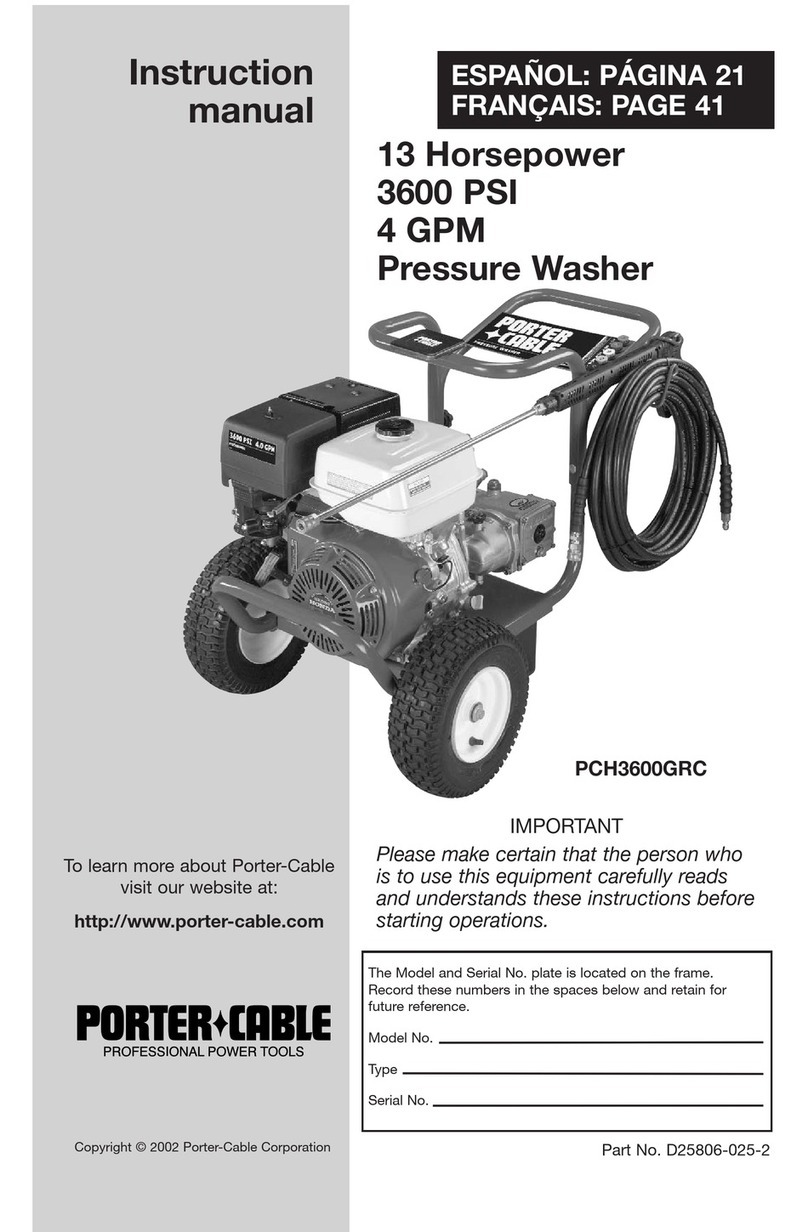
Porter-Cable D25806-025-2 instruction manual

Porter-Cable

Porter-Cable D25806-025-2 instruction manual

REM POWER HDEm 662 manual

REM POWER

REM POWER HDEm 662 manual

Landa HS-3000 Operator's manual

Landa

Landa HS-3000 Operator's manual

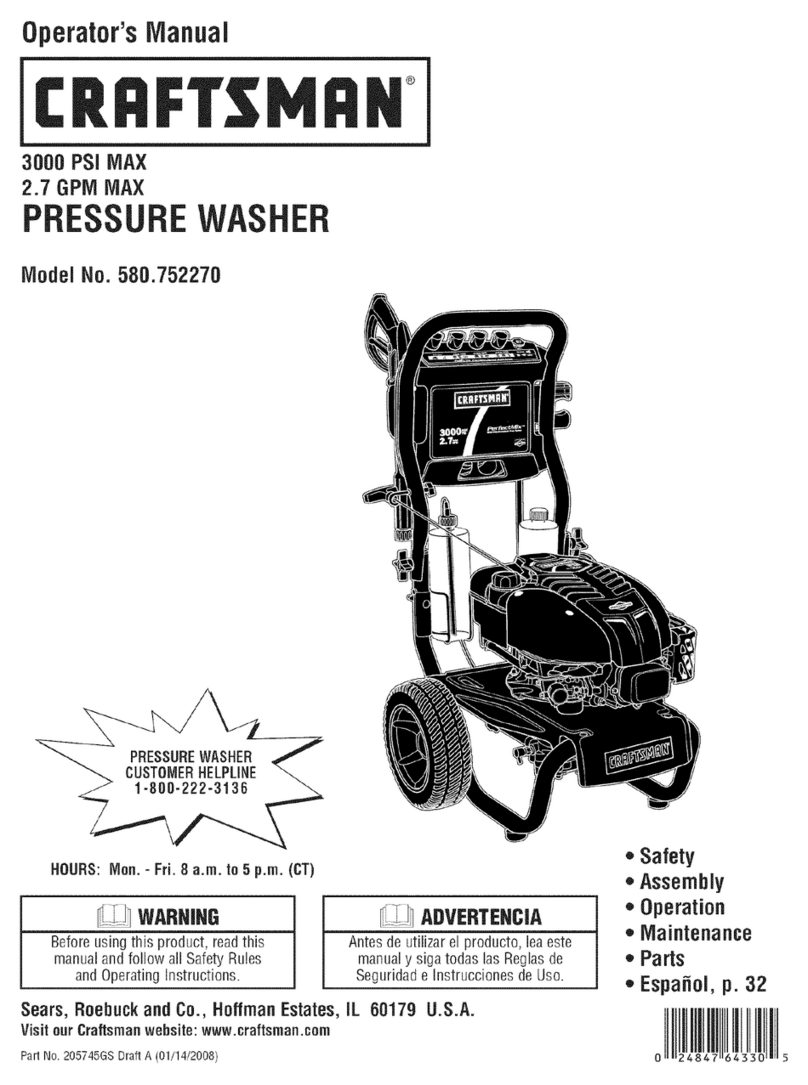
Craftsman 580.752270 Operator's manual

Craftsman

Craftsman 580.752270 Operator's manual

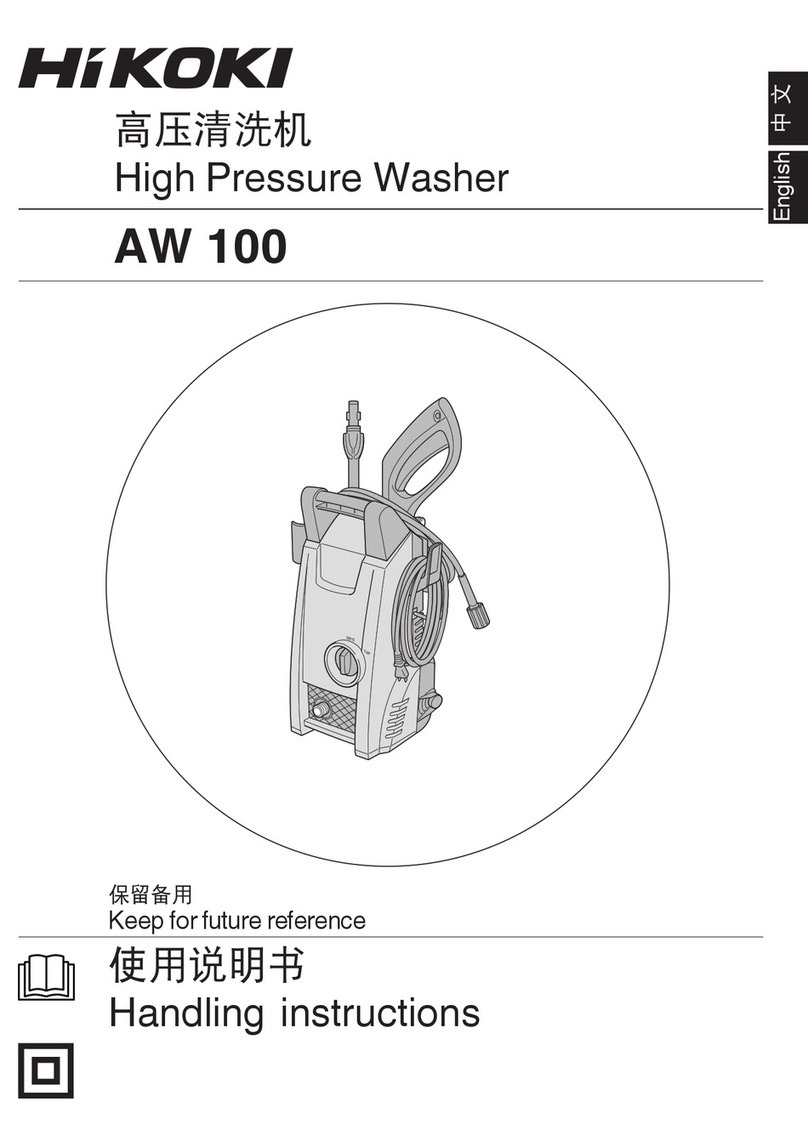
HIKOKI AW 100 Handling instructions

HIKOKI

HIKOKI AW 100 Handling instructions

Delco DC 1302 instruction manual

Delco

Delco DC 1302 instruction manual

BIEMMEDUE 120/10 - 170/13 Use and maintenance manual

BIEMMEDUE

BIEMMEDUE 120/10 - 170/13 Use and maintenance manual

ARKSEN 014-HG-14141-HR Operator's manual

ARKSEN

ARKSEN 014-HG-14141-HR Operator's manual

Black & Decker PW1700SPX manual

Black & Decker

Black & Decker PW1700SPX manual

Kärcher 595 - SPARE Spare parts

Kärcher

Kärcher 595 - SPARE Spare parts

Kranzle B 10 200 operating manual

Kranzle

Kranzle B 10 200 operating manual

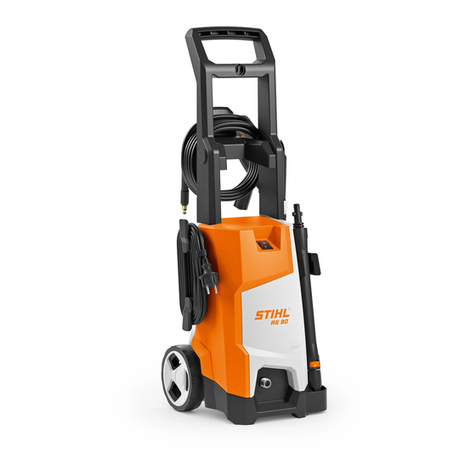
Stihl RE 90 instruction manual

Stihl

Stihl RE 90 instruction manual

PowR-Quip PQ-2600 Operator's manual

PowR-Quip

PowR-Quip PQ-2600 Operator's manual

Hotsy 5645 operating instructions

Hotsy

Hotsy 5645 operating instructions

Kranzle B170T operating manual

Kranzle

Kranzle B170T operating manual

Kärcher HD 7/16-4 ST manual

Kärcher

Kärcher HD 7/16-4 ST manual

manuals.online logo
manuals.online logoBrands
  • About & Mission
  • Contact us
  • Privacy Policy
  • Terms and Conditions

Copyright 2025 Manuals.Online. All Rights Reserved.

HD G Classic
HD G Classic
9 5
9768 0 ( /2 )
1
2
3
4
5
6
7
8
10
13
9
A
12
11
15
16
14
17 18
19
B
1
2
3
C D
3
1
2

Contents
General notes
Read these original operating instruc-
tions and the enclosed safety instruc-
tions before using the device for the first
time. Proceed accordingly.
Keep both books for future reference or for future own-
ers.
Intended use
Use this high-pressure cleaner only for the following
types of work:
ƔThe high-pressure jet is intended exclusively for
cleaning, e.g. machines, vehicles, structures, tools,
facades, terraces and garden equipment.
We recommend using a dirt blaster as a special acces-
sory for stubborn soiling.
The device is suitable for operation in altitudes of up to
500 m. For operation in higher altitudes the engine must
be adapted by the KÄRCHER Customer Service.
DANGER
Operating the device at gas stations or other dan-
gerous areas
Risk of injury!
Follow the respective safety regulations.
Note
Please do not let waste water contaminated with miner-
al oil reach soil, water or the sewage system. Only clean
the engine and the engine bottom in a suitable site with
an oil trap.
Water supply limit values
ATTENTION
Dirty water
Premature wear and tear or deposits in the device
Supply the device using only clean water, or recycled
water that does not exceed the specified limit values.
The following limit values apply to the water supply:
ƔpH value: 6.5-9.5
ƔElectrical conductivity: Conductivity of fresh water
+ 1200 µS/cm, maximum conductivity 2000 µS/cm
ƔSettleable particles (sample volume 1 l, settling time
30 minutes): < 0.5 mg/l
ƔFilterable particles: < 50 mg/l, no abrasive sub-
stances
ƔHydrocarbons: < 20 mg/l
ƔChloride: < 300 mg/l
ƔSulphate: < 240 mg/l
ƔCalcium: < 200 mg/l
ƔTotal hardness: < 28°dH, < 50° TH, < 500 ppm
(&D&RPJO)
ƔIron: < 0.5 mg/l
ƔManganese: < 0.05 mg/l
ƔCopper: < 2 mg/l
ƔActive chloride: < 0.3 mg/l
ƔFree of unpleasant odours
Environmental protection
The packing materials can be recycled. Please
dispose of packaging in accordance with the en-
vironmental regulations.
Electrical and electronic appliances contain valu-
able, recyclable materials and often components
such as batteries, rechargeable batteries or oil,
which - if handled or disposed of incorrectly - can
pose a potential threat to human health and the environ-
ment. However, these components are required for the
correct operation of the appliance. Appliances marked
by this symbol are not allowed to be disposed of togeth-
er with the household rubbish.
Notes on the content materials (REACH)
Current information on content materials can be found
at: www.kaercher.com/REACH
Accessories and spare parts
Only use original accessories and original spare parts.
They ensure that the appliance will run fault-free and
safely.
Information on accessories and spare parts can be
found at www.kaercher.com.
Scope of delivery
Check the contents for completeness when unpacking.
If any accessories are missing or in the event of any
shipping damage, please notify your dealer.
Symbols on the device
General notes...................................................... 
Intended use........................................................ 
Environmental protection..................................... 
Accessories and spare parts ............................... 
Scope of delivery ................................................. 
Symbols on the device ........................................ 
Safety instructions ............................................... 
Safety devices ..................................................... 
Device description ............................................... 
Colour coding ...................................................... 
Initial start-up....................................................... 
Operation............................................................. 
Transportation ..................................................... 
Storage................................................................ 
Care and service ................................................. 
Troubleshooting guide ......................................... 
Warranty .............................................................. 
Safety instructions High-pressure cleaner........... 
Technical data ..................................................... 1
Risk of burns from hot surfaces.
Do not aim the high-pressure jet may at per-
sons, animals, live electrical equipment or
the device itself.
Protect the device against frost.
According to applicable regulations, the de-
vice must never be used with the drinking
water network without a system separator.
Ensure that the connection to your house
water system, with which the high-pressure
cleaner is operated, is equipped with a sys-
tem separator according to EN 12729 type
BA. Water that has flowed through a system
separator is classified as undrinkable. Al-
ways connect the system separator to the
water inlet and never directly to the device.
Health risk from poisonous exhaust gases.
Never inhale the exhaust gases.

7
Safety instructions
It is essential that you read the safety instructions
before initial start-up.
Observe the national regulations for liquid jet
cleaners.
.
Observe the national accident prevention regula-
tions. Liquid jet cleaners must be tested regularly.
The test result must be recorded in writing.
Do not modify the device or accessories.
DANGER
Do not operate the device if fuel has been spilled. In
such a case, move the device to another location and
avoid any sparking.
Do not store fuel in the proximity of naked flames or
devices such as ovens, heating boilers, water heat-
ers, etc. that have a pilot light or may generate
sparks. Do not use or spill fuel in the above environ-
ment.
Keep easily flammable objects at least 2 m away from
the muffler.
Do not operate the device without a muffler. Check
the muffler regularly and clean or replace it if neces-
sary.
Do not operate the device in forests, bushy or grassy
areas if the exhaust pipe is not equipped with a spark
catcher.
Do not run the motor with the air filter removed or
without a cover over the intake opening.
Do not adjust any control springs, governor control
linkage or other parts that could increase the speed of
the motor.
Do not touch any hot parts such as the muffler, cylin-
der or cooling fins.
Never bring your hands and feet close to rotating
parts.
Never operate the device in confined spaces.
Do not use unsuitable fuels as they can be danger-
ous.
Safety devices
CAUTION
Missing or modified safety devices
Safety devices are provided for your own protection.
Never modify or bypass safety devices.
Safety lever
The safety lever on the high-pressure gun prevents the
device from being switched on inadvertently.
Overflow valve
If the high-pressure gun is closed, the overflow valve
opens and the entire water volume will flow back to the
pump suction side.
The overflow valve is set by the manufacturer and
sealed. Setting shall only be carried out by Customer
Service.
Safety valve
The safety valve opens if the pressure relief valve is
faulty.
The safety valve is set and sealed at the factory. The ad-
justment is made by Customer Service.
Thermostat valve on the pump
The thermostat valve opens when the maximum per-
missible water temperature is exceeded and discharges
the hot water outdoors.
Device description
Illustration A
1Fuel tank
2Starter rope (device for manual start)
3Fuel valve
4Push handle
5High-pressure gun storage clip
6Oil level indicator
7Oil fill screw (pump)
8Oil drain screw (pump)
9Oil dip (engine)
10 Engine switch
11 High-pressure connection
12 Water connection with filter
13 Hose holder
14 Nozzle screws
15 High-pressure nozzle
16 Spray lance
17 High-pressure gun
18 Lever for high-pressure gun
19 High-pressure hose
Colour coding
Control elements for the cleaning process are yel-
low.
Initial start-up
DANGER
Risk of injury!
Device, tubes, high-pressure hose and connections
must be in faultless condition.
Otherwise, the device must not be used.
Flammable
No smoking is allowed.
Fires, sparks, open flames and smoking are
prohibited.
Observe notes in the instructions for the bat-
tery, on the battery and in these operating in-
structions.
Warning

Unpacking
1. Check the contents of the package when unpacking.
2. Notify the dealer immediately in the case of shipping
damage.
Checking the oil level in the high-pressure
pump
1. Place the device on a flat and level surface.
2. Check the high-pressure pump oil level at the oil lev-
el indicator.
The oil level must be in the middle of the oil level in-
dicator.
3. Top up the oil if necessary. For oil type, see Chapter
Technical data.
Starting up the engine
1. Before initial start-up of the engine, read the original
instructions for the engine and observe the safety in-
structions.
Check the engine oil level
1. Check the oil level in the engine.
Do not start up the device if the oil level is low.
2. Top up the oil if necessary. For oil type see Chapter
Technical data.
Topping up with fuel
DANGER
Unsuitable fuel
Risk of explosion
Only fill with petrol. Unleaded petrol (86 RON) can be
used.
1. Open the fuel tank cap.
2. Fill the fuel tank with fuel.
3. Close the cap of the fuel tank.
4. Wipe up any spilled fuel.
Installing water filter
Note
Please follow the direction of the mark onthe water
filter .
Illustration C
1Union joint
2Water filter
3Arrow
1. Attach the water filter, the arrow must point to the
pump.
2. Fasten the union joint on the pump.
Installing the pushing handle and wheels
Illustration B
1. Put the push handle on the base frame.
2. Secure the push handle with the screws and nuts.
3. Push the wheels onto the axle.
4. Push the fastener onto the axle and tighten the
screws.
Installing the accessories
1. Connect the spray lance to the high-pressure gun.
2. Install the nozzle with the nozzle screw at the spray
lance.
3. Screw the high-pressure hose to the high-pressure
gun.
4. Fasten the high-pressure hose to the high-pressure
connection.
Water connection
Connection to a water line
WARNING
Health risk from return flow of contaminated water
into the drinking water network.
Observe the regulations of your water supply company.
1. Check the feed pressure, input temperature and in-
put amount of the water supply. See Chapter Tech-
nical data for the requirements.
2. Connect the system separator and water connection
of the device with a hose (minimum length 7.5 m,
minimum diameter 3/4”).
The supply hose is not included in the scope of de-
livery.
3. Open the water inlet.
Venting the device
1. Open the water inlet.
2. Remove the high-pressure nozzle.
3. Start the engine according to the original instruc-
tions for the engine.
4. Allow the device to run until the escaping water is
free of air bubbles.
5. Switch off the device.
6. Fit the high-pressure nozzle.
Operation
DANGER
Risk of explosion!
Flammable liquids or gases can ignite or cause an ex-
plosion.
Do not spray flammable liquids. Do not operate this de-
vice in hazardous areas (e.g. filling stations).
CAUTION
Environmental damage.
Clean engines at places with a suitable oil separator on-
ly.
Turning on the Device
1. Open the water supply.
2. Start the engine with the high-pressure gun actuated
according to the operating instructions of the engine
manufacturer.
ATTENTION
Risk of damage
Do not pull the starter rope when the engine is running.
Note
The high-pressure nozzle can be removed to facilitate
the start-up process.
ƔPress the lever on the high-pressure gun as long as
necessary until the engine starts.
Replacing the nozzle
DANGER
Risk of injury!
Switch the device off prior to replacing nozzle and do
not activate hand spray gun until the device is pressure-
less.
1 Secure the high-pressure gun. To do so, push the
safety lever towards the front.
2 Unscrew nozzle screws and remove the nozzle.
3 Put on a new nozzle.
4 Screw on the nozzle screws and tighten them by
hand.

Interrupting operation
1. Close the high-pressure gun to interrupt operation.
2. Open the high-pressure gun to continue operation
again.
3. In case of extended interruptions (several minutes),
switch off the engine.
4. Activate the high-pressure gun until the device is
pressureless.
5. Secure the hand spray gun using the safety lever so
that it doesn’t open accidentally.
Note
When the lever of the high-pressure gun is released, the
engine continues to run at zero speed. The water thus
circulates within the pump and gets heated.When the
cylinder head at the pump has reached the maximum
permissible temperature (65 °C), the therm-valve
opens. Hot water is drained. Cold water will follow and
cool the pump.
Finishing operation
After operating the water using saline water (sea water),
open the high-pressure gun and rinse the device for at
least 2 - 3 minutes using tap water.
1. Set the engine switch to “OFF” and close the fuel
valve.
2. Shut off the water supply.
3. Activate the high-pressure gun until the device is
pressureless.
4. Press the safety lever of the high-pressure gun to
secure the lever of the pistol against being released
accidentally.
5. Remove the water inlet hose from the device.
Transportation
CAUTION
Risk of injury, risk of damage
Be aware of the weight of the device during transport.
1. Place the spray lance with the high-pressure gun on
the hooks.
2. Coil up the high-pressure hose and hang it over the
hook.
3. Push the push handle down, and pull / push the de-
vice.
4. When transporting the device in vehicles, secure the
device against shifting and tipping over.
Storage
CAUTION
Failure to observe the weight
Risk of injury and damage
Be aware of the weight of the device during storage.
Store the device indoors only.
Frost protection
ATTENTION
Frost destroys the device if it is not completely
drained of water.
Store the device in a frost-free location.
If frost-free storage is not possible:
1. Drain excess water.
2. Pump commonly available anti-freeze through the
device.
3. Allow the device to run for a maximum of 1 minute
until the pump and lines are empty.
Note
Use commonly available, Glycol-based vehicle anti-
freeze. Observe the handling instructions of the anti-
freeze manufacturer.
Care and service
ATTENTION
Danger due to device inadvertently starting up
Risk of injury
Switch off the engine switch and remove the spark plug
connector prior to all work on the device.
CAUTION
Hot surfaces
Risk of injury
Allow the device to cool down prior to all work.
Note
Observe the information on care and service in the orig-
inal instructions for the motor.
Safety inspection/maintenance contract
You can agree on regular safety inspections or close a
maintenance contract with your dealer. Please seek ad-
vice on this.
Maintenance intervals
Each time before use
zCheck the high-pressure hose for damage.
Immediately replace a damaged high-pressure
hose.
zCheck the device for leaks.
3 drops of water per minute are permissible. Contact
Customer Service in the case of more serious leaks.
Weekly
1. Check the oil level of the engine and pump. Contact
Customer Service if the oil is milky (water mixing
with the oil).
2. Clean the water filter, see Chapter Cleaning the wa-
ter filter.
After the first 50 operating hours
Replace the oil in the high-pressure pump.
After 100 operating hours
1 Replace the oil in the engine.
2 Carry out maintenance tasks on the engine accord-
ing to the specifications provided in the operating in-
structions of the engine.
Every 500 operating hours, at least once annually
Have the device maintained by Customer Service.
Maintenance work
Cleaning the water filter
1. Shut off the water inlet.
2. Unscrew the filter cup.
Illustration D
1Water filter
2Filter QXW
3Filter chamber
3. Pull the filter insert downwards and off.
4. Clean the filter insert and filter cup.
5. Re-install the filter insert.
6. Screw on the filter cup again and tighten.

Replacing the oil in the high-pressure pump
For the oil type and filling quantity, see Chapter Techni-
cal data.
1. Provide a catch pan for at least 1 litre of oil.
2. Unscrew the oil drain plug.
3. Drain the oil into the catch pan.
4. Screw in the oil drain plug.
5. Slowly fill with new oil until the middle of the oil level
indicator is reached. Air bubbles must be able to es-
cape.
Troubleshooting guide
DANGER
Risk of injury if the device is left running in an unat-
tended state.
Switch off the engine and remove the spark plug con-
nector before performing any work on the device.
Risk of burns!
Do not touch hot mufflers, cylinders or radiator ribs.
In case of any malfunctions not mentioned in this chap-
ter, contact the authorised Customer Service when in
doubt or when you have been explicitly advised to do
so.
Warranty
The warranty conditions issued by our relevant sales
company apply in all countries. We shall remedy possi-
ble malfunctions on your appliance within the warranty
period free of cost, provided that a material or manufac-
turing defect is the cause. In a warranty case, please
contact your dealer (with the purchase receipt) or the
next authorised customer service site.
(See overleaf for the address)
Safety instructions High-pressure
cleaner
Read these safety instructions and the
original instructions before using the de-
vice for the first time. Act in accordance
with them. Keep the two booklets for future reference or
for future owners.
ƔIn addition to the notes in the operating instructions,
you also need to take into consideration the general
safety regulations and accident prevention guide-
lines applicable by law.
ƔWarnings and information notices attached to the
device provide important information for hazard-free
operation.
Hazard levels
DANGER
ƔIndication of an imminent threat of danger that will
lead to severe injuries or even death.
WARNING
ƔIndication of a potentially dangerous situation that
may lead to severe injuries or even death.
CAUTION
ƔIndication of a potentially dangerous situation that
may lead to minor injuries.
ATTENTION
ƔIndication of a potentially dangerous situation that
may lead to damage to property.
Protective gear
CAUTION Ɣ࣯Wear suitable gloves when work-
ing with the device. Ɣ࣯Wear hearing protection whenev-
er a sound pressure level over 80 dB(A) is specified in
the operating instructions. See chapter Technical data
in the operating instructions. Ɣ࣯Wear suitable protective
clothing and safety goggles to protect yourself from wa-
ter or dirt backsplash. Ɣ࣯Aerosols can be formed when
using high-pressure cleaners. Inhaling aerosols can be
harmful for your health. Employers are obliged to per-
form a hazard assessment in order to define, depending
on the surface to be cleaned and the environment, pro-
tective measures necessary to prevent inhalation of
aerosols. Respiratory protection masks of class FFP 2
or above are suitable for protection against aqueous
aerosols. Ɣ࣯Exhaust gases and soot may be produced
during the use of hot water high-pressure cleaners with
combustion engines. Inhaling exhaust gas and touching
soot can cause damage to health. Necessary protective
measures against inhalation of exhaust gases and con-
tact with soot shall be specified. Please use a suitable
respiratory mask for protection from exhaust gas and
suitable gloves for protection from soot.
Fault Remedy
Device does not start zFollow operating instructions of the motor manufacturer!
zContact Customer Service if necessary.
Device does not reach
required pressure
zCheck operating speed of the motor.
zCheck the size of the nozzle and compare with the required size specified in the chap-
ter Technical data.
zVent the device, see Chapter Venting the device.
zClean the water filter.
zCheck the water supply volume and compare with the required volume specified in
the chapter Technical data.
zClean all inlet pipes to the pump.
zContact Customer Service if necessary.
Pump leaking
Up to 3 drops of water per
minute are permissible.
zIn case of more serious leaks, have the device checked by Customer Service.
Pump knocking zClean the water filter.
zCheck the water supply line for leaks.
zVent the device, see Chapter Venting the device
zContact Customer Service if necessary.