English
6
REGARDING LITHIUM-ION BATTERY TRANSPORTATION
When transporting a lithium-ion battery, please observe the following precautions.
WARNING
Notify the transporting company that a package contains
a lithium-ion battery, inform the company of its power
output and follow the instructions of the transportation
company when arranging transport.
●
Lithium-ion batteries that exceed a power
output of 100Wh are considered to be in the freight
classification of Dangerous Goods and will require
special application procedures.
●
For transportation abroad, you must comply with
international law and the rules and regulations of the destination country.
PRECAUTIONS FOR CORDLESS CLEANER
1. Always charge the battery at a temperature of 0°C – 40°C. A temperature of less
than 0°C will result in over charging which is dangerous. The battery cannot be
charged at a temperature higher than 40°C.
The most suitable temperature for charging is that of 20°C – 25°C.
2. When one charging is completed, leave the charger for about 15 minutes before
the next charging of battery.
Do not charge more than two batteries consecutively.
3. Do not allow foreign matter to enter the hole for connecting the rechargeable
battery.
4. Never disassemble the rechargeable battery and charger.
5. Never short-circuit the rechargeable battery. Short-circuiting the battery will cause
a great electric current and overheat. It results in burn or damage to the battery.
6. Do not dispose of the battery in fire.
If the battery is burnt, it may explode.
7. Bring the battery to the shop from which it was purchased as soon as the post-
charging battery life becomes too short for practical use. Do not dispose of the
exhausted battery.
8. Using an exhausted battery will damage the charger.
9. Do not insert object into the air ventilation slots of the charger.
Inserting metal objects or inflammables into the charger air ventilation slots will
result in electrical shock hazard or damaged charger.
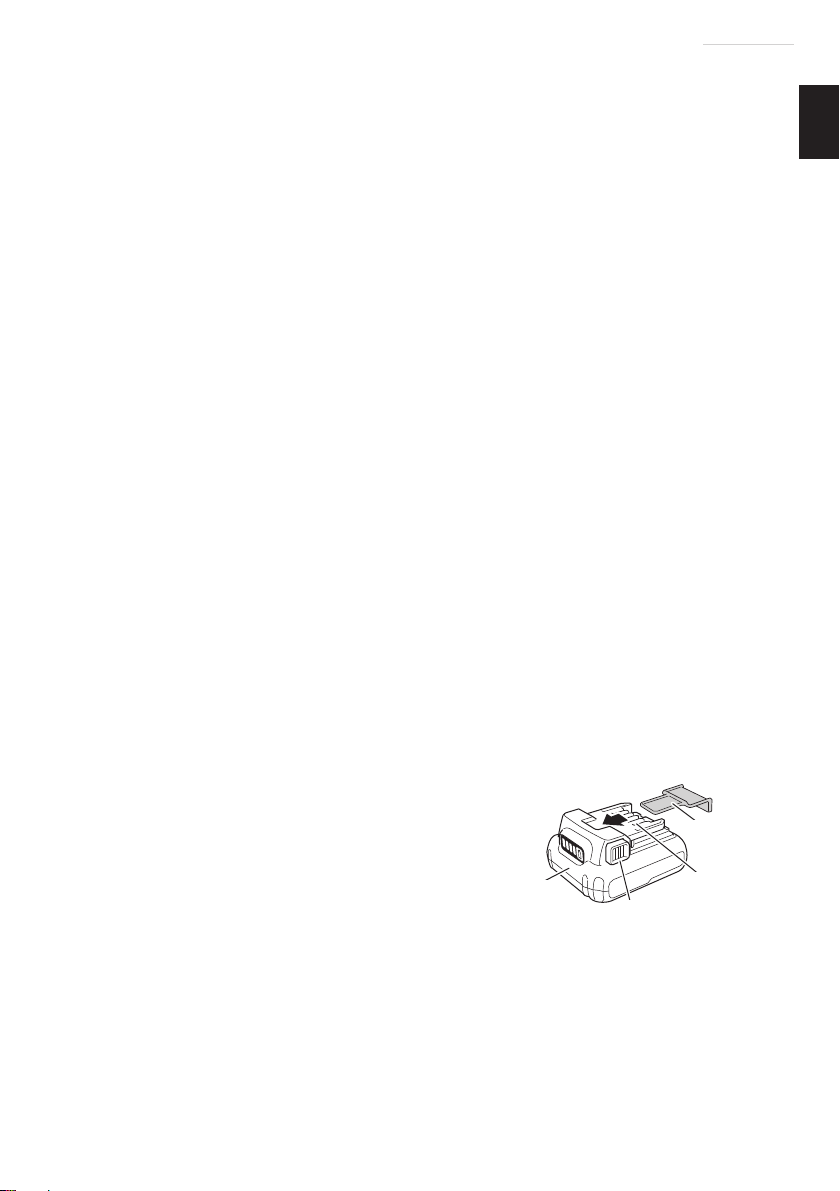
10. Prevent the appliance from sucking in the following: Fire or injury may result.
○
Foaming liquids such as oil, hot water, chemicals or detergent.
○
Generated spark during metal grinding or cutting.
○
High temperature things, such as lighted cigarette.
○
Inflammable substances (gasoline, thinner, benzene, kerosene, paint, etc.),
explosive substances (nitroglycerine, etc.), combustible substances (aluminum,
zinc, magnesium, titanium, red phosphorus, yellow phosphorus, celluloid, etc.)
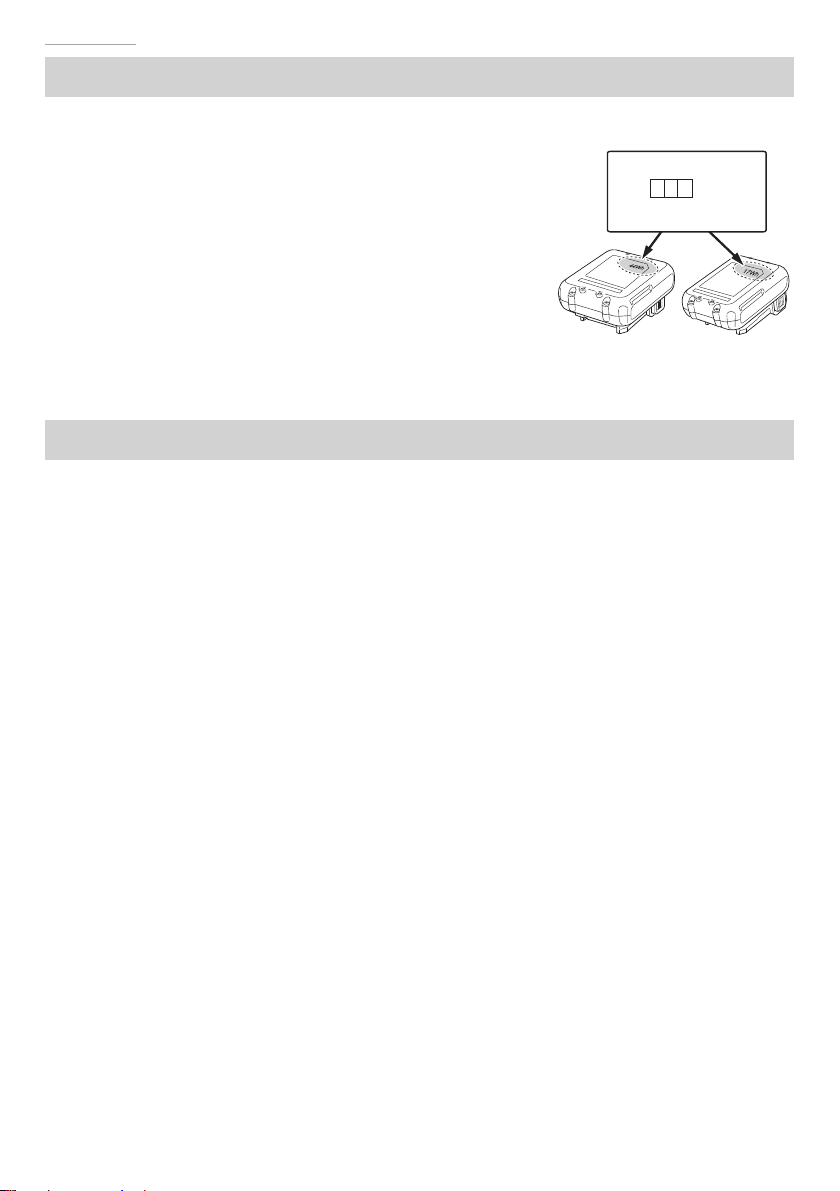
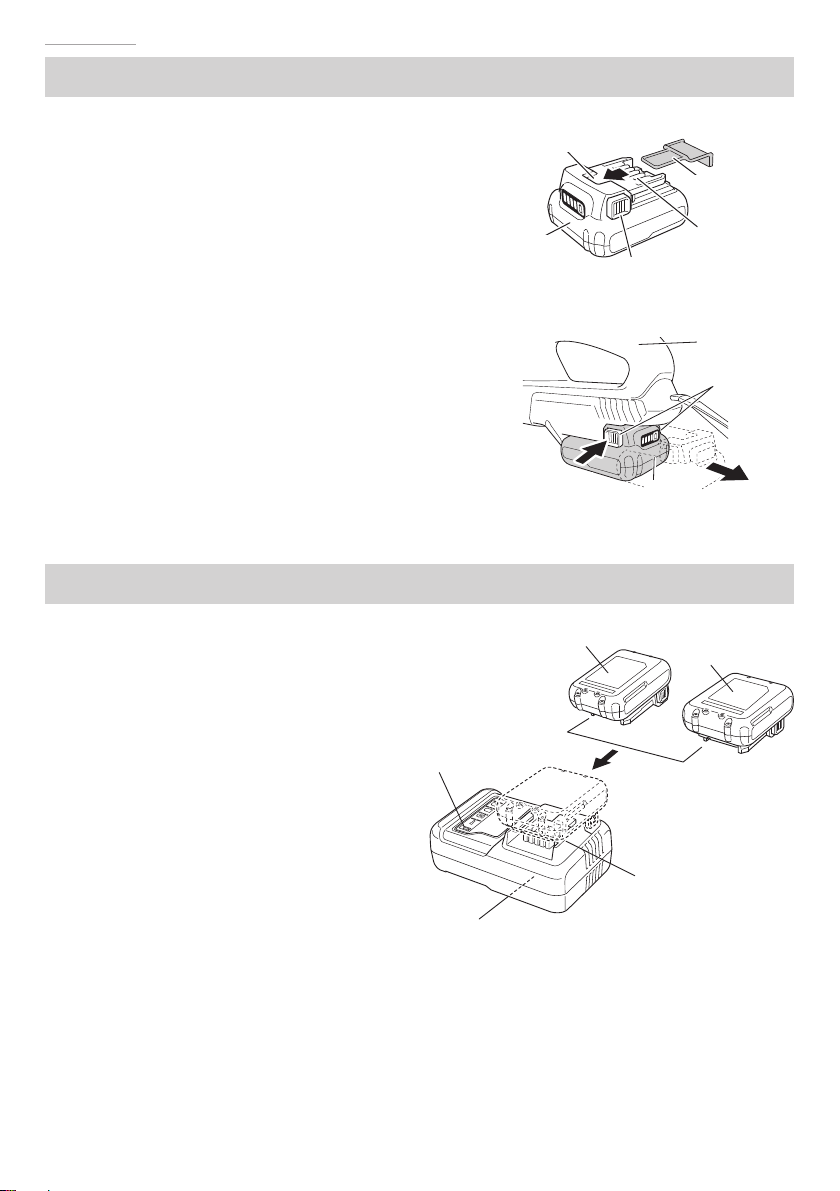
Wh
Power Output
2 to 3 digit number
BSL1240M BSL1215
Fig. 2
00BookR12DAChS.indb600BookR12DAChS.indb6 2021/05/1412:07:522021/05/1412:07:52