manuals.online logo
Brands
  1. Home
  2. •
  3. Brands
  4. •
  5. Lindy
  6. •
  7. Network Router
  8. •
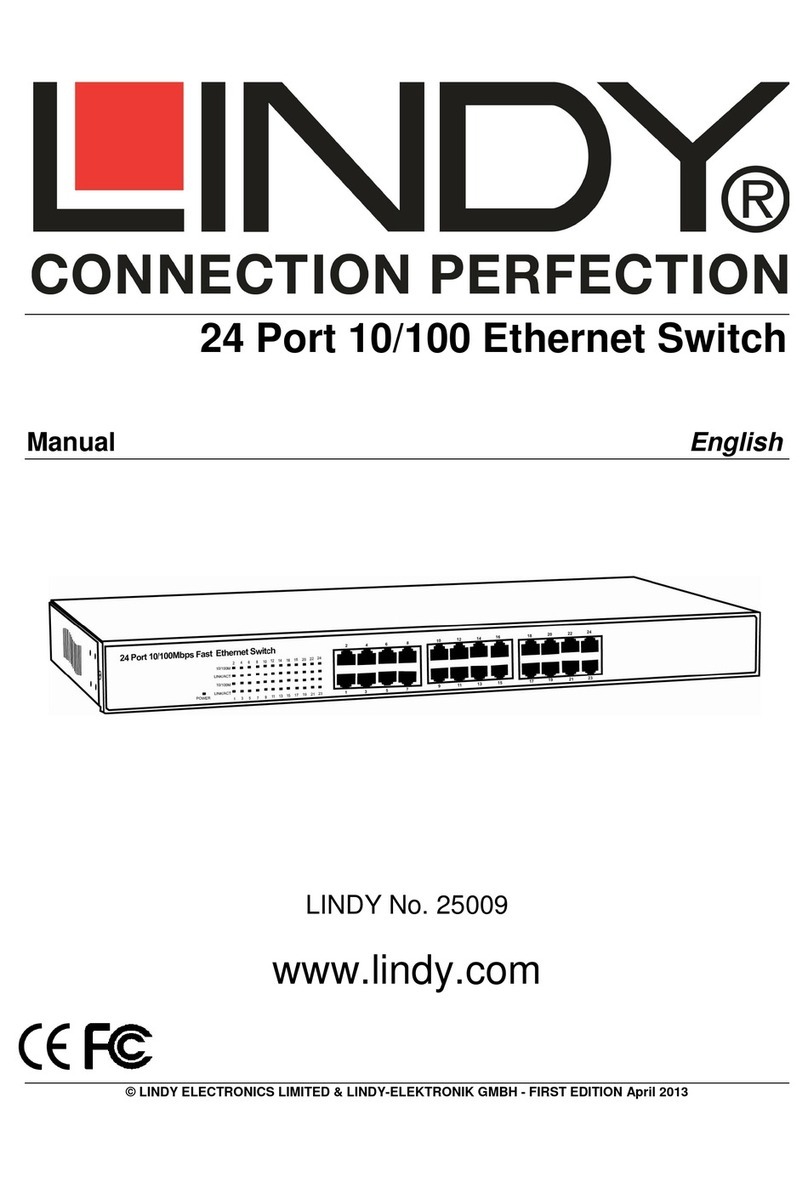
  9. Lindy 25009 User manual

Lindy 25009 User manual

This manual suits for next models

1

Other Lindy Network Router manuals

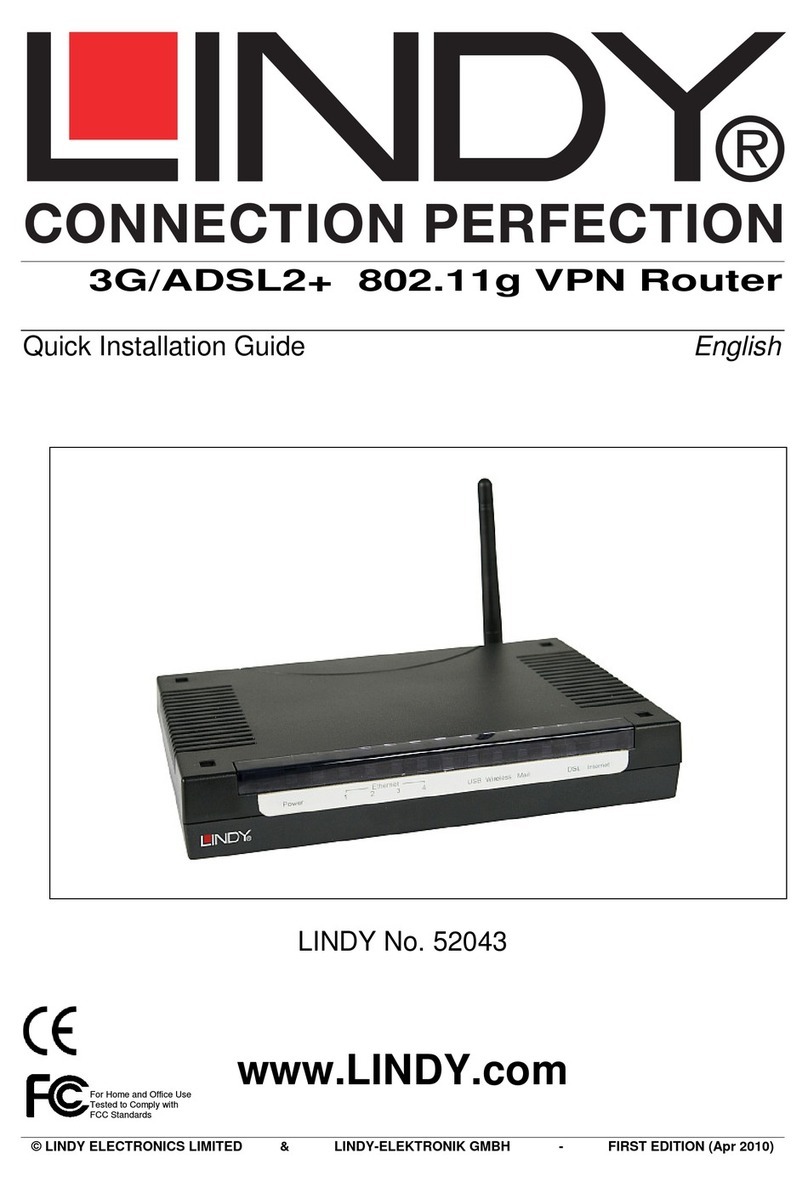
Lindy Network Router User manual

Lindy

Lindy Network Router User manual

Lindy 25008 User manual

Lindy

Lindy 25008 User manual

Lindy 25020 User manual

Lindy

Lindy 25020 User manual

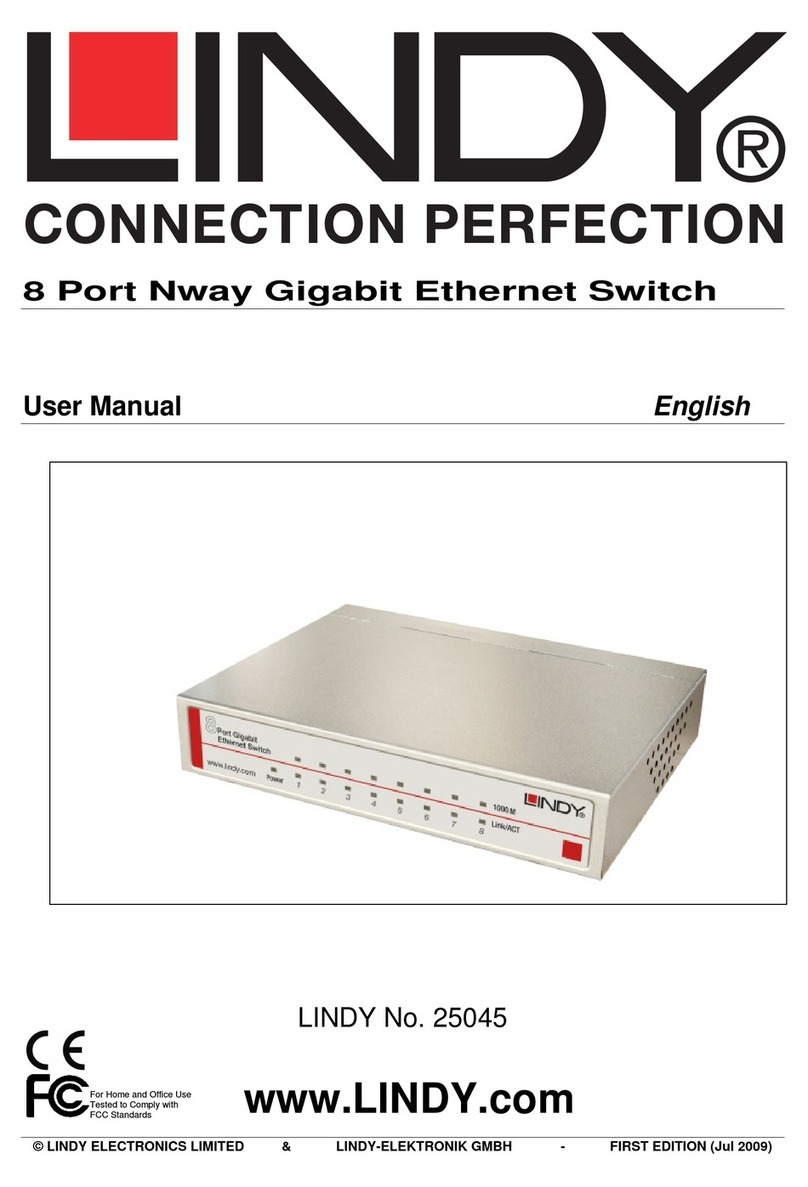
Lindy 25045 User manual

Lindy

Lindy 25045 User manual

Lindy 25030 User manual

Lindy

Lindy 25030 User manual

Lindy 25009 User manual

Lindy

Lindy 25009 User manual

Lindy 52043 User manual

Lindy

Lindy 52043 User manual

Lindy Wireless LAN Router User manual

Lindy

Lindy Wireless LAN Router User manual

Lindy 25046 User manual

Lindy

Lindy 25046 User manual

Lindy 52043 User manual

Lindy

Lindy 52043 User manual

Lindy 25130 User manual

Lindy

Lindy 25130 User manual

Lindy 25120 User manual

Lindy

Lindy 25120 User manual

Lindy 25021 User manual

Lindy

Lindy 25021 User manual

Popular Network Router manuals by other brands

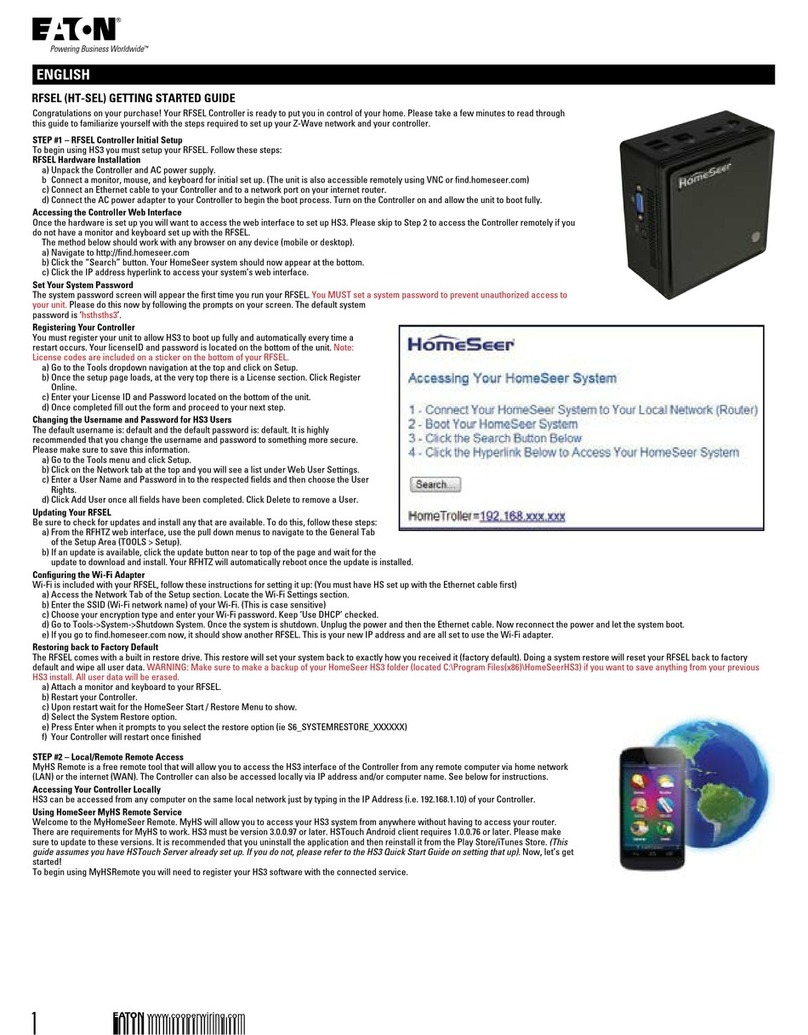
TRENDnet TEW-435BRM - 54MBPS 802.11G Adsl Firewall M Quick installation guide

TRENDnet

TRENDnet TEW-435BRM - 54MBPS 802.11G Adsl Firewall M Quick installation guide

Siemens SIMOTICS CONNECT 400 manual

Siemens

Siemens SIMOTICS CONNECT 400 manual

Alfa Network ADS-R02 Specifications

Alfa Network

Alfa Network ADS-R02 Specifications

Barracuda Networks Link Balancer quick start guide

Barracuda Networks

Barracuda Networks Link Balancer quick start guide

ZyXEL Communications ES-2024PWR Support notes

ZyXEL Communications

ZyXEL Communications ES-2024PWR Support notes

HPE FlexNetwork 5510 HI Series Openflow configuration guide

HPE

HPE FlexNetwork 5510 HI Series Openflow configuration guide

Allied Telesis AT-AR236E quick start guide

Allied Telesis

Allied Telesis AT-AR236E quick start guide

ADTRAN NetVanta 3458-PoE quick start

ADTRAN

ADTRAN NetVanta 3458-PoE quick start

C&H Technologies EM405-8 manual

C&H Technologies

C&H Technologies EM405-8 manual

Huawei WiFi Mesh 3 Product description

Huawei

Huawei WiFi Mesh 3 Product description

Addonics Technologies ISC8P2G-S Quick install guide

Addonics Technologies

Addonics Technologies ISC8P2G-S Quick install guide

Atel W02 Arch+ Faqs

Atel

Atel W02 Arch+ Faqs

Allnet ALL0333AU user guide

Allnet

Allnet ALL0333AU user guide

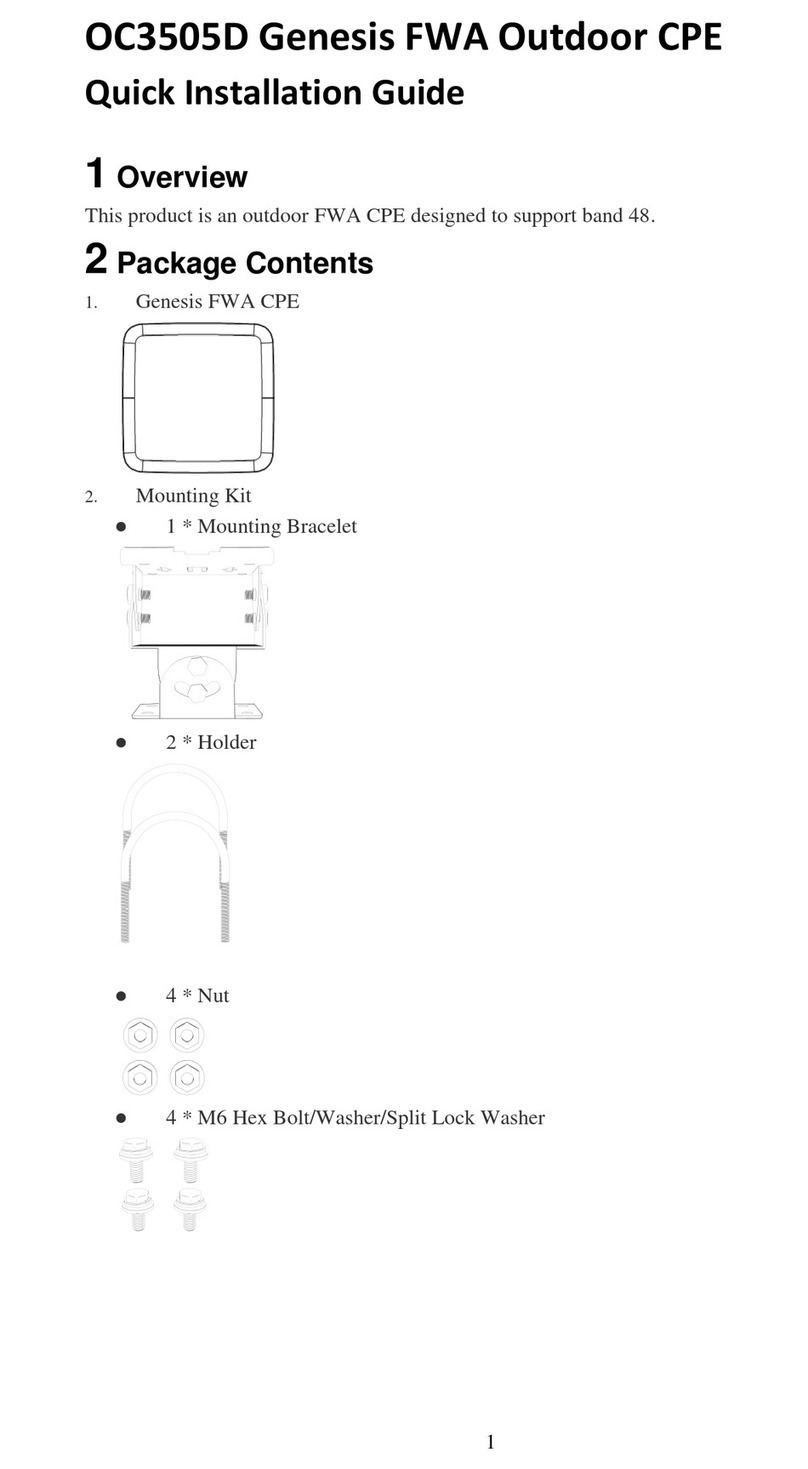
Sercomm Genesis OC3505D Quick installation guide

Sercomm

Sercomm Genesis OC3505D Quick installation guide

Billion BIPAC 5102 Series user manual

Billion

Billion BIPAC 5102 Series user manual

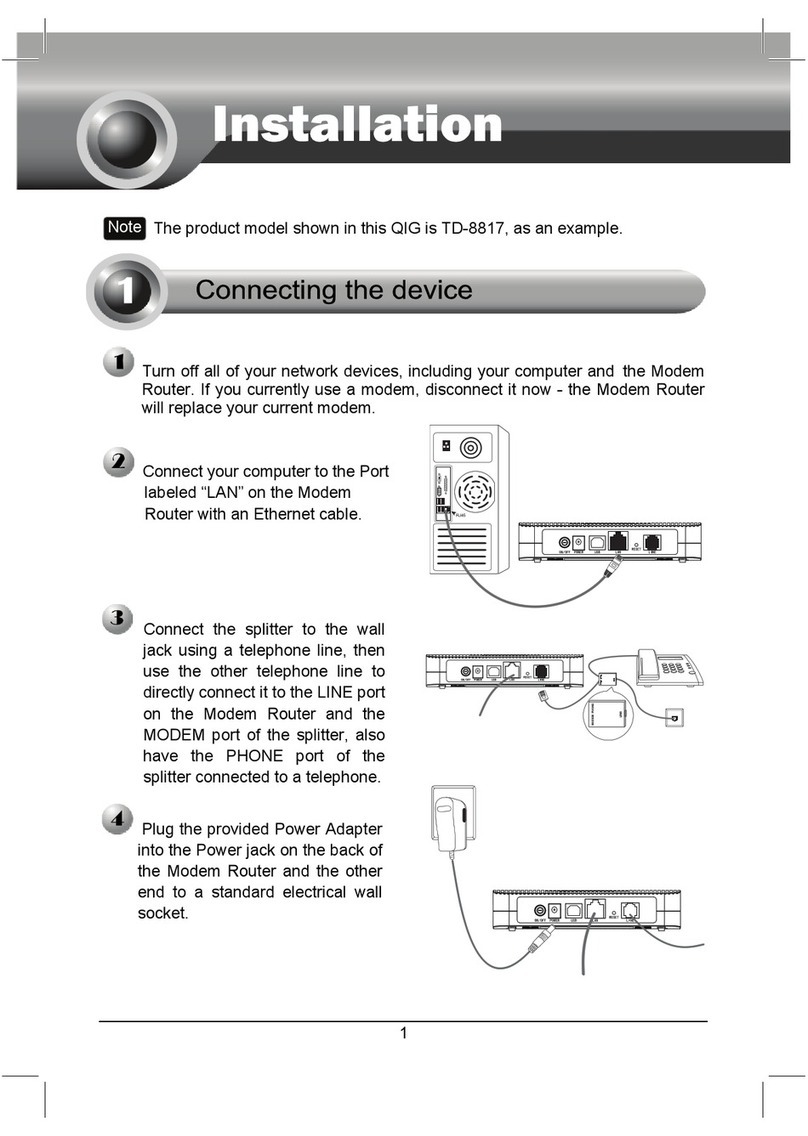
TP-Link TD-8817 QIG

TP-Link

TP-Link TD-8817 QIG

Motorola MR1900 user guide

Motorola

Motorola MR1900 user guide

Cisco SOHO Series Regulatory compliance and safety information

Cisco

Cisco SOHO Series Regulatory compliance and safety information

manuals.online logo
manuals.online logoBrands
  • About & Mission
  • Contact us
  • Privacy Policy
  • Terms and Conditions

Copyright 2025 Manuals.Online. All Rights Reserved.

16 & 24 Port Fast Ethernet
NWAY Switch
User Manual English
LINDY No. 25009, 25017
www.lindy.com
Introduction
Thank you for purchasing the LINDY Fast Ethernet NWAY
Switch. This high performance network switch is ideal for small
networks or for segmenting larger networks into smaller,
connected subnets for improved performance.
All of its ports are capable of 10/100Mbps auto-negotiation, while
the 10/100Mbps auto-sensing ability provides the easiest, most
hassle-free way to integrate older 10Base-T network devices.
This switch delivers a dedicated 10 or 100Mbps connection to
every attached client with no bandwidth congestion issues. It
also supports an auto MDI/MDI-X function - each port can be
used to connect to any other Ethernet device without the need
for crossover cables!
Store-and-forward architecture is used by the switch to filter and
forward data after each packet is received and examined to be
free of errors. All of the ports support full and half-duplex
operation which doubles the network bandwidth and allows the
simultaneous transmission and reception of frames without
causing collisions.
The ‘Plug & Play’ switch requires no special software to
configure and is fully compliant with the 10Base-T specifications
of the IEEE802.3 Standard and with 100Base-TX specifications
of the IEEE802.3u Standard. Diagnostic LEDs on the front panel
show the operating status of both the switch and the individual
ports.
Packing List
16 or 24 Port 10/100Mbps Fast Ethernet NWAY Switch
1 x power cable
19” Rack mount brackets with screws, rubber feet
This manual
Specifications
Standards: IEEE 802.3 10Base-T, 802.3u 100Base-TX,
IEEE 802.3x Flow Control
Ports: 16 or 24 x RJ-45 10/100Mbps Fast Ethernet
Auto MDI/MDI-X (Auto crossover)
Network speed: 10/100/Mbps & Full/Half-duplex mode auto
detection
Switching Architecture: Store and Forward
MAC Address: 8K
Buffer Memory: 160KB
NWAY Auto-negotiation: All ports
Dimensions: 441 x 130 x 44mm (WxDxH) 24 Port model
Dimensions: 441 x 161 x 44mm (WxDxH) 16 Port model
Power Supply: internal 3.3V, 4A (100 ~ 240V AC, 50 ~ 60
Hz, external)
Operating Temperature: 0-40°C
Operating Humidity: 10-90% (Non-condensing)
For indoor use only
LED Indicators
LED Status Operation
On Power is on
Power Off Power is off
On The port is connected
Flashing The port is transmitting or
receiving data
Link/Act
Off No connection
Installation
Operating Environment
This switch must be installed and operated within the limits
of the specified operating temperature and humidity (see the
Specifications section)
Do not place objects on top of the unit. Do not obstruct any
vents on the unit
Do not position the switch in direct exposure to the sun, or
near any heat source such as a heater, radiator etc.
Prevent water and moisture entering the unit. If necessary,
use a dehumidifier to reduce humidity.
Connecting network devices
This switch features Auto MDI/MDI-X RJ-45 ports for easy
connection to other network devices using straight-through type
connecting cable. As a minimum, the network patch cables must
at least comply with the Category 5 standard for 10 and
100Mbps data transmission.
1. Connect one end of the network cable to the RJ-45 port on
the switch. Connect the other end to the RJ-45 port on the
network device
2. Follow the same procedure to connect each of the RJ-45
ports on the switch.
3. Please always be aware that the maximum length of any
Ethernet segment is 100m. This can be achieved by using
patch cables of no more then 5m length at both ends plus
an installation cable in between for the remaining length.
Using higher spec network cable can increase this to a
certain extent.
4. Connect the power cable to the mains and to the power
socket on the unit.
Connecting to another network switch
You can use any port to make a connection to another switch,
with either straight or crossover cable, as all the ports support
Auto MDI/MDI-X.
Rack mounting the switch
The switch can either be installed standalone or mounted in a
19” rack. The switch is supplied with two rack mounting brackets
and screws for this purpose.
Troubleshooting
The power LED is not lit
Check the power cable is properly connected to both the
mains outlet and the switch
Make sure the power at the mains socket is switched on!
The Link/Act LED is not lit when connected to a network
device
Check the power cable and power switch of the device
connected to the switch. Make sure it is turned on!
Check the network cable. Make sure it is properly
connected to the switch and to the network device. The
segment length has to be below 100 metres (see remark
above) and all cables and connectors should be at least
category 5 compliant.
If this does not solve the problem try another port of the
switch that works OK and also check if the other device
works OK by attaching it to another properly working
network switch
If you experience any other problems with the switch please
contact LINDY or your supplier.
Radio Frequency Energy, Certifications
FCC Warning
This equipment has been tested and found to comply with the limits for a Class A
Digital device, pursuant to part 15 of the FCC Rules. These limits are designed to
provide reasonable protection against harmful interference in a commercial
environment. This equipment generates, uses, and can radiate radio frequency
energy and, if not installed and used in accordance with the instructions, may
cause harmful interference to radio communications.
Operation of this equipment in a residential area is likely to cause harmful
interference in which case the user will be required to correct the interference at his
own expense.
This device complies with Part 15 of the FCC Rules.
Operation is subject to the following two conditions:
(1) this device may not cause harmful interference, and
(2) this device must accept any interference received; including interference that
may cause undesired operation.
LINDY No’s 25009 & 25017
1
st
Edition November 2005
www.lindy.com