manuals.online logo
Brands
  1. Home
  2. •
  3. Brands
  4. •
  5. Novus
  6. •
  7. Receiver
  8. •
  9. Novus NR2310-O/G User manual

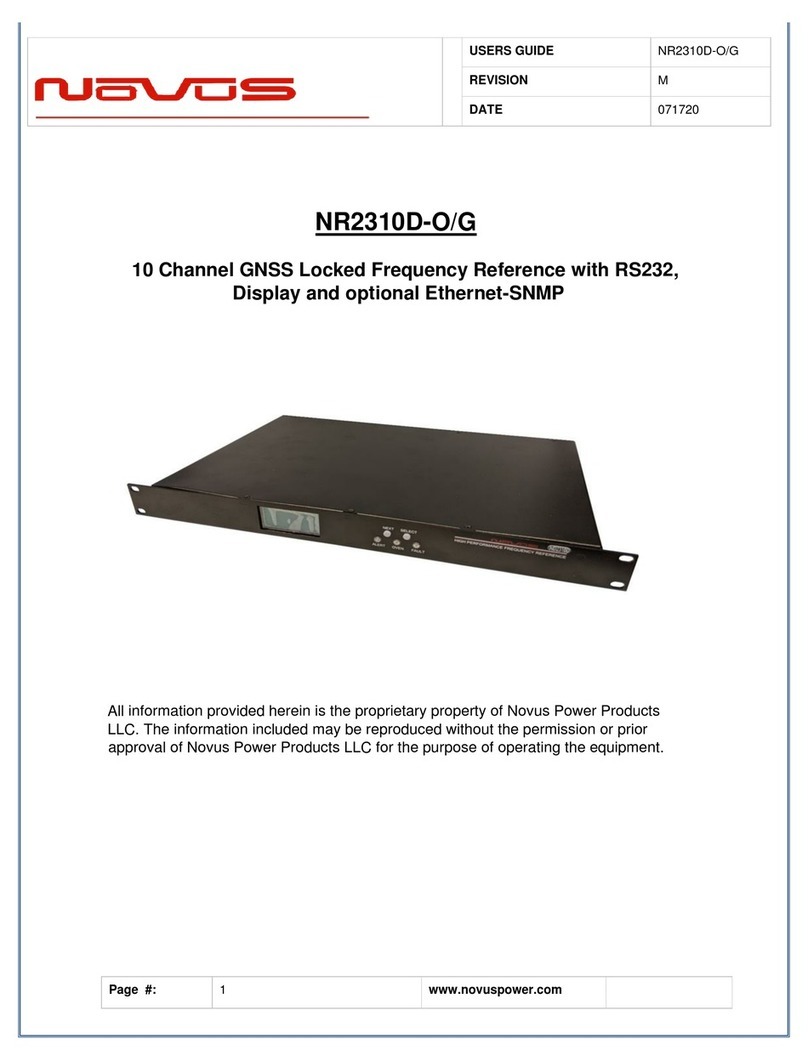
Novus NR2310-O/G User manual

Other Novus Receiver manuals

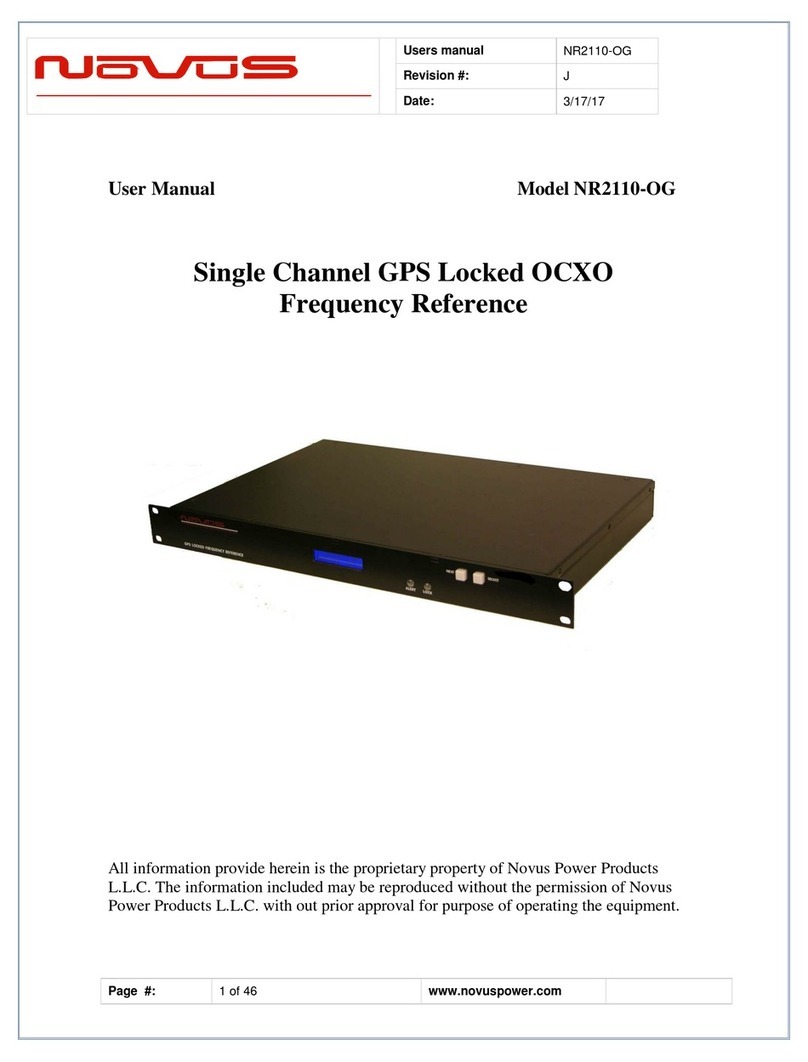
Novus NR2110-OG User manual

Novus

Novus NR2110-OG User manual

Novus NVPT-111VT User manual

Novus

Novus NVPT-111VT User manual

Novus NVPT-A121VT User manual

Novus

Novus NVPT-A121VT User manual

Novus NR3700-O/G User manual

Novus

Novus NR3700-O/G User manual

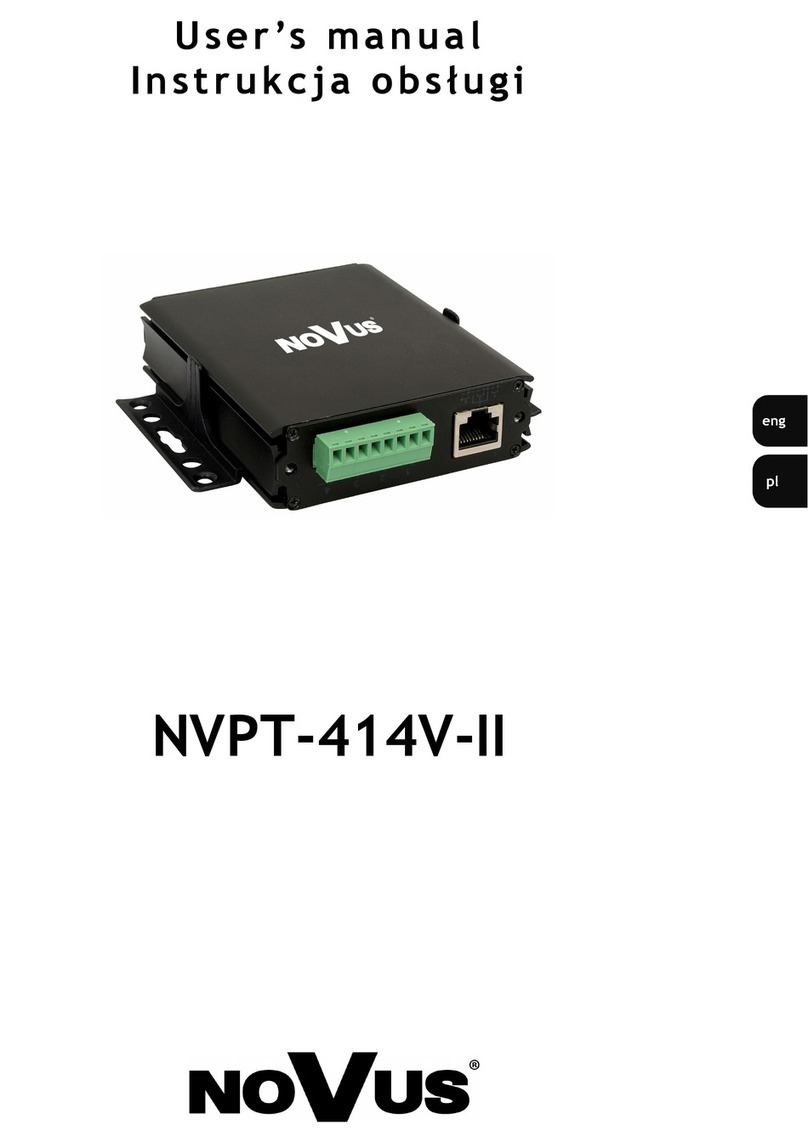
Novus NVPT-414V-II User manual

Novus

Novus NVPT-414V-II User manual

Novus N4430-O-G User manual

Novus

Novus N4430-O-G User manual

Novus PICOPOD NR7000 User manual

Novus

Novus PICOPOD NR7000 User manual

Novus NVPT-A122VRH User manual

Novus

Novus NVPT-A122VRH User manual

Novus NR2310D-O/G User manual

Novus

Novus NR2310D-O/G User manual

Novus NVPT-A151VR-HD User manual

Novus

Novus NVPT-A151VR-HD User manual

Popular Receiver manuals by other brands

Televes ZAS HD SAT user manual

Televes

Televes ZAS HD SAT user manual

Realistic DX-75 Operating and service instructions

Realistic

Realistic DX-75 Operating and service instructions

Saris 4620 Assembly instructions

Saris

Saris 4620 Assembly instructions

Mini DTR 206C PVR user manual

Mini

Mini DTR 206C PVR user manual

RF Elements TwistPort manual

RF Elements

RF Elements TwistPort manual

Denon DN-200WS user guide

Denon

Denon DN-200WS user guide

Yamaha RX-V467 owner's manual

Yamaha

Yamaha RX-V467 owner's manual

Russound SaphIR 858 instruction manual

Russound

Russound SaphIR 858 instruction manual

Quasonix RDMS Firmware update procedure

Quasonix

Quasonix RDMS Firmware update procedure

Pioneer XV-HTD1 Service manual

Pioneer

Pioneer XV-HTD1 Service manual

ATZ HDMI-V2-44HE150 manual

ATZ

ATZ HDMI-V2-44HE150 manual

Sony XNV-770BT MyTomTom Specifications

Sony

Sony XNV-770BT MyTomTom Specifications

Grundig STR 7122 TWIN Service manual

Grundig

Grundig STR 7122 TWIN Service manual

Creative Blaster Modem user guide

Creative

Creative Blaster Modem user guide

Panduit ATLONA AT-OME-RX11 installation guide

Panduit

Panduit ATLONA AT-OME-RX11 installation guide

VOLTCRAFT UTPS-40 operating instructions

VOLTCRAFT

VOLTCRAFT UTPS-40 operating instructions

JVC KW-ADV794 instructions

JVC

JVC KW-ADV794 instructions

Litelink VT-1001 operating instructions

Litelink

Litelink VT-1001 operating instructions

manuals.online logo
manuals.online logoBrands
  • About & Mission
  • Contact us
  • Privacy Policy
  • Terms and Conditions

Copyright 2025 Manuals.Online. All Rights Reserved.

USERS MANUAL
NR2310-O/G
REVISION
H
DATE
7/17/20
Page #:
1 of 21
www.novuspower.com
NR2310-O/G
10MHz Frequency Reference, OCXO, GNSS-Locked, 10-Channel
All information provide herein is the property of Novus Power Products LLC. The
information included may be reproduced without the permission of Novus Power
Products LLC for the purpose of operating the equipment.
USERS MANUAL
NR2310-O/G
REVISION
H
DATE
7/17/20
Page #:
2 of 21
www.novuspower.com
Table of Contents
Overview............................................................................................................................. 3
Crystal - The Time Base..................................................................................................... 6
GNSS Receiver................................................................................................................. 10
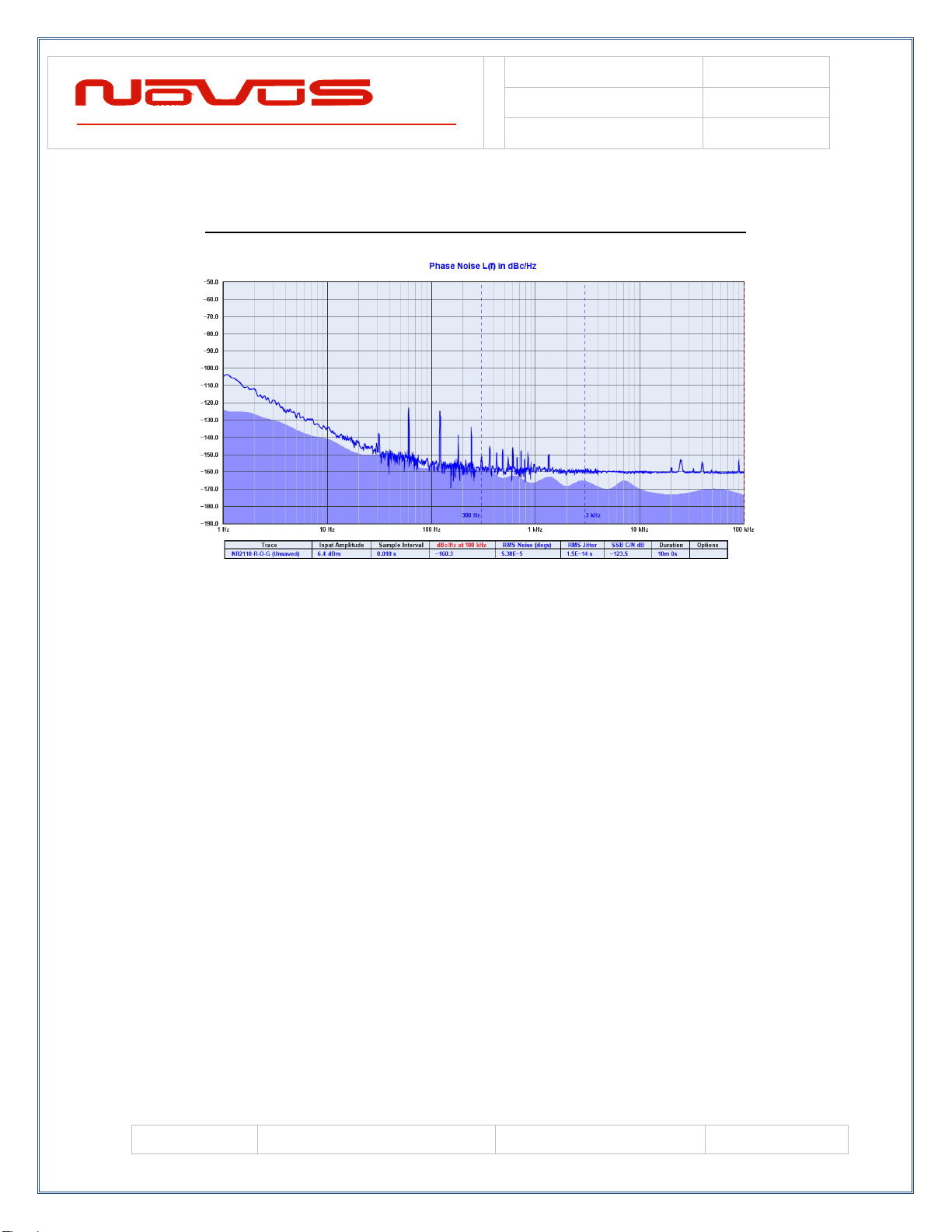
Typical Acceptance Test Performance Data..................................................................... 11
Typical Phase Noise Performance.................................................................................... 12
Controls and Indicators..................................................................................................... 13
Channel Status - Front Panel LEDs.............................................................................. 13
Alert –Front Panel LED............................................................................................... 13
Oven –Front Panel LED............................................................................................... 13
Rear Panel......................................................................................................................... 14
Channel 1 through 10 –BNC........................................................................................ 14
Alert - BNC................................................................................................................... 14
Antenna - SMA............................................................................................................. 14
Built-in Test.................................................................................................................. 15
Power Supplies.............................................................................................................. 15
Technical Specifications................................................................................................... 17
Performance.................................................................................................................. 17
Environmental and Mechanical .................................................................................... 18
8.0 Appendix A –Receiver Communication Specification.............................................. 21
USERS MANUAL
NR2310-O/G
REVISION
H
DATE
7/17/20
Page #:
3 of 21
www.novuspower.com
Overview
USERS MANUAL
NR2310-O/G
REVISION
H
DATE
7/17/20
Page #:
4 of 21
www.novuspower.com
The NR2310-O/G is a GNSS-locked OCXO 10 MHz frequency reference with
PPS and RS232. The unit features auto-calibration so that the most recent
coefficients to compensate the OCXO for drift due to aging and/or temperature
are stored and applied to the OCXO during GPS loss-of-lock conditions. These
coefficients are updated after eight hours of continuous GPS locked state. This
effectively eliminates long-term OCXO changes.
The RS232 interface provides access to the NMEA-0183 data from the GPS at a
baud rate of 38.4K. The baud rate can be changed through the RS232 port using
commands described in Appendix A (Output Format Section).
The unit operates from AC power 90 to 240 VAC or optional DC source in the
range -60 to +60 VDC (in three ranges). The DC option can be primary or a
secondary source.
The outputs are 10 MHz sinewave at 13 dBm (1.0 Vrms). The outputs are short
circuit and transient protected.
PPS pulse is a LVCMOS signal and is also short and transient protected. The
PPS has an accuracy of 30 ns rms. The unit may be ordered with the PPS level
at 3.3 or 5 VDC CMOS levels and are capable of driving a 50 Ohm load (units
manufactured. after March 2020).
The GNSS transmits a wealth of data. The information is routinely used for
position and timing. This signal is what is used by all GNSS disciplined oscillators
for master timing.
The first part of the process is acquiring the GNSS satellites and deriving what is
called the PPS signal. This is a pulse that occurs once per second. Most GNSS
receivers will specify an accuracy for the leading edge in the range of ~20 ns
rms. Due to atmospheric conditions, multi-path and other effects, there is
considerable jitter on the pulse. This pulse, with exceptional long-term accuracy
of ~E-12, is the starting point for the GPSDO.
The PPS is used to derive a 10MHz signal. As you can imagine, the algorithms
for the generation of the 10MHz are very sophisticated. You are, in effect,
creating a 10MHz waveform with frequency measured once per second by a
waveform which has considerable jitter.
To get a useful frequency reference, the jitter (phase noise) of the frequency
reference must be improved. A very low bandwidth phase locked loop is used to
lock a high performance 10 MHz OCXO to the synthesized disciplined 10 MHz.

USERS MANUAL
NR2310-O/G
REVISION
H
DATE
7/17/20
Page #:
5 of 21
www.novuspower.com
By virtue of having a very low bandwidth, the high frequency jitter is dramatically
reduced. There are numerous tradeoffs - speed of acquisition, phase error,
stability, cost, etc. It is a complex feedback loop and as such, there are many
solutions. Noise on the final output is also affected by the noise in the system.
Noise from power supplies and other circuits can easily sum with the output
signal. Care has been taken throughout the design to achieve a high-quality
signal.
The phase noise of the output is now largely dominated by the voltage-controlled
oscillator. The oscillator is typically a crystal oscillator and the quality of that
device can vary significantly. The NR2310-O/G uses an oven-controlled oscillator
to provide an unlocked stability of under ±50 ppb/year.
The calibration feature continually monitors the correction coefficients developed
through GNSS timing information. These are sampled multiple times per day and
stored in non-volatile memory and in the event of a GPS loss, the saved
coefficients are applied to the OCXO. This effectively eliminates long-term
crystal drift.
The NR2310-O/G also incorporates built-in test to monitor critical parameters
such as the OCXO oven, power supplies and other functions. The built-in test
drives a front panel indicator and status is available via the RS232 port.
The GPS lock status is provided by a front panel indicator and via the RS232
port.
The NR2310-O/G draws less than 10 Watts of power.
The output of the OCXO is buffered and amplified. The buffering is completely
fault protected and is followed by ESD protection circuitry. The output is also
monitored for signal presence.
In addition to the signal presence built-in test, there is circuitry to determine if the
oven within the OCXO has failed. This is a very subtle failure as there would
appear to be a sine wave - but without a functional oven, the temperature stability
would be poor. If a failure is detected, the Alert LED will be activated and the
status relay will be opened. During the first fifteen minutes of operation, an alert
may occur as the oven brings the crystal up to temperature. This is normal and
will stop after approximately fifteen to thirty minutes of operation.
USERS MANUAL
NR2310-O/G
REVISION
H
DATE
7/17/20
Page #:
6 of 21
www.novuspower.com
Crystal - The Time Base
Novus crystal-based frequency reference products are based upon either TCXO
or OCXO technology. Temperature compensated crystal oscillators will normally
use an AT cut crystal and electronically compensate the device with temperature.
An OCXO device uses a SC (stress compensated) crystal and the part is held at
a fixed temperature to minimize temperature drift.
The TCXO implementation results in a temperature stable reference in the single
digit parts per million. An OCXO device affords a reference that is almost two
orders of magnitude more stable than the TCXO.
COMPARISON OF AN AT VERSUS A SC CUT CRYSTAL
USERS MANUAL
NR2310-O/G
REVISION
H
DATE
7/17/20
Page #:
7 of 21
www.novuspower.com
Over a broad temperature range, an AT performs very well and much easier to
compensate electronically. It is also a simpler crystal to manufacture than a SC
cut device. For applications where a stability of a few ppm is acceptable, a TCXO
can be a cost-effective alternative.
The SC cut results in a much higher Q device and achieves much lower phase
noise than the AT cut. The device is also more sensitive to pressure and
temperature variation and is mounted in temperature controlled hermetic
chamber.
OCXO oven temperature is in the range of 90°C. The devices heat-up and
become stable within ~ 5 minutes.
OCXO FREQUENCY ERROR FROM COLD START
USERS MANUAL
NR2310-O/G
REVISION
H
DATE
7/17/20
Page #:
8 of 21
www.novuspower.com
Typical OCXO
Another alternative for a frequency reference is an atomic reference. These
devices use a change in atomic state of an isotope of Cesium or Rubidium for
stability. Instead of a stability of ±50 ppb/year for a typical OCXO- stability of ±1
ppb/year is very common.
Atomic sources are very complex and while a very stable source, phase noise
performance may not be acceptable for many applications.
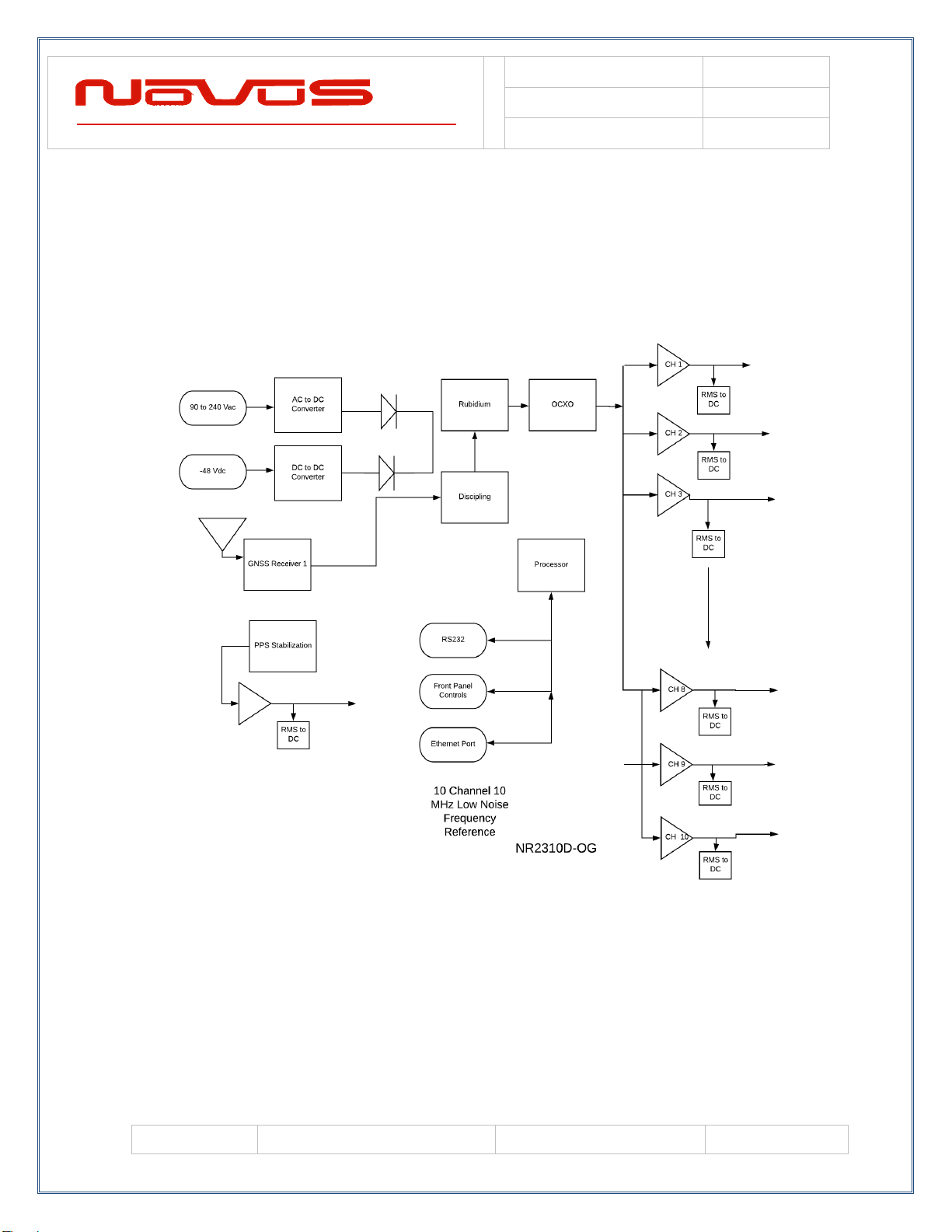
TYPICAL PHASE NOISE PERFORMANCE FOR A RUBIDIUM REFERENCE
For applications requiring the stability of an atomic source but also requiring low
phase noise a low phase noise OCXO is disciplined to an atomic source. The
phase noise for the NR2310-R/O has phase noise improved by well over 20 dB
by this technique.
USERS MANUAL
NR2310-O/G
REVISION
H
DATE
7/17/20
Page #:
9 of 21
www.novuspower.com
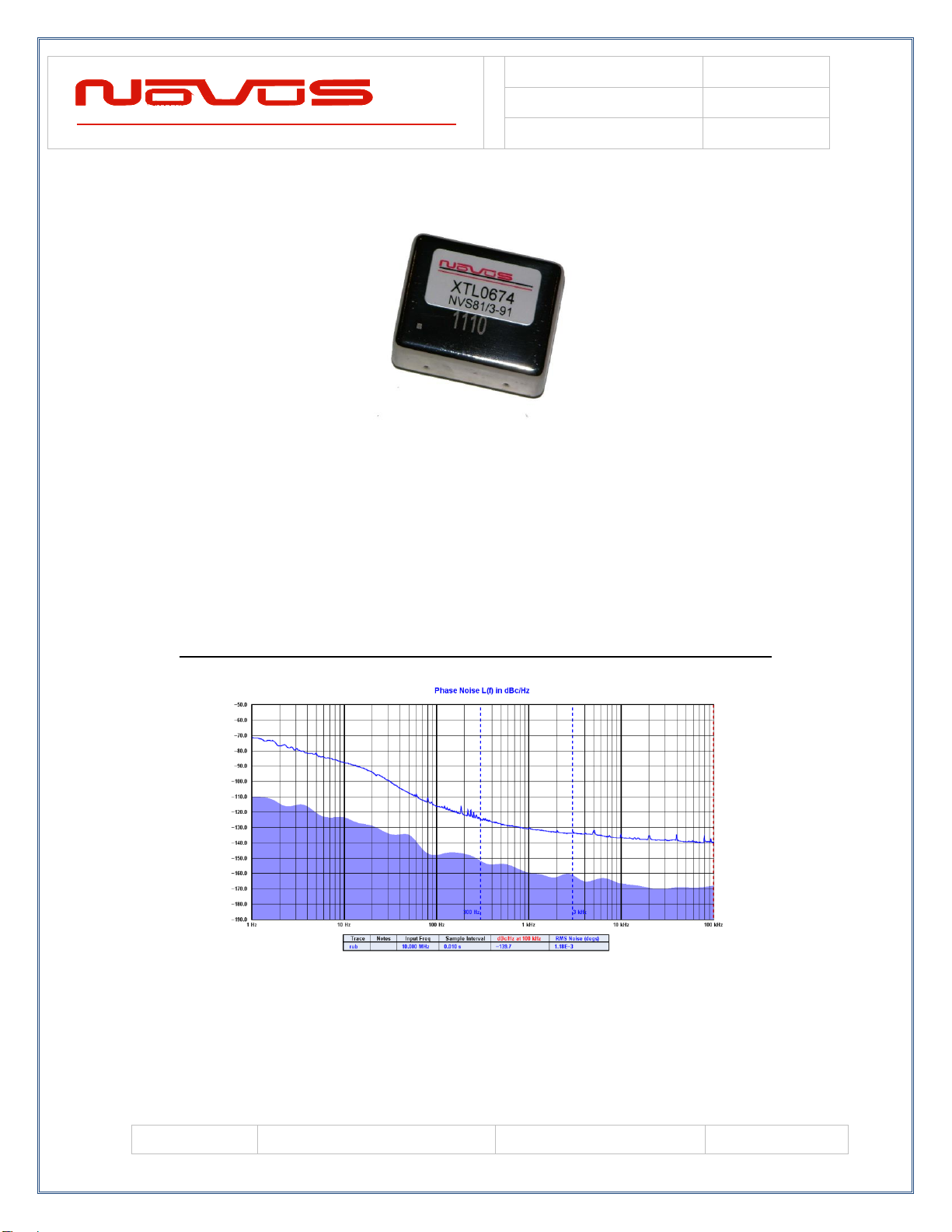
TYPICAL PHASE NOISE PERFORMANCE –RUBIDIUM WITH OCXO
When the stability of an atomic or crystal source is not sufficient, a GNSS
disciplined reference is an option. A GNSS receiver is installed and timing
information from the GNSS is used to discipline the timing device. Timing
accuracy to a few ppb is readily achievable.
USERS MANUAL
NR2310-O/G
REVISION
H
DATE
7/17/20
Page #:
10 of 21
www.novuspower.com
GNSS Receiver
The receiver and companion elements generate the GNSS sine wave, PPS and
NMEA serial link. The serial link conforms to NMEA 0183 protocol. The 26
channel, high-sensitivity, high-accuracy multi-GNSS receiver supports TRAIM,
GPS, GLONASS, QZSS, SBAS, Active Anti-Jamming and Advanced Multipath
Mitigation Functions.
Typical Antenna Specs:
Frequency Band 1574 –1607 MHz
Antenna Gain 2 dBic @ 90°
Amplifier Gain @ 3.0Vdc: 26dB (typ)
Polarization RHCP
Out-of-band Rejection >60dBc @ f0 ± 50MHz
Impedance 50Ω
VSWR 2.0 Max
DC Input 2.8V - 6V
Noise Figure <2.0dB
Power Consumption 25mA (typ)