3. TECHNICAL DESCRIPTION
GENERAL
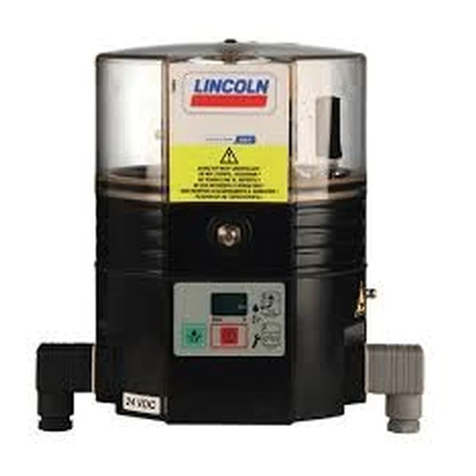
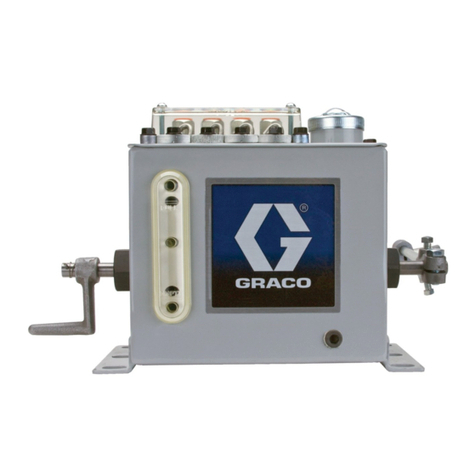
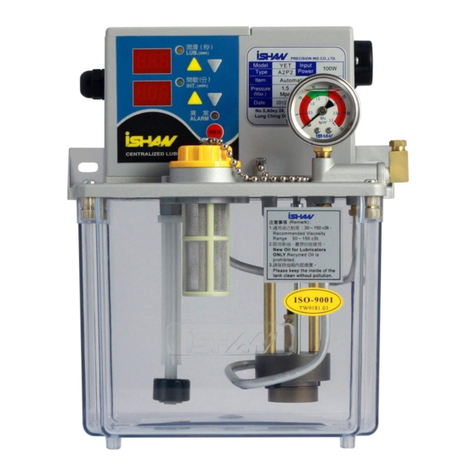
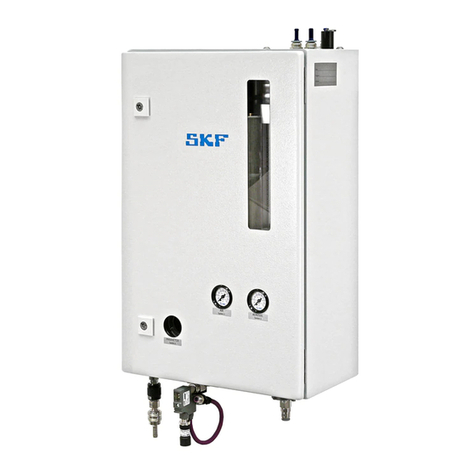
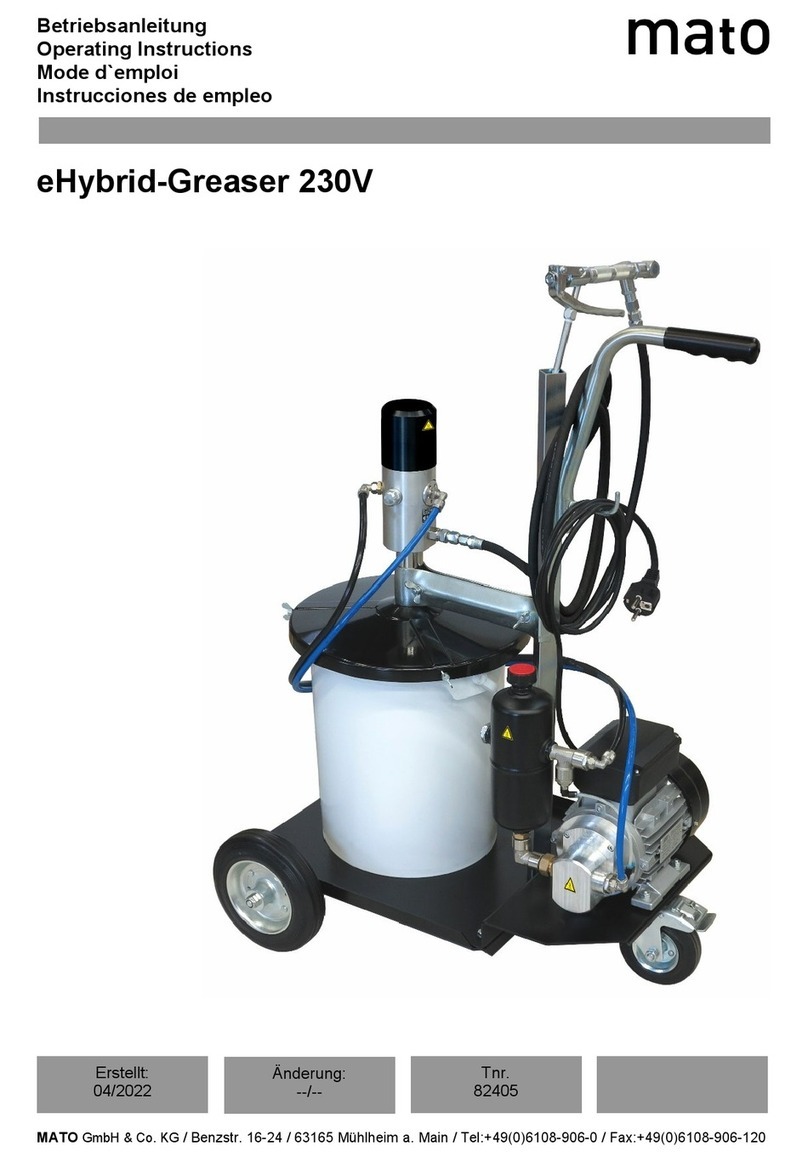
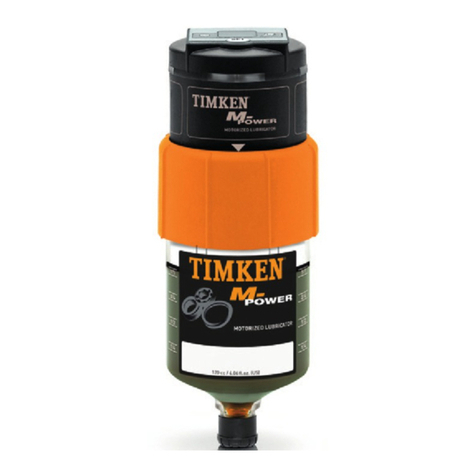
The lubricator consists of a reservoir with lid, which contains the pump mechanism and pump body. A mechanical or
electric drive unit is mounted on one end of the reservoir. A hand crank or a feed pump may be mounted on the other
end. Extra accessories are a level monitor, flow monitor and heater.
OPERATION
The pump shaft 4gives the pump plunger 7 a reciprocating
motion combined with a rotary motion at dead centre. By
means of the grooves 8and 9in the pump plunger the cyl-
inder is put in communication alternately with the suction
and pressure passages in the pump body 5. When the
plunger moves upwards the oil is drawn up through the
suction pipe 10 to the sight glass holder 1and drips down
through the sight glass 2to the suction passage of the
pump body and is drawn into the cylinder when the plunger
moves upwards. The plunger then rotates so as to close
the communication with the suction passage and the pres-
sure passage is opened, whereupon the plunger moves
downwards and forces the oil to the discharge point. Any
oil that may leak past the pump plunger is drawn back into
the cylinder through the groove 6turned in the cylinder and
the return passage. All the oil that passes through the sight
glass is therefore forced out to the discharge point, regard-
less of the backpressure. The plunger stroke is set to give
the desired feed by means of the setting screw 3.
There is a separate pump body for each outlet. There are
no springs or valves whatsoever, and all movements are
driven inexorably.
TECHNICAL DATA
Noise level
The noise level is less than 70 dB(A)
Oils
The lubricator is capable of pumping oils and other lubricants with a maximum viscosity of approx. 600 cSt / 40°C.
Highly viscous oils and fluids may have to be pre-heated before they can be pumped.