manuals.online logo
Brands
  1. Home
  2. •
  3. Brands
  4. •
  5. Cannondale
  6. •
  7. Bicycle
  8. •
  9. Cannondale Alloy Road Rim User manual

Cannondale Alloy Road Rim User manual

Other Cannondale Bicycle manuals
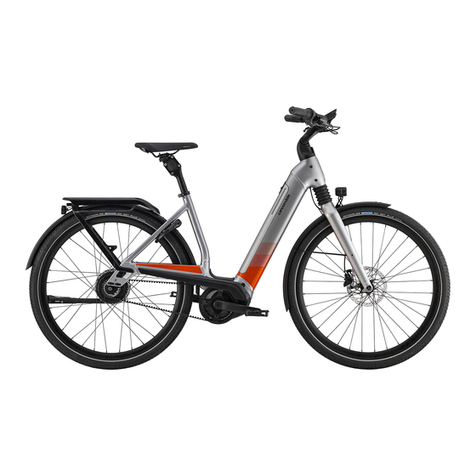
Cannondale Moterra NEO Configuration guide

Cannondale

Cannondale Moterra NEO Configuration guide

Cannondale Synapse Carbon User manual

Cannondale

Cannondale Synapse Carbon User manual

Cannondale CY22 Mavaro Neo Configuration guide

Cannondale

Cannondale CY22 Mavaro Neo Configuration guide

Cannondale CY22 Moterra Neo Configuration guide

Cannondale

Cannondale CY22 Moterra Neo Configuration guide

Cannondale Jekyll 27.5 Configuration guide
Cannondale

Cannondale Jekyll 27.5 Configuration guide

Cannondale Rush 29 User manual

Cannondale

Cannondale Rush 29 User manual

Cannondale MOTERRA LT User manual

Cannondale

Cannondale MOTERRA LT User manual

Cannondale FLASH 2010 Configuration guide

Cannondale

Cannondale FLASH 2010 Configuration guide

Cannondale PROPHET User manual

Cannondale

Cannondale PROPHET User manual

Cannondale F-SI User manual

Cannondale

Cannondale F-SI User manual

Cannondale Trigger 27.5/29 Configuration guide

Cannondale

Cannondale Trigger 27.5/29 Configuration guide

Cannondale Topstone Neo Carbon Configuration guide

Cannondale

Cannondale Topstone Neo Carbon Configuration guide

Cannondale Scalpel HT Configuration guide

Cannondale

Cannondale Scalpel HT Configuration guide

Cannondale Treadwell User manual

Cannondale

Cannondale Treadwell User manual

Cannondale LEFTY OLIVER Configuration guide
Cannondale

Cannondale LEFTY OLIVER Configuration guide

Cannondale E-Series Configuration guide

Cannondale

Cannondale E-Series Configuration guide

Cannondale Trigger 2019 Configuration guide

Cannondale

Cannondale Trigger 2019 Configuration guide

Cannondale 2012 RZ ONE TWENTY Configuration guide

Cannondale

Cannondale 2012 RZ ONE TWENTY Configuration guide

Cannondale F-SI Configuration guide

Cannondale

Cannondale F-SI Configuration guide

Cannondale TANDEM Configuration guide

Cannondale

Cannondale TANDEM Configuration guide

Cannondale Kids with Training Wheels User manual

Cannondale

Cannondale Kids with Training Wheels User manual

Cannondale MOTO CARBON Configuration guide

Cannondale

Cannondale MOTO CARBON Configuration guide

Cannondale RIZE Series Configuration guide

Cannondale

Cannondale RIZE Series Configuration guide

Cannondale Slice User manual

Cannondale

Cannondale Slice User manual

Popular Bicycle manuals by other brands

Grace ONE manual

Grace

Grace ONE manual

Woosh Gran Camino manual

Woosh

Woosh Gran Camino manual

Razor FLASHRIDER 360 user manual

Razor

Razor FLASHRIDER 360 user manual

TAUBIK SOHO 2.0 user manual

TAUBIK

TAUBIK SOHO 2.0 user manual

Oxybul FREEbul 331067 manual

Oxybul

Oxybul FREEbul 331067 manual

Cycle Force Group BICYCLE BABY TRAILER & JOGGER Assembly instructions

Cycle Force Group

Cycle Force Group BICYCLE BABY TRAILER & JOGGER Assembly instructions

Giant TWIST FREEDOM DX datasheet

Giant

Giant TWIST FREEDOM DX datasheet

RAMBO R1000X2M-FF-BFD manual

RAMBO

RAMBO R1000X2M-FF-BFD manual

Vermeiren SAFARI Maintenance manual

Vermeiren

Vermeiren SAFARI Maintenance manual

Velec A2/36V owner's manual

Velec

Velec A2/36V owner's manual

Cervélo S3 2019 Assembly manual

Cervélo

Cervélo S3 2019 Assembly manual

Festo EGSC-BS-KF Instructions & Operating

Festo

Festo EGSC-BS-KF Instructions & Operating

Gio Electric H1 Volt owner's manual

Gio Electric

Gio Electric H1 Volt owner's manual

Huka orthros manual

Huka

Huka orthros manual

DAHON CIAO - 2009 manual

DAHON

DAHON CIAO - 2009 manual

Aprimatic ONDA 500 Installation, use and maintenance instructions

Aprimatic

Aprimatic ONDA 500 Installation, use and maintenance instructions

Greyp G6 Series user manual

Greyp

Greyp G6 Series user manual

Babboe Carve-E user manual

Babboe

Babboe Carve-E user manual

manuals.online logo
manuals.online logoBrands
  • About & Mission
  • Contact us
  • Privacy Policy
  • Terms and Conditions

Copyright 2025 Manuals.Online. All Rights Reserved.

Alloy Road Rim
Quick Start Guide
Applies to: CAAD Optimo
Welcome to the Cannondale family.
WARNING
SET-UP STEP 2STEP 1 STEP 3 STEP 4 PRE-RIDE CHECK
This is a Quick Start Guide, not an
Owner’s manual.
Bicycling is an active sport with
inherent risk. A wide range of injuries
are possible. Due to the nature of
bicycle riding, the situations you
encounter while riding, you will be
exposed to the risk of serious injury,
paralysis or death. This risk cannot
be eliminated. You can minimize the
risk in many ways. Begin by reading
the complete Cannondale Bicycle
Owner’s manual accompanying
this bike and available online at
www.cannondale.com, particularly
section “IMPORTANT SAFETY
INFORMATION”.
First up, thank you for buying a new Cannondale bike – we’re excited to
have you on board and to get you out riding as soon as possible. Our new
assembly process is easy-to-follow – using methods outlined in this guide
to assemble your new Cannondale at home, plus it’s even easier to do so
with a friend. Our guide will take you through the simple steps from start
to nish – you can also follow along with a how-to video, as you build your
bike, just visit: [email protected]
If you still have any questions, then our Cannondale rider support sta are
ready to help you. Feel free to give us a call at
Also, when your new bike is all assembled and ready to ride, we’d love to
check it out – please don’t forget to tag #ridecannondale in your social
media. Enjoy the ride!
SET-UP STEP 2STEP 1 STEP 3 STEP 4 PRE-RIDE CHECK

1.
Install your
handlebars

Install your
seat post

Install your
front wheel

Install your
pedals


This video applies to one Cannondale Platform:
• Topstone Carbon, Synapse Carbon, Super X
Tools Needed:
• Flat-Head Screwdriver
• Phillips-Head Screwdriver
• Box Cutter
• Scissors
Tools Included:
• Torque Wrench
• Allen Keys
• Pedal Wrench
Gently lift your bike out of the box and set
it on top of the box. Make sure the attached
wheel is facing upwards
SET-UP STEP 2STEP 1 STEP 3 STEP 4 PRE-RIDE CHECK
Inside the box, you’ll nd a smaller box of parts, necessary tools,
documentation and manuals. Once the bike is assembled, but
before you ride, please read the owner’s manual.
First, locate the staples on the top of the box and carefully remove
them with a screwdriver. Use caution: the staples are sharp.
Push the hand aps from the inside to the outside of the box. This
will make removing the bike easier.
Carefully lift the bike out of the box and set it onto the top of the box.
Next, remove the front wheel from the bike and set it aside. Remove
all additional packaging from the bike, letting the handlebar gently
hang from the frame.
Carefully lift and rotate the bike, lowering it gently back into the box
with the fork overhanging the box side.
A.

C.
D.
C
SET-UP STEP 2STEP 1 STEP 3 STEP 4 PRE-RIDE CHECK
 A
B
C
D
Using an Allen wrench, loosen and remove the bolts and faceplate
from the stem. The stem connects the handlebar to the fork. Set the
bolts and faceplate aside together, so you don’t lose anything.
Insert the handlebar into the stem and verify the brake hoses and
shift cables wrap around the frame cleanly, without kinks to any of
the lines.
Loosely reattach the faceplate to the stem. Take care to not tighten
one bolt more than another. Your goal is a consistent gap between
the stem and faceplate.
Center the handlebar in the stem using the markings on the bar, then
roll it back into a comfortable position. Lightly hand-tighten the stem
bolts using the Allen key, ensuring there’s an even gap between the
stem and faceplate. We’ll fully tighten these later.
A.

C.
D.
SET-UP STEP 2STEP 1 STEP 3 STEP 4 PRE-RIDE CHECK

Locate and remove the warranty card and set it aside with your
owner’s manual.
Locate the seatpost wedge in the parts bag. Identify the rounded
face on the wedge assembly and cover it with the provided grease.
Do NOT use carbon paste on this surface.
Use an Allen wrench to help guide the wedge into position in the
frame. Firmly push the seatpost wedge into the frame.
Apply carbon paste to the back of the seatpost wedge assembly and
the inside of the seat tube.
A.

C.
D.
A
B
C
D
SET-UP STEP 2STEP 1 STEP 3 STEP 4 PRE-RIDE CHECK

Locatethe rubberseatpost seal and slide it ontothe seatpost,tapered
side up.
Locate the minimum insertion line on the seatpost.
Insert the seatpost into the frame beyond the minimum insertion line,
then hand tighten the seatpost wedge using the Allen key, enough so
the seatpost can’t be pulled from the frame. It will be fully tightened
later.
Carefully lift the bike from the box and gently place the fork ends on
the ground.

F.
G.
H.
E
F
G
H
SET-UP STEP 2STEP 1 STEP 3 STEP 4 PRE-RIDE CHECK

Priorto installing the quick-release skewer, please reviewthe included
documentation. The quick release skewer is comprised of ve major
parts: two conical springs; an adjusting nut; the skewer; and the lever
head.
Unthread and remove the adjusting nut and the neighboring conical
spring from the skewer. While holding the quick-release skewer by
the lever head, insert the skewer into the wheel axle.
Place the conical spring back onto the skewer with the narrow end
pointing toward the wheel, then thread on the adjusting nut.
Open the cable release at the brake caliper to enable the tire and rim
to pass through the pads.
A.

C.
D.
A
B
C
D

Lift the front of the bike and roll the front wheel in-between the brake
pads with the lever head on the left side of the bike. Carefully align
and lower the fork onto the wheel axle. Ensure the brake pads are in-
line with the rim and the wheel axle is fully seated in the fork dropouts.
While holding the lever head of the skewer, begin tightening the
adjusting nut in a clockwise direction. Remember, “righty tighty”.
Close the lever. If you don’t feel signicant tension when the lever is
closed, open the lever and continue tightening the adjusting nut until
adequate tension is achieved. When properly tightened, the lever
should leave a mark in your hand.
Closethecablereleaseatthebrakecaliper,thenremoveanyadditional
packaging from the bike.

F.
G.
H.
SET-UP STEP 2STEP 1 STEP 3 STEP 4 PRE-RIDE CHECK
E
F
G
H

Insert the right pedal (marked with R on the spindle) into the crank
and tighten with your ngers.
Install your chosen pedals byturning the pedal spindle inthe direction
of the front wheel.
Repeat with the left pedal (with an L on it).
Tighten both pedals down very rmly with the appropriate Allen or
15mm pedal wrench.
A.

C.
D.
SET-UP STEP 2STEP 1 STEP 3 STEP 4 PRE-RIDE CHECK
A
B
C
D