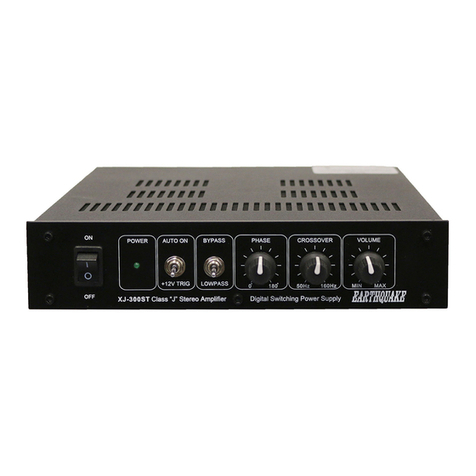
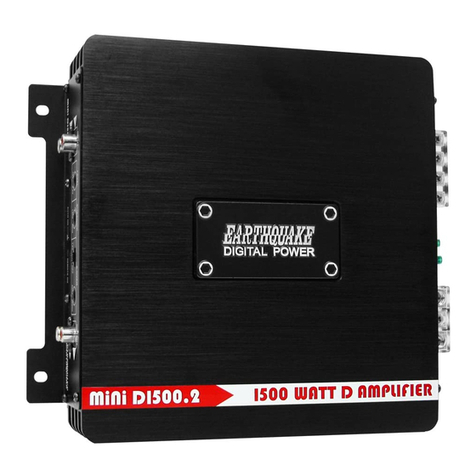
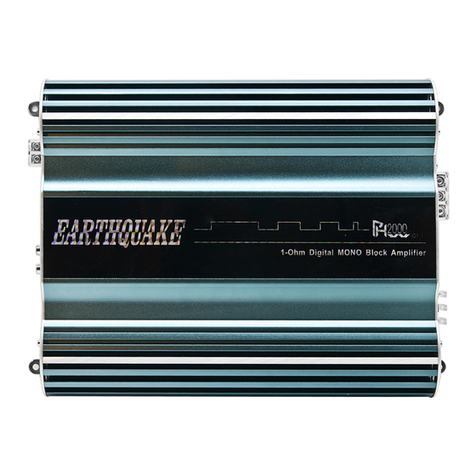
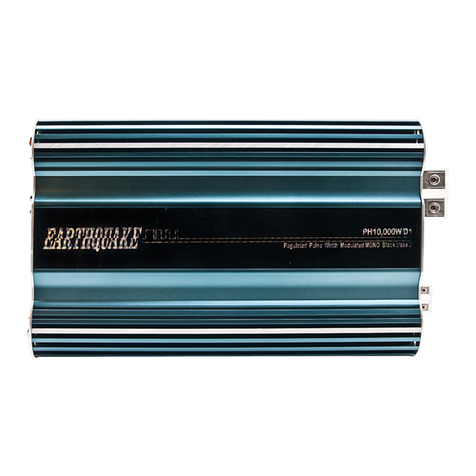
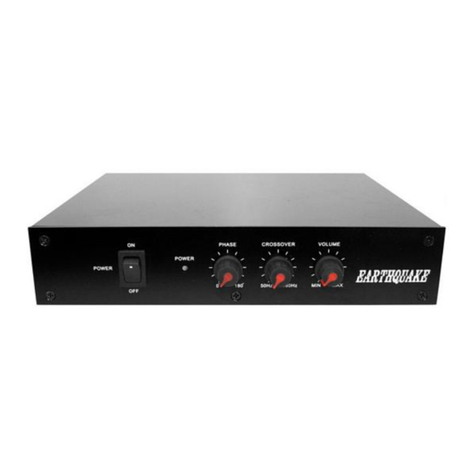
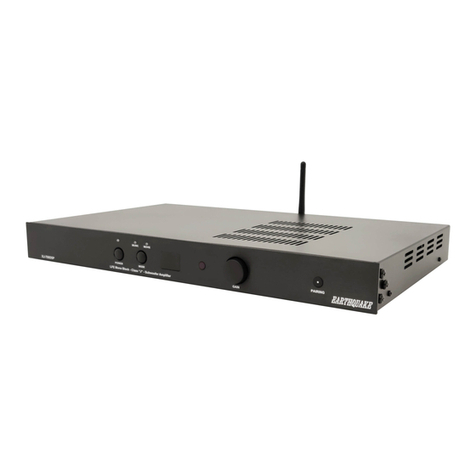
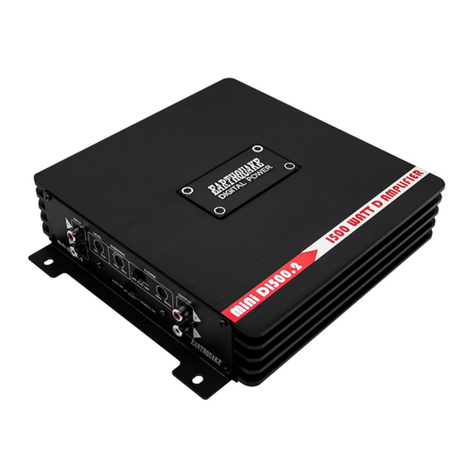
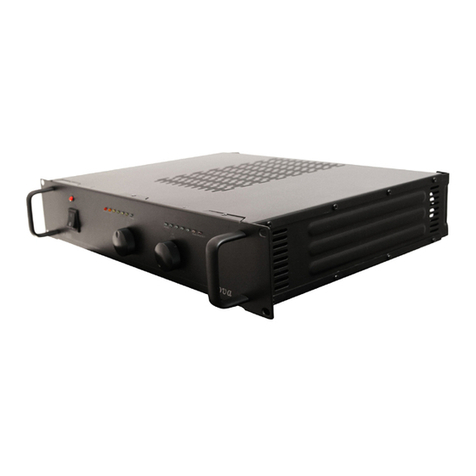
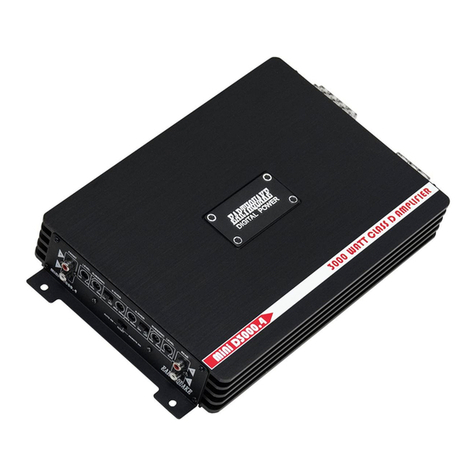
INTRODUCING
mini
D nmpurlERS
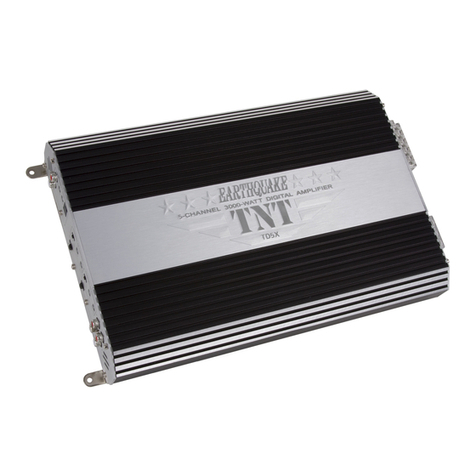
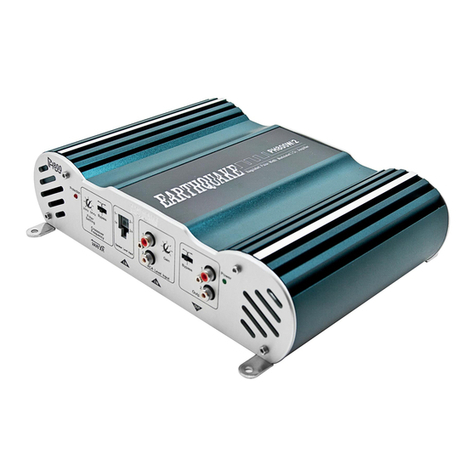
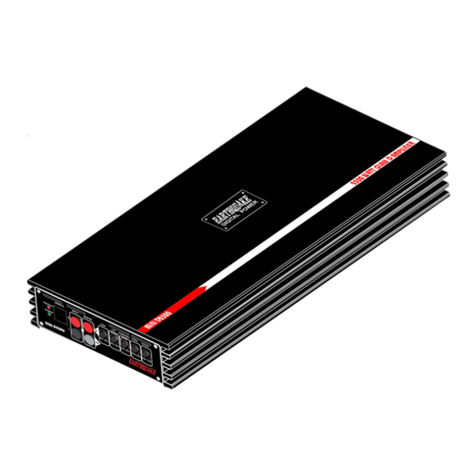
The mini D amplifier series is the most efficient
c1ass
D series ever made, running
cool as they deliverunbelievable power despite
oftheir
compactsize.
Designed with the patented Optical Control Circuitry, each mini D amplifier comes
with a built in protection fuse which can handle 1 to
4-0hm
loads (it is most efficient
in
2-0hm
installation). Furthermore, the amplifier will automatically resets once the
protection circuit is triggered, unless the problem persists. Equipped with soft
clipping circuitry, these amps will not produce any audible distortion when
c1ipped
by
10%.
-:-'- .
o
l
~
~
~
l
~
"
"M
...
,
DIO"
• _O .O
~
&IlTllQCHE
•
'l'-
~1
1I (,
~
-
-:
" .
~
i
~
A
'
;
'
,
:
~
;
f
if
:
·
i
;
·
·
i.
'1
-:
" ........
"-J
'
;'
.;
.
';"
_
j
:
.
~
;
.:.. ":':
:"'
~
jmo:!J
~QI
• •• • D
...
. • OLO>- '
Eil,Hirm
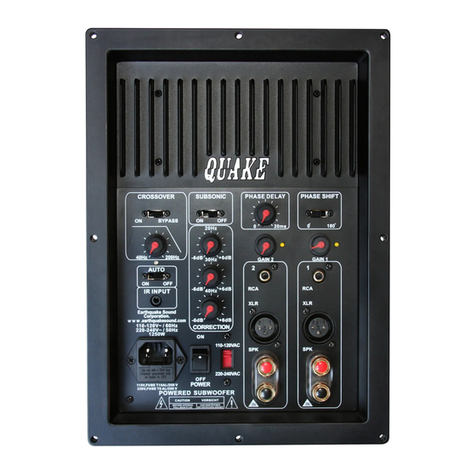
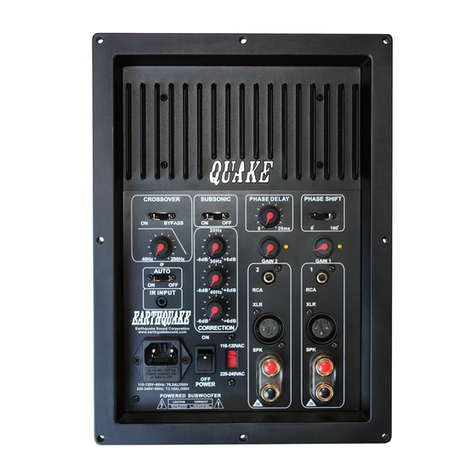
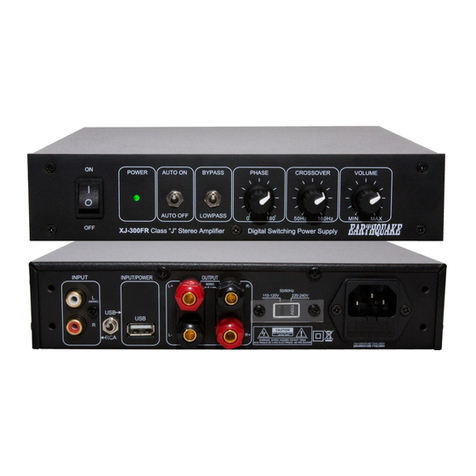
The mini D amplifier series has a built in pre-amplifier that allows users to custom
design the frequency response and shape to their requirement. The pre-amplifier
stage includesthe following features:
Bass Boost-available on the D2000and D2500 modelsonly
The bass boost allows you to selectthe center frequency that you want to
boost as well as the quantity. For most application, the best setting is at %
turn (2o'clock position).
Variable Subsonic Filter
Subsonic filters are often used to protect speakers from harmful low
frequencies and DC voltage. Often clipped low frequencies could have
the same effect as that of DC input. The best setting for most system is at
30Hz Highpass.
LPF (LowPass Filter)
Often mistaken as crossover, the LPF is used to filter out unwanted mid
and high frequencies, leaving the woofer to response to low frequencies.
For most subwoofer application, the best crossing point is about %turn (2
o'c1ockposition).
Gain Control
Gain control regulates the amplifier'ssensitivity to match the signaIoutput
voltage of the audio source/head unit. It is not a volume control. The mini
Damplifiers have gain controls that are extremelysensitive and therefore,
should be adjusted with caution. When set at MIN, it will need 4V to clip
these amplifiers. But with a mere
'/4
turn, the amplifiers can clip with only
0.5V.
www.earthquakesound.com 3