EnglishDeutsch
 logo
Brands
  1. Home
  2. •
  3. Brands
  4. •
  5. Extech Instruments
  6. •
  7. Test Equipment
  8. •
  9. Extech Instruments ET20B User manual

Extech Instruments ET20B User manual

Other Extech Instruments Test Equipment manuals

Extech Instruments MS420 User manual

Extech Instruments

Extech Instruments MS420 User manual

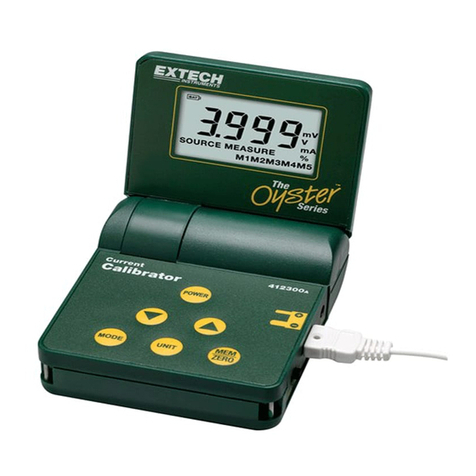
Extech Instruments 412300 User manual

Extech Instruments

Extech Instruments 412300 User manual

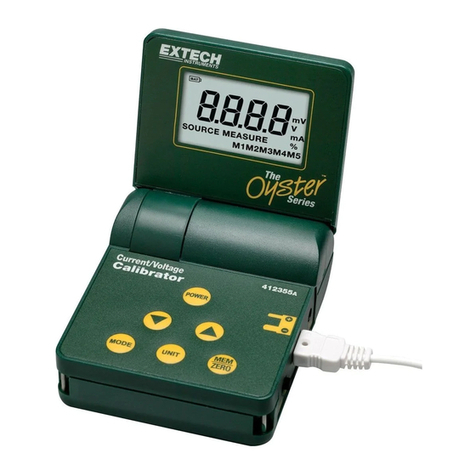
Extech Instruments 412355A User manual

Extech Instruments

Extech Instruments 412355A User manual

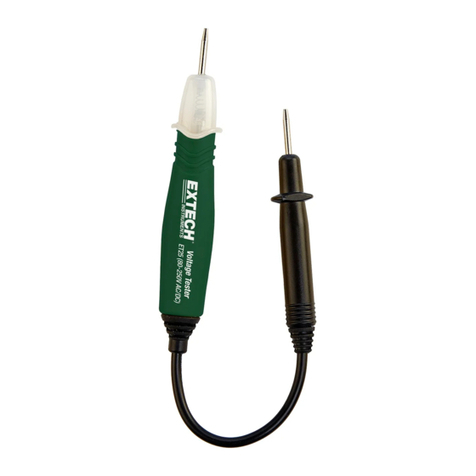
Extech Instruments ET25 User manual

Extech Instruments

Extech Instruments ET25 User manual

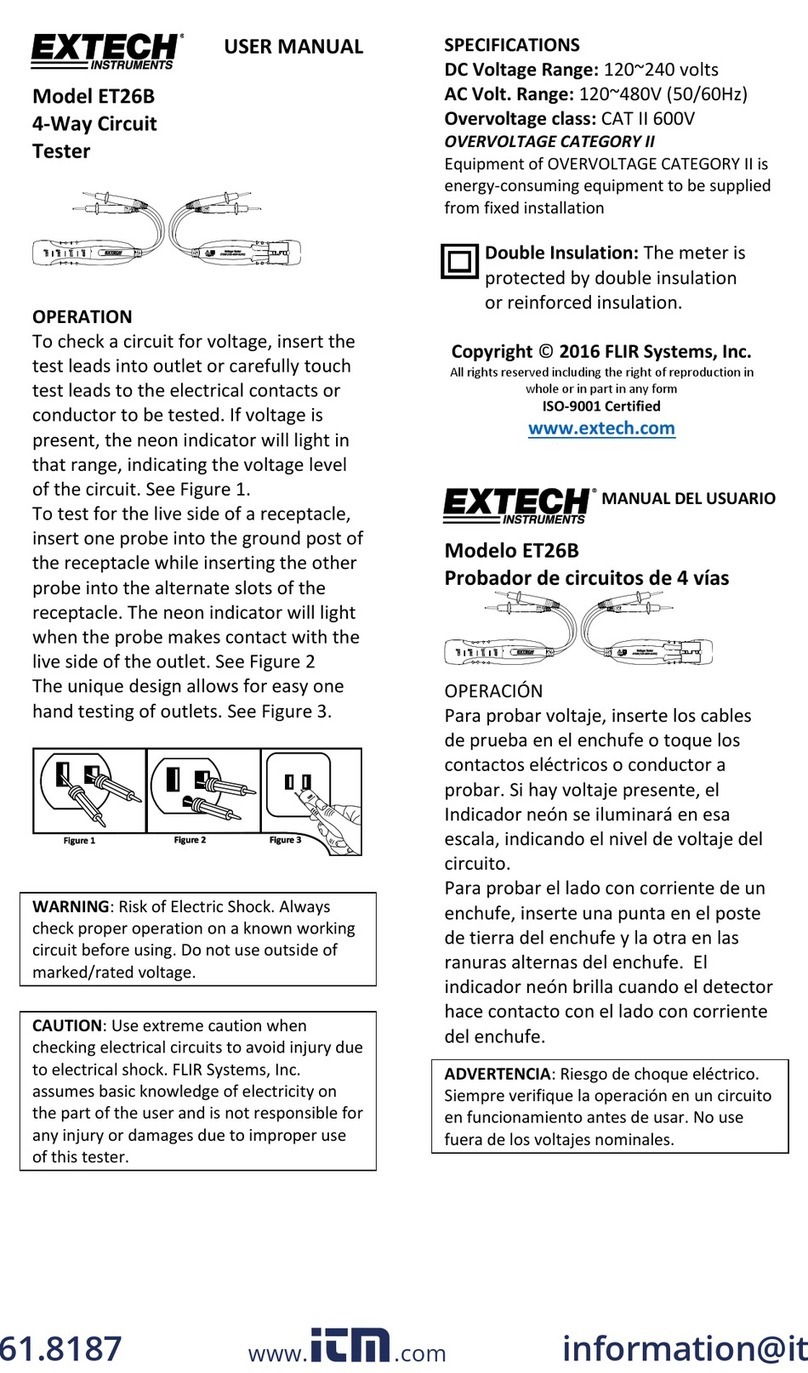
Extech Instruments ET26B User manual

Extech Instruments

Extech Instruments ET26B User manual

Extech Instruments MG320-NIST User manual

Extech Instruments

Extech Instruments MG320-NIST User manual

Extech Instruments CT80 User manual

Extech Instruments

Extech Instruments CT80 User manual

Extech Instruments FT10 User manual

Extech Instruments

Extech Instruments FT10 User manual

Extech Instruments ET10 User manual

Extech Instruments

Extech Instruments ET10 User manual

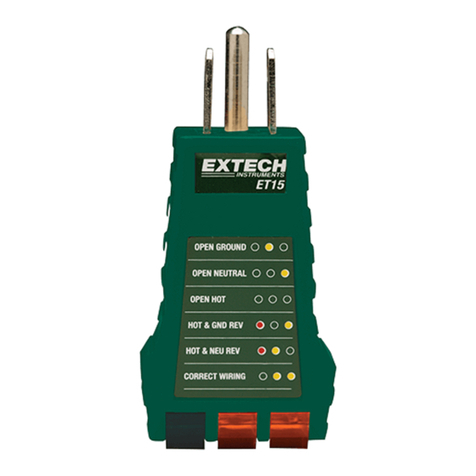
Extech Instruments ET15 User manual

Extech Instruments

Extech Instruments ET15 User manual

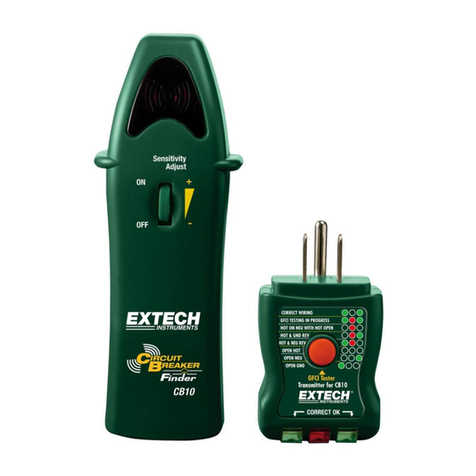
Extech Instruments CB10 User manual

Extech Instruments

Extech Instruments CB10 User manual

Extech Instruments GX930 User manual

Extech Instruments

Extech Instruments GX930 User manual

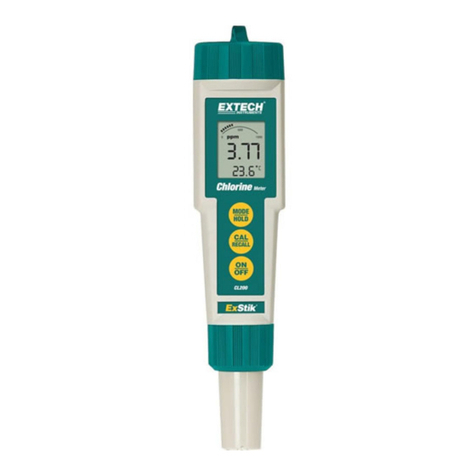
Extech Instruments ExStik CL200 User manual

Extech Instruments

Extech Instruments ExStik CL200 User manual

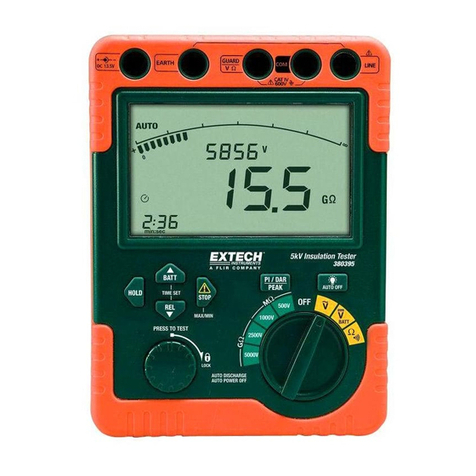
Extech Instruments 380395 User manual

Extech Instruments

Extech Instruments 380395 User manual

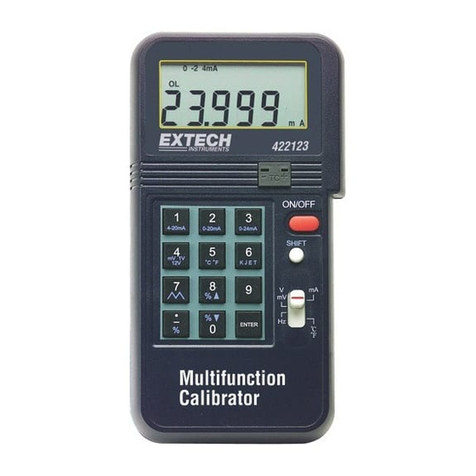
Extech Instruments 422123 User manual

Extech Instruments

Extech Instruments 422123 User manual

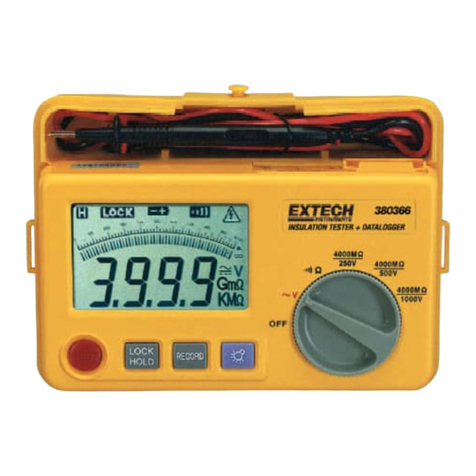
Extech Instruments 380366 User manual

Extech Instruments

Extech Instruments 380366 User manual

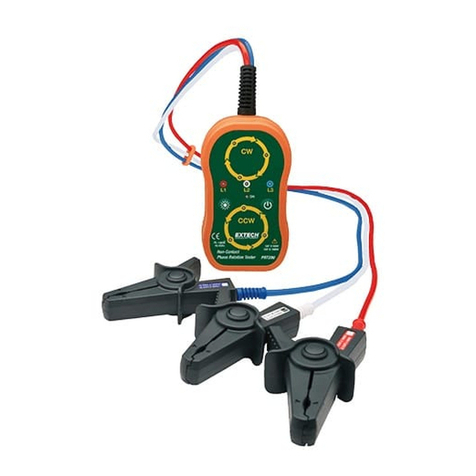
Extech Instruments PRT200 User manual

Extech Instruments

Extech Instruments PRT200 User manual

Extech Instruments VT30 User manual

Extech Instruments

Extech Instruments VT30 User manual

Extech Instruments 407744 User manual

Extech Instruments

Extech Instruments 407744 User manual

Extech Instruments BR146 User manual

Extech Instruments

Extech Instruments BR146 User manual

Extech Instruments CB10 User manual

Extech Instruments

Extech Instruments CB10 User manual

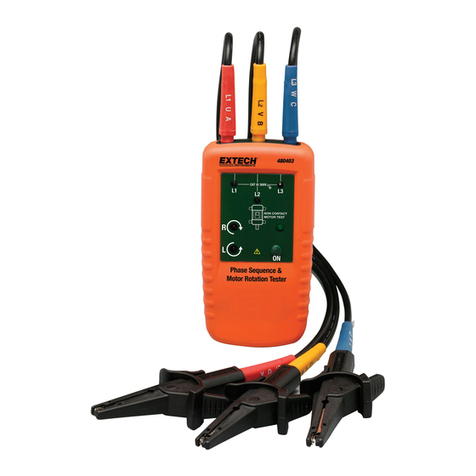
Extech Instruments 480403 User manual

Extech Instruments

Extech Instruments 480403 User manual

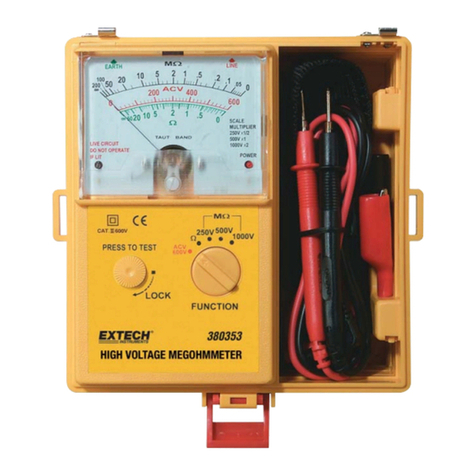
Extech Instruments 380353 User manual

Extech Instruments

Extech Instruments 380353 User manual

Extech Instruments SL120 User manual

Extech Instruments

Extech Instruments SL120 User manual

Popular Test Equipment manuals by other brands

SMART KANAAD SBT XTREME 3G Series user manual

SMART

SMART KANAAD SBT XTREME 3G Series user manual

Agilent Technologies BERT Serial Getting started

Agilent Technologies

Agilent Technologies BERT Serial Getting started

Agilent Technologies N3280A user guide

Agilent Technologies

Agilent Technologies N3280A user guide

Lifeloc R.A.D.A.R. quick start guide

Lifeloc

Lifeloc R.A.D.A.R. quick start guide

Fluke T5-600 Service information

Fluke

Fluke T5-600 Service information

Mercury TSL01 user manual

Mercury

Mercury TSL01 user manual

MAHA MBT Series Original operating instructions

MAHA

MAHA MBT Series Original operating instructions

Fuji Electric P-61 instruction manual

Fuji Electric

Fuji Electric P-61 instruction manual

ETC SealerAtor user manual

ETC

ETC SealerAtor user manual

Skyfine ETHYWAY V2 user manual

Skyfine

Skyfine ETHYWAY V2 user manual

Appion G5 Twin Operation manual

Appion

Appion G5 Twin Operation manual

PCB Piezotronics 8159-0112A Installation and operating manual

PCB Piezotronics

PCB Piezotronics 8159-0112A Installation and operating manual

BW Technologies MicroDock II user manual

BW Technologies

BW Technologies MicroDock II user manual

Sun Nuclear 1027 user guide

Sun Nuclear

Sun Nuclear 1027 user guide

Biomark HPR LITE READER user manual

Biomark

Biomark HPR LITE READER user manual

Hioki 3169-20 instruction manual

Hioki

Hioki 3169-20 instruction manual

Ashcroft ATE-100 operating manual

Ashcroft

Ashcroft ATE-100 operating manual

Rohde & Schwarz RTA4000 user manual

Rohde & Schwarz

Rohde & Schwarz RTA4000 user manual

https://manuals.online logo
https://manuals.online logoBrands
  • About & Mission
  • Contact us
  • Privacy Policy
  • Terms and Conditions

Copyright 2026 Manuals.Online. All Rights Reserved.

ET20B-en-es-fr_V1.0 8/16 For additional language translations please visit www.extech.com
USER MANUAL
Model ET20B - Voltage Tester
OPERATION
To check for voltage, insert the test leads
into the outlet receptacle slots or place the
test lead tips on the electrical contacts to be
tested. If voltage is present > 80V, the first
120V neon indicator will light indicating the
voltage. If voltage is present > 179V, the
second 240V indicator will light.
To test for the live side of a receptacle, insert
one probe into the ground post of the
receptacle while inserting the other probe
into the alternate slots of the receptacle. The
neon indicator will light when the probe
makes contact with the live side of the
outlet. Caution: Do not place hands past the
translucent windows.
To test for voltage on an outlet without a
ground post, insert a test lead into the live
side of the receptacle while touching the
other test lead to the cover plate screw.
WARNING: Risk of Electric Shock. Always check
proper operation on known working circuit before
using. Voltages < 100 Volts may not be detected by
this tester, although they may be present.
CAUTION: Use extreme caution when checking
electrical circuits to avoid injury due to electrical
shock. FLIR Systems, Inc. assumes basic knowledge
of electricity on the part of the user and is not
responsible for any injury or damages due to
improper use of this tester.
SPECIFICATIONS
Voltage Range: 100-250V (AC/DC)50~60Hz
Power Consumption: <7mA (300 V AC/DC)
Environmental Conditions
Indoor Use
Altitude up to 7000 ft. (2000m)
Temperature 23~104°F (-5~40°C)
Maximum relative humidity 85% for
temperatures up to 88°F (31°C) decreasing
linearly to 50% RH at 104°F (40°C)
Mains supply voltage fluctuations not to
exceed ± 10% of the normal voltage
OVERVOLTAGE CATEGORY II: Energy-
consuming equipment to be supplied from
the fixed installation
Pollution Degree 2
Clean surface of tester with clean, dry cloth
SAFETY
Double Insulation: Protected by double
or reinforced insulation.
Copyright ©2016 FLIR Systems, Inc.
All rights reserved including the right of reproduction in whole or in part in any form
www.extech.com

INSTRUCTIVO
Modelo ET20B - Probador de voltaje
OPERACIÓN: Prueba de voltaje, inserte las
puntas de prueba en las ranuras del enchufe
o toque las puntas de prueba en los
contactos eléctricos. Si hay voltaje presente
mayor a > 80V, el primer Indicador neón de
120V se iluminará indicando el voltaje. Si hay
voltaje presente > 179V, se iluminará el
segundo indicador de 240V.
Para probar el lado con corriente de un
enchufe, inserte una punta en el poste de
tierra del enchufe y la otra en las ranuras
alternas del enchufe. El indicador neón brilla
cuando el detector hace contacto con el lado
con corriente del enchufe. Precaución: no
coloque las manos más allá de las ventanas
translúcidas.
Para probar voltaje en un enchufe de pared
sin poste de tierra, inserte una punta de
prueba en el lado con corriente del enchufe y
con la otra toque el tornillo de la tapa.
ADVERTENCIA: Riesgo de choque eléctrico.
Siempre verifique la operación en un circuito en
funcionamiento antes de usar. El probador puede
no detectar un voltaje menor a 100V, sin embargo
puede estar presente. PRECAUCIÓN: Extreme sus
precauciones al probar circuitos eléctricos para
evitar lesiones debido a choque eléctrico. FLIR
Systems, Inc. supone conocimientos básicos de
electricidad por parte del usuario y no se hace
responsable por cualquier lesión o daños debido al
uso impropio de este probador.
ESPECIFICACIONES
Escala Voltaje: 100-250V (CA/CD) 50/60Hz
Consumo de energía: <7mA (300 V CA/CD)
Condiciones ambientales
Uso en interiores
Altitud hasta 2000m (7000m).
Temperatura: -5~40°C (23~104°F)
Humedad relativa máxima 85% para
temperatura hasta 31°C (88°F) con
disminución lineal a 50% HR a 40°C (104°F)
Las fluctuaciones del voltaje de
alimentación de la línea principal no deben
exceder ± 10% del voltaje normal
CATEGORÍA II DE SOBRE VOLTAJE: Equipo
consumidor de energía suministrada desde
una instalación fija
Grado de contaminación 2
Limpie la superficie del probador con paño
limpio y seco
SEGURIDAD
Doble aislante: Equipo protegido por
aislante doble o reforzado.
Copyright ©2016 FLIR Systems, Inc.
All rights reserved including the right of reproduction in whole or in part in any form
www.extech.com
www.GlobalTestSupply.com
Find Quality Products Online at: sales@GlobalTestSupply.com
ET20B-en-es-fr_V1.0 8/16 For additional language translations please visit www.extech.com
MANUEL D’UTILISATION
MODÈLE ET20B : Testeur de tension
FONCTIONNEMENT
Pour contrôler la présence de tension sur un
circuit, insérez les fils d’essai dans les fentes
de la prise de courant ou placez les
extrémités des fils d’essai sur les contacts
électriques à tester. Si la tension présente
est supérieure à 80 V, le premier témoin à
néon de 120 V s’allume pour indiquer la
tension. Si la tension présente est supérieure
à 179 V, le deuxième témoin de 240 V
s’allume.
Pour tester une prise afin d’en détecter le
côté sous tension, insérez une sonde dans la
tige de mise à la terre de la prise tout en
insérant l’autre sonde dans les autres fentes
de la prise. Le témoin au néon s’allume
lorsque la sonde entre en contact avec le
côté sous tension de la prise. Attention : Ne
pas placer les mains au-delà des fenêtres
translucides.
Pour tester une prise afin de détecter la
présence de tension sans tige de mise à la
terre, insérez un fil d’essai dans le côté sous
tension de la prise tout en mettant l’autre fil
d’essai en contact avec la vis de la plaque de
montage.
AVERTISSEMENT : Risque d’électrocution. Assurez-
vous toujours d’un fonctionnement correct sur un
circuit de travail connu avant toute utilisation. Les
tensions inférieures à 100 volts peuvent ne pas être
détectées par ce testeur, bien qu’elles puissent être
présentes.
ATTENTION : Faites preuve d’une extrême
prudence lorsque vous contrôlez des circuits
électriques afin de prévenir tout risque de
blessures liées à l’électrocution. FLIR Systems, Inc.
suppose que l’utilisateur possède des
connaissances élémentaires en matière
d’électricité. Elle décline en conséquence toute
responsabilité concernant des blessures et
dommages éventuels résultant d’une utilisation
incorrecte de ce testeur.
DONNÉES TECHNIQUES
Gamme de tensions : 100 à 250 V (AC/DC)
50 à 60 Hz
Consommation d’énergie : < 7 mA (300 V
AC/DC)
Conditions environnementales
Utilisation à l’intérieur
Altitude : jusqu’à 2 000 m (7 000 pieds)
Température : - 5 à 40 °C (23 à 104 °F)
85 % d’humidité relative au maximum pour
une température atteignant 31 °C (88 °F)
diminuant de manière linéaire de 50 %
d’humidité relative à 40 °C (104 °F)
Variations de tension du réseau
d'alimentation : jusqu'à ± 10 % de la tension
normale
CATÉGORIE DE SURTENSION II L’équipement
doit être alimenté à partir de l’installation
fixe.
Degré de pollution 2
Nettoyez l’extérieur du testeur à l’aide d’un
chiffon propre et sec.
SÉCURITÉ
Double isolation : Appareil protégé par
une isolation double ou renforcée.
Droits d’auteur ©2016 FLIR Systems, Inc.
Tous droits réservés, y compris la reproduction partielle ou totale
sous quelque forme que ce soit.
www.extech.com
www.GlobalTestSupply.com

Find Quality Products Online at: sales@GlobalTestSupply.com