logo
Brands
  1. Home
  2. •
  3. Brands
  4. •
  5. Jamara
  6. •
  7. Motorized Toy Car
  8. •
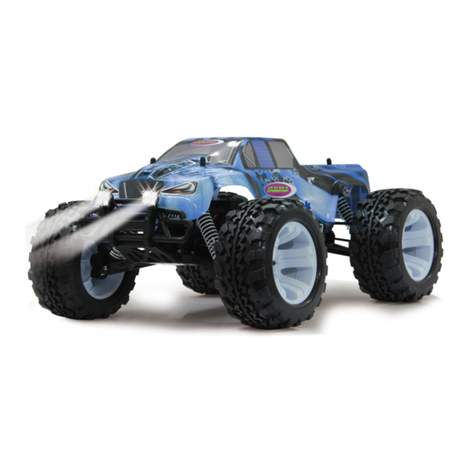
  9. Jamara Tiger EP RTR 2,4 GHz User manual

Jamara Tiger EP RTR 2,4 GHz User manual

Other manuals for Tiger EP RTR 2,4 GHz

2

This manual suits for next models

2

Other Jamara Motorized Toy Car manuals

Jamara Lightray V2 RTR 2,4 GHz User manual

Jamara

Jamara Lightray V2 RTR 2,4 GHz User manual

Jamara Mercedes-AMG GL 63 User manual

Jamara

Jamara Mercedes-AMG GL 63 User manual

Jamara Lamborghini Aventador SVJ Performance 2,4GHz User manual

Jamara

Jamara Lamborghini Aventador SVJ Performance 2,4GHz User manual

Jamara Volvo A40G User manual

Jamara

Jamara Volvo A40G User manual

Jamara Lextron EP User manual

Jamara

Jamara Lextron EP User manual

Jamara LAMBORGHINI Huracan 40 4592 User manual

Jamara

Jamara LAMBORGHINI Huracan 40 4592 User manual

Jamara 404935 User manual

Jamara

Jamara 404935 User manual

Jamara BMW i4 Concept 2,4GHz User manual

Jamara

Jamara BMW i4 Concept 2,4GHz User manual

Jamara Hoolk RTR User manual

Jamara

Jamara Hoolk RTR User manual

Jamara Tiger EP RTR 2,4 GHz User manual

Jamara

Jamara Tiger EP RTR 2,4 GHz User manual

Jamara BMW i8 User manual

Jamara

Jamara BMW i8 User manual

Jamara Lamborghini Aventador LP700-4 User manual

Jamara

Jamara Lamborghini Aventador LP700-4 User manual

Jamara 404551 User manual

Jamara

Jamara 404551 User manual

Jamara MB Arocs 2,4 GHz User manual

Jamara

Jamara MB Arocs 2,4 GHz User manual

Jamara 05 3290 EP User manual

Jamara

Jamara 05 3290 EP User manual

Jamara Audi R8 LMS Performance User manual

Jamara

Jamara Audi R8 LMS Performance User manual

Jamara Whelon User manual

Jamara

Jamara Whelon User manual

Jamara Ultra BL 8 2,4 GHz User manual

Jamara

Jamara Ultra BL 8 2,4 GHz User manual

Jamara 405168 User manual

Jamara

Jamara 405168 User manual

Jamara McLaren P1 2,4GHz User manual

Jamara

Jamara McLaren P1 2,4GHz User manual

Jamara Mercedes-AMG GT3 User manual

Jamara

Jamara Mercedes-AMG GT3 User manual

Jamara 460568 User manual

Jamara

Jamara 460568 User manual

Jamara Lamborghini Aventador SVJ User manual

Jamara

Jamara Lamborghini Aventador SVJ User manual

Jamara 081454 User manual

Jamara

Jamara 081454 User manual

Popular Motorized Toy Car manuals by other brands

Eduard Humber Scout Car Mk.I exterior quick start guide

Eduard

Eduard Humber Scout Car Mk.I exterior quick start guide

Traxxas 4995X instructions

Traxxas

Traxxas 4995X instructions

REVELL 68 CHEVY CHEVELLE SS 396 manual

REVELL

REVELL 68 CHEVY CHEVELLE SS 396 manual

Schumacher Pro Cat instruction manual

Schumacher

Schumacher Pro Cat instruction manual

Tamiya TT-01 TYPE E instruction manual

Tamiya

Tamiya TT-01 TYPE E instruction manual

Eduard Krupp Protze 6x4 1/48 quick start guide

Eduard

Eduard Krupp Protze 6x4 1/48 quick start guide

New Bright 61072UEP quick start guide

New Bright

New Bright 61072UEP quick start guide

Team Durango DEX410v5 manual

Team Durango

Team Durango DEX410v5 manual

PLAYMOBIL 9536 manual

PLAYMOBIL

PLAYMOBIL 9536 manual

Atomic BZ3 instruction manual

Atomic

Atomic BZ3 instruction manual

Aiyaplay 370-290V00 user manual

Aiyaplay

Aiyaplay 370-290V00 user manual

Power Wheels GRJ53 owner's manual

Power Wheels

Power Wheels GRJ53 owner's manual

ZEROTRIBE Zetricks ZT1144 instruction manual

ZEROTRIBE

ZEROTRIBE Zetricks ZT1144 instruction manual

INJUSA 412 Assembly instructions

INJUSA

INJUSA 412 Assembly instructions

Maverick MSC-30BR-WP instruction manual

Maverick

Maverick MSC-30BR-WP instruction manual

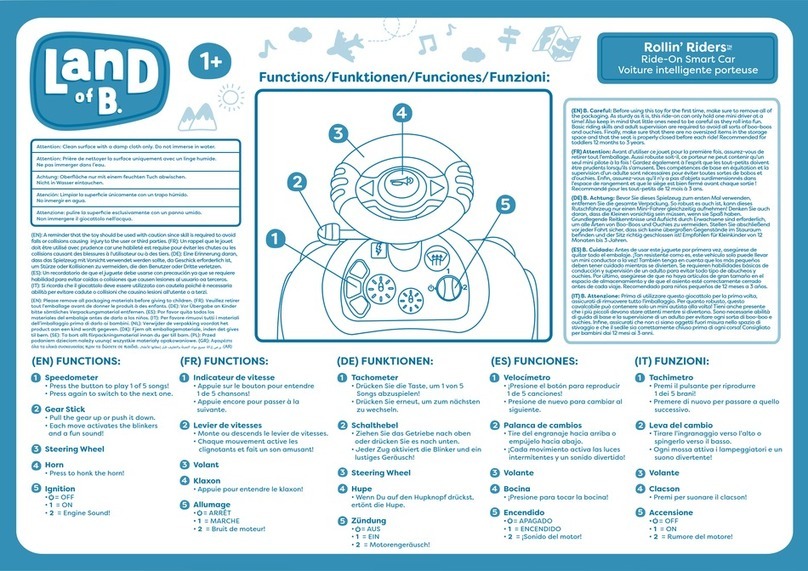
Land of B. Rollin' Riders quick start guide

Land of B.

Land of B. Rollin' Riders quick start guide

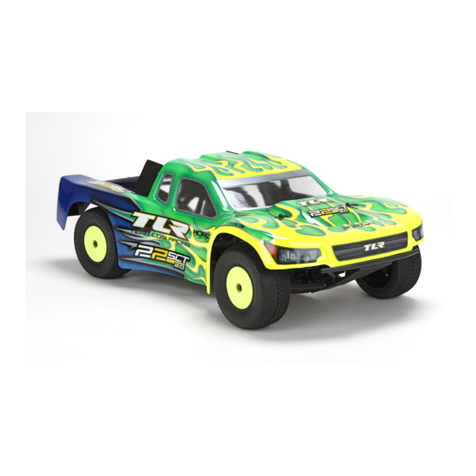
TLR 22SCT 2.0 user manual

TLR

TLR 22SCT 2.0 user manual

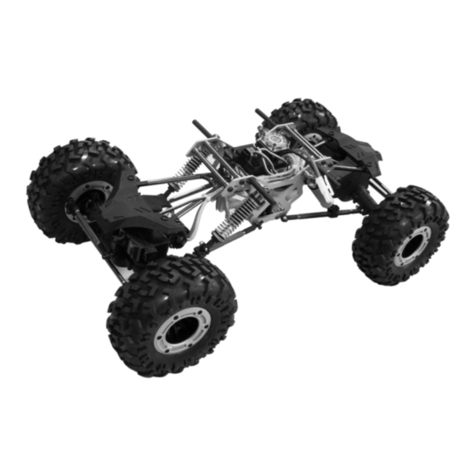
HBX 1/10th Scale Electronic Rock Crawler 5628 instruction manual

HBX

HBX 1/10th Scale Electronic Rock Crawler 5628 instruction manual

https://manuals.online logo
https://manuals.online logoBrands
  • About & Mission
  • Contact us
  • Privacy Policy
  • Terms and Conditions

Copyright 2025 Manuals.Online. All Rights Reserved.

Tiger EP RTR 2,4 GHz
No. 503851 EP
No. 503852 EP LiPo
32/15
IT - Istruzioni di montaggio
GB - Instruction
IT - Informazioni generali
Jamara e. K. non e´responsabile per danni, sostenute al prodotto stesso o attraverso questo, dovuti ad una gestione
non corretta del articolo. Solo il cliente si assume la piena responsabilità per la manutenzione e l´utilizzo corretto dello
stesso; questo include il montaggio, la ricarica, l´utilizzo,  no alla scelta della aerea di applicazione. Si prega di notare e
rispettare le istruzioni d´uso, questi contengono informazioni e avvertimenti molto importanti.
GB - General information
Jamara e.K. is not liable for any damage caused to the product itself or by it, if this is due to improper operation or
handling errors. The customer alone bears the full responsibility for the proper use and handling, including in particular,
assembling, charging and using the model, and selecting the area in which to use it. Please refer to the operating and
user instructions, which contain important information and warnings.
IT - Dichiarazione di conformita’
Jamara e. K. dichiara qui di seguito che il modello „Tiger EP 2,4 GHz, No. 503851, 503852“ è in linea con le norme ed
altre rilevanti disposizioni comunitarie 1999/5/EG, 2011/65EU.
Piu informazioni: www.jamara-shop.com/Conformity
GB - Certicate of Conformity
JAMARA e.K. hereby declares that „Tiger EP 2,4 GHz, No. 503851, 503852“ follow the regulations and requirements as
well as any ther relivant directives of the EEC directive 1999/5/EC and 2011/65/EU.
Further information can also be found at: www.jamara-shop.com/Conformity
IT - Istruzioni per lo smaltimento
Si prega di assicurarsi che le batterie (ricaricabili e non) siano smaltite a regola d‘arte, conformemente
alla normativa vigente. Gettare soltanto batterie scariche negli appositi contenitori presso i rivenditori o
gli enti comunali (in genere le batterie sono scariche quando il modello non funziona più).
GB - Disposal instructions
Please ensure that you dispose of the batteries and/or battery pack in an environmentally correct and legal way. Only
dispose of  at battery packs in the collection boxes in your local shops or authorities.
IT - Questo modello non é un giocattolo!
Sconsiliato per persone inferiori di 14 anni.
Attenzione: Tenere lontano assolutamente i bambini inferiori ai 36 mesi. PERICOLO DI SOFFOCAMENTO!
Contiene pezzi piccoli che possono essere ingeriti.
GB - This model is not a toy!
Not suitable for people under 14 year.
Warning: Keep away necessarily children under 36 months. RISK OF SUFFOCATION!
Contains small parts which can be swallowed.
IT
Attenzione!
Prima dell‘uso:
Accendete prima il modello e poi la trasmittente.
Dopo l‘uso:
Spegnere prima il modello e poi la trasmittente.
●Non utilizzare il suo modello fuori della distanzia di vista. Sia la visibilità come la portata massima del ostro
modello dipendono da molti fattori, come il tempo, disturbo di frequenza e il luogo di utilizzo. Eseguire un est
prima di ogni utilizzo del modello con una seconda persona che tiene ssato il modello. Con questa
procedura potete testare come reagisce il modello durante la perdita del segnale causato per esempio da
una batterie scarica oppure la radio spenta.
GB
Attention!
Before operating:
Switch the transmitter on rst then the model.
When nisished:
First switch off the model then the transmitter.
●Never operate your model beyond sight. Both the maximum visibility as well as the max. range of your
model will depend on many factors such as weather, location and interfering frequencies. Therefore, before
each use perform a range test with a second person securely holding the model and also check how the
model reacts if there is a signal failure e.g. when empty transmitter batteries are installed
IT - Attrezzi consigliati | GB - Recommended Tool
No. 19 0065
Misuratore convergenza
Camber adjusting Tool
No. 19 0060
Mesura distanziatore altezza
Height lange
No. 23 2060
Power Tape silicone
Doublesided power tape
No. 23 2423 medium
Lacca protezione
Nut lock
No. 23 0461 400 ml
Schiuma speciale Spray
Special cleaning foam
No. 28 1787 Louise
Alesatore con indicazioni misure e
coperchio
Body reamer with cap and sizes
No. 19 3130
Banco montaggio
Car Stand rotatable
No. 15 3055
X-Peak 80 BAL
Caricatore
Charger
No. 15 3058
X-Peak 80 BAL Pult
Caricatore
Charger
No. 15 3060
X-Peak 50 BAL
Caricatore
Charger
No. 05 9273 1:10
Graffette per carrozzeria
Body clips
2
50 5080
50 5081
07 9996
50 5079
50 5080
50 5081
07 9996
50 5079
ON/OFF
L/R V/R
Trim
Batteria/Battery
Regolatore
ESC
ON/OFF
IT - Primi passi
Assicurarsi che tutte le parti indicati sono incluse nella confezione di scatola.
Trasmittente, modello, caricabatterie e batterie.
Per primo bisogna caricare la batteria. Collegare il caricabatterie ad una
presa 230V. Collegare il caricabatterie alla batteria del veicolo. In certi casi
utilizzare il cavo adattatore fornito per collegare la batteria con il caricatore. Il
tempo medio di carica della batteria è di circa 6 - 8 ore.
Inserire 8 batterie AA oppure 8 batterie ricaricabili AA nella trasmittente. In
caso del utilizzo di batterie ricaricabile, è necessario caricare questi con un
caricatore separato.
Leggere il capitolo sulla trasmittente.
Accendere la trasmittente e assicurarsi che i trim siano in posizione neutrale.
Avete acquistato un modello RTR. Vale a dire, che il modello è preimpostato
per la maggior parte per l‘uso immediato. Tuttavia, è essenziale prima e dopo
ogni utilizzo, di controllare il funzionamento della parte meccanica ed elett-
ronica. Si consiglia di controllare anche tutte le parti in movimento del
modello. Mettete la batteria nel vano della batteria, a bordo del veicolo. Fare
attenzione che la batteria sia correttamente ssata con i 2 clip in dotazione
e che la batteria non abbia un gioco eccessivo nel vano appropriato. Ora
collegare la batteria con il regolatore di velocità. Tenere il modello in aria per il
caso che il motore si metta a girare a tutto gas. Ora accendere il regolatore di
velocità tramite l`interruttore ON / OFF. Posizionare il modello sul pavimento
e veri carne il corretto funzionamento testando lo sterzo (sinistra/destra) ed
il gas (avanti/indietro) Se le ruote non puntano dritti in avanti, anche se il
volante della trasmettente è in posizione neutrale, è possibile ottenere aiuto
con il trim della trasmittente nella posizione corretta.
Trim L/R = Sterzo
Trim V/R = Avanti / Indietro
Se le ruote girano in avanti o indietro, anche se nessun comando è stato dato
attraverso il trasmettitore, poi anche l‘acceleratore deve essere tagliato sul
trasmettitore. Vi incoraggio ad attivare il ricevitore integrato in unità fail-safe.
Al momento della consegna è spento.
Se le ruote girano in avanti o indietro, senza toccare lo stick del gas, è neces-
sario impostare il trim del gas nella giusta posizione. Consigliamo di attivare
il Fail Safe, integrato nel regolatore di velocità. Il Fail Safe è disattivato in
stato di consegna del prodotto. Per attivare il Fail Safe, leggere attentamente
il capitolo Fail Safe. Attivazione Fail Safe: Accertarsi che lo stick del gas
sia in posizione neutrale. Premere il tasto Fail Safe sulla ricevente nche
lampeggia il LED. Dopo il lampeggiamento del LED, lasciare il pulsante.
Ora si può fare la prima unità di prova. Se questa è la tua prima auto rc, si
consiglia di guidare su una pista piccola per familiarizzare con il controllo del
veicolo e i comandi del trasmettitore.
Attenzione!
Il veicolo è dotato di una Pivot sospensione anteriore. Questa ha una serie
di vantaggi. E ‚molto robusta e la manutenzione e´molto facile. Questo è im-
postato in fabbrica in modo che la carreggiata non permette agli cardani di
saltare fuori. Come con qualsiasi modello, dopo l´inizio dell’uso si rallentano
di qualche millimetro sia la sospensione sia i bulloni. Questo gioco minimo,
po’ abbastare sotto massimo sforzo per fare saltare fuori i cardani. Pertanto
è necessario per assicurarsi prima di ogni uso che tutte le viti, dadi, giochi
ecc., sono ssate correttamente. La vita esterna in plastica 505080 serva
per ssare il fuso a snodo sulla vite a sfera. Questo non deve essere serrata
troppo forte. In caso contrario, lo sterzo non si muove liberamente e la guida
può essere inuenzata negativamente.
GB - Getting Started
Make sure that all parts from the box content are included. Transmitter, Car,
Charger, battery pack.
The battery pack has to be charged before use. Plug the charger into a 230V
outlet. Connect the charger to the battery. If the plug of the charger and batte-
ry do not match, then you will nd a connection lead in your box. The average
charging time of the empty battery is about 6-8 hours.
Place 8 pieces of AA batteries into the transmitter. If rechargebale, please also
make sure these are fully charged.
Read the chapter for usage of the transmitter and its controls carefully.
Turn the radio off and make sure all the trim buttons on the transmitter are in
neutral position. You have purchased a RTR model, which means it should be
ready for immediate use after charging all batteries. You need to check the
car, electronics and all plastic parts after each use to make sure no parts are
damaged. Also all the moving parts must be checked for their clearance, bolts
and screws that they are tight. Now put the battery into the battery holder
in the vehicle. Make sure that the battery holder is secured properly with the
2 included clips for the battery holder. Now connect the battery to the speed
control in the model. Keep the car in the air in case that the motor turns at full
power. Switch the speed control on the On / Off switch. Set the model on the
ground and test it for proper functioning. Steering right/ left, throttle/ brake,
forward and backward. If the wheels do not point straight forward even though
the steering wheel on the transmitter is in neutral, you can adjust it with the
trim button on the transmitter.
Trim L/R = steering
Trim V/R = forward/backward
Should the wheels rotate forward or backward, even though no command
was given through the transmitter, then also the throttle needs to be trimmed
on the transmitter.
We encourage you now to activate your receiver‘s built-in Failsafe unit. On
delivery it is turned off. Leave the throttle lever in neutral position (see
chapter Fail Safe). Press the fail-safe button on the receiver until it ashes
and let go to activate.
Check this principle in an electric vehicle only in the neutral position
of the throttle, because otherwise the model goes into the previously
programmed throttle position in a loss of the transmitter signal.
Now you can make the rst test drive. If this is your rst rc car, we recommend
to drive it on a small test track to familiarise yourself with the control of the
vehicle and the controls of the transmitter.
Attention!
Your vehicle has a pivot front suspension. This has a number of advantages.
It is very robust and easy to maintain. The set-up of the car has been done so
the drive shaft will not pop out. As with any model, screws and bolts can losen
during break-in of the car. This can result in tolerance of the drive shaft. The
drive shaft can then pop out if high pressure is applied. The inner ball screw
(item No.: 505081) will enable you to adjust the tolerance resulting in ne
adjustments of the track width. For best results when setting up the pivot ball
for the rst time, please always adjust the upper and lower pivot in the same
way. Fasten as far as the pivot can still be pulled up and down easyly but not
as far that it will pop out if you give full steering angle. The outer plastic socket
screw (item No.: 505080) is only used for securing of the steering knuckle.
This should not be too tight, otherwise the steering is not smooth and the
handling can be adversely affected.
Cavo di riduzione
Charging adapter
Caricatore/Charger
Caricatore/Charger
Batteria/Battery
Batteria/Battery
Vers. 503851 Vers. 503852
IT - Trasmittente CCX Car 2,4 GHz | GB - Transmitter CCX Car 2,4 GHz
IT - Controlli
Vista laterale destra
1. Scatola di programmazione
2. Antenna 2.4 GHz
3. Volante
4. Leva del gas
5. Vano Batterie
GB - Controls
Side View
1. Programming Box
2. 2,4 GHz Antenna
3. Steering Wheel
4. Throttle Lever
5. Battery Hatch
Settore di programmazione
6. Direzione Reverse
7. Power LED
8. Direzione -Trim
9. Interruttore on /off
A. Gas Reverse
B. Power Check
C. Pulsante collegamento
Binde
D. Dual-Rate
E. Gas Trim
Programming Panel
6. Steering Reverse
7. Power LED
8. Steering Trim
9. ON/OFF Switch
A. Throttle Reverse
B. Power Check
C. Binding Button
D. Dual-Rate
E. Throttle Trim
Con una sincronia di pulsanti, interruttori e display LCD, la trasmettente CCX 2.4 GHz Car, può essere programmata
rapidamente e con facilità. Tutti i canali possono essere trimmati, inoltre è possibile invertire la direzione. In più, vi
sono a disposizione le funzioni, Dual-Rate, EXPO e ABS. Una LED indica lo stato di carica della alimentazione del
trasmittente.
Thanks to the logical and well thought out lay-out of the Programming Panel and the positioning of the switches and
LEDs the CCX 2.4 Car transmitter can be quickly and simply programmed. Both channels can be trimmed and the
direction changed. Furthermore the transmitter is equipped with a Dual Rate system and a red LED indicates the
state of the battery charge.
1
2
3
4
5
6
7
8
9
A
B
C
D
E
Vista laterale sinistra
F. Presa di carica
G. Collegamento per cavo
Simulatore
Se si carica attraverso una pre-
sa, si prega di aprire il coperchio
della batteria. Viene usato per il
raffreddamento.
Rear Side
F. Charge Socket
G. Simulator Cable Socket
If charging the batteries via the
charging socket, the battery
hatch cover should be removed
to ensure sufcient cooling.
G F
2,4 GHz
Antenna
Antenna
Ricevente/Receiver
061171
Collegare l‘antenna verticale 2,4 GHz, come illustrato nella
gura adiacente. Non si può, tuttavia, montare l‘antenna su
oggetti metallici, il raggio d’azione si ridurrebbe notevol-
mente.
Mount the 2.4 GHz antenna vertically as shown in the dia-
gram. Do not allow any metal object to come into contact
with the antenna or to shield it as this will reduce the range.
3
IT - Allacciare la trasmittente alla ricevente
In un moderno sistema di 2,4 GHz, è indispensabile che la trasmittente e la
ricevente vengano connesse insieme a bordo del modello. La ricevente accetta
quindi solo i segnali della trasmittente. Se per qualsiasi motivo si dovesse ef-
fettuare un nuovo allacciamento“connessione”, eseguire le seguenti operazioni:
A. Sostituire nella trasmettente le batterie scariche con altre cariche o nuove.
Lasciare spenta la trasmettente.
B. Inserire la spina di accoppiamento in dotazione nell’uscita del canale 3.
C. Collegando la batteria con la ricevente, si accende il sistema ricevente.
Secondo la versione di software usata, la ricevente segnala in modo
differente la modalità di binding. (esempio: il Led può lampeggiare,
restare accesa o completamente spenta). Il processo di binding in se è
uguale per tutte le versioni. Il Led sulla ricevente inizia lampeggiare e
cosisegnala che la ricevente si trova in modalità di binding.
D. Tenere premuto il pulsante di connessione sulla trasmittente, mentre si
accende la stessa.
E. Il trasmittente inizia a lampeggiare e cosi segnala che si trova in modalità di
binding.
F. Rilasciare il pulsante di connessione della trasmettente e rimuovere la
spina di connessione nella ricevente. Spegnere laricevente e la
trasmittente.
G. Adesso spegnete la trasmittente. Il sistema memorizza il collegamento.
H. Installare correttamente tutti gli accessori e controllare con molta
attenzione.
I. Se la funzione non avesse successo, ripetere la procedura di connessione.
L’illustrazione seguente mostra gra camente il processo di connessione
e speci ca gli elementi da utilizzare.
GB - Binding the receiber to the transmitter
As with all modern 2.4GHz R/C systems the receiver must be bound to the trans-
mitter to ensure that the receiver will only react to signals from that transmitter.
If you wish to re-bind the receiver with the transmitter please proceed as follows:
A. Ensure that the transmitter is tted with fresh or fully charged batteries and
leave the transmitter off.
B. Plug the binding plug (included) into the channel 3 socket on the receiver.
C. Switch the receiver system on by connecting the battery or turn in a BEC
operating on a controller to control. Depending on your software version
of your receiver indicates the different binding mode (instead of as-
hing lights for example LED or remains out completely). The binding
process as such is in all versions. The receiver LED will begin to ash
indicating that the receiver is in bonding mode.
D. Press and hold down the binding button on the transmitter whilst switching
it on.
E. The transmitter will begin to ash indicating that the receiver is in bonding
mode.
F. Release the binding button on the transmitter and disconnect the receiver
from the battery or turn off the controller. Release the binding plug from the
receiver.
G. Switch of the transmitter. And remove the binding wire. The system be
bound at the next start .
H. Install all properly and check anything very precisely.
I. If the receiver fails to bond or does not function after bonding repeat the
above procedure until a successful bonding is achieved.
The diagram illustrate the bonding process and show the locations of the relevant
components.
Spina allacciare
Binding Plug
Fail Safe
Setup LED
Programmazione del gruppo integrato di FailSafe
1. Descrizione della Funzione
L’unità FailSafe è concepita principalmente per l‘utilizzo sulle imbarcazioni e sui veicoli. Serve per evitare la
perdita del modello, determinando la chiusura del gas, nell’eventuale assenza di segnale. Se la ricevente
perde il segnale della trasmittente, il servo del gas o regolatore di velocità ritorna automaticamente sulla
posizione programmata inizialmente.
2. Impostazione
a. Accendere la trasmittente
b. Accendere la ricevente. Il segnale LED lampeggia continuamente e indica che la ricevente è pronta.
c. Spostare sul trasmettitore la leva dell‘acceleratore nella posizione di freno, o zona spento nel regolatore di
velocità. Tenere la leva del gas su questa zona.
d. Premere il pulsante Imposta sul ricevitore. Il segnale LED lampeggia per 3 secondi (vedi illustrazione a
sinistra).
e. L‘impostazione è salvata e si può portare la leva dell’acceleratore in posizione neutra.
3. Prova delle impostazioni
a. Accendere la trasmittente.
b. Accendere la ricevente.
c. Spegnere la trasmittente.
d. Ora la ricevente perde il segnale e conduce il servo del canale gas o il regolatore di velocità sulla posizione in
precedenza programmata.
e. Seguire la procedura descritta sopra, il processo FailSafe funziona correttamente.
How to setup the fail safe function
1. The instruction of function
The function of protection of losing control is mainly for r/c boats and cars and keeps them away from damage
through throttle channel. When the receiver is out of control signal, the receiver of throttle will automatically
return to the initial position which set up before starting to avoid the error action :
2. How to set the function
a. Switch on the transmitter power and enter into the working condition
b. Connect the receiver with power and enter into the working condition, the signal light on receiver will blink
all the time.
c. Control the throttle of transmitter and keeps the servo or ESC in the neutral position.
d. Press the setting button, the LED will be ash for 3 seconds (see on pict. left).
e. Release the setting button. The setting is nished.
3. Testing
a. Switch on the transmitter and enter the working condition.
b. Contact the receiver with power and enter the working condition.
c. Turn off the power of transmitter.
d. The throttle of servo will be set automatically.
e. Finish these steps above means the setting is ok.
Attacco per la batteria
Battery connector
Cavo di allacciamento
del regolatore
Signal wire
Pulsante ON/OFF
On/Off switch
Attacco per la motore
Motor connector
Attacco per la motore
Motor connector
IT - Regolatore (installato) | GB - Controller (installed)
IT - Dati technici
Voltaggio 7,2 - 7,4 V
Batterie 2 Lipo | 6 NiCd/NiMh Celle
Resistenza interna Fwd: 0.002 Ohm, Bwd: 0.004 Ohm
Tensione BEC BEC 2A/5V (Linear mode BEC)
Uso RC-Car 1:10
Protezione Sottotensione
Carico continuo 40 A
Dimensioni ~ 45 x 32 x 26 mm
GB - Technical Data:
Operating Voltage 7,2 - 7,4 V
Battery Pack 2 Lipo | 6 NiCd/NiMh Cells
Internal Resistance Fwd: 0.002 Ohm, Bwd: 0.004 Ohm
BEC Voltage BEC 2A/5V (Linear mode BEC)
Intended use RC-Car 1:10
Protection Circuit Under voltage cut off
Continuous load 40 A
Size ~ 45 x 32 x 26 mm
Se si utilizza una batteria Lipo, é necessario attivare il Lipomodo attraverso
il Jumper (connessione ponticello). Prima di raggiungere la sua tensione
minima, il suo regolatore si spegnera. Solo cosi la batteria Lipo viene pro-
tetta del sottocarico o eventuali danni! Sulla soglia di 6 V tensione totale, il
regolatore si spegne per evitare che la batteria si sottocarica. Se si utilizza
una batteria NiMh deve mettere il jumper in posizione NiMh. Il regolatore
non si spegne a 6 V di tensione totale ma permette una scarica di ca. 4 V
tensione totale.
This regulator has two battery modes which will be set with jumpers. If
you are using a Lipo battery this jumper has to be set to Lipo. This func-
tion protects the lipo battery against deep discharge and possible damage
due to deep discharge! At a threshold voltage of 6 V total the esc switches
autom. off to safe the battery from under voltage. If you are using a NiMH
battery this jumper has to be set to NiMh. The controller allows a voltage
less than 6 V down to 4 V.
ATTENZIONE
Il tuo modello è protetto d’antispruzzo. Non impermeabile!
Non guidare in pozzanghere dove l‘acqua è più alta della box ricevente. Non immergere il regolatore sott‘acqua. Se
la ricevente oppure il regolatore all’interno si bagna, separare immediatamente la rete elettrica e lasciarlo asciugare
a sufcienza. Danni causati da uso improprio o mancanza di manutenzione del modello non sono coperti dalla
garanzia.
WARNING
Your controller is Splash-proof. Not waterproof.
Avoid puddles that are higher than the controller is installed in the vehicle. Do not get the model under water. After
each ride in the wet, the complete controller must be thoroughly dried and lubricate the mechanical components.
Damage caused by improper use overload or lack of maintenance is not covered under warranty.
Attivazione del regolatore
Nell’attivazione procedete come segue:
• Accendere la trasmittente e assicurarsi che la regolazione della corsa del canale gas è impostata esattamente
su + / - 100%.
• Collegare la batteria, controllare che la batteria è collegata con la polarità corretta e che il regolatore non sia
ancora acceso.
• Accendere la ricevente.
• Quando la batteria è collegata, il regolatore è pronto. Siate molto cauti, ci sono rischi signicativi di lesioni,
tramite la partenza di motori ad improvviso.
• Collegare la batteria immediatamente prima dell´inizio d´uso con il regolatore e rimuovere subito dopo l´uso.
Prima dell’utilizzo del modello, fare un test del raggio d´azione.
• Cosi controllate tutti i campi d´uso (tutto gas, a mezzo gas e minimo), se non vi è alcuna interferenza. Prestare
inoltre attenzione ai servi. Un vibrazione dei servi o deviazioni non controllate, segnala inoltre dei guasti.
• Se si desidera attivare il freno, mentre il veicolo è in movimento in avanti e lo stick del gas è in posizione
avanzata, è necessario spostare lo stick velocemente e invertire la posizione.
• Per mettere la retro-marcia, spostare lo stick in posizione neutra, attendere qualche istante e poi portare lo stick
di là di questo punto, nella posizione inversa desiderata.
GB - Using your controller
To operate the ESC, proceed as follows:
• Switch on your transmitter and ensure that the throw for the throttle channel is set to +/- 100%.
• Ensure that the receiver switch is in the OFF position and connect a battery pack ensuring the correct polarity
(+ and -).
• Switch the receiver system ON.
• Once a battery is connected the system is ‘live‘ and extreme caution must be exercised to prevent injury due to
the motor suddenly starting to turn.
• Do not connect the battery pack until directly before operating the model and disconnect the pack immediate
after use.
• Conduct a range test before running the model for the rst time. This test should be carried out at full, half and
low throttle and if the servos jitter or make uncontrolled movements do not operate the model until the reason
for the interference has been established and corrected.
• When the vehicle is being driven forwards, pulling the throttle back past the neutral position will cause the
vehicle to brake. To make the vehicle then reverse, the throttle stick must rst be moved back to the neutral
position for a short period and then the model will reverse.
• If you want to disable the backward function just set the jumper to disable. If the jumper is set to enable the
backward function is enabled.
Congurazione del regolatore
Il regolatore di velocità calibra automaticamente il segnale del trasmettitore. Per ottenere questo, il controllo trim del
canale gas del trasmettitore deve essere in posizione neutro. Accendere prima la trasmettente e dopo il regolatore.
Quando il regolatore di velocità, ha riconosciuto la taratura, lo segnala con una breve melodia ed è pronto per l´uso.
Se il regolatore non rileva un chiaro segnale o non si trova in una posizione neutra, il regolatore non s’inizializza.
GB - Conguring your controller
The speed controller automatically calibrates itself to the transmitter signal. For this, the trim button of the gas
channel at the transmitter must be set to neutral. Turn on the transmitter and then the speed controller. The speed
controller signals the calibration with a short melody and is ready for use. In case the speed controller has no clear
signal or the trim control is not set to neutral, the speed controller will not initialize.

4
Montaggio differenziale anteriore
Front gear assembly diagram
50 5078
50 5075
50 5073 50 5071
50 5074
50 5072
50 5085
50 5076
07 9989
No. 50 5155
Diff. ant./post. completo
Differencial complete
Montaggio differenziale posteriore
Rear gear assembly diagram
50 5078
50 5075
50 5074
50 5073
50 5024
50 5092
50 5023
50 5024
50 5076
50 5071
50 5085
07 9989
No. 50 5155
Diff. ant./post. completo
Differencial complete
IT
Per la messa in funzione del sistema, mettere in atto anche le seguenti precauzioni:
• Mettere solo batterie entro i limiti tecnici consigliati.
• Lasciare raffreddare bene il regolatore prima di rimetterlo in funzione.

• Rimuovere la batteria dal modello dopo ogni utilizzo.
• Attivare necessariamente sempre prima la trasmettente e poi la ricevente, allo spegnimento del sistema, procedere
in senso inverso.
• Utilizzare solo cavi e connettori di alta qualità.
• Creare un buon condotto di raffreddamento per il regolatore, non avvolgerlo per alcun motivo con gommapiuma o
simili.
GB
When using the controller please observe the following safety notes:
• Use only batteries which not exceed the max. operating voltage (2 Lipo cells | 6 NiCd/NiMh cells).
• Allow the ESC to cool down completely before operating it again.
• Remove the battery from the model when not in use.
• Always switch off the receiver rst and then the transmitter. On switching on, switch on the transmitter rst and then
the receiver.
• Only use top quality cables and connectors.
• Make sure that the ESC is adequately cooled and never wrap the unit in anything that insulates.
IT - Risoluzione dei problemi
Modello non risponde
1. Batterie scariche o difettose
- Caricare, sostituire le batterie
2. Motore difettoso
- Sostituire il motore
3. Cavi allentato o danneggiato
- Ricollegare o sostituire i cavi
4. Trasmettente spenta, danneggiato o perso il binding
- Accendere la trasmittente o rieffettuare il binding
5. Ricevente diffettoso
- Sostituire la ricevente
6. Regolatore di velocità difettoso oppure non
correttamente collegato
- Sostituire oppure ricollegare il regolatore
Modello reagisce in maniera incontrollata
1. Trasmettente spenta, danneggiato o perso il binding
- Accendere la trasmittente o rieffettuare il binding
2. Regolatore programmato non correttamente
- Riprogrammare il regolatore
3. Ricevente diffettosa
- Sostituire la ricevente
Motore reagisce in modo strano appena acceso la
trasmittente
1. Fail Safe male impostato
- Riprogrammare il Fail Safe
2. Trim del Gas non in posizione neutrale
- Trimmare il Gas
Modello va solo in avanti
1. Regolatore programmato non correttamente
- Riprogrammare il regolatore
Reagisce solo il sterzo ai comandi
1. Regolatore oppure motore diffettoso
- Sostituire il regolatore oppure motore
Sterzo non risponde
1. Servo sterzo diffettoso
- Sostituire il servo sterzo
2. Dualrate non impostato correttamente
- Impostare Dualrate
3. Leva del sterzo sporco
- Pulire la leva del sterzo
Forte rumore dalla trasmissione
1. Ingranaggio principale, pignone o differenziale
danneggiati
- Non continuare la guida! Sostituire la parte difettosa
2. Distanza pignone corona non impostata bene
- Controllare il giocho tra pignone - corona
Regolatore di velocità si spegne durante la guida
1. Blocco della sottotensione, tensione batteria bassa
- Caricare la batteria
2. Spegnimento per temperatura eccessiva
- Fare raffreddare il regolatore di velocità
Perdita dei cardani anteriore
1. Larghezza carreggiata elevata
- Riduree la distanza
GB - Troubleshooting
Model does not respond
1. Battery or batteries empty or defective
- Charge battery or replace
2. Motor broken
- Replace motor
3. Loose or damaged cable
- Reconnect cable or replace
4. Transmitter turned off, lost or damaged binding
- Transmitter back on, bind or replace
5. Defective receiver
- Replace receiver
6. Speed controller is defective or connection issue
- Connect properly or replace
Model react uncontrolled
1. Transmitter turned off, lost or damaged binding
- Transmitter back on, bind or replace
2. Controller not calibrated or programmed incorrectly
- Recalibrate or reprogram
3. Defective receiver
- Replace receiver
Engine is running when you turn on inadvertently
1. Incorrectly set Failsafe
- Failsafe program to neutral
2. Throttle trim on the transmitter is not in neutral
- Throttle trim set to neutral
Model moves forward only
1. Controller not calibrated or programmed incorrectly
- Recalibrate or reprogram
Only steering response
1. Regulator or Motor is defective or not Calibrated
- Calibrate speed controller or replace motor
Steering does not respond
1. Power steering defect
- Replace servo
2. Dual Rate on the transmitter set too low or to 0
- Dual rate increase
3. Very dirty steering lever or steering knuckle
- Clean and lubricate well
Loud noise from the drive
1. Main gear, pinion or differential damage
- Do not continue! affected part needs to be replaced
2. Incorrect gear mesh
- Reset gear mesh
Speed controller shuts off while driving
1. Low voltage cut-off, battery voltage too low
- Charging the battery
2. Overtemperature
- Let speed controller cool
Front drive shafts fall out
1. Too large track width
- Track width reduction
5
Montaggio sterzo e braccetti inferiori
Steering assembly diagram
50 5080
50 5081
50 5079
50 5100
07 9989
50 5099
07 9996
50 5028
IT
Prima dell’uso del prodotto si prega di vericare tutti i bul-
loni ed i collegamenti della parte elettronica. Il veicolo dis-
pone di una sospensione anteriore Pivot Ball. Questo ha
numerosi vantaggi. E‚ molto robusto e di facile manutenzi-
one. L’impostazione di fabbrica non permette che gli alberi
di trasmissione saltano fuori durante la guida. Per qualsi-
asi modello in azione, delle parti meccanica si possono
allentare tramite i vibrazioni. Un minimo gioco può essere
sufciente che durante la guida si perdono gli alberini.
Pertanto, è anche necessario assicurarsi che tutti i bulloni,
dadi e vite siano controllati prima di ogni utilizzo. Con la
vita a sfera (cod. 505081 vedi lista di ricambio) si regola
il giusto ssaggio di questa parte meccanica. Consigliamo
di avvitare la vita superiore e inferiore nel stesso modo, in
modo di non causare un bloccasterzo (tramite gli alberi
di trasmissioni) durante la manovra di sterzo. Ma di fare
anche bene attenzione di non lasciare un gioco troppo
grande, altrimenti si rischia di perdere gli alberi di trasmis-
sione. La calotta esterna in plastica a (505080) serve solo
per ssare il fuso a snodo sulla vite a sfera. Consigliamo
di non avvitare questo coperchio in modo troppo serrato.
GB
Before each use make sure to check all bolt connections
and cable connections. Your vehicle has a pivot front
suspension. This has a number of advantages. It is very
robust and easy to maintain. The set-up of the car has
been done so the drive shaft will not pop out. As with any
model, screws and bolts can losen during break-in of the
car. This can result in tolerance of the drive shaft. The
drive shaft can then pop out if high pressure is applied.
The inner ball screw (item No.: 505081) will enable you
to adjust the tolerance resulting in ne adjustments of the
track width. For best results when setting up the pivot ball
for the rst time, please always adjust the upper and lower
pivot in the same way. Fasten as far as the pivot can still
be pulled up and down easyly but not as far that it will pop
out if you give full steering angle. The outer plastic socket
screw (item No.: 505080) is only used for securing of the
steering knuckle. This should not be too tight, otherwise
the steering is not smooth and the handling can be ad-
versely affected.
50 5054
50 5097
50 5087
50 5054
07 9989 50 5082
07 9996
50 5028
Montaggio assetto posteriore
Rear shaft assembly
50 5064
Montaggio ammortizzatori
Shock assembly
50 5064
6
50 5029
50 5029
Montaggio Servo Saver
Buffer assembly
50 5027
07 4430
07 9841
50 5093
13 0592 (15 D./T.)
50 5026
505480
Montaggio Motore
Motor assembly
Montaggio piastra radio
Upper Plate Assembly
7
IT - Inclinazione Positivo/Negativo
anteriore e posteriore
A Negativo:
Migliore aderenza nel terreno.
Poiché i bordi delle ruote si
sollevano nel sottosuolo mentre la
macchina entra in curva. Questo
permette una velocità più elevata
nelle curve. Consigliamo ca. 1,5
gradi negativo anteriore e 0 grado
posteriore. Inclinazione eccessiva
causa un peggioramento della
qualità guida.
B Positivo:
Inclinazione positivo è da evitare,
dato che questo causa un guida non
precisa.
GB - Negative camber / positive camber
front and rear
A Negative camber:
Better grip on terrain, as the edge of
the wheels stem into the ground
allowing higher cornering speed.
We recommend approx. imately 1.5
degrees negative front and an ave
rage of 0 degree to the rear. An
excessive negative camber angle
can deteriorate the ride quality.
B Positive camber:
A Positive camber should be
avoided in your vehicle due to
poorer ride quality.
IT - Impostazione dell’assetto / sospensione
I seguenti impostazioni sono possibile:
Convergenza anteriore
AConvergenza negativa: Sterzo e meno diretto e la
macchina tende a sovrasterzare.
Guida diritta più precisa.
BConvergenza positiva: Sterzo e più diretto e la macchina
tende a sottosterzare. Guida
diritta meno precisa.
GB - Suspension Settings
The following settings are possible:
toe-in / toe-out
AToe-in: The responsiveness of the steering is less direct
and the vehicle tends to oversteer, but
it has better directional stability.
BToe-out: More direct steering response and understeer,
but has a worse directional stability.
A
A
BB
teso
rm teso
rm
morbido
soft
Angolo sospensione
Shock angle
Suspensione molla
Spring tension
morbido
soft
Tenditore
girare più breve = Toe-out
girare più = Convergenz
Corsa della
molla
Spring travel
Turnbuckle
turn shorter = Toe-out
turn more = Toe-in Rear camber
Inclinazione
posteriore
B
A
A
A
BB
Spring travel
Turnbuckle
turn shorter = Toe-out
turn more = Toe-in Rear camber
B
A
Angolo sospensione
Shock angle
Suspensione molla
Spring tension
IT - Suspensione molla duro/morbido
anteriore e posteriore
Duro:
Risposta più diretta della sospensione,
ma con aderenza ridotta.
Morbido:
Risposta meno diretta della
sospensione, ma con aderenza più alta.
Angolo sospensione morbido/teso
anteriore e posteriore
Morbido:
Sterzo diretto
Teso:
Sterzo meno diretto
Corsa molla alto/basso
anteriore e posteriore
Basso:
Minore altezza da terra e centro di
gravità più basso
Alto:
Maggiore altezza da terra e centro di
gravità più alto
GB - Spring tension hard / soft front
and rear
Harder:
More direct response of the suspension
but reduced grip.
Softer:
Less direct response of the chassis but
more grip.
Damper angle soft / rm
front and rear
Soft:
More direct steering
Firming:
Less direct steering
Spring defelxion more / less front
and rear
Less:
Less ground clearance and lower center
of gravity
More:
More ground clearance and higher
center of gravity
teso
rm
morbido
soft
IT - Inclinazione alto/basso anteriore
Basso: Inclinazione bassa ha una guida dritta peggiore,
ma un sterzo più preciso e una migliore entrata in
curva.
Alto: Inclinazione alta ha una guida dritta migliore, ma
un sterzo meno preciso e l’entrata in curva
peggiore.
GB - Front caster high / low
Less caster: Less caster has a worse directional stability, but
provides a better steering on corner entries.
High caster: A higher caster has a better directional stability,
but can result in worse corner turn-in.
Angolo di inclinazione
Caster angle Clip
montato anteriore =
Inclinazone alto
montato posteriore =
Inclinazione basso
Clip
front mounted =
higher caster
rear mounted =
lower caster
8
IT - Punti impostazione | GB - Setting points
Suspensione molla
(basso o meno clip)
Suspensione molla
(basso o meno clip) Spring tension
(less or more clip)
Angolo sospensione
posteriore / sopra
Angolo sospensione Shock angle
Inclinazione posteriore
Inclinazione anteriore
Track front
Inclinazione Caster
Spring tension
(less or more clip)
Shock angle
rear / top
Rear camber
Suspensione molla
Spring tension
Angolo sospensione
Shock angle
Angolo sospensione
Shock angle
Angolo sospensione
Shock angle
Inclinazione
(Solo vite interna)
Camber
(only inner screw)
9
IT - Pezzi di ricambio | GB - Spare parts
No. 50 5088
Paraurte A
Front lower / back damper plate
No. 50 5092
Corona principale
Middifferential gear set
No. 50 5094
Pneumatici e cerchi
Wheels
No. 50 5098
Supporto carrozzeria
Shock tower
No. 50 5064
Ammortizzatori
Shock set
No. 50 5089
Paraurte B
Front damper plate / body post
No. 50 5027
Piastra Radio
Radio tray set
No. 50 5095
Carrozzeria
Body
No. 50 5099
Braccetto sup./anteriore
Front upper suspension set
No. 50 5040
Supporto braccetto
Suspension xed mount set
No. 50 5090
Asse ruota
Wheel axle
No. 50 5093
Coperchio corona
Connect mount set
No. 50 5096
Steering link
Steering rod connecting set
No. 50 5100
Braccetto inferiore/anteriore
Front lower suspension set
No. 50 5085
Perno A differenziale
Diff. bevel gear set A
No. 50 5091
Cardano
Drive shaft
No. 50 5102
Decal
Decal sheet
No. 50 5097
Braccetto sup./post.
Rear upper pulling rod set
No. 50 5087
Braccetto inferiore/post.
Rear lower suspension set
No. 50 5071
Perno B differenziale
Diff. bevel gear set B
No. 50 5072
Albero di transmissione
Main gear
No. 50 5073
Corona differenziale
Bever gear
No. 50 5074
Cassa differenziale
Differential case set
No. 50 5075
Cassa esterna differenziale
Gear box
No. 50 5076
Bicchierino
Connecting cup
No. 50 5077
Servi albero di servo
Buffer steel colum
No. 50 5028
Perno braccetto
Suspension arm shaft
No. 50 5054
Perno braccetto
Suspension arm shaft
No. 50 5084
Trascinatore
Hex joint set
No. 50 5078
Supporto differenziale
Shock mount
IT - Punti impostazione | GB - Setting points
Suspensione mollaSpring
tension
Angolo sospensione
Shock angle
Angolo sospensione
Shock angle
Angolo sospensione
Shock angle
Angolo sospensione
Shock angle
10
No. 50 5081
Vita pivot
Ball head screw
No. 50 5026
Suporto Motore
Motor mount set
No. 50 5082
Fuselli posteriore
Rear shaft hub
No. 50 5029
Servo Saver
Steering saver
No. 50 5079
Forcella stab. anteriore
Steering hub set
No. 50 5023
Trascinatore corona
Gear mount set
No. 50 5030
Cardano
Central shaft
No. 50 5080
Cuscinetto
Ball head nut
No. 50 5024
Albero
Rear main gear
No. 50 5101
Chassis
Chassis
No. 50 5032
Supporto batteria
Battery case
No. 13 0592
Pignone 15 D
Pinion 15 T
No. 08 1449
Regolatore EP
Speedcontroller EP
No. 50 5021
Sterzo Servo
Servo pulling rod set
No. 14 0141 NiMh
7,2 V 2000mAh Tam-Stecker
Batteria
Battery
07 9996 Ø5*Ø11*4
Cuscinetto
Ball bearing
07 0806 Ø5*Ø10*4
Cuscinetto
Ball bearing
50 5048 M3*10
Vite
Round head selftap. cross screw
50 5049 M3*12
Vite
Round head selftap. cross screw
50 5052 M3*15
Vite
Round head selftap. cross screw
No. 26 6400 M3*8
Vite
Flat head machine cross screw
No. 50 5053 M3*6
Vite
Flat head machine cross screw
No. 50 5055 M3*10
Vite
Flat head machine cross screw
No. 50 5052 M3*15
Vite
Flat head machine cross screw
No. 50 5057 M3*12
RundkopfschraubenViteUmbrella
head machi. cross screw
No. 50 5058 M3*8
Vite
Umbrella head machi. cross screw
No.50 5060 M3*3
Grano
Set screw
No. 50 5061 M2*11
Pin
No. 50 5062 M2*10
Pin
No. 50 5059 M3*10
Grano
Umbrella head machi. cross screw
No. 05 9274
Graffette per carrozzeriat
Body clip
07 9989 Ø10*Ø15*4
Cuscinetto
Ball bearing
No. 50 5045 Ø 7
E-clip
No. 50 5046 Ø4
E-clip
No. 50 5047 Ø 2,5
E-clip
No. 50 5063 Ø4*Ø8*0.5
Guarnizione
Shim
No. 17 7444 M4
Stoppmuttern
Nylon Nut
No. 05 0450
Antena colorata
Aerial tube
No. 50 5480
Venti 600
Motore
Motor
No. 07 4430
AQUA7 MG
Servo
Servo
No. 50 5148 Lexan
Coperchio per ingranaggio
Gear covering
No. 50 5285
Empfängerbox
Receiver Box
No. 03 7194
Lipo 2S
Caricatore
Charger
No. 50 5270
Caricatore presa Tam
Charger Tam. Connection
No. 14 1391 LiPo Racing
7,4V 5000mAh 2N 30C
Batteria
Battery