manuals.online logo
Brands
  1. Home
  2. •
  3. Brands
  4. •
  5. Lewitt
  6. •
  7. Microphone
  8. •
  9. Lewitt LCT 840 User manual

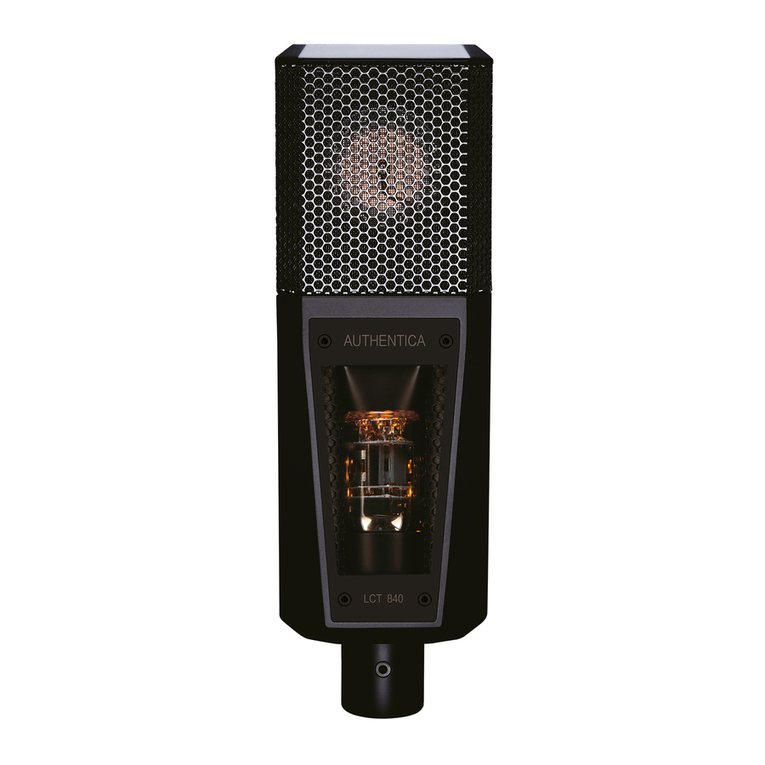
Lewitt LCT 840 User manual

Other Lewitt Microphone manuals

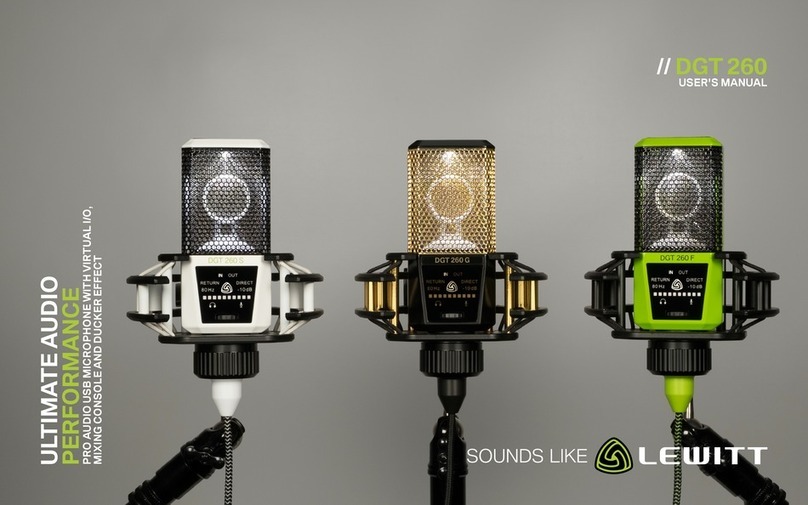
Lewitt DGT 260 User manual

Lewitt

Lewitt DGT 260 User manual

Lewitt DGT 260 User manual

Lewitt

Lewitt DGT 260 User manual

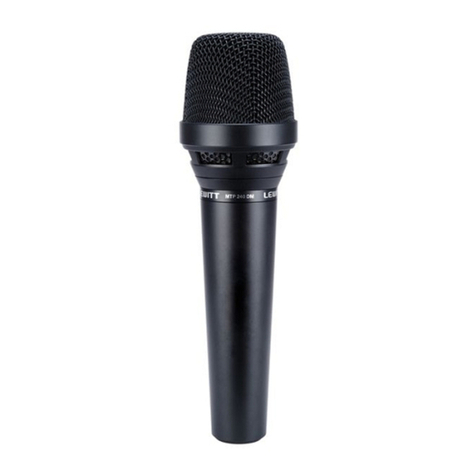
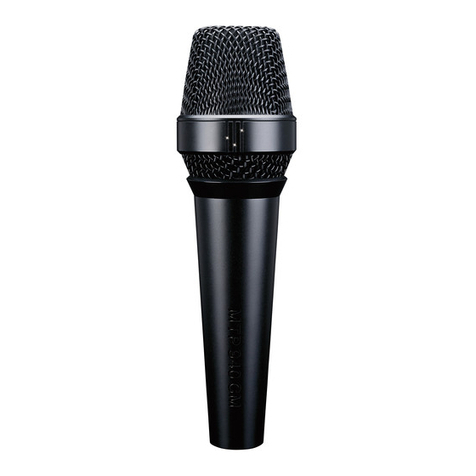
Lewitt MTP 240 DM User manual

Lewitt

Lewitt MTP 240 DM User manual

Lewitt LCT 140 User manual

Lewitt

Lewitt LCT 140 User manual

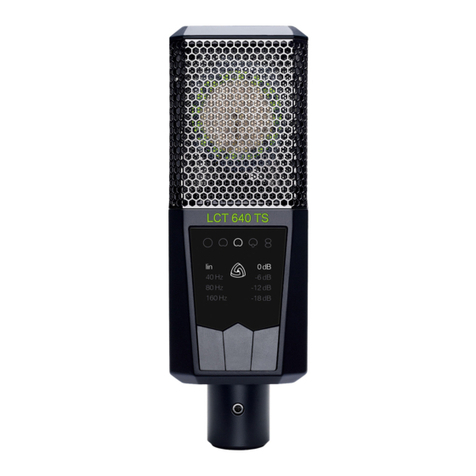
Lewitt LCT 640 TS User manual

Lewitt

Lewitt LCT 640 TS User manual

Lewitt LCT 540 S User manual

Lewitt

Lewitt LCT 540 S User manual

Lewitt DTP 340 TT User manual

Lewitt

Lewitt DTP 340 TT User manual

Lewitt DTP 340 REX User manual

Lewitt

Lewitt DTP 340 REX User manual

Lewitt STREAM 4x5 User manual

Lewitt

Lewitt STREAM 4x5 User manual

Lewitt DGT 450 User manual

Lewitt

Lewitt DGT 450 User manual

Lewitt LCT 450 User manual

Lewitt

Lewitt LCT 450 User manual

Lewitt MTP 540 DM User manual

Lewitt

Lewitt MTP 540 DM User manual

Lewitt LCT 540 Authentica User manual

Lewitt

Lewitt LCT 540 Authentica User manual

Lewitt LCT 140 AIR User manual

Lewitt

Lewitt LCT 140 AIR User manual

Lewitt MTP 840 DM User manual

Lewitt

Lewitt MTP 840 DM User manual

Lewitt LCT 040 MATCH User manual

Lewitt

Lewitt LCT 040 MATCH User manual

Lewitt MTP 940 CM User manual

Lewitt

Lewitt MTP 940 CM User manual

Lewitt LCT 340 User manual

Lewitt

Lewitt LCT 340 User manual

Lewitt LCT 840 User manual

Lewitt

Lewitt LCT 840 User manual

Lewitt LCT 640 User manual

Lewitt

Lewitt LCT 640 User manual

Lewitt MTP 940 CM User manual

Lewitt

Lewitt MTP 940 CM User manual

Lewitt MTP 440 DM User manual

Lewitt

Lewitt MTP 440 DM User manual

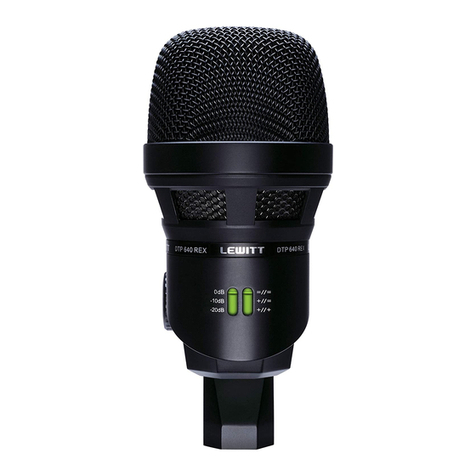
Lewitt DTP 640 REX User manual

Lewitt

Lewitt DTP 640 REX User manual

Lewitt DGT 650 User manual

Lewitt

Lewitt DGT 650 User manual

Popular Microphone manuals by other brands

Betzold 760932 operating instructions

Betzold

Betzold 760932 operating instructions

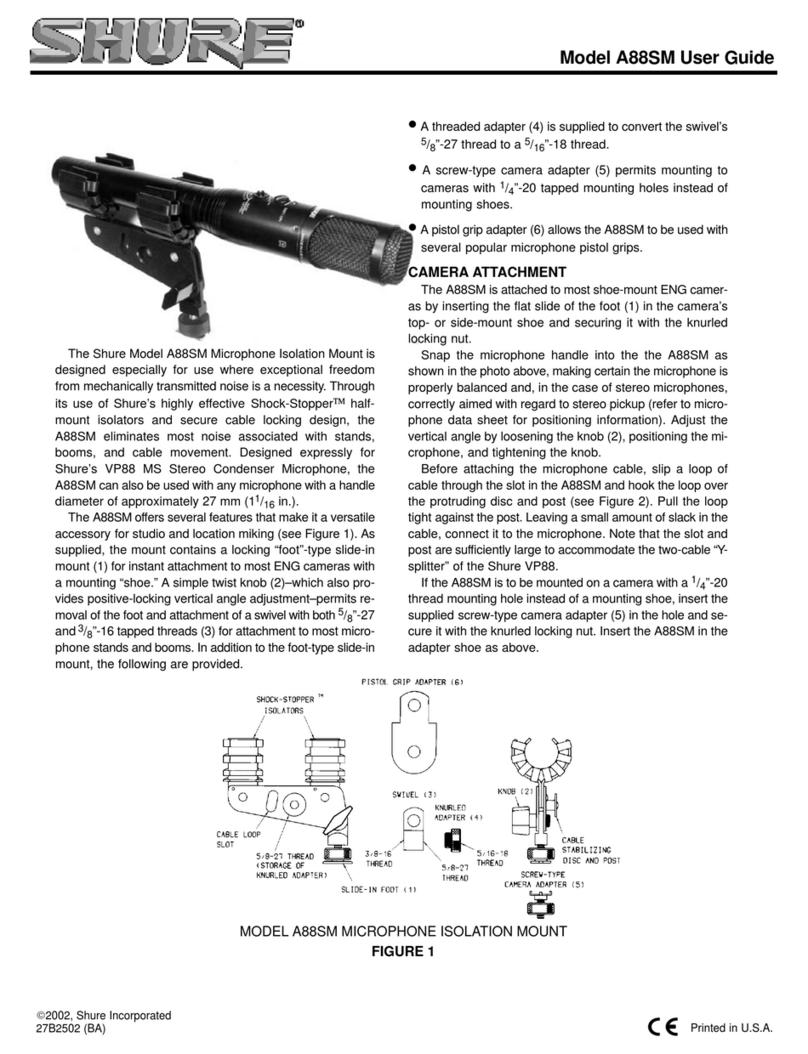
Shure A88SM user guide

Shure

Shure A88SM user guide

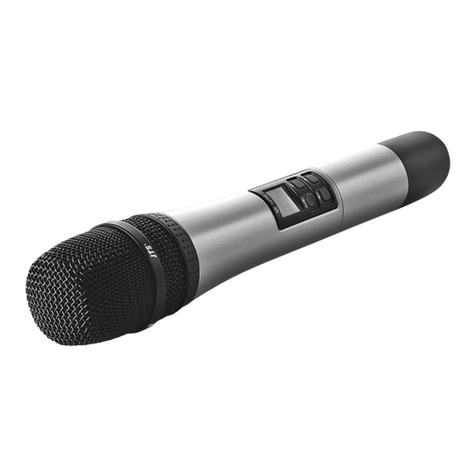
JTS UF-10TH/12 instruction manual

JTS

JTS UF-10TH/12 instruction manual

Shure BETA 58A User giude

Shure

Shure BETA 58A User giude

Shure SM7 user guide

Shure

Shure SM7 user guide

Sony ECM-Z200 Service manual

Sony

Sony ECM-Z200 Service manual

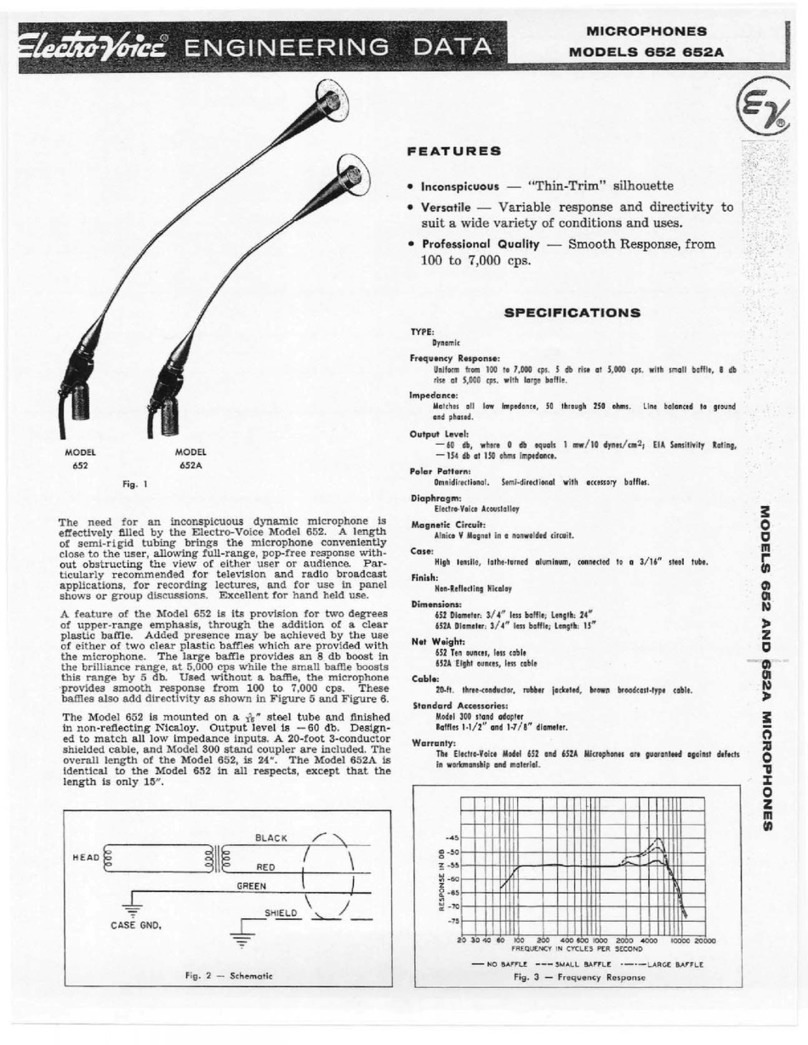
Electro-Voice 652 engineering data

Electro-Voice

Electro-Voice 652 engineering data

mantona 21150 instruction manual

mantona

mantona 21150 instruction manual

Loewe We. SEE 55 user manual

Loewe

Loewe We. SEE 55 user manual

IK Multimedia iRig Stream MIC PRO user manual

IK Multimedia

IK Multimedia iRig Stream MIC PRO user manual

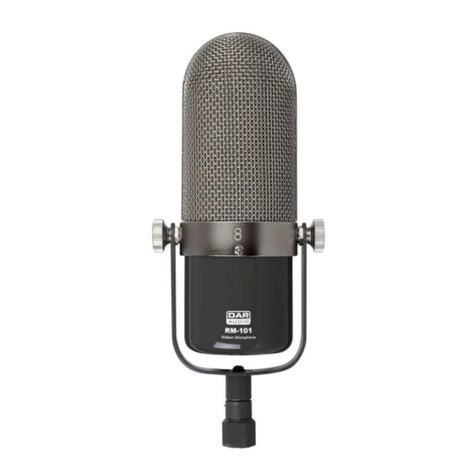
DAPAudio RM-101 user manual

DAPAudio

DAPAudio RM-101 user manual

AKG CHM 21 User instructions

AKG

AKG CHM 21 User instructions

Sennheiser evolution wireless series EM 100 instruction manual

Sennheiser

Sennheiser evolution wireless series EM 100 instruction manual

Sony C-48 operating instructions

Sony

Sony C-48 operating instructions

GIGAMEDIA GGM PAMICUHFG user manual

GIGAMEDIA

GIGAMEDIA GGM PAMICUHFG user manual

Shure WH30TQG user guide

Shure

Shure WH30TQG user guide

auna PRO MIC-900 manual

auna PRO

auna PRO MIC-900 manual

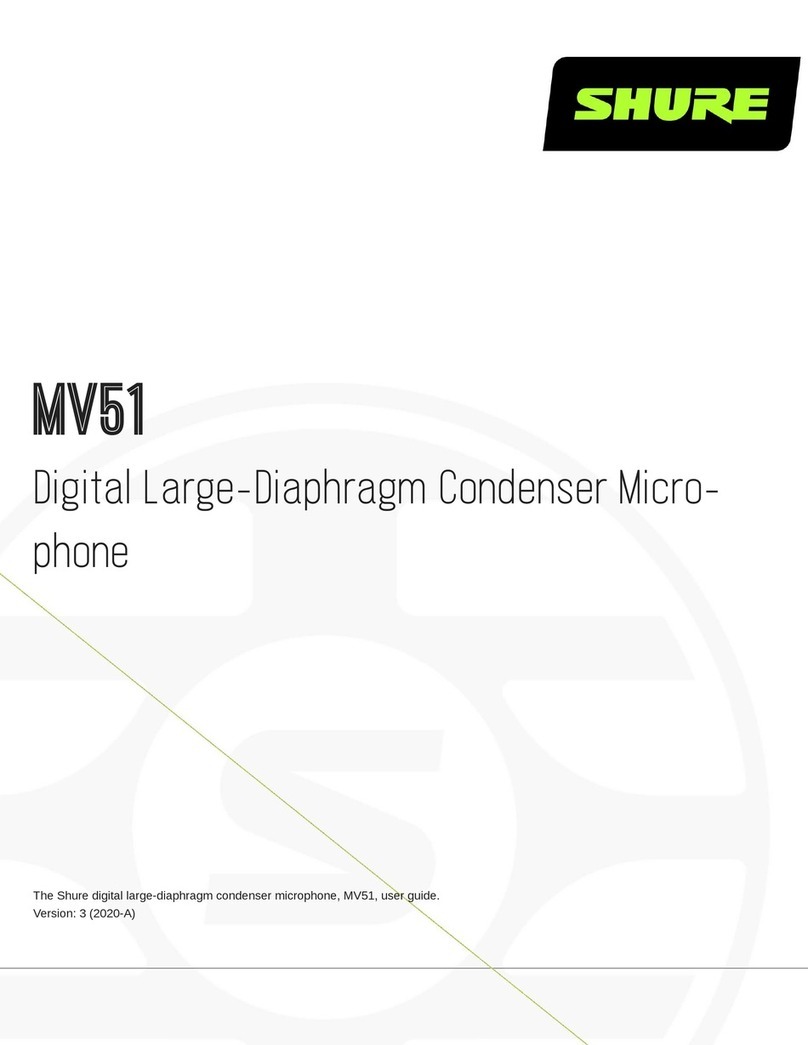
Shure MV51 manual

Shure

Shure MV51 manual

manuals.online logo
manuals.online logoBrands
  • About & Mission
  • Contact us
  • Privacy Policy
  • Terms and Conditions

Copyright 2025 Manuals.Online. All Rights Reserved.

// LCT 840
QUICKSTART GUIDE
WHATYOU SEE
IS WHATYOU GET
SUPER-LOW SELF NOISE MULTI-PATTERN
TUBE MICROPHONE
// Overview
// Large diaphragm condenser tube microphone
// Multi-pattern microphone: omnidirectional, wide cardioid,
cardioid, supercardioid,  gure-8
// Noiseless pushbuttons for quick and easy attenuation and
low-cut  lter selection
// 4 low-cut settings: linear, 40 Hz (12 dB/oct), 150 Hz (6 dB/oct)
and 300 Hz (6 dB/oct)
// 3 pre-attenuation settings: 0 dB, -10 dB and -20 dB
// High dynamic range and low self-noise
// Custom power supply unit with illuminated user interface

for easy handling - even in dark environments
// Gold plated & corrosion-resistant 11-pin XLR socket
Top applications // Vocals, acoustic instruments
and wind instruments
// User interface
1On/Off switch
2Fuse
3 Mains socket
4Mains voltage selection switch
53-pin XLR socket
611-pin XLR socket
7Pre-attenuation indications
8Pre-attenuation push button
9Polar pattern selection
10 Status indicator ring
11 Low-cut  lter indications
12 Low-cut  lter push button
13 11-pin audio cable
41
10
11
12
7
8
5 6
3
2
13
9
READ THE
FULL MANUAL!
Learn Everything about your LCT 840
www.lewitt-audio.com/resources/manuals/LCT-840.pdf
Supply voltage: Custom power supply unit 230 V, 50 Hz 110 V, 60 Hz
Current consumption: 14.66 W
Connector: Gold plated 11-pin XLR
Cable: 5 m (16.40 ft) 11-pin audio cable oxygen-free copper
// LCT 840
QUICKSTART GUIDE
// Operating the microphone
Status indicator ring 10
Illuminated in white: The microphone is in normal working mode.
Illumination is off: Key-lock active.
Illumination ashes in red: The microphone is experiencing clipping due to high SPL.
Illumination in red: The microphone is in automatic attenuation mode.
Illumination ashes in white and red: The microphone indicates the clipping history.
Polar pattern indicator // 5 different directivity characteristics omnidirectional, wide cardioid, cardioid, supercardioid, gure-8
can be set by briey turning the jog-dial to the right or left 9.
Setting an attenuation level // Attenuation levels can be set by briey pressing the left push button 8.
Settings are: 0 dB, -10 dB and -20 dB. Attenuation is used in high SPL environments in order to prevent clipping of the
microphone, mixer and other audio equipment.
Setting a low-cut lter // Low-cut lters can be set by pressing the right push button 12 .
Settings are: linear, 40 Hz (12 dB/oct), 150 Hz (6 dB/oct) and 300 Hz (6 dB/oct). Low-cut lters eliminate unwanted low-frequency
sounds, compensate the proximity effect and reduce structure-borne noise. Do not forget to use the supplied windshield if
necessary.
To learn about the key-lock function, automatic attenuation and clipping history please read the full manual following the
link at the bottom.
// Please Note
// The capsule is a sensitive, high precision component. Make sure you do not drop it from high heights and avoid strong mechanical
stress and force.
// To ensure high sensitivity and best sound reproduction of the microphone, avoid exposing it to moisture, dust or extreme
temperatures. Use supplied windshield if suitable.
// Do not apply excessive force on the buttons or the connected cable.
// When disconnecting the microphone cable, grasp the connector and do not pull the cable.
// Do not attempt to modify or x the microphone, as it would void your product warranty.
// The casing of the microphone can be cleaned easily using a wet cloth, never use alcohol or another solvent for cleaning.
// The windshield can be washed with soap water, if necessary.
// IMPORTANT NOTICE!
// Never remove the mains earth, doing so can have lethal consequences.
// Replace fuse only with the same type.
// Only use indoors, in safe and dry environments.
// There are no user-serviceable parts inside the power supply unit, but there
are potentially lethal voltages. If it does not work correctly, you should consult your dealer. Do not open the unit yourself.
// Do not disconnect the microphone cable while the system is powered as this may result in damage to the microphone.
// Do not use with damaged cables or after unit has fallen and loose parts or broken glass can be heard inside.
// Do not cover the power supply unit, always leave enough space around it for proper ventilation.
This device complies with Part 15 of the FCC Rules.
Operation is subject to the following two conditions:
(1) This device may not cause harmful interference, and
(2) This device must accept any interference received,
including interference that may cause undesired operation.
// Getting started
1Make sure that the mains voltage selection switch 4 is set to the correct position depending on the country´s specic
mains electricity.
2Use the 11-pin audio cable to connect the microphone with the 11-pin XLR socket on the backside of the PSU.
3Use the 3-pin XLR cable to connect your mixer with the 3-pin XLR socket 5 on the backside of the PSU.
4 Put the LCT 840 into operation by activating the On/Off switch 1on the backside of the PSU.
5Let the tube warm up. Microphone reaches full sensitivity after 60 seconds.
6Choose your settings.
7You are ready to go!
LEWITT ®
Burggasse 79
1070 Vienna
Austria
www.lewitt-audio.com